As an Amazon Associate, we earn from qualifying purchases. Some links on this site are affiliate links at no extra cost to you. Our recommendations are based on thorough research and editorial judgment.


Understanding the Difference Between Clay and Silica Gel Cat Litter

When we compare clay and silica gel cat litter, we find distinct differences in composition and function. Clay litter, primarily made of bentonite clay, forms clumps for easy cleaning but generates dust, which may cause respiratory issues. Silica gel litter, composed of sodium silicate crystals, absorbs moisture effectively without clumping and is virtually dust-free. While clay often needs daily maintenance, silica can last up to a month, making our choice dependent on specific needs and preferences, leading to further insights.
Key Takeaways
- Clay cat litter is primarily made from bentonite clay, known for its absorbent and clumping properties.
- Silica gel cat litter consists of processed sodium silicate, designed to absorb up to 40 times its weight in liquid without clumping.
- Clay litter may produce dust, which can affect respiratory health, whereas silica gel litter is virtually dust-free.
- Silica gel litter has superior odor control lasting up to a month, while clay litter requires daily scooping.
- Some cats may be deterred by silica gel litter due to its texture, while clay litter is more familiar and widely accepted.
What Is Clay Cat Litter Made Of?
You may be interested

10 Best Baking Soda Cat Litters to Keep Your Home Fresh and Clean
November 18, 2025
10 Best Cat Litter Alternatives You Need to Try for a Greener Home
November 18, 2025
Clay cat litter is primarily composed of natural bentonite clay, a material renowned for its impressive absorbent qualities and clumping ability when it encounters moisture. The composition of this litter is vital, as clumping varieties specifically harness bentonite for efficient moisture absorption. In contrast, conventional clay litter may utilize Fuller’s earth, which lacks the same clumping properties. Additionally, some clay litters are processed to be 99% dust-free, alleviating potential respiratory issues for both cats and their owners. The grain size can also affect tracking capabilities, impacting how much litter spreads beyond the box. Many premium clay litters incorporate activated charcoal to enhance odor neutralization and maintain freshness in the litter box. It’s important to choose a product that meets our expectations for odor control, comfort, and health considerations for our feline companions.
What Is Silica Gel Cat Litter Made Of?

Silica gel cat litter is composed of processed sodium silicate sand, which is meticulously engineered into tiny beads or crystals that perform a critical function in moisture and odor control. These silica crystals possess a porous structure, allowing them to absorb up to 40 times their weight in liquid, effectively managing both moisture and odors. Unlike conventional clumping litters, silica gel does not form clumps; it absorbs liquid and traps odor-causing molecules within its structure. Importantly, silica gel litter is safe for cats, as it’s formulated to exclude harmful crystalline silica that could pose health risks. Due to its superior absorption capabilities, silica litter remains effective for up to a month for one cat before it requires a complete change. For enhanced odor control between litter changes, products like Arm & Hammer Crystal Deodorizer can be scattered over existing silica litter to maintain freshness.
Odor Control in Clay vs. Silica Cat Litter
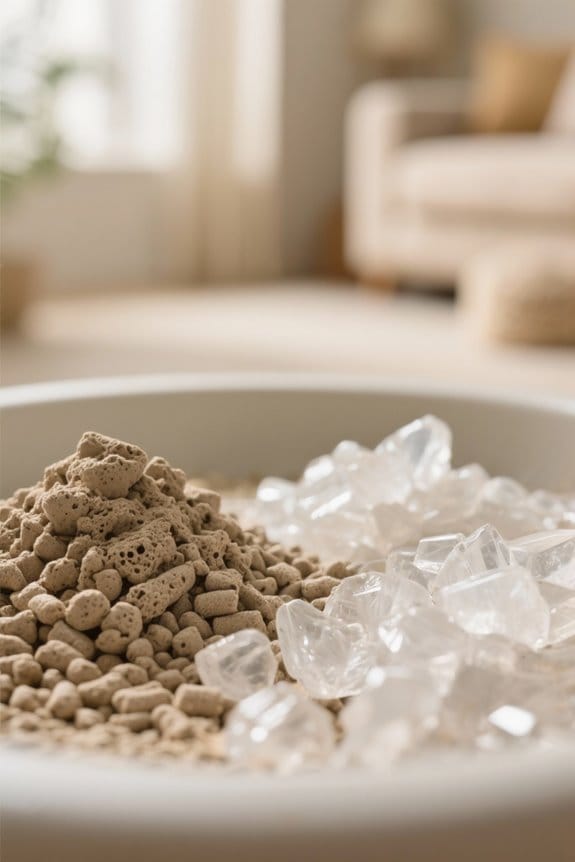
When evaluating odor control, it’s important to contemplate how different litters handle moisture and scent absorption. Clay litter often saturates quickly, necessitating daily scooping or changes to maintain effective odor control. In contrast, silica gel litter boasts superior absorbency, capable of trapping moisture and odors for up to a month for a single cat before replacement is necessary. Many conventional clay litters may include added deodorizers that could negatively affect a cat’s sensitivity to scents; however, silica crystals neutralize odors safely and naturally. Additionally, silica gel litter’s dust-free composition not only improves respiratory conditions for both cats and humans, making it a cleaner option overall but also enhances its responsive odor management capabilities, hence providing effective odor control in your home. Just as proper storage in a cool, dry place helps maintain the freshness and effectiveness of cat treats, keeping litter stored away from moisture ensures it retains its optimal odor-controlling properties.
Recommended Products

Purina Tidy Cats Tidy Care Health Monitoring Non Clumping Cat Litter with Silica Crystals features pH detection technology that changes colors to help monitor cat health

Remove odors quickly: Crystal litter absorbs urine and dries solid waste to quickly remove odors 5 times faster than clumping clay litter. Litter box maintenance made easier with odor locking litter crystals that absorb moisture.

Quick Drying: PetSafe ScoopFree Premium Crystal Cat Litter is made with ultra-absorbent silica that absorbs urine and dries solid waste to quickly remove odors 5x faster than clumping clay litter
Dust and Tracking: Comparing Clay and Silica

Managing dust and tracking from cat litter involves understanding the unique properties of different types. Clay litter, popular for its absorbency, can generate dust that may trigger respiratory issues for both cats and humans. Even high-quality options, like Dr. Elsey’s, claim to be 99% dust-free but can still produce some dust during scooping. In contrast, crystal cat litter made from silica gel is virtually dust-free due to its solid structure. Additionally, the larger silica gel granules reduce tracking around the home, while smaller clay granules often cling to cats’ paws and scatter. Some silica litter brands further enhance low tracking by engineering granules to prevent sticking. For pet owners seeking alternatives, recycled paper pellet litters offer a 99% dust-free formulation that minimizes respiratory issues while providing superior absorbency and reduced tracking. Choosing the right litter can greatly impact cleanliness and respiratory health.
Recommended Products

Crystal Cat Litter: This ultra-absorbent silica cat litter absorbs urine and dries solid waste to quickly remove odors 5x faster than clumping clay litter; One 8 lb bag can last up to 2 months in a single-cat household

MAXIMUM ODOR CONTROL – Instantly absorbs moisture and locks in odors to keep the litter box fresh and clean, even in multi-cat households.

INCLUDES: (1) 5lb Bag of Micro Crystal Non-Clumping Litter that instantly absorbs liquid waste and quickly dries solid waste for maximum odor control
Advantages and Disadvantages of Clay Cat Litter

Clay cat litter offers both notable advantages and some disadvantages that cat owners should consider. Primarily, clay litter, especially bentonite, has excellent clumping ability, which simplifies waste removal and enhances litter box cleanliness. It’s also generally more affordable and widely available compared to silica crystal cat litters. However, traditional clay litters can create dust, potentially leading to respiratory issues in both pets and humans. Additionally, clay litter tends to absorb moisture quickly, necessitating daily scooping to maintain effective odor control. Although some brands are marketed as low-tracking and 99% dust-free, many owners still find litter track around the home. For enhanced odor control, some cat owners add activated charcoal deodorizers to their clay litter, which can help extend its usability and improve freshness. Overall, weighing these factors is essential in selecting the best option for you and your cat’s needs.
Recommended Products

PREMIUM QUALITY: A combination of premium texture and granule size made with 100% bentonite clay for maximum clumping creates litter particles that are just the right size.
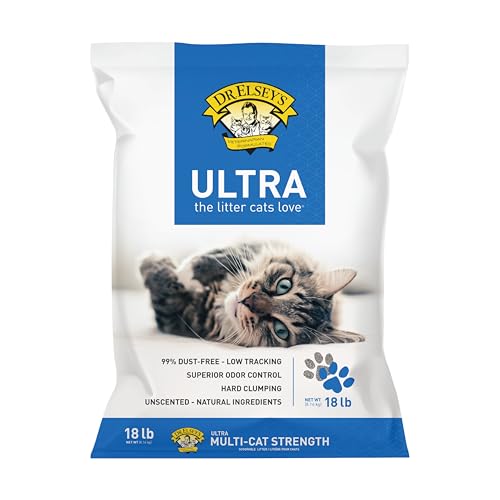
PREMIUM QUALITY: A combination of premium texture and granule size made with 100% bentonite clay for maximum clumping creates litter particles that are just the right size.
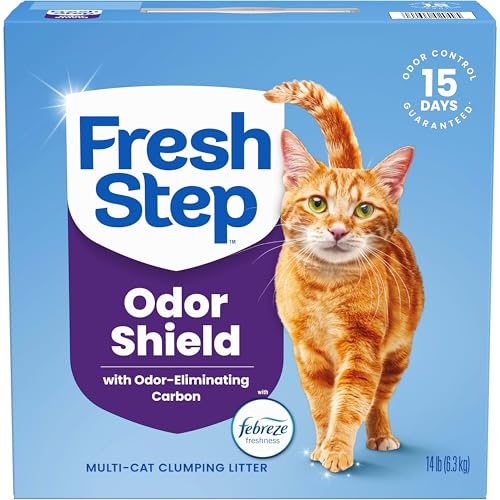
FRESH STEP CLUMPING CAT LITTER: One 14 lb. box of Fresh Step Multi Cat Clumping Litter, Extra Strength Formula With Febreze Freshness, designed for multi cat homes.
Advantages and Disadvantages of Silica Gel Cat Litter
Silica gel cat litter stands out for its unique properties that offer both advantages and disadvantages to cat owners considering their options. Its remarkable absorbency capability allows it to soak up up to 40 times its weight in liquid, ensuring effective moisture management and odor control for the litter box. Unlike traditional clay litters, this dust free cat litter is beneficial for both cats and owners, particularly those with respiratory issues. Additionally, it’s generally hypo-allergenic, minimizing potential allergens. However, we must recognize the different texture of silica litter, which might deter some cats from using it. Testing with litter attractants could help overcome this barrier, outlining the advantages and disadvantages of this option for our feline companions. For cat owners seeking more environmentally conscious alternatives, natural cat litters made from materials like corn, wheat, and walnut shells offer biodegradable options with superior odor control.
Recommended Products

Silica gel litter infused with hydrolyzed herbs draws cats to the litter box.

Quick Drying: PetSafe ScoopFree Premium Crystal Cat Litter is made with ultra-absorbent silica that absorbs urine and dries solid waste to quickly remove odors 5x faster than clumping clay litter

MAXIMUM ODOR CONTROL WITH SILICA CRYSTALS – Highly absorbent silica gel crystals trap moisture and odors, helping keep litter boxes fresher and more inviting for longer.
Choosing the Best Cat Litter for Your Needs
When selecting the best cat litter for your needs, it’s essential to weigh various factors, as individual preferences and health considerations play a significant role in this decision-making process. First, we should analyze cat litter composition; clay litter, particularly clumping types, excels in moisture absorption and odor control, offering long-lasting effectiveness. In contrast, crystal litter, while low-dust, contains synthetic materials that could concern some pet owners. We must also consider our cats’ individual preferences; some may favor the texture of clay while others prefer the feel of silica gel pellets. Finally, if we’re looking for environmentally friendly options, biodegradable litters made from natural materials may align better with our values. To streamline maintenance and minimize mess during litter changes, many cat owners opt for heavy-duty litter box liners with drawstring closures that simplify the cleanup process. Balancing these aspects will lead to an informed choice.
Recommended Products

EASY CLEAN-UP LITTER: ARM & HAMMER Slide Platinum Clumping Kitty Litter forms rock-hard, scoopable clumps that slide right out to prevent sticking; no scrubbing, no scraping, so litter box duty is fast and simple

INCLUDES: (1) 12lb Jug of Antibacterial Scented Litter that destroys 99.9% of odor-causing bacteria and prevents bacterial odor

ONLINE EXCLUSIVE! Fill your cat litter box with the refreshing scent of fresh lavender fields with ARM & HAMMER Forever Fresh Lavender Clumping Cat Litter. This 18 lb. clumping cat litter odor control is only available online
Frequently Asked Questions
Is Silica Cat Litter Better Than Clay?
We believe silica cat litter’s benefits, like superior moisture absorption and odor control, often outweigh clay’s drawbacks. Considering health, environmental impact, and our cats’ comfort, it’s worth exploring which option suits our furry friends best.
Are Silica and Clay the Same?
No, silica and clay aren’t the same. Clay’s properties include clumping, while silica’s advantages lie in moisture absorption and odor control. We should consider texture differences, environmental impact, and cost when evaluating our preferences for cat litter.
What Are the Downsides of Clay Litter?
Clay litter can pose issues like high dust levels, tracking, and clumping ability, impacting cat safety and odor control. Its moisture absorption and disposal methods also raise environmental concerns, despite cost effectiveness. We should consider alternatives.
What Cat Litter Should You Stay Away From?
We should steer clear of clay litters that cloud the air with dust, wreak havoc on our cats’ health, and contribute to environmental decay. Let’s aim for better options that balance cost, odor control, and cat preferences.