As an Amazon Associate, we earn from qualifying purchases. Some links on this site are affiliate links at no extra cost to you. Our recommendations are based on thorough research and editorial judgment.

The Importance of Litter Box Size for Different Cat Breeds

Understanding litter box size is essential for different cat breeds to guarantee their health and well-being. For instance, larger breeds like Maine Coons require litter boxes that are at least 30 inches long, while medium breeds like British Shorthairs need around 24 inches. Smaller breeds, such as Singapura, thrive in boxes measuring 18-22 inches. Providing an appropriately sized box promotes comfort, encourages usage, and reduces accidents. Proper box selection can greatly impact your cat’s behavior and overall happiness. More insights on this topic follow.
Key Takeaways
- Larger cat breeds require bigger litter boxes to encourage natural behaviors and avoid accidents due to territorial issues.
- Box size should be at least 1.5 times the cat’s length to provide adequate space for stretching and movement.
- Kittens need shallow boxes for easy access, while older cats benefit from low-entry options for mobility.
- In multi-cat households, larger boxes prevent territorial conflicts, making a minimum size of 19 x 15 inches advisable.
- Cleanliness and spaciousness in litter boxes significantly improve comfort and reduce stress for all cat breeds.
Understanding Cat Breed Characteristics
You may be interested


When we consider the characteristics of various cat breeds, it’s essential to acknowledge that body shape and size greatly influence litter box requirements. Larger breeds, such as Maine Coons, require litter box sizes that accommodate their length, typically around 18 inches long and 12 inches wide. Breeds with specific behaviors, like Siamese and Abyssinians, benefit from spacious boxes to enhance their litter box experience, thereby encouraging movement and exploration. Persian cats with long fur may prefer wider boxes to reduce mess during use, while kittens should start with shallow boxes approximately 6 inches high for easy access, evolving to larger sizes as they grow. Older cats, especially larger breeds, may need specialized boxes with lower sides for enhanced mobility during elimination.
The Impact of Size on Litter Box Usage
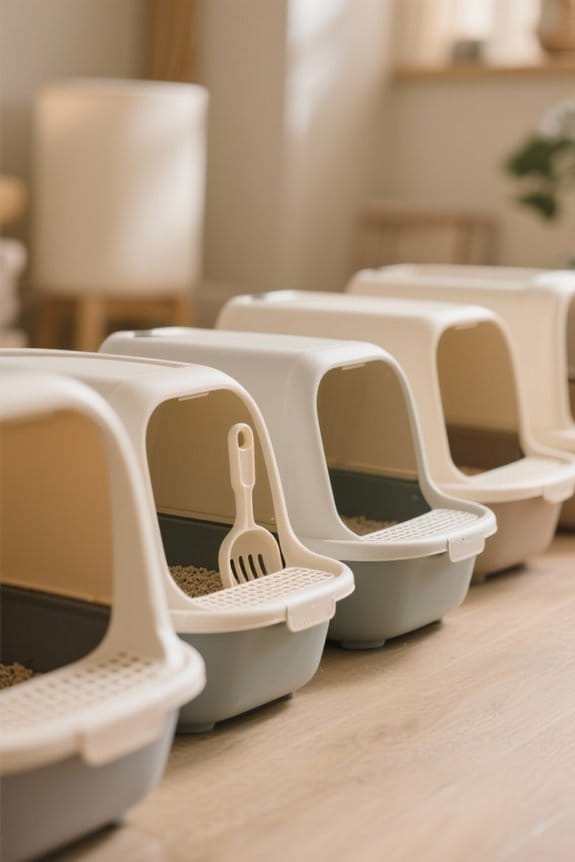
Understanding the impact of litter box size on feline behavior is vital for ensuring ideal usage and preventing inappropriate elimination. Research consistently shows that cats prefer larger boxes; for instance, a study reported 5,031 deposits in larger boxes compared to 3,239 in smaller ones. Cats require adequate space to stretch, dig, and maneuver comfortably during litter box use. Consequently, the ideal litter box should measure at least 1.5 times the length of the cat; for a 16-inch cat, the box must be a minimum of 24 inches long. Neglecting these size requirements can lead to avoidance behaviors, accidents outside the box, or dissatisfaction. As a result, it’s important to assess each individual cat’s needs based on its breed and size. For multi-cat households, selecting boxes with larger capacity dimensions, such as those measuring 19 x 15 inches or more, supports the waste management needs of multiple cats while reducing territorial conflicts.
Recommended Litter Box Sizes for Different Breeds
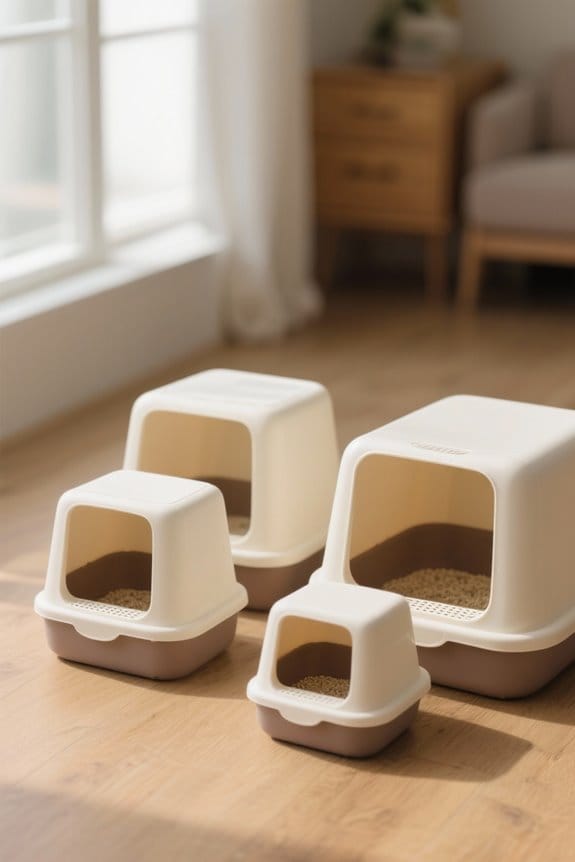
Choosing the right litter box size for various cat breeds is crucial for meeting their needs and preventing behavioral issues. For larger breeds like Maine Coons, we recommend using litter boxes at least 30 inches long, as these cats require a larger box due to their size. Medium-sized breeds, such as British Shorthairs, can typically use boxes around 24 inches long, guaranteeing depth for digging. Small breeds like Singapura might thrive with boxes measuring 18-22 inches long, but cat owners must ascertain there’s enough room for comfort. Breeds prone to obesity, such as Persians, benefit from larger, deeper boxes to facilitate easy access. For households with multiple cats, consider jumbo enclosed options with dimensions of 21 x 18.75 inches or larger to accommodate high walls prevent spills and provide adequate space for each cat. Ultimately, selecting the appropriate litter box size contributes to maintaining feline health and well-being.
Special Considerations for Kittens and Seniors

While our focus has been on selecting appropriate litter box sizes for various breeds, special attention must also be given to the unique needs of kittens and senior cats. Kittens thrive in shallow litter boxes with low sides, ideally around 3-4 inches high, enabling easy access during their early developmental stages. As they grow, moving to larger boxes is essential to accommodate their increasing size and comfort. Conversely, senior cats often face mobility challenges; therefore, selecting boxes with low entry points, which should not exceed 5 inches, is vital for their ease of use. Ensuring an adequately spacious litter box filled with clean litter allows both kittens and senior cats to turn around comfortably and dig, minimizing the risk of litter box avoidance. For senior cats with heightened sensitivities, choosing a hypoallergenic litter that is low dust can further promote their comfort and encourage consistent litter box use.
Recommended Products

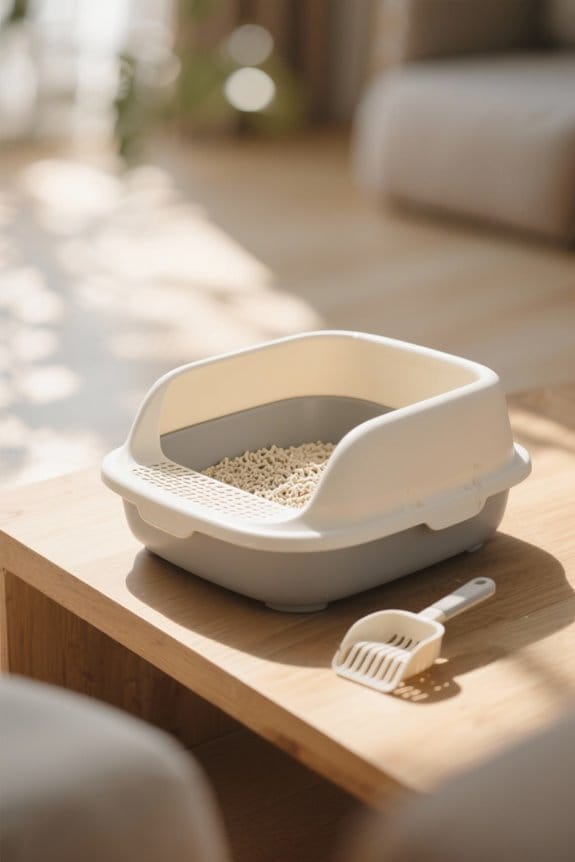
Low Entry Litter Box : 17.3"×13.3"×8.2"(LxWxH), the high sided, plastic lid high enough to prevent litter from flying out during wild digging efforts while the 4in lower platform lets a small cat/kittens easily climb in to do their business

Thoughtful 3.15in Low Entry Design – Each litter box features a 3.15" low front entry, making it easy for kittens, senior cats, or injured pets to step in and out with confidence. High sides still provide excellent splash protection, combining care and practicality
Common Mistakes in Litter Box Selection
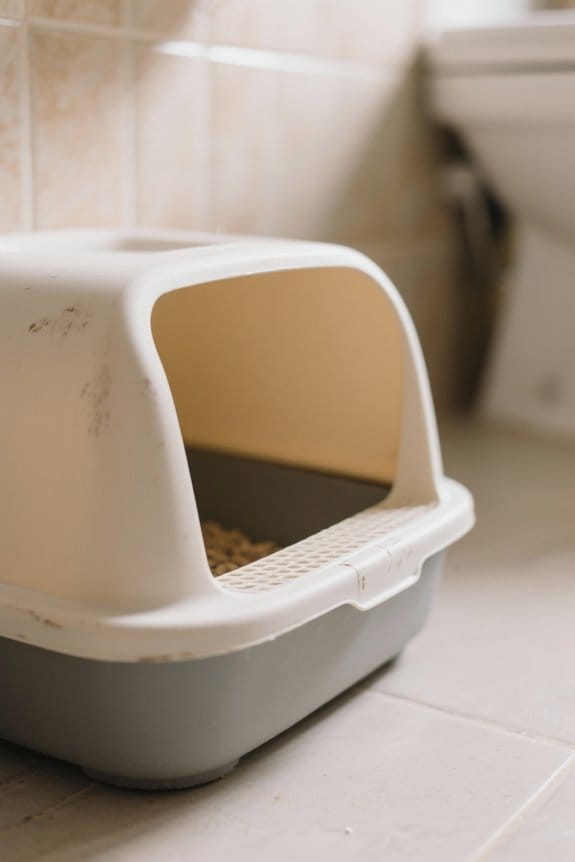
Selecting the right litter box involves avoiding several common pitfalls that many pet owners encounter. One mistake is prioritizing aesthetics over function; the size of the litter box should meet the specific needs of our cats, not just look appealing. We often assume that a single size fits all, but each breed has distinct requirements. For example, larger cats may require boxes measuring at least 24 inches long, while smaller breeds might be satisfied with boxes around 18 inches. Placing the litter box in quiet, low-traffic areas is essential; high-noise zones can discourage use. Additionally, we must heed signs of discomfort, such as difficulty entering a box, which may indicate that the current size is inappropriate, leading to undesirable behaviors. Another common oversight is neglecting the entry height, particularly for kittens and small cats who benefit from low-entry litter boxes that provide easier access and reduce stress during use.
Tips for Maintaining an Optimal Litter Box Environment
An ideal litter box environment is critical for our cats’ well-being, and there are several key practices we must adhere to in order to achieve this. First, the litter box should be at least 1.5 times the length of the cat, ensuring enough space for movement and comfort, especially for larger breeds. Next, we must place the litter box in a quiet, low-traffic area, which helps minimize stress by providing privacy during elimination. Additionally, maintaining cleanliness is essential; we should scoop daily and change litter regularly to prevent odor and encourage consistent use. Finally, consider low-sided boxes for kittens and seniors, while larger boxes accommodate big cats, facilitating their ease of movement and reducing avoidance behaviors. When selecting litter for your box, prioritize options with low dust formulations to maintain better air quality and reduce respiratory irritants for both cats and their owners.
Recommended Products

【Odor-Free】Eosarcu enclosed cat litter boxes had upgraded structure, features carbon filters to absorb odor effectively, ensuring an fresh and comfortable space for cats.

【XXXL Stainless Steel Litter Box with Lid】 Designed for large and multi-cat households, this extra large stainless steel litter box 28"L × 20"W × 18.1"H offers ample space for big cats to move comfortably, far surpassing standard XL sized boxes. With a 60L litter capacity, it greatly minimizes cleanup frequency while providing superior durability and hygiene. The secure lid ensures added privacy and helps contain odors, making it the perfect high-capacity, low-maintenance solution.
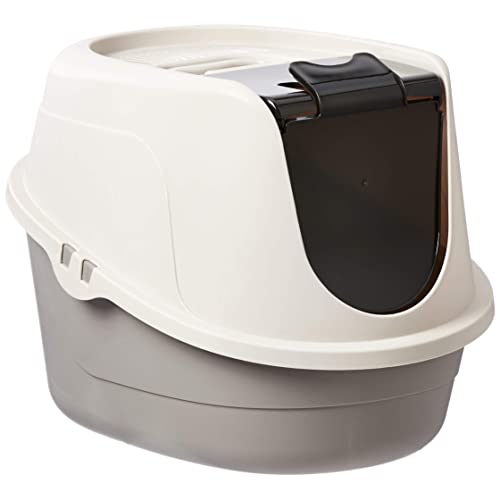
EASY ACCESS FOR CATS: The swinging plastic door allows your cat to enter and exit the hooded cat litter box with ease while keeping the interior mess contained
Observing Your Cat’s Behavior for Size Preferences
Understanding our cat’s behavior is essential when determining whether their litter box size is adequate, as subtle signs can indicate their preferences and comfort level. To assess suitability, we must observe behavior closely. If our cat frequently avoids the litter box or experiences accidents elsewhere, this may suggest the need for a larger space to accommodate their size. Additionally, we should note if they struggle to enter or exit; high walls or small dimensions can cause discomfort. Ideally, a litter box should measure at least 1.5 times the cat’s length from nose to tail. If litter is kicked outside or they seem uncomfortable digging, these behaviors indicate the box may not be spacious enough, warranting a review of size preferences. For larger breeds, boxes with dimensions over 23 inches in length and high sides of 10 to 12 inches help prevent litter scattering while providing adequate space for comfortable movement.
Frequently Asked Questions
Do Cats Need Different Sized Litter Boxes?
Just like we all appreciate a comfy chair, our cats need different sized litter boxes too. Litter box depth varies based on cat breed differences and key litter preference factors, ensuring their bathroom experience is stress-free and enjoyable.
Does the Size of a Litter Box Matter?
Yes, size matters! We’ve noticed that proper litter box dimensions greatly influence our cats’ comfort and their size preferences. Ensuring a spacious box can lead to happier, healthier litter box experiences for all our feline friends.
What Is the Golden Rule for Litter Boxes?
It is understood the golden rule: a litter box should be 1.5 times our cat’s length. Considering proper litter box dimensions guarantees feline comfort, especially for different breeds, reducing stress and promoting happier, healthier pets.
How Do I Know if My Cat Needs a Bigger Litter Box?
If our cat’s struggling to fit or seems uncomfortable, it’s likely time to upgrade. We should consider the litter box dimensions, breed-specific requirements, and any health indicators like distress or unusual behavior when evaluating size.