As an Amazon Associate, we earn from qualifying purchases. Some links on this site are affiliate links at no extra cost to you. Our recommendations are based on thorough research and editorial judgment.


Can You Compost Used Cat Litter? Safety Guidelines

We can safely compost used cat litter if we use biodegradable options, such as those made from wood, paper, or grains. Maintaining temperatures between 130-170°F is vital to eliminate pathogens like Toxoplasma gondii. We should layer the litter with nitrogen sources and monitor compost conditions closely to guarantee effective decomposition. Always avoid composting cat feces for edible plants and handle materials with gloves. Following these guidelines will lead us to better understand responsible composting practices.
Key Takeaways
- Only compost biodegradable cat litters like wood, paper, or grain; avoid clay and silica gel litters as they are not compostable.
- Maintain a carbon-to-nitrogen ratio of 25-30:1 and monitor temperatures between 130-170°F to reduce pathogens effectively.
- Regularly turn the compost to ensure aeration and maintain high temperatures, while practicing good hygiene by wearing gloves.
- Finished compost should only be used for non-edible plants to prevent contamination from pathogens like Toxoplasma gondii.
- Separate litter from feces for safe composting, and consider local disposal regulations and sustainable practices for managing cat litter waste.
Understanding Composting Cat Litter
You may be interested

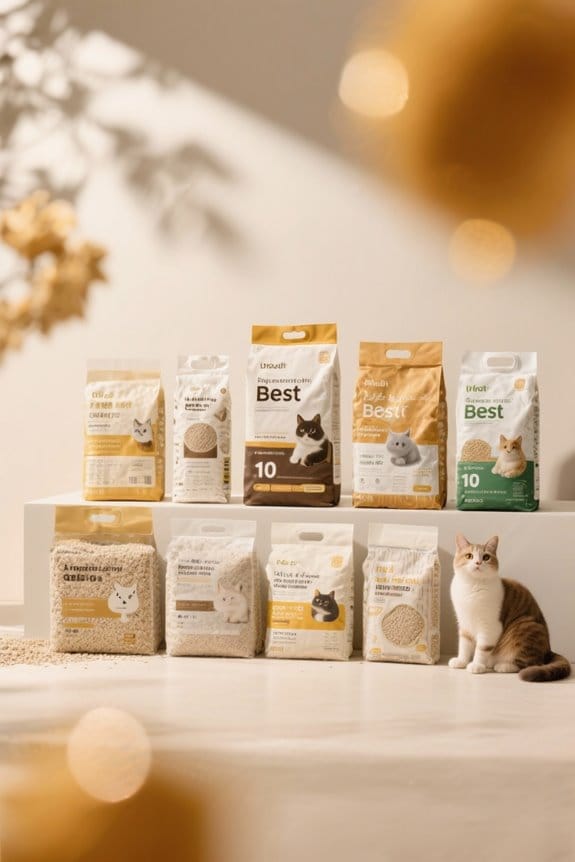
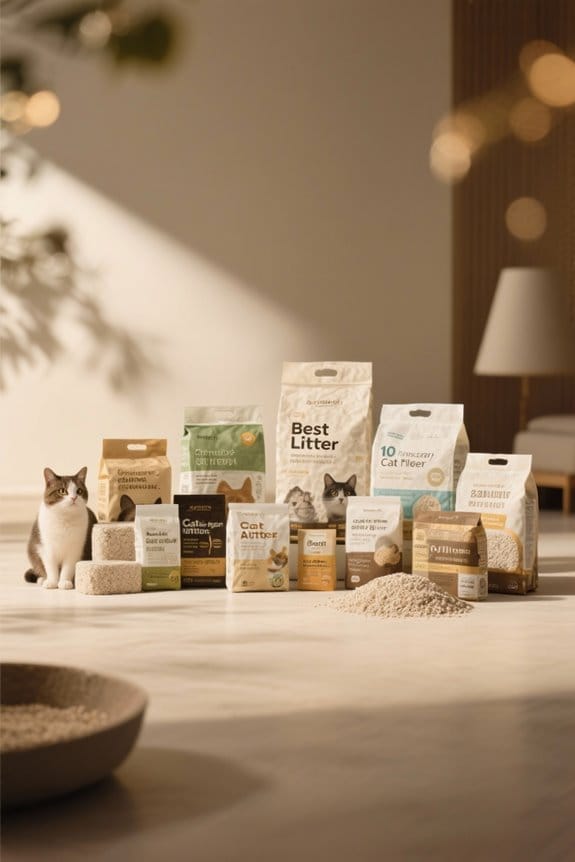
Composting used cat litter involves understanding specific variables to guarantee effective decomposition and safety. To initiate composting cat litter, we must select biodegradable litters, such as those made from wood, paper, or grains, as clay and silica gel litters are non-decomposable. The composting process requires maintaining the ideal carbon-to-nitrogen ratio of 25–30:1 while monitoring moisture and temperature consistently. High temperatures, between 130-170°F, are essential for reducing pathogens like Toxoplasma gondii in cat waste. Finished compost must be utilized exclusively with non-edible plants to prevent contamination from dangerous bacteria. We should regularly turn the compost and allow it to mature for at least six months, enhancing the composting process and ensuring high-quality material for gardening applications. When selecting litter for composting purposes, options like recycled paper litter or wheat-based formulas offer natural, biodegradable materials that break down more effectively than traditional clay alternatives.
The Importance of Temperature in Composting
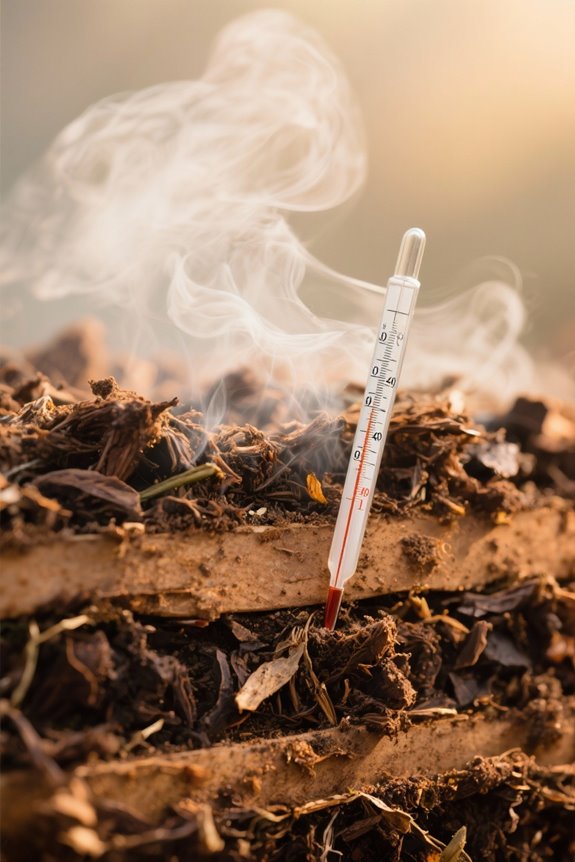
Effective decomposition of used cat litter hinges on maintaining the appropriate temperature throughout the composting process. It is vital to keep the temperature between 130-170°F to effectively eliminate harmful pathogens, like Toxoplasma gondii, commonly present in cat waste. We must regularly monitor the temperature, as fluctuations can indicate issues with moisture content or an imbalance in the carbon-to-nitrogen ratio, which may disrupt aerobic decomposition. If the compost is too cold, adjustments are necessary to enhance both moisture and material balance. Additionally, sustaining these high temperatures is important for several weeks to guarantee that all health risks associated with pathogens are adequately addressed, providing a safe end product for garden use. Prioritizing this temperature control will promote successful composting outcomes. When selecting cat litter for composting purposes, consider that certain litter box models with pre-installed filters can help maintain cleaner litter that may be more suitable for the composting process.
Choosing the Right Type of Cat Litter for Composting
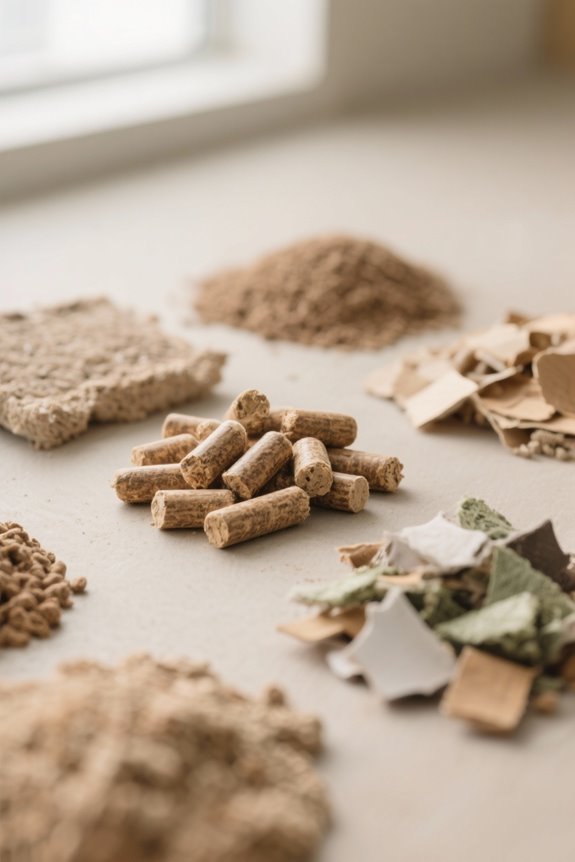
When considering the best type of cat litter for composting, it’s vital to select materials that are both biodegradable and safe for your composting ecosystem. We recommend choosing biodegradable cat litters made from natural materials such as recycled paper, wood, corn, or wheat. It’s imperative that these options do not contain additives or synthetic fragrances, as they can compromise the integrity of your compost pile. Always look for products that explicitly state they are compostable, which reduces the risk of introducing harmful chemicals into your composting system. Additionally, we must remember to separate litter from carnivorous animals, like cats, to mitigate potential health risks and contamination. Natural litters made from materials like walnut shells or corn cob offer superior absorbency and are designed to be biodegradable, making them excellent candidates for composting applications. Following these guidelines guarantees a safer, healthier composting experience.
Recommended Products

Each box includes 36" x 19" compostable cat litter liners, perfectly sized for a secure fit and easy disposal. Featuring a CONVENIENT DRAWSTRING DESIGN, these liners ensure quick and efficient cleanup.

HIGHLY RATED PRODUCTS - Our other listings have wonderful reviews. Please feel free to check them out via our storefront. We assure you our large compostable dog poop bags and kitty litter bags are no different. You will get the same 5 star experience!

ODOR SEALING: Panther Armor unscented litter bags use advanced tech to trap smells, keeping your home fresh for you and your cat without the unpleasant smell
Can You Compost Cat Poop?
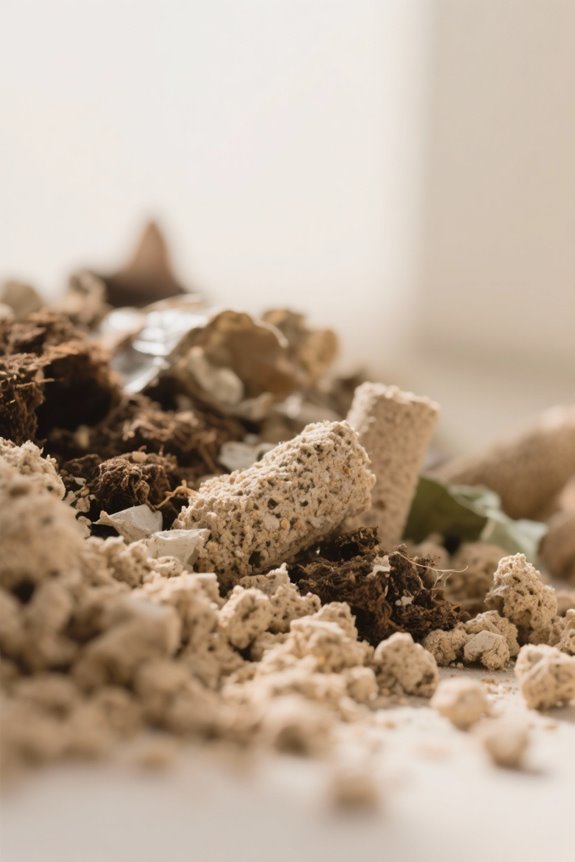
How safe is it to compost cat poop? While we can compost cat poop, we need to be cautious due to potential health risks from harmful bacteria and parasites like Toxoplasma gondii. High-temperature composting is essential; maintaining temperatures between 130-170°F helps kill pathogens. To guarantee safety, we should also allow the compost made from cat poop to mature for at least two years before considering its use in any gardening projects. A well-ventilated compost bin sunk into the ground promotes effective decomposition. Additionally, only use litter that comprises biodegradable materials; clay-based or silica litters may not break down properly, posing further environmental hazards. Just as water-resistant materials are essential for protecting your pet during travel, using appropriate biodegradable litter materials is crucial for successful composting. Following these safety guidelines is important for successful composting cat waste while minimizing risks to human health.
Safety Measures for Composting Cat Waste
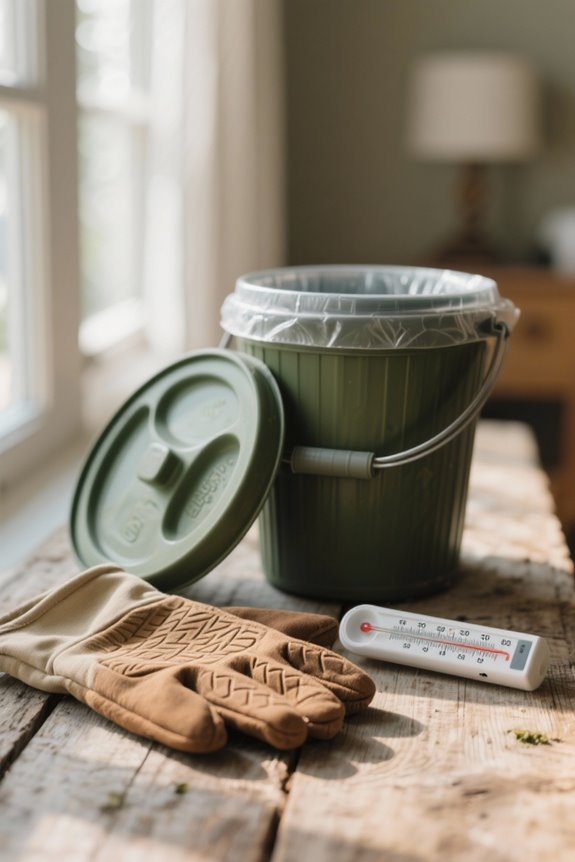
While composting cat waste can be beneficial for the environment, it requires strict adherence to safety measures to prevent health risks. We should only use biodegradable cat litter, such as wood, paper, or corn-based items, as these decompose safely. Maintaining a composting temperature of at least 145°F is essential; this effectively eliminates pathogens, including Toxoplasma gondii, which pose serious health risks. We must also avoid applying compost containing cat waste to edible plants, due to potential contamination. Frequent turning of the compost enhances aeration and promotes thorough decomposition, reducing odors and harmful bacteria. Ultimately, wearing gloves while handling materials and thorough hand washing afterward are critical practices to minimize exposure to contaminants in cat waste, ensuring a safer composting process. Just as we carefully monitor ingredients in high-protein cat treats to ensure our pets’ health and safety, we must maintain the same vigilance when composting cat waste to protect both human health and the environment.
Recommended Products
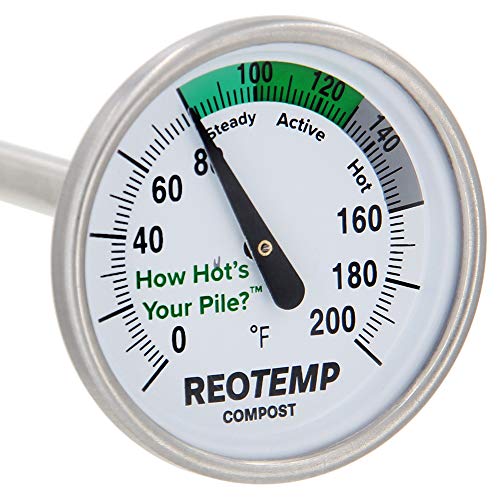
Perfect for the Beginner Composter - Free PDF Digital Compost Guide Included - Expert instructions on how to get started composting and managing your compost pile for the most efficient compost production.
Perfect for the Beginner Composter - Free Digital Compost Guide Included - Expert instructions on how to get started composting and managing your compost pile for the most efficient compost production.

DURABLE CONSTRUCTION: Solid 20 inch (508 mm) 0.2 inch (5mm) diameter stem; reinforced welded bolt between dial and stem for long-lasting operation and conditions; high quality 304 stainless steel
How to Set Up a Composting System
Setting up an effective composting system for used cat litter requires careful planning and consideration, especially after implementing safety measures to manage health risks. First, we should choose a compost bin that suits our available space, like a large, durable 55-gallon plastic trash bin. We need to drill holes in its sides and bottom to promote airflow and drainage. Next, we’ll layer the used litter, a nitrogen source, with high-carbon materials such as shredded leaves or straw in a 25-30:1 carbon-to-nitrogen ratio. It’s essential to keep the composting area separate from food gardens and to guarantee we’re using 100% plant-based, biodegradable litter. Regularly monitoring the compost temperature, making sure it reaches 130-170°F, will facilitate safe decomposition. When selecting litter for composting purposes, consider options like walnut shell or recycled paper litter, which are specifically designed to break down naturally and safely in compost systems.
Recommended Products

ULTIMATE ODOR CONTROL: Features advanced 7-layer odor lock film technology to perfectly trap and contain unpleasant cat litter smells
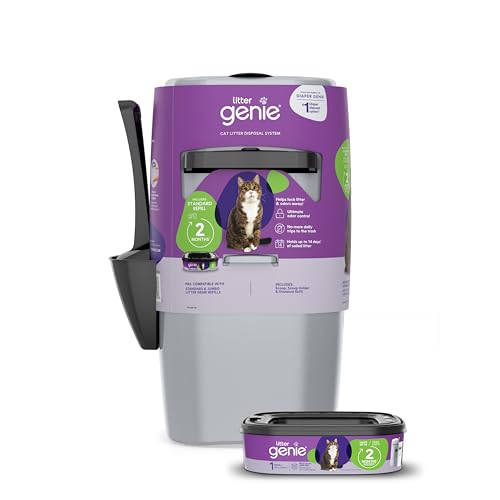
REDUCE LITTER BOX ODOR: The makers of Diaper Genie present the Litter Genie Pail to keep litter box odor in check! The pail holds up to 14 days of soiled litter per one cat, eliminating daily trips to the trash.

✅ U.S. & EUROPE CERTIFIED: ecobewus products are certified by BPI (ASTM D6400) and TÜV Austria OK Compost HOME (EN 13432). These certifications verify compliance with recognized home and industrial compostability standards.
Monitoring Your Compost Pile
To guarantee our compost pile efficiently breaks down used cat litter and other organic materials, we must closely monitor several key factors that influence the decomposition process. We should regularly turn the compost pile every few weeks, introducing oxygen vital for aerobic decomposition, while maintaining the temperature between 130-170°F to kill harmful organisms. Monitoring the moisture content is important; aim for a dampness comparable to a wrung-out sponge. It’s also essential to measure the internal temperature with a thermometer, ensuring it reaches at least 145°F for several days. We need to maintain a balanced carbon-to-nitrogen ratio of 25-30:1, observing for any signs of imbalance, such as unpleasant odors or slow decomposition, indicating necessary adjustments. For cat owners who travel frequently, having waterproof and odor-proof containers can help manage litter during trips while reducing waste that might otherwise need composting.
Potential Contaminants in Cat Litter
Understanding the potential contaminants in cat litter is essential for safe composting, as some materials can pose significant health risks. Cat litter may contain Toxoplasma gondii, a parasite harmful to humans, particularly affecting pregnant women and immunocompromised individuals. Even biodegradable litters, made from corn or wheat, can harbor toxins, so careful selection is imperative. Clay-based litters, especially those with sodium bentonite, are challenging to break down and can lead to long-term soil and water contamination. While industrial composting facilities can reach temperatures high enough to neutralize pathogens, home composting often fails to achieve uniform temperatures, making it critical to monitor compost temperature between 130-170°F to effectively eliminate contaminants in cat litter and waste. Look for products with CertiPUR-US certification to ensure materials are free from harmful chemicals and allergens that could contaminate your compost.
Environmental Benefits of Composting Cat Litter
Composting used cat litter, particularly when derived from biodegradable materials such as wood, paper, or corn, offers significant environmental advantages that align with sustainable waste management practices. By composting cat litter, we can divert substantial pet waste from landfills, thereby reducing methane emissions resulting from anaerobic decomposition. In addition, this process generates nutrient-rich organic matter that enriches garden soil, enhancing its structure and water retention capacity, ultimately supporting sustainable gardening practices. Compost created from used litter can be beneficial in non-edible gardens, allowing us to avoid chemical fertilizers. Engaging in composting promotes responsible waste management and cultivates an environmentally friendly mindset, encouraging us to see pet waste as a resource that positively influences local ecosystems and community gardening efforts. Choosing litters made from renewable resources like walnut shells, corn, or reclaimed wood ensures that the composting process remains truly eco-friendly from start to finish.
Alternatives to Traditional Cat Litter
When considering alternatives to traditional cat litter, we encounter various biodegradable options that not only provide effective absorption and odor control but also contribute to environmental sustainability. Materials such as wood pellets, recycled paper, corn, and wheat-based litters are notable choices. These natural materials break down more efficiently in composting systems, minimizing landfill waste. For instance, wood-based litter offers natural odor control, while paper pellets require additional management to prevent odor issues. Additionally, when choosing corn or wheat litters, verify they’re certified biodegradable and free from harmful additives. Pine pellet litters made from reclaimed lumber shavings provide an eco-friendly option that effectively traps odors through the wood’s natural properties. By opting for these environmentally conscious plant-based alternatives, we meaningfully reduce our ecological footprint and support healthier ecosystems, allowing cat parents to engage in responsible pet care practices.
Recommended Products


NO HARSH CHEMICALS, NO ADDED FRAGRANCE—this non-clumping cat litter is an effective odor eliminator that’s made simple with plant-based ingredients like natural pine shavings, plus the absorbent power of ARM & HAMMER Baking Soda.

Powerful odor control naturalizes strong odors on contact
Responsible Disposal Practices for Cat Litter
Effective disposal practices for cat litter are crucial to maintaining hygiene and minimizing environmental impact. First, we should choose biodegradable cat litters made from natural materials like wood, paper, or corn. For composting, separate the cat litter from solid waste containing feces, as this will help us safely compost only the litter for our non-edible plants. When we can’t compost, sealing cat waste in biodegradable bags before disposal can reduce plastic use and lessen its environmental footprint. Additionally, we must regularly scoop the litter box to maintain cleanliness, which helps to reduce odors and pests. Finally, researching local ordinances and safety guidelines guarantees we follow appropriate cat litter disposal methods, including potential biodegradable litter recycling programs available nearby.
Recommended Products

Composting Litter Bags, Plastic-free: Our cat litter bags are made from corn-based and plastic-free materials, which will only break down into water, CO2 and biomass. All you need is to put these cat litter bags for poop into your backyard compost bin

Please be aware that this poop bag is only suitable for medium-sized cat litter scoops, but not for large or extra-large sizes

🌸 FRESH POWDER SCENTED: Infused with a fresh powder scent to help reduce unpleasant odors during pet waste and diaper disposal. Whether cleaning up after pets or disposing of used diapers, these scented bags help make everyday cleanup more convenient.
Resources for Safe Composting Guidelines
Understanding safe composting guidelines is essential for those of us who wish to recycle used cat litter responsibly. We should use biodegradable materials, such as recycled paper, wood, or corn, while avoiding clay or silica, as they decompose slowly. It’s crucial to monitor the composting temperature, keeping it between 130°F and 170°F, to eliminate harmful pathogens like Toxoplasma gondii effectively. To prevent contamination, we must keep any compost containing cat litter separate from areas where we grow edible plants. While researching local composting facilities that accept pet waste, we need to adhere to specific regulations on what can be composted safely. Resources, like EPA.gov, offer valuable insights into best practices for composting, ensuring safety guidelines are followed.
Frequently Asked Questions
Can I Throw Cat Litter in Compost?
We shouldn’t throw used cat litter in compost without considering safe disposal methods. While organic materials can decompose, cat waste requires careful handling. Let’s explore litter alternatives to guarantee our compost remains healthy and safe.
Why Can’t Pet Waste Be Composted?
We can’t compost pet waste due to pathogens concerns, contamination issues, and risks it poses to our health. Exploring alternative composting methods guarantees sustainability while practicing responsible pet ownership helps us manage waste safely.
How Should Used Cat Litter Be Disposed?
Disposing of used cat litter isn’t rocket science! We’ve got eco-friendly solutions like biodegradable options and composting alternatives. Let’s explore litter disposal methods and recycling tips to enhance our waste management practices while being responsible pet owners.
What Is the Most Environmentally Friendly Way to Dispose of Cat Poop?
For eco-friendly cat waste management, we can choose biodegradable litter options and utilize composting techniques. Exploring litter box solutions that focus on pet waste reduction helps us contribute positively to the environment while caring for our cats.