As an Amazon Associate, we earn from qualifying purchases. Some links on this site are affiliate links at no extra cost to you. Our recommendations are based on thorough research and editorial judgment.


Why Cats Hide After Grooming Sessions

Cats often hide after grooming due to the stress and anxiety that such experiences can provoke, as their instinct is to find safety in familiar spaces. It’s essential to recognize signs of skittish behavior, such as decreased appetite or excessive grooming, which indicate emotional distress. Creating a calm environment with favorite items and maintaining consistent routines can help alleviate their anxiety. By understanding these behaviors, we can better support our cats’ emotional needs and recovery process. Further insights await.
Key Takeaways
- Hiding is a natural response to the stress and anxiety caused by grooming sessions in cats.
- Grooming may involve unfamiliar environments and handling, leading to feelings of discomfort and insecurity.
- Changes in routine and exposure to new smells can contribute to skittish behavior in cats after grooming.
- Cats may also hide as a coping mechanism until they feel safe and secure again.
- Monitoring their behavior and creating a calm environment can aid in their emotional recovery post-grooming.
Understanding Cat Behavior Post-Grooming
You may be interested

How Dental Health Affects Overall Cat Wellness
November 30, 2025

How Overgrown Nails Affect Cat Gait and Joint Health
November 30, 2025
How Seasonal Changes Affect Cat Shedding Patterns
November 30, 2025
Understanding that many cats exhibit hiding behavior after grooming is essential for cat owners who want to support their pets during this potentially stressful time. Hiding is a natural response to the stress and anxiety that can arise from unfamiliar handling and environmental stimuli. It’s crucial for us to recognize that this behavior is typically temporary, with most cats returning to their normal activities within a day or two. To help our cats adjust and feel comfortable post-grooming, providing a quiet space filled with familiar items is critical. For cats experiencing persistent anxiety after grooming sessions, calming collars with pheromones can help reduce stress-related behaviors within 1-2 weeks of regular use. As responsible owners, we should monitor our felines for any persistent changes in behavior, granting them the necessary patience to cope with their grooming experience effectively while ensuring their overall well-being.
Common Signs of Stress in Cats

While observing our cats after grooming, we may notice a variety of stress indicators that can signal discomfort or anxiety. These signs of distress can include hiding, which acts as a coping mechanism for our feline friends in response to stressful grooming sessions. Additionally, increased vocalization may occur, indicating their anxiety about the environment. It’s important to monitor for behavioral changes, such as decreased appetite or outright food refusal, which often suggest overwhelming stress. Excessive grooming is another behavior to watch, as it may indicate our cats are attempting to self-soothe. In some cases, stressed cats may also develop skin irritation from over-grooming, requiring careful monitoring and potentially topical treatments. Overall, recognizing these common signs is essential for managing and alleviating our cats’ discomfort following grooming sessions, ensuring they regain their calm and comfort swiftly.
Reasons for Skittish Behavior After Grooming
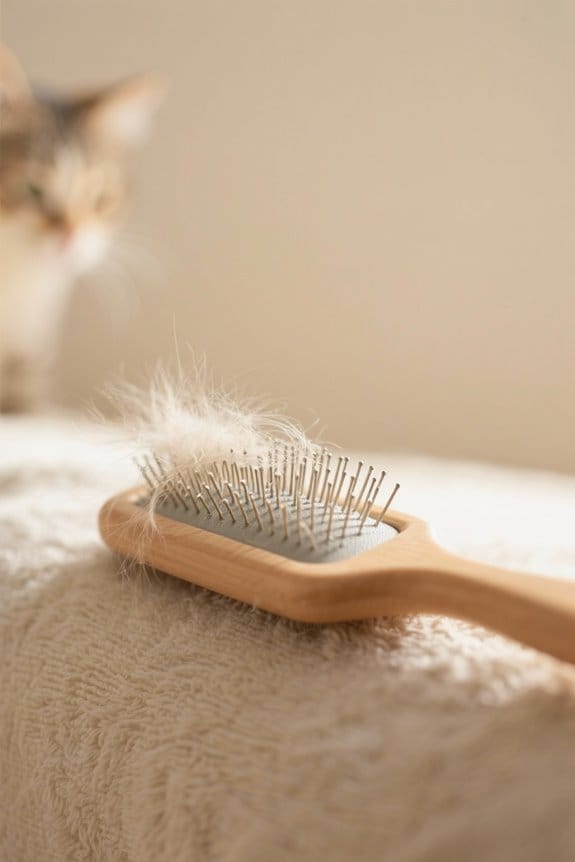
Following a grooming session, it’s not uncommon for cats to exhibit skittish behavior due to several reasons directly related to their experiences during the process. Grooming can be a stressful experience, as unfamiliar environments, new smells, and handling can overwhelm our feline friends. Consequently, cats might relate grooming sessions to discomfort or anxiety. Their subsequent skittish behavior often stems from their instinctual need to feel safe, prompting them to hide as a coping mechanism. By retreating to a familiar space, they can process their feelings and regain security. This adjustment period can take time, as they gradually acclimate to their environment. Observing your cat’s behavior during this phase is essential for understanding and supporting their emotional needs. During this recovery time, maintaining their regular routine with programmable feeding schedules can provide comfort and stability as they readjust.
How to Help a Cat Adjust Post-Grooming
To effectively assist our cats in adjusting after grooming sessions, we must acknowledge their need for a calm and secure environment. It’s important to allow our cat time and space to readjust, as hiding is a common behavior stemming from stress. We can create a comforting area equipped with their favorite bed, blanket, and familiar toys, ensuring this safe space also includes fresh water and food to encourage them to eat when ready. Consider providing a round cat bed with raised edges that offer neck support and security, helping your cat feel protected during this vulnerable time. As our cats acclimate, we should monitor their behavior for signs of relaxation and improvement. Additionally, gently engaging in interactive play can help restore a sense of normalcy, allowing them to adjust at their own pace while fostering safety and comfort.
Recommended Products
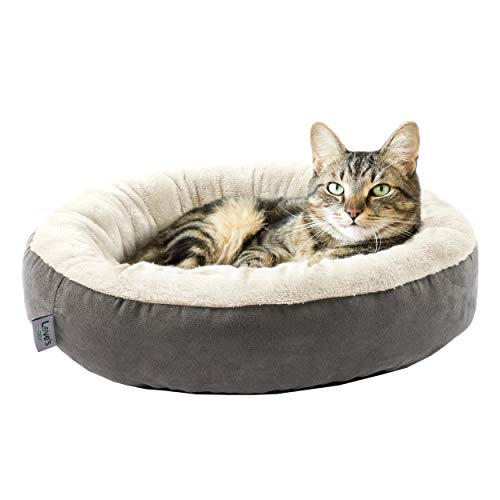
Design Features: Love's cabin dog beds feature nest-like walls, round pet bed offers a safe, warm cozy place for small dog to snooze.In order to better maintain the shape of the donut nest,our interior filling is 25% more than most competition.

LUXURY COMFORT: The donut dog bed design with raised edges dog pillows provides head and neck support, while the round dog beds for small dogs provide ample security for your pet. The dog cat couch can give your small dog its own space and provide a more comfortable and stable sleep with an anti anxiety dog bed

Oprah Daily Award-Winning Comfort:Recognized by Oprah Daily as the perfect donut dog bed for curl-up sleepers, this round calming pet bed is loved for its extra-fluffy faux fur, raised rim for furry heads, and cozy design that blends seamlessly into any home. Petite sizes (XS–M) are fully machine washable for added ease.
Creating a Safe Space for Your Cat
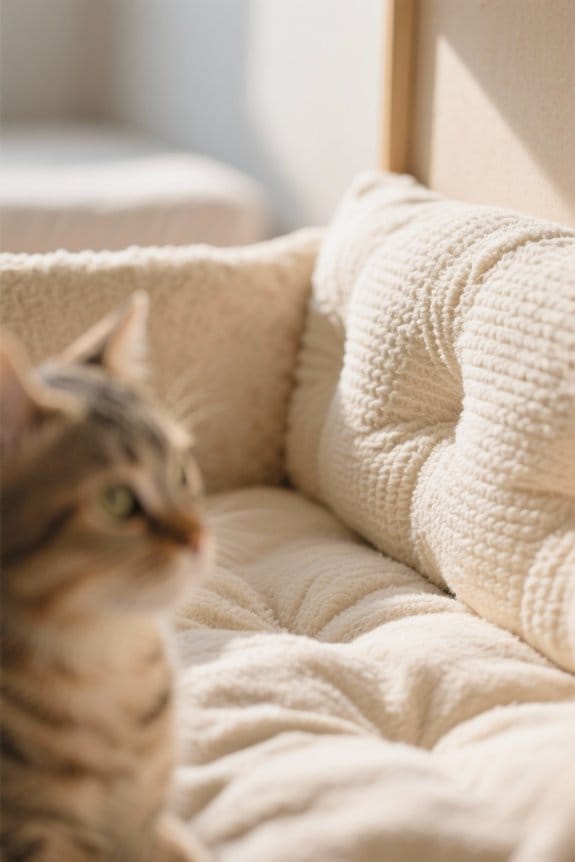
Creating a safe space for our cat, especially after a stressful grooming session, is critical in helping them regain their sense of security and comfort. First, we should designate a quiet area with minimal noise, ensuring a low-stress environment. In this safe space, provide their favorite bed and blankets for comfort, along with familiar toys to engage them. It’s important to keep fresh water, food, and a clean litter box nearby, so our cat feels secure and isn’t trapped in the area. Consider placing a stainless steel water fountain in their safe space, as the quiet operation below 28 dB won’t disturb their recovery while encouraging proper hydration. Allowing our cat the solitude to emerge at their own pace is imperative, as this respects their need for recovery. By maintaining these elements, we greatly contribute to their emotional well-being after the grooming experience.
Recommended Products
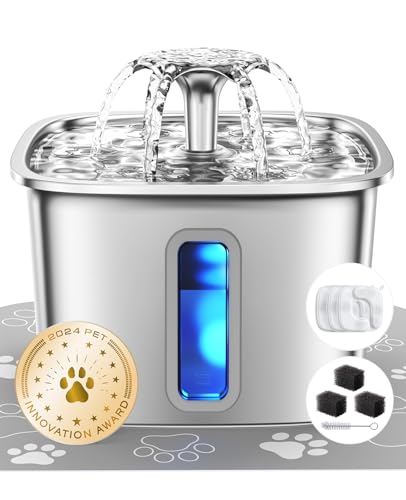
Premium 304 Stainless Steel & Easy Maintenance. Crafted from high-quality 304 stainless steel, this pet fountain offers a durable, premium build. It’s easy to clean — all water-contact parts are top-rack dishwasher safe and completely BPA-free. With a generous 108 oz (3.2 L) capacity, it provides plenty of fresh water while reducing the need for frequent refills.

【GIOTOHUN Is Trustworthy】 "Making the lives of pets and owners smarter" is the philosophy of the GIOTOHUN brand. Our products allow your pet to get enough water while saving you time. If you have to go out, you don't have to worry about your pet being thirstyh.The cat water fountain has 2.2L (74oz), the cat water fountain filled with water can provide your pet with 5-7 days of drinking water.

304 FOOD-GRADE STAINLESS STEEL: Petlipo stainless steel cat water fountain is BPA-free for safety, dishwasher-safe & easy-to-clean, resists rust/corrosion, prevents scratching and chewing, offers superior durability, is 100% recyclable and provides long-term cost-effectiveness. It's your preferred choice for a cat drinking fountain
Monitoring for Prolonged Stress Signs
While it’s normal for cats to exhibit hiding behavior immediately after grooming, we should closely monitor their actions over the next few days for any signs of prolonged stress. If a cat continues to hide for more than 48 hours post-grooming, it may indicate not just stress, but potentially an underlying health issue that requires attention. We must observe changes in their eating habits, like if they completely avoid food or water. Additionally, monitoring energy levels is vital; decreased activity may signal distress. If we notice excessive grooming or other signs of distress, we should consult a veterinarian promptly. Early intervention is important to assess our cat’s well-being and guarantee any issues are addressed effectively.
Recommended Products

Valua Pack – This cat pheromone diffuser set making it easier to provide a calming environment in multiple rooms or for multiple cats.

Valua Pack – This cat pheromone diffuser set making it easier to provide a calming environment in multiple rooms or for multiple cats.

[Cat Pheromone Diffuser]The tcllka cat pheromone diffuser set includes 2 charging plugs and 4 bottles of replacement liquid (48ml each). The cat calming diffuser can keep the cat calm and not attack suddenly. Pheromone diffuser to calm cats is a sedative product for cats, cat diffuser calming can play a role in soothing and relaxing cat nerves, providing comfortable sleep for cats and pets. Cat diffuser calming comes in two packs together in a beautiful box, very easy to use use and storage
Managing Multi-Cat Households After Grooming
In a multi-cat household, managing the dynamics after one cat returns from grooming is essential for maintaining harmony and reducing stress. Initially, we should separate the returning cat from others to mitigate tension and prevent aggressive interactions during the adjustment period. We can facilitate a smoother changeover by employing familiar scent exchanging techniques, such as swapping bedding or toys, to promote familiarity. It’s critical to provide separate resources, including food and litter boxes, for each cat to minimize competition and stress. As we monitor interactions between the returning cat and others, we should look for signs of normal behavior returning, which may take several days. A gradual reintroduction, allowing for comfort, aids in easing the settling process among all cats. If anxiety persists during this transition, consider offering calming treats with probiotics to support both stress relief and digestive health.
Recommended Products

Calming Supplement: Proprietary strain BL999 specifically formulated to help maintain calming cat behavior

Healthy Cat Snacks & Treats: Crunchy, bite-sized cat treats healthy cats love—made with real chicken, sweet potatoes, and catnip. These healthy cat treats support digestion with pre- and probiotics and are ideal as cat treats for indoor cats and gentle kitten treats. Includes one 12 oz bag of Shameless Pets Catnip N Chill treats.
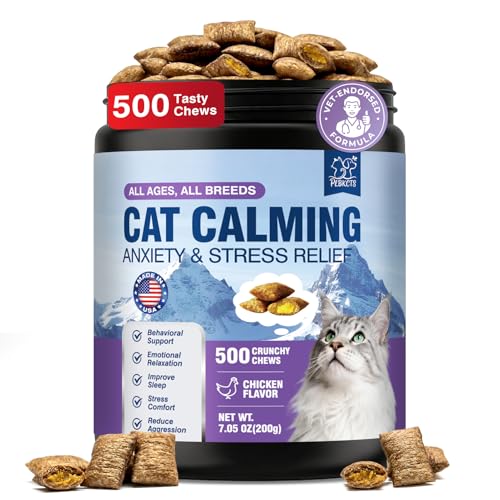
Calming Support for Cats: Calming treats for cats with anxiety help support a relaxed mood during everyday stress like thunderstorms, fireworks, car rides, vet visits, grooming, boarding, or changes at home. The gentle, non-sedating formula helps ease nervousness, tension, and restlessness while keeping cats alert, comfortable, and in control. Great for cats who hide, pace, meow excessively, act skittish, or become overstimulated—making stressful moments easier for both you and your cat
When to Consult a Veterinarian
Recognizing when to consult a veterinarian is essential for ensuring our cat’s health and wellbeing after a grooming session. If we notice our cat hiding under the bed for more than 48 hours or showing signs of pain—like vocalization or reluctance to be touched—it’s critical to act promptly. Complete avoidance of food or water is another alarming sign, potentially indicating a serious health issue that requires immediate veterinary attention. Continued behavioral changes, such as aggression or excessive grooming beyond a few days, should also prompt us to seek advice from a licensed veterinarian. Additionally, if we observe elimination outside the litter box, it could signify distress, necessitating an urgent veterinary consultation to address any underlying problems or persistent stress. Since regular grooming can reduce hair ingestion and contribute to overall digestive health, establishing a consistent grooming routine with professional guidance may help prevent future stress-related hiding behaviors.
Tips for Reducing Grooming Anxiety
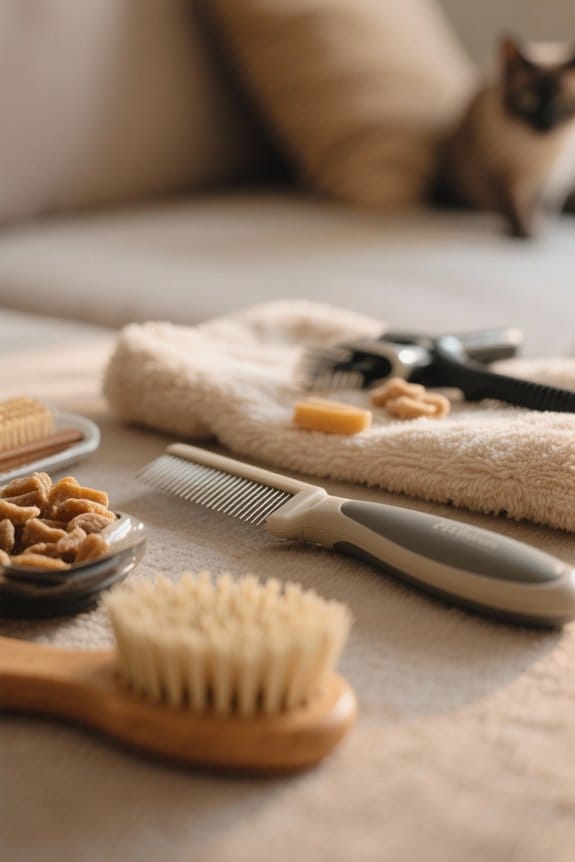
To effectively reduce grooming anxiety in our cats, we should implement a series of structured strategies that promote comfort and familiarity. Gradually introducing grooming tools, such as brushes and combs, will help familiarize our cats, reducing anxiety associated with the process. Conducting short grooming sessions that include positive reinforcement—offering treats or verbal praise—creates favorable associations, mitigating stress. During these sessions, we can use calming techniques like gentle petting and soft, soothing voices to help our cats feel more secure. Additionally, scheduling grooming appointments at quieter times, when our cats are more relaxed, enhances their overall comfort. For cats that remain particularly anxious during traditional grooming, cat bathing wipes offer a stress-free alternative that allows for quick, gentle cleaning without the overwhelming experience of a full bath. Finally, if necessary, we may consider engaging a specialized groomer experienced in working with anxious cats, as they utilize techniques designed to reduce stress effectively.
Recommended Products

Large 8" x 9" Wipes for Complete Cleanup: Extra-large 8 × 9 inch dog wipes provide full coverage for muddy paws, dirty coats, and messy rears. Thick, durable fibers handle tough messes, while the rinse-free formula keeps floors and furniture clean.


CAT GROOMING WIPES: Designed specifically for cats to help clean paws, coat, and face by removing surface dirt, dander, and odors between baths at home or during travel.
The Importance of Patience During Recovery
Patience is essential during a cat’s recovery after grooming, as they often require time to process the stressors encountered during the session. We must provide a quiet, safe environment to help our cats feel secure while they overcome anxiety. This change can take from a few hours to a couple of days. It’s vital to monitor our cat’s behavior during this period, encouraging normal interactions without forcing them to emerge from hiding prematurely. Trust will build if we allow them to come out at their own pace. Additionally, we should guarantee that food, water, and a clean litter box are easily accessible to support their well-being in this recovery phase, facilitating their adjustment back to a routine. During this sensitive time, maintaining a low dust formula litter can help minimize respiratory irritants that might add to your cat’s stress while they recover.
Frequently Asked Questions
Why Is My Cat Acting Weird After Getting Groomed?
We’ve noticed our cat’s odd behavior after grooming; it’s a mix of stress signals and hiding instincts. Understanding those grooming triggers helps us create a safe space, ensuring feline comfort during this post-grooming retreat.
What Is the 3-3-3 Rule for Cats?
The 3-3-3 rule helps us understand cat behavior during environmental changes. It highlights feline anxiety phases: three days of hiding, three weeks of adjusting, and three months revealing their true temperament post grooming and stress triggers.
How to Tell if a Cat Is Over Grooming?
We’ve all seen cats in distress—over grooming signs like bald patches and red skin can reveal feline anxiety causes. By noticing grooming behavior patterns, we can help manage cat anxiety and restore their comfort zones together.
What Are Signs of Stress in a Cat?
We notice stress behaviors like hidden signals in feline body language, anxiety responses through vocalization changes, physical symptoms, altered tail positions, and ear movements, or even unusual grooming reactions. These indicate our cats’ discomfort or stress.