As an Amazon Associate, we earn from qualifying purchases. Some links on this site are affiliate links at no extra cost to you. Our recommendations are based on thorough research and editorial judgment.


How Dental Health Affects Overall Cat Wellness

Dental health markedly impacts overall wellness in cats, as neglect can lead to serious conditions like periodontal disease and tooth resorption. Approximately 75% of cats over age five experience these issues, which allow bacteria from the mouth to enter the bloodstream, harming crucial organs. Regular dental check-ups and professional cleanings, alongside home care routines such as brushing, can prevent plaque buildup. Maintaining dental health not only improves quality of life but also promotes longevity; further insights into prevention and treatment await.
Key Takeaways
- Poor dental health in cats can lead to systemic issues affecting the heart, liver, and kidneys through bacteria entering the bloodstream.
- Approximately 75% of cats over age five have dental disease, which can result in tooth resorption and periodontal disease if neglected.
- Signs of dental problems include bad breath, difficulty eating, and changes in grooming habits, indicating potential discomfort or pain.
- Regular veterinary dental check-ups help detect issues early, reducing the risk of severe dental diseases and promoting overall health.
- Maintaining oral hygiene through brushing and dental-specific diets can significantly enhance a cat’s well-being and prevent dental diseases.
Why Dental Health Matters in Cats
You may be interested



Dental health in cats is essential, as studies indicate that approximately 75% of cats over the age of 5 will experience dental disease, which can greatly impact their overall health and quality of life. Neglecting their oral health can lead to painful conditions like tooth resorption or periodontal disease, where bacteria from the mouth can enter the bloodstream. This can affect important organs such as the heart, liver, and kidneys. Recognizing the signs of oral disease, like persistent bad breath or difficulty in eating, is vital. Regular dental care, including professional cleanings and at-home maintenance, can prevent plaque buildup, keeping our cats’ teeth healthy and preserving their overall health. Using enzymatic toothpastes that contain natural enzymes can effectively break down plaque and tartar while promoting gum health and fresh breath. Active prevention is crucial for maintaining their well-being.
Common Types of Dental Disease in Cats
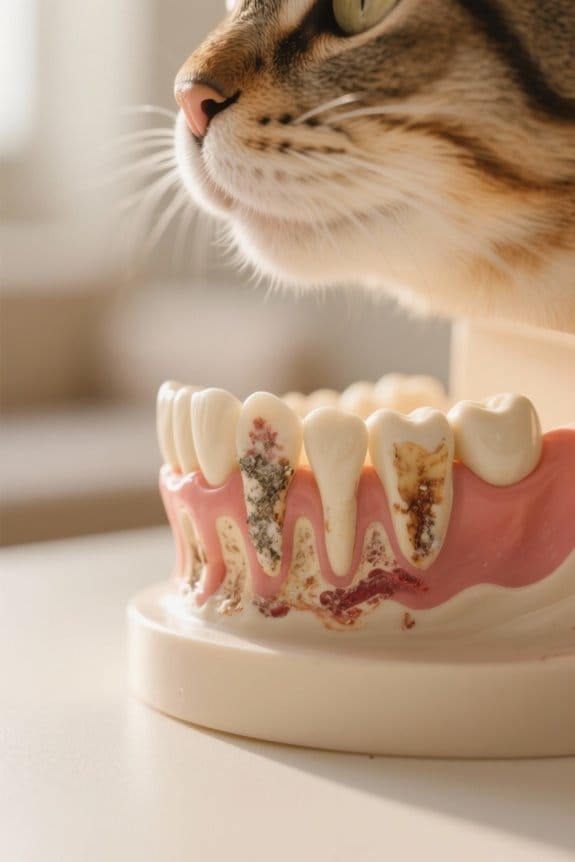
While understanding common dental diseases in cats might seem intimidating, it’s essential for every cat owner to recognize these issues early, as prompt intervention can greatly enhance our pets’ well-being. Periodontal disease is the most prevalent, causing inflamed gums and the risk of tooth loss if neglected. Another significant concern is tooth resorption, affecting about 75% of cats over five years old, where tooth structure gradually breaks down, leading to oral pain. Additionally, stomatitis causes ulcers and widespread mouth pain, severely impacting quality of life. We’ve also seen broken teeth resulting from accidents, which expose nerves and necessitate immediate veterinary care. To combat these problems, regular dental care, including professional cleanings, is crucial to prevent the escalation of dental diseases. Beyond professional treatments, incorporating dental treats with crunchy textures can help reduce tartar buildup and support ongoing oral hygiene between veterinary visits.
Recommended Products

Compare to feline Greenies: Minties cat teeth cleaning treats are an affordable alternative with no wheat, corn, soy or artificial flavors

#1 Veterinarian-Recommended Treat for Cat Dental Care: Feline Greenies Dental Treats for cats are the #1 veterinarian-recommended dental cat snacks that clean teeth and freshen breath

#1 Veterinarian-Recommended Treat for Cat Dental Care: Feline Greenies Dental Treats for cats are the #1 veterinarian-recommended dental cat snacks that clean teeth and freshen breath
Signs of Dental Problems in Cats
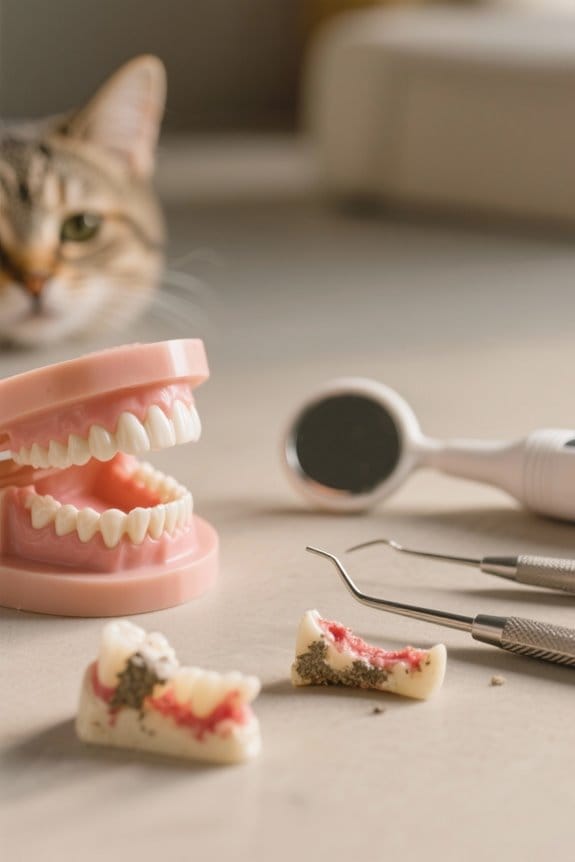
How can we recognize when our cats are suffering from dental problems? We should watch for persistent bad breath, known as halitosis, which often indicates underlying dental disease. Excessive drooling, sometimes containing blood, can signal oral pain. If we notice our cats losing weight or eating slowly and with difficulty, these may suggest advanced dental issues affecting their ability to chew. Alterations in grooming habits, such as decreased grooming or pawing at the mouth, often reflect discomfort linked to dental problems. Finally, we should be vigilant for visible signs like tooth discoloration, loose teeth, and swollen or bleeding gums, as these are critical warnings of periodontal disease that require immediate attention for our cats’ overall health and well-being. It’s important to remember that dental disease is often asymptomatic, affecting 40% of cats, which means many cats suffer silently without showing obvious warning signs until the condition becomes severe.
How Dental Disease Affects Overall Wellness
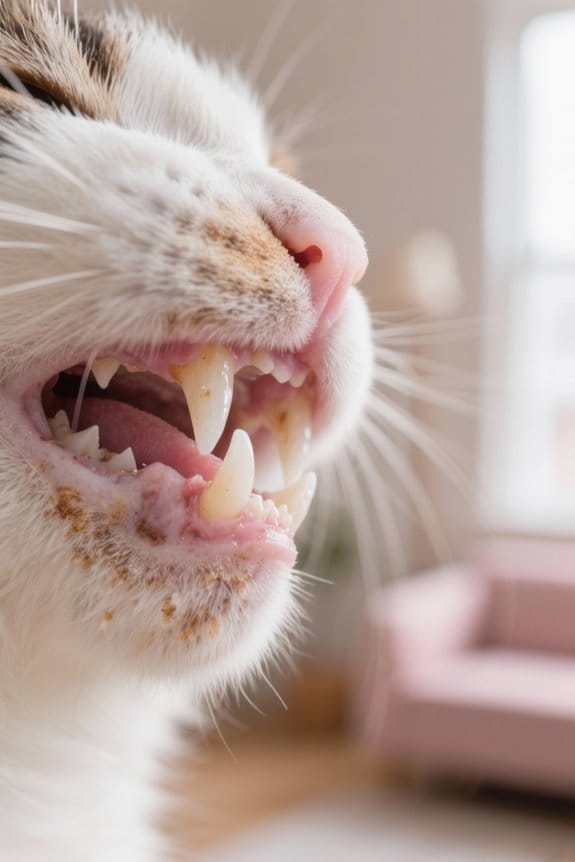
Recognizing the impact of dental disease on our cats’ overall wellness is imperative for maintaining their health. Dental disease in cats can lead to systemic health issues, as bacteria from poor oral health can enter the bloodstream and affect essential organs such as the heart, liver, and kidneys. In addition, oral pain may hinder a cat’s ability to eat, resulting in weight loss and malnutrition. It should be emphasized that approximately 75% of cats over five suffer from tooth resorption, a painful condition that can considerably compromise their overall well-being if untreated. Regular dental exams and professional cleanings are fundamental for preventing periodontal disease, the most common dental issue in cats, helping to guarantee long-term health and improved quality of life. Maintaining a consistent at-home dental care routine, including brushing every 1-2 days with enzymatic toothpaste, can significantly reduce tartar buildup and help prevent these serious health complications.
The Role of Bacteria in Dental Health Complications
Bacteria play a significant role in the development and progression of dental health complications in cats, as the mouth serves as a primary reservoir for these microorganisms. Periodontal disease is the most common dental issue, enabling harmful bacteria to proliferate and potentially enter the bloodstream through diseased gums. This process can affect crucial systems, including the heart, liver, and kidneys, leading to serious health issues. Chronic bacterial infections may cause systemic inflammation, exacerbating existing health conditions and diminishing overall quality of life. Untreated dental disease can result in severe oral pain, discouraging cats from eating and increasing their risk of weight loss and malnutrition. Regular dental cleanings and preventive care effectively reduce bacteria, promoting better oral health and overall wellness. Supporting your cat’s urinary tract functionality with targeted supplements can help maintain kidney health, which may be compromised when bacteria from dental disease enters the bloodstream.
Preventing Dental Disease in Cats
To effectively prevent dental disease in our cats, it’s essential that we implement an extensive oral health care routine from an early age. Beginning around age 1 or 2, regular wellness exams become critical for early detection of dental issues. Professional cleanings, conducted under anesthesia, are recommended to eliminate plaque and tartar buildup that brushing alone may not address. At home, we should establish a routine that includes daily brushing with pet-specific toothpaste, considerably reducing plaque formation while keeping our cats’ gums healthy. Additionally, incorporating dental-friendly diets or dental chews can effectively control plaque and tartar levels. For cats who resist traditional brushing methods, dental water additives offer a convenient no-brushing solution that can be easily added to their daily water bowl to help reduce plaque and tartar while promoting fresher breath. Monitoring our cats’ eating and grooming habits is important, as any changes may indicate potential dental problems requiring prompt veterinary attention to prevent further issues.
Recommended Products

FRESH PET BREATH – Finally say good-bye to dog and cat bad breath with our fast-acting pet bad breath treatment for dogs and cats. It’s the best, quick & easy cat & dog breath freshener.
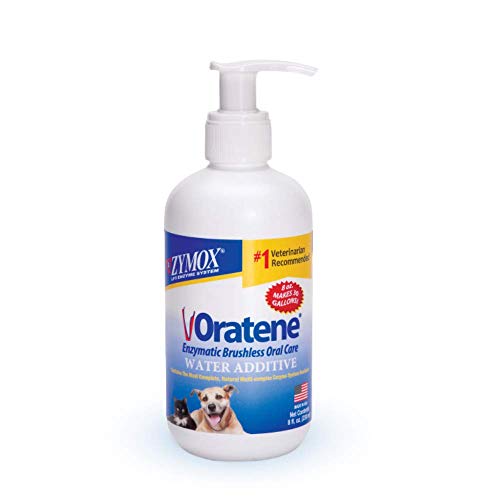
Helps freshen bad breath, clean teeth & remove plaque without brushing; for use in both dogs & cats

HELPS SUPPORT PLAQUE AND TARTAR CONTROL – Help target plaque and odor-causing buildup with our advanced pet dental water additive, featuring our specialized formula that promotes easier daily oral hygiene
Feline Dental Care at Home: Tips for Success
Establishing a thorough dental care routine at home not only helps in preventing dental disease but also contributes to our cat’s overall health and well-being. We should aim to brush our cat’s teeth several times a week, using toothpaste specifically formulated for felines, which effectively removes plaque. Additionally, we can incorporate dental treats designed for cats, as they help maintain oral hygiene by encouraging chewing. Monitoring our cat’s eating and grooming habits is essential; any changes could indicate dental discomfort. It’s also advisable to consult with a veterinary professional to establish a personalized dental care plan tailored to our cat’s needs, including recommendations for appropriate dental products and scheduling regular dental cleanings to enhance long-term oral health. For cats with mobility issues or those recovering from dental procedures, a pet stroller with mesh panels can provide comfortable transportation to veterinary appointments while ensuring proper ventilation and visibility.
Recommended Products

【No Hard Toothbrush】 Our pet teeth wipes are perfect for pets who hate traditional toothbrushes. Unlike sharp and hard dog toothbrushes, these dental cleaning finger wipes making the cleaning process more comfortable and enjoyable for them.

ALL INCLUSIVE CAT DENTAL KIT: Everything you need in one easy to use kit.
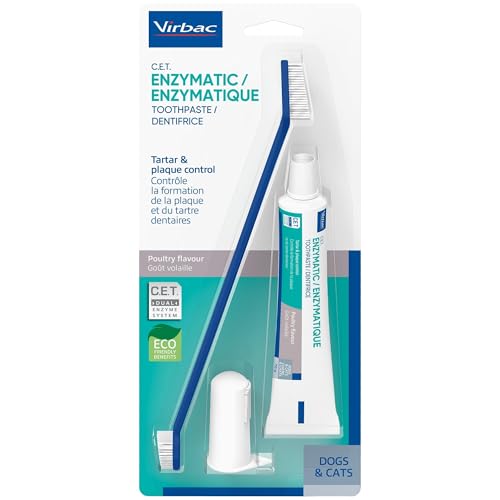
#1 BRAND CHOSEN BY VETERINARIANS: Proven effective and trusted for over 30 years, C.E.T. is the top recommended dental brand by veterinary professionals to reduce plaque & tartar buildup
The Importance of Regular Veterinary Dental Check-ups
While regular dental care at home is essential for maintaining our feline friends’ oral health, it’s equally important not to overlook the critical role of veterinary dental check-ups. These regular veterinary dental check-ups enable early detection of dental diseases that often show signs by age 3. Thorough exams conducted during wellness visits include charting, professional cleaning, and diagnostic dental X-rays, all of which identify hidden issues in our cat’s mouth. Preventive measures during these check-ups help reduce the risk of severe problems such as periodontal disease, which affects nearly 80% of cats by age 3 and can lead to systemic health issues. Additionally, veterinarians offer personalized recommendations for effective dental care and maintenance strategies for long-term oral health. Your veterinarian can also suggest appropriate multivitamin supplements that support immune function and overall wellness as part of a comprehensive health plan.
Dental Treatment Options for Affected Cats
Dental treatment options for affected cats vary based on the severity of the dental disease identified during veterinary examinations. For initial cases, professional cleaning is vital to remove plaque and tartar, often performed under anesthesia to guarantee thorough access. If periodontal disease is diagnosed and the condition is advanced, surgical options, such as tooth extraction, may be required, especially for teeth suffering from resorption, which affects a significant number of older cats. Regular dental check-ups allow us to catch issues early, preventing untreated dental disease from leading to systemic health complications. After dental procedures, it’s important to follow up on healing, which can include dietary changes and ongoing dental hygiene practices to maintain oral health and overall well-being. Post-treatment nutrition should include foods with high moisture content, such as canned cat food, which can be easier for cats to consume while recovering and supports overall hydration during the healing process.
Recommended Products

Hill's Prescription Diet a/d Urgent Care Canned Dog and Cat Food is specially formulated by Hill’s nutritionists and veterinarians to support dogs and cats recovering from surgery, illness or injury

Limited, Whole Ingredients: Reveal Wet Cat Food is a grain-free, truly limited ingredient recipe that focuses on high-quality, whole ingredients your cat will love. This carefully crafted, simple recipe ensures your feline receives pure, delicious flavor in every bite.

Adult cat food that supports complete urinary
The Link Between Nutrition and Dental Health
Nutrition plays a significant role in our cats’ dental health, as an appropriate diet not only supports immune function but also helps minimize the likelihood of plaque accumulation and related periodontal diseases. A healthy diet rich in essential nutrients reduces oral bacteria growth while preventing plaque buildup, which can lead to serious dental issues. Specific dental foods are formulated to promote chewing, effectively aiding in plaque reduction and bolstering overall oral health. Additionally, it’s essential to monitor for obesity since it exacerbates inflammation and weakens immune responses. Regular dental checkups are important, allowing veterinarians to evaluate nutritional impacts on dental health and provide tailored recommendations that help maintain ideal oral hygiene and prevent future issues. Incorporating dental treats with natural ingredients into your cat’s routine can complement their diet by reducing tartar buildup and freshening breath between veterinary visits.
Recommended Products

DentaLife Daily Dental Treats for Cats feature a porous texture to reduce tartar buildup

#1 Veterinarian-Recommended Treat for Cat Dental Care: Feline Greenies Dental Treats for cats are the #1 veterinarian-recommended dental cat snacks that clean teeth and freshen breath

Perfect Cat Dental Treats For Daily Care: Feline Greenies Dental Treats for Adult Cats are crafted to support the 4 areas veterinarians check most: plaque, tartar, gums, & breath; and are made with natural ingredients plus vitamins, minerals & nutrients
Fun Facts About Feline Teeth
Understanding the intricacies of feline teeth is crucial for cat owners who wish to maintain ideal oral health for their pets. Cats have a total of 30 teeth, specifically adapted for their carnivorous diet, enabling them to tear meat efficiently. It’s important to highlight that unlike humans, cats’ teeth continuously grow throughout their lives; consequently, regular dental cleanings are essential to prevent tartar buildup and overgrowth, which can lead to feline dental diseases. The first set of kitten teeth consists of 26 temporary teeth emerging around three weeks of age, replaced by permanent teeth by six months. In addition, approximately 75% of cats over five years old may experience periodontal disease, emphasizing the significance of consistent oral care and veterinary check-ups for a good pet’s oral health.
Frequently Asked Questions
How Important Is Dental Health for Cats?
We can’t underestimate cat dental care’s importance; it helps prevent plaque and gum disease symptoms. Regular dental check-ups, using feline toothpaste, and effective teeth cleaning techniques are essential for our cats’ overall health and wellbeing.
Does Dental Health Impact Overall Health?
Absolutely, dental health’s just a fun little side note, right? Poor oral hygiene and gum disease can lead to tooth decay, affecting our cats’ overall health. Regular check-ups and good feeding practices guarantee they thrive.
How Does Dental Disease Affect Cats?
Dental disease affects cats by causing symptoms like bad breath and difficulty eating. We see plaque buildup effects lead to gingivitis signs, necessitating tooth extraction recovery. Implementing prevention strategies and routine dental checks is essential for their health.
What Is the 333 Rule for Brushing Teeth?
Brushing our cats’ teeth’s like nurturing a garden; with the 333 rule, we embrace dental frequency through proper brushing techniques. Following vet recommendations and using suitable dental products strengthens our bond while ensuring our furry companions thrive.