As an Amazon Associate, we earn from qualifying purchases. Some links on this site are affiliate links at no extra cost to you. Our recommendations are based on thorough research and editorial judgment.


How to Recognize Signs of Dental Disease in Cats

To recognize signs of dental disease in cats, we should monitor for excessive drooling, particularly if it’s blood-tinged, as well as changes in appetite, such as reluctance to eat hard food. Additionally, noticeable bad breath indicates potential dental issues, and pawing at the mouth often suggests discomfort. If we observe visible signs like broken or loose teeth, immediate veterinary consultation is necessary. By noting these symptoms, we can better guarantee our feline companions receive the care they need. Further insights await.
Key Takeaways
- Look for excessive drooling, potentially blood-tinged, indicating oral health issues.
- Monitor changes in eating habits, such as decreased appetite or preference for softer foods.
- Notice bad breath (halitosis), which is a common symptom of dental disease.
- Check for visible signs like broken or loose teeth and swelling in the mouth or face.
- Observe behaviors like pawing at the mouth, signaling possible dental discomfort.
Understanding the Importance of Dental Health in Cats
You may be interested


10 Best Cat Dental Care Products to Keep Your Feline's Smile Bright
December 19, 2025
Understanding the importance of dental health in cats is crucial, especially since statistics reveal that over 50% of felines older than three years exhibit some form of dental disease. Regular veterinary check-ups and routine dental examinations are fundamental for maintaining oral health, as many cats don’t show detectable signs of dental disease until it’s severe. Untreated dental issues can progress to gingivitis or more significant complications, resulting in plaque buildup that not only impacts the mouth but can also lead to systemic diseases. Prioritizing timely dental care can enhance a cat’s quality of life; many felines display noticeable behavioral improvements after treatment. Monitoring oral health closely guarantees we catch potential problems early, allowing for more effective interventions and promoting overall wellness in our pets. Implementing proactive dental care routines at home, such as regular brushing with enzymatic toothpaste, can significantly reduce plaque and tartar accumulation between veterinary visits.
Common Symptoms of Dental Disease

Dental disease in cats manifests through a variety of symptoms that we should monitor closely. Common symptoms include excessive drooling, which may be blood-tinged, indicating potential oral issues that need attention. We should also note any changes in eating habits, such as a decreased appetite or a preference for softer foods, as these can signal dental pain. Bad breath, or halitosis, is another indicator of underlying dental disease, as healthy cats typically have fresh breath. Additionally, keep an eye out for visible signs like broken or loose teeth, as well as swelling in the mouth or face. Pawing at the mouth can also suggest dental discomfort and should prompt further investigation into possible dental pain. Regular brushing with appropriate tools can help prevent tartar buildup and reduce the risk of developing these serious dental issues.
Recommended Products

ALL INCLUSIVE CAT DENTAL KIT: Everything you need in one easy to use kit.

Purrfect Dental Care:Give your feline friend or small pup the purrfect smile with our innovative dual-pack toothbrush designed just for cats and small dogs. Brushing teeth can be a challenging task, but our ultra-soft bristles and ergonomic handle make it a breeze. This versatile 2-pack can also be used to help clear up cat acne

Gentle & Natural Formula: Made with mild, pet-safe ingredients and natural enzymes (Protease & Lipase) that gently break down plaque and tartar. This toothpaste keeps your cat’s teeth clean and gums comfortable—safe even if licked or swallowed
Decreased Interest in Eating

When a cat shows a decreased interest in eating, it often serves as a critical indicator of underlying dental issues that we must address promptly. This reluctance to eat can stem from discomfort, especially when consuming hard or crunchy foods. We should closely monitor any changes in our cat’s eating habits, such as favoring softer foods, as these can signal developing dental disease. A significant reduction in appetite may lead to weight loss, which can be concerning. Additionally, signs of pain, like pawing at the mouth or chewing on one side, require veterinary attention. Tracking the duration and quantity of their food intake is essential for maintaining ideal oral health and identifying advanced dental issues that necessitate careful evaluation. Just as dental problems can affect eating, other conditions like skin infections may also cause cats to exhibit discomfort that impacts their overall well-being and behavior.
Changes in Eating Behavior

Changes in eating behavior can provide valuable insights into a cat’s oral health, particularly concerning dental disease. When a cat experiences dental pain, they may show a reluctance to eat hard or crunchy foods and might prefer softer options due to discomfort. Observing if your cat chews primarily on one side of their mouth, drops food while eating, or demonstrates a significant slowing in their eating pace can signal underlying dental issues like gingivitis or tooth resorption. Additionally, weight loss could result from insufficient food intake linked to this discomfort. Consequently, it’s essential for us to monitor any changes in our cat’s eating patterns closely, as these alterations may necessitate veterinary attention to prevent further health complications. To help maintain your cat’s interest in eating and reduce stress during recovery, consider rotating their toys and enrichment items, as regular rotation of toys can help prevent boredom and keep them mentally engaged.
Excessive Drooling

Excessive drooling in cats can often serve as an important indicator of underlying dental problems that may require immediate attention. An increase in drooling may suggest dental pain, often resulting from difficulty closing the mouth due to discomfort. When we observe excessive drooling, especially alongside other signs of mouth pain, such as reluctance to eat or pawing at the mouth, it’s vital to monitor your cat closely. This behavior may point to serious oral health issues, including advanced dental disease or visible dental disease. If we notice these symptoms, professional intervention is essential to assess and address potential underlying dental issues. Timely evaluations can prevent more severe complications and help maintain our cat’s overall well-being. In addition to dental care, supporting your cat’s overall health and wellbeing through proper nutrition and veterinarian-recommended supplements can help strengthen their immune system and potentially reduce the risk of dental complications.
Visible Signs of Dental Problems
Visible signs of dental problems in cats can often indicate serious health issues that need our immediate attention. We should look for broken teeth or loose, discolored teeth, as these may signal significant underlying conditions requiring veterinary evaluation. Swelling in the face can also indicate advanced dental disease, necessitating prompt assessment. Halitosis, or bad breath, often accompanies these issues and may point to oral infections. Additionally, we must pay close attention to any bleeding gums, which can suggest periodontal disease that requires urgent treatment. Changes in eating behavior, such as reluctance to eat or a preference for softer foods, may reflect dental pain or discomfort, thereby alerting us to potential visible dental problems in our feline companions. Regular use of enzymatic toothpastes can help prevent plaque and tartar buildup, reducing the risk of these visible dental problems from developing in the first place.
The Role of Regular Veterinary Check-ups
Regular veterinary check-ups play a critical role in maintaining our cats’ dental health, especially since more than 50% of cats over the age of three exhibit some form of dental disease without showing any noticeable signs. These check-ups often include thorough oral examinations, allowing us to identify hidden dental issues that can lead to more severe problems if left untreated. During veterinary visits, we may conduct dental x-rays to assess dental health and uncover underlying issues that aren’t visible during a simple examination. Professional dental cleaning during yearly physical examinations not only helps maintain dental health but also enables the creation of tailored treatment plans for our cats, ensuring we address any dental issues effectively and promptly. Just as maintaining a clean environment is essential for overall feline health, selecting low dust formulations in products like litter can help reduce respiratory irritants and create a healthier living atmosphere for cats with dental sensitivities or compromised immune systems.
Recommended Products

99.9% Dust-Free Cat Litter Formula – Keep your home and the air clean with virtually no dust during scooping and minimal litter tracking

PREMIUM QUALITY: A combination of premium texture and granule size made with 100% bentonite clay for maximum clumping creates litter particles that are just the right size.

FRESH STEP CLUMPING CAT LITTER: Amazon exclusive, two 18.5-lb. boxes of Fresh Step Advanced Simply Unscented Clumping Litter to keep litter boxes smelling fresh without the use of fragrances and dyes
Prevention Strategies for Dental Health
Preventing dental disease in cats requires a multifaceted approach that combines daily care practices with professional interventions. We should engage in daily brushing using cat-specific toothpaste and toothbrushes to effectively combat plaque buildup and tartar formation. Including dental treats and specialized kibble in our cats’ diets can mechanically support tartar reduction, promoting overall dental health. When selecting dental treats, ensure they don’t exceed 10% of your cat’s daily caloric intake to maintain balanced nutrition while supporting oral health. Additionally, utilizing water additives designed for dental health can further decrease plaque accumulation and freshen breath. Regular veterinary check-ups, coupled with professional cleanings, allow for early identification of potential dental issues while providing personalized recommendations for home oral care. For reliable products that enhance dental hygiene, we can refer to the Veterinary Oral Health Council (VOHC) website, ensuring we’re using approved strategies for maintaining our cats’ dental well-being.
Recommended Products

FRESH PET BREATH – Finally say good-bye to dog and cat bad breath with our fast-acting pet bad breath treatment for dogs and cats. It’s the best, quick & easy cat & dog breath freshener.

Guaranteed 100% Natural: Our silvervine sticks are made from 100% natural silvervine sticks, raffia, sisal rope and gall fruit (fruit of silvervine). Please rest assured when giving it to cats because they are absolutely safe for cats to chew and bite

CLEANS TEETH & GUMS: Keep your pet's teeth and gums clean and healthy with these cat and dog dental wipes, these wipes are great for keeping your pet's mouth clean and fresh, promote good oral hygiene and help prevent tartar and plaque build up.
When to Seek Veterinary Care
How can we be certain when it’s time to seek veterinary care for our cat’s dental health? If we observe signs like pawing at their mouth, shaking their head, or experiencing discomfort while eating, these symptoms could indicate dental disease. Additionally, halitosis, changes in eating habits, or excessive drooling should prompt us to consult a veterinarian, as they may signify gingivitis or tooth loss. Visible signs, such as broken, discolored, or loose teeth, along with swelling in the mouth or face, warrant immediate veterinary evaluation. Regular check-ups are crucial; for cats over three years old, we should seek professional dental evaluations at least once a year to guarantee ideal oral hygiene and prevent substantial health issues. Between veterinary visits, maintaining a consistent at-home dental care routine with enzymatic toothpaste can help reduce tartar buildup and prevent the progression of oral diseases.
Recommended Products

FOR DOGS AND CATS: Enzymatic toothpaste specifically formulated using an enzyme system for dogs and cats to reduce plaque, freshen breath, and ensure a clean mouth. Poultry flavor pets love
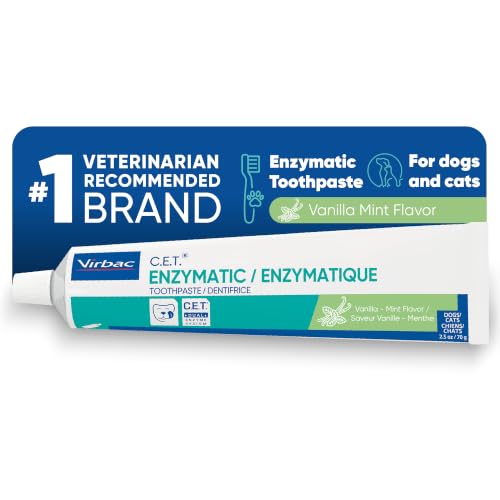
VET RECOMMENDED: C.E.T. is the #1 Recommended dental brand by Veterinary professionals and our pet toothpaste is made in the USA with globally sourced ingredients.

Delicious Enzymatic Toothpaste: Enzadent Enzymatic Toothpaste is a poultry-flavored paste that dogs and cats enjoy, making daily teeth brushing teeth easier and less stressful
Frequently Asked Questions
Recommended Products

Compare to feline Greenies: Minties cat teeth cleaning treats are an affordable alternative with no wheat, corn, soy or artificial flavors

DentaLife Daily Dental Treats for Cats feature a porous texture to reduce tartar buildup

#1 Veterinarian-Recommended Treat for Cat Dental Care: Feline Greenies Dental Treats for cats are the #1 veterinarian-recommended dental cat snacks that clean teeth and freshen breath
How Do I Tell if My Cat Has a Dental Problem?
To tell if our cat has a dental problem, we should watch for foul breath, gum swelling, tooth discoloration, excessive saliva, changes in eating habits, weight loss, and any behavioral changes. Veterinary visits are essential.
How Do Cats Act When They Have a Bad Tooth?
Did you know nearly 70% of cats show signs of dental issues by three years old? We may notice our cat displaying tooth pain with excessive drooling, difficulty eating, bad breath, or changes in behavior like reluctance to play.
At What Age Do Cats Typically Start Showing Signs of Dental Disease?
Most cats start showing signs of dental disease by age 3. We should focus on dental hygiene, recognizing common symptoms, ensuring preventative care, and considering diet impact, breed predisposition, and age factors for healthier lives.
What Is Stage 1 Dental Disease in Cats?
When we say “the cat’s out of the bag,” it’s Stage 1 dental disease, marked by gum inflammation, plaque buildup, and bad breath. We should monitor our cat’s eating habits and prioritize regular vet check-ups for effective treatment.