As an Amazon Associate, we earn from qualifying purchases. Some links on this site are affiliate links at no extra cost to you. Our recommendations are based on thorough research and editorial judgment.
The Environmental Impact of Different Cat Litter Types Explained

The environmental impact of different cat litter types involves significant considerations. Traditional clay litters, primarily sodium bentonite, require mining that leads to habitat destruction, and these materials are non-biodegradable, lasting centuries in landfills. In contrast, biodegradable options, such as those made from corn and wheat, decompose naturally, reducing landfill waste. Additionally, low-dust formulations promote respiratory health. Adopting sustainable litters can foster environmentally responsible lifestyles, and there are benefits we can further explore closely regarding proper disposal and alternatives.
Key Takeaways
- Traditional cat litters made from sodium bentonite clay involve harmful mining processes and are non-biodegradable, contributing significantly to landfill waste.
- Sustainable cat litters, made from materials like corn or reclaimed wood, are biodegradable and compostable, minimizing landfill impact and promoting eco-friendliness.
- Low-dust litters, like tofu-based options, reduce respiratory risks for both cats and humans while offering effective odor control and compostability.
- Mixed cat litters combine the clumping efficiency of clay with biodegradable components, providing odor control and promoting eco-friendly disposal practices.
- Innovations in sustainable production, like renewable energy use and biodegradable packaging, further lower the environmental footprint of cat litter products.
Understanding the Environmental Impact of Cat Litter
You may be interested

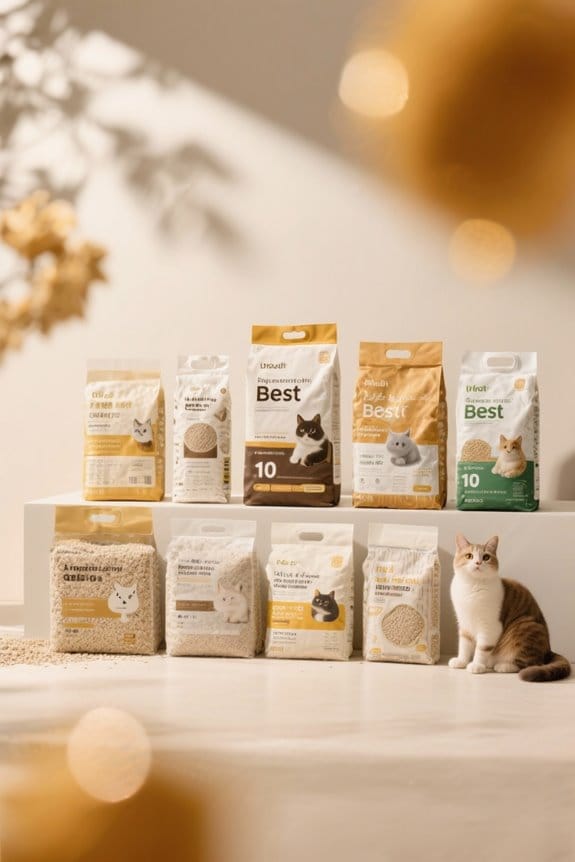
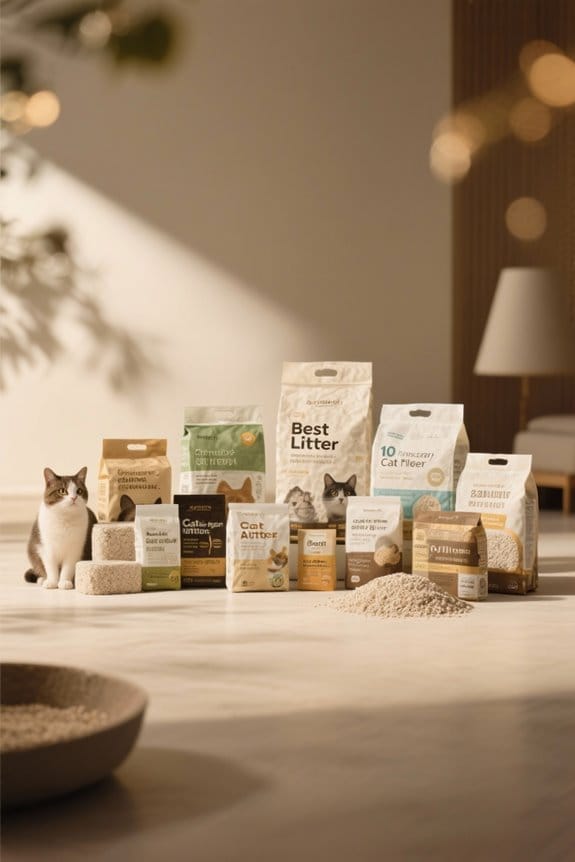
Understanding the environmental impact of cat litter is vital, especially as we face ongoing ecological challenges. Traditional clay litters, primarily made from sodium bentonite, contribute to habitat destruction and considerable ecological disruption. Instead of relying on these materials, we can explore sustainable cat litter options. Biodegradable options, such as those made from alternatives like corn and wheat, offer eco-friendly litter choices that decompose naturally in landfills, reducing waste. In addition, composting plant-based litter can profoundly minimize the environmental impact of cat litter, allowing for responsible disposal. By adopting these practices, we collectively improve our waste management systems while protecting ecosystems. Many biodegradable litters are made from renewable or recycled materials that significantly reduce the carbon footprint associated with pet waste management. As conscious consumers, it’s important to choose litters that not only serve our pets’ needs but also align with an environmentally responsible lifestyle.
The Dangers of Conventional Clay Litter
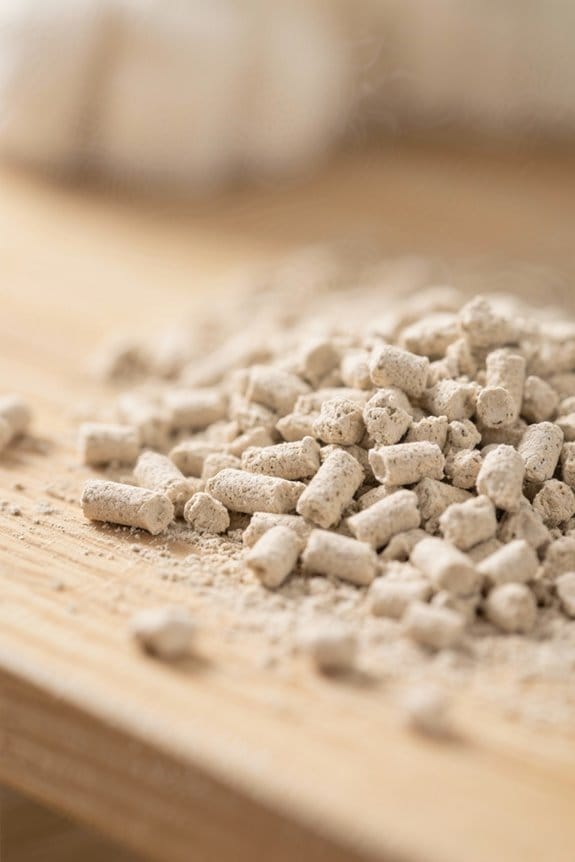
While many pet owners may appreciate the convenience of conventional clay litter, the environmental and health risks associated with its use warrant careful consideration. Conventional litters, primarily made from clay known as sodium bentonite, undergo a mining process that causes habitat destruction and substantial ecological consequences. The extraction often results in the removal of topsoil, leading to erosion that disrupts local ecosystems, particularly in sensitive areas like sagebrush grasslands. In addition, this litter is non-biodegradable, accumulating in landfills where it can persist for centuries. Additionally, conventional clay litter releases silica dust, which can irritate the respiratory systems of both cats and humans, posing significant health hazards. In contrast, alternatives like recycled paper litter offer a more sustainable option that is both biodegradable and compostable while remaining highly absorbent. Therefore, understanding these risks is essential for making informed choices about cat litter alternatives.
Recommended Products

Fresh News Recycled Paper Original Pellet Cat Litter, 25 Pound, Non-Clumping, Unscented, Made in USA
Cat Litter: No more lingering pet smell; Fresh News Recycled Paper Litter is non clumping, has almost three times more absorbent strength than clay, and our soft & dust free pellets retain their form when wet

Fresh News Recycled Paper Original Pellet Cat Litter, 12 Pound, Non-Clumping, Unscented, Made in USA
Cat Litter: No more lingering pet smell; Fresh News Recycled Paper Litter is non clumping, has almost three times more absorbent strength than clay, and our soft & dust free pellets retain their form when wet

Exploring Low-Dust Tofu Cat Litter

As we consider the implications of our choices in cat litter, low-dust tofu cat litter emerges as a viable alternative that addresses many of the environmental concerns associated with conventional clay litters. Made from biodegradable soybean fiber and corn starch, this option is sustainable and compostable, greatly reducing landfill waste and promoting eco-friendly disposal practices. Its low-dust production minimizes airborne particles, which is essential for protecting respiratory health for both cats and humans, especially those with allergies. Highly absorbent, tofu litter provides superior odor control that meets or can even exceed the performance of traditional clumping clay litters, while its manufacturing process contributes to a lower overall carbon footprint, making it an ideal choice for conscientious pet owners. Many tofu cat litters feature quick clumping action that forms solid clumps within 2-3 seconds, making waste removal efficient and helping to maintain a cleaner litter box environment.
Benefits of Mixed Cat Litter
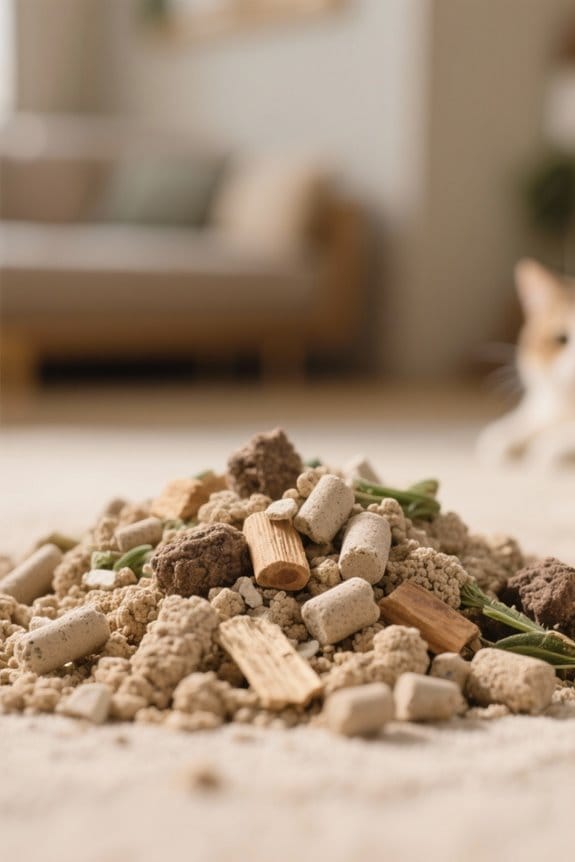
Mixed cat litter, which artfully blends the clumping efficiency of bentonite clay with the eco-friendly properties of biodegradable tofu, offers numerous advantages for cat owners seeking both performance and sustainability. It excels in odor control due to the absorbent qualities of bentonite, considerably reducing environmental impact by lessening reliance on non-renewable resources. Additionally, the low-dust formulation promotes respiratory health, minimizing irritants for both our cats and ourselves. Moreover, its biodegradable components can easily compost, supporting environmentally friendly waste disposal practices. By catering to various cat preferences, mixed cat litter combines desirable texture and clumping capability, encouraging better litter box habits and enhancing overall hygiene. Similarly, sustainably sourced wood fiber litters provide effective natural odor control while maintaining biodegradability and reducing tracking around the litter area. This versatile approach embodies sustainable alternatives in the quest for responsible pet care.
Recommended Products

PREMIUM QUALITY: A combination of premium texture and granule size made with 100% bentonite clay for maximum clumping creates litter particles that are just the right size.

MADE FROM GRASS: Clumping at litter made from all natural 100% grass seed grown in the USA, SmartCat is both biodegradable and renewable 99% dust free cat litter.

For Cat and Kitty Litter Box - Naturally Fresh Cat Litter is made from all-natural walnut shells, and this eco-conscious litter neutralizes odors better than clay, pine, corn, and wheat litters.
Eco-Friendly Production Practices for Cat Litter
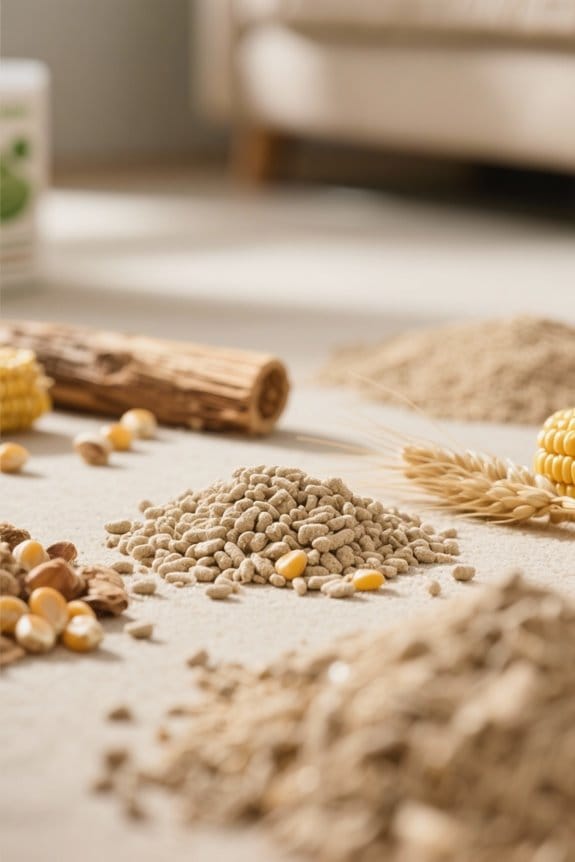
To achieve eco-friendly production practices for cat litter, manufacturers must integrate sustainable materials and renewable energy sources during the manufacturing process. Using materials like soybean fiber or recycled paper, we can minimize reliance on non-renewable resources while decreasing habitat destruction. Incorporating waste reduction strategies, such as refining production processes, enables us to limit excess materials, thereby enhancing the sustainability of cat litter products. Additionally, many eco-conscious brands prioritize environmentally friendly packaging options, often utilizing biodegradable or recyclable materials to further reduce overall waste. The adoption of original design manufacturing (ODM) services also allows for customized solutions that meet specific environmental standards, addressing the heightened consumer demand for environmentally friendly products, ultimately leading to a reduced carbon footprint in the production of cat litter. Leading natural cat litter brands are produced in facilities utilizing renewable energy sources, further reducing their environmental impact compared to conventional clay litter production methods.
Alternative Cat Litter Options
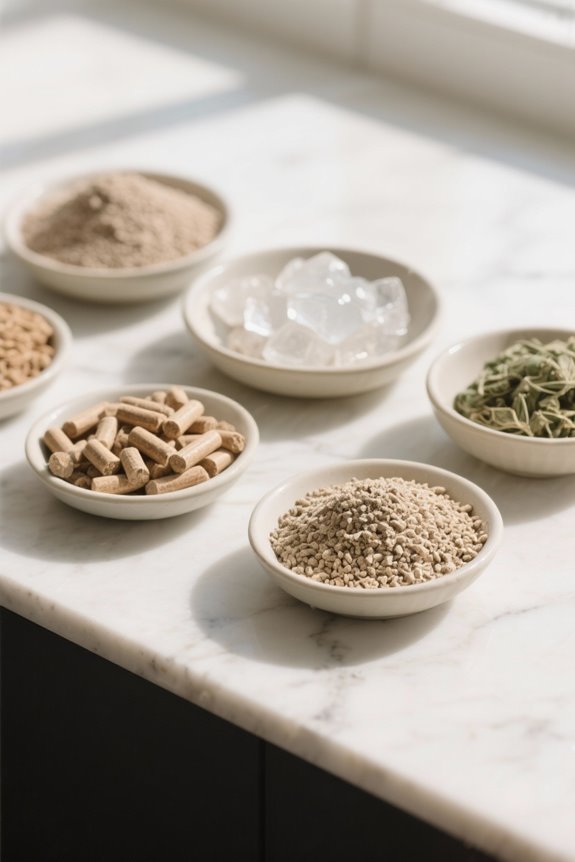
What alternative cat litter options are available that effectively balance sustainability and functionality? We can choose from various biodegradable cat litter options, such as plant-based litters made from corn, wheat, and pine, which decompose naturally and substantially reduce landfill waste compared to traditional clay litters. Recycled paper litters are dust-free and lightweight, making them ideal for cats with respiratory issues while providing an environmentally friendly disposal option. Additionally, wood-based litters, especially those from pine, possess natural enzymes that neutralize odors and are often more sustainable due to the rapid renewability of trees. Combining materials, mixed cat litters offer clumping abilities alongside eco-friendly components, ensuring an ideal balance of performance and sustainability while minimizing environmental impact. Corn-based litters with bio-enzymatic properties actively break down odors while offering superior absorption capabilities compared to traditional clay alternatives.
Recommended Products

sWheat Scoop Natural Wheat Multi-Cat Litter: Super absorbent, natural wheat litter designed for multi-cat and multi-litter box households

EXCEPTIONAL CLUMPING: Because our litter is made exclusively from corn and cassava, it’s naturally rich in starches. This results in dry, fast-forming, and firm clumps that you can trust to stay together while scooping and cleaning your litter box
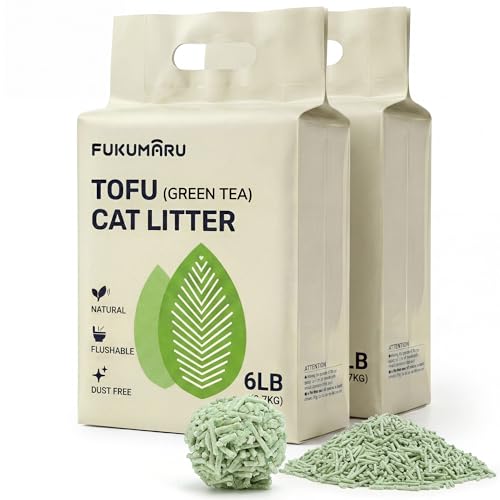
Fresh Green Tea Fragrance – Infused with a light green tea scent, this tofu litter creates a refreshing litter box experience without overpowering fragrances, helping maintain a comfortable home atmosphere.
Health and Environmental Considerations
As we explore the health and environmental considerations of cat litter types, it becomes apparent that the choice of litter can greatly affect both our feline companions and the living spaces we share with them. Conventional clay litters often pose health risks, particularly through silica dust, which may cause respiratory irritation for both cats and humans. In contrast, low-dust tofu litters considerably reduce airborne particulate matter, promoting better air quality indoors. Shifting to biodegradable litter options, such as those made from corn or wheat, helps mitigate long-term waste and supports a sustainable choice. Additionally, these eco-friendly options often provide effective odor control using natural materials, thereby fostering a healthier environment without harmful chemicals associated with conventional litters. Natural materials like walnut shells and reclaimed wood offer renewable alternatives that are both biodegradable and effective at neutralizing odors without synthetic additives.
Proper Disposal Methods for Cat Litter
While selecting the appropriate cat litter can enhance our pets’ wellbeing, understanding the proper disposal methods is essential to minimize environmental impact and prevent health risks. First, we should avoid flushing plant-based litters, as they can introduce harmful bacteria into municipal water systems and cause blockages. Instead of using plastic bags, which contribute to landfill waste, let’s opt for certified biodegradable bags. Composting biodegradable cat litter in designated pet waste compost bins can effectively reduce landfill strain, but we must refrain from using this compost on edible plants due to potential contamination. Many recycled paper cat litters offer biodegradable options that can be composted responsibly, providing an eco-friendly alternative to traditional clay-based products. Finally, we should check with local municipal composting programs to see if they accept pet waste, thereby ensuring our disposal methods align with city guidelines and promote sustainability.
Recommended Products

DOG POOP BAGS: Our durable poop bags are a dog-walking essential. They are extremely portable and pair perfectly with the Earth Rated Poop Bag Dispenser for easy access while on the go.
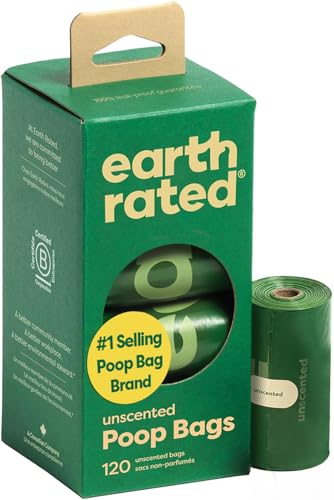
DOG POOP BAGS: Our durable poop bags are a dog-walking essential. They are extremely portable and pair perfectly with the Earth Rated Poop Bag Dispenser for easy access while on the go.
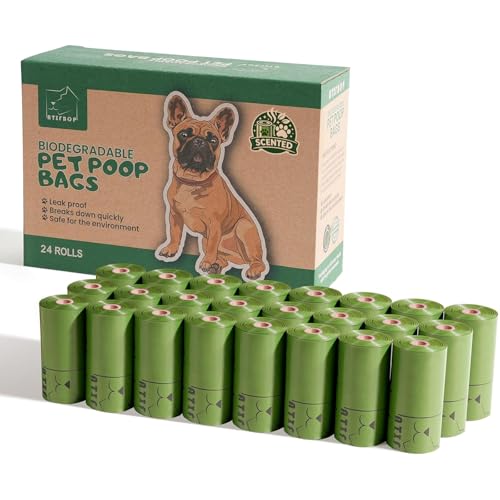
BIODEGRADABLE POOP BAGS: Take your part in saving the planet by using ATIFBOP dog poop bag! Our poop bags are BPA free. Packaging and roll cores are recyclable. The dog poop bag rolls will naturally break down to protect the planet where your fur friends lives.
The Future of Sustainable Cat Litter Solutions
Emerging innovations in the cat litter industry suggest a marked shift towards sustainable solutions that greatly lessen environmental burdens. Manufacturers are now developing eco-friendly, plant-based litters from renewable sources like corn and wheat, which greatly reduce the ecological footprint associated with conventional clay products. Further innovation includes biodegradable packaging that minimizes waste and enhances overall sustainability. Additionally, microbial treatments are being integrated into these litters, speeding up waste breakdown and promoting both health and environmental safety. As consumer demand for sustainable materials grows, companies improve odor control and absorbency, ensuring these biodegradable options compete effectively. Pine-based litters made from reclaimed lumber shavings represent another sustainable alternative that effectively controls odors while reducing reliance on traditional clay mining. Continued research into alternative materials promises even more efficient solutions, ultimately reducing landfill waste and addressing the environmental impact of litter production and disposal.
Frequently Asked Questions
What Type of Cat Litter Is Best for the Environment?
When it comes to cat litter, we find biodegradable options like tofu and pine are truly a refreshing change. They excel in odor control, rely on recycled materials, and promote sustainability practices—making them environmentally friendly.
What Are the Environmental Impacts of Cat Litter?
The environmental impacts of cat litter include plastic pollution, habitat destruction from clay extraction, and high carbon pawprints. By choosing biodegradable litter and sustainable sourcing, we can improve waste management and minimize our ecological footprint.
What Is the Difference Between the Different Types of Cat Litter?
When comparing cat litter types, we find clay litter offers absorbency, while biodegradable options like corn, wheat, and recycled paper are eco-friendly. Crystal litter and pine pellets also present unique benefits in pet care sustainability.
What Is the Healthiest Type of Litter for Cats?
When it comes to our cats’ health, natural alternatives and biodegradable options stand out. They minimize dust levels and allergens while ensuring absorbency efficiency and clumping capability, aligning with safety standards and our furry friends’ scent preferences.