As an Amazon Associate, we earn from qualifying purchases. Some links on this site are affiliate links at no extra cost to you. Our recommendations are based on thorough research and editorial judgment.
How Different Litter Materials Absorb Moisture: A Comparison

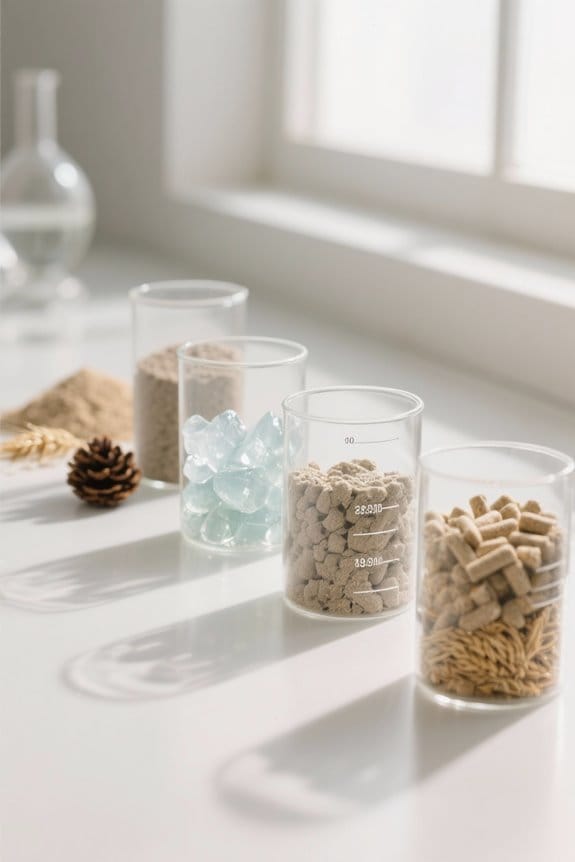
When considering how different litter materials absorb moisture, we find significant variation in absorption rates. For instance, bentonite clay absorbs 0.5 to 1.0 grams of water per gram, while corn-based litter can absorb up to 1.6 grams per gram. Plant-based litters, like those made from paper or tofu, demonstrate higher absorption rates of 1.5 to 2.0 grams per gram. Understanding these metrics is essential for selecting the most effective litter for your needs. Further insights on these materials await.
Key Takeaways
- Bentonite clay absorbs 0.5 to 1.0 grams of water per gram, making it moderately effective for moisture control.
- Corn litter is highly absorbent, with a capacity of up to 1.6 grams of moisture per gram.
- Pine pellets can absorb moisture at a rate of 1.8 grams per gram but do not clump.
- Paper pellets have an absorption rate of up to 2.0 grams per gram, though they offer limited clumping abilities.
- Non-clumping silica gel absorbs only 0.3 to 0.4 grams of water per gram, requiring constant stirring for effective management.
Understanding Moisture Absorption in Litter Materials
You may be interested


When we explore moisture absorption in litter materials, it’s essential to understand how factors like porosity and specific surface area contribute to their performance. Materials with higher porosity typically absorb moisture more effectively, which is key for clumping litters. For instance, bentonite clay can absorb between 0.5 to 1.0 grams of water per gram, while plant-based litters like corn can absorb 1.5 to 2.0 grams per gram. Tofu litter, a notable plant-based option, is highly absorbent due to its natural formulation. Non-clumping varieties, such as silica gel, absorb 0.3 to 0.4 grams of water per gram but lack clumping ability. Walnut shell litter is another highly absorbent natural material that neutralizes odors better than clay while providing superior moisture absorption capabilities. Consequently, understanding these absorption properties helps us make informed choices for ideal litter performance.
Comparative Analysis of Various Litter Types
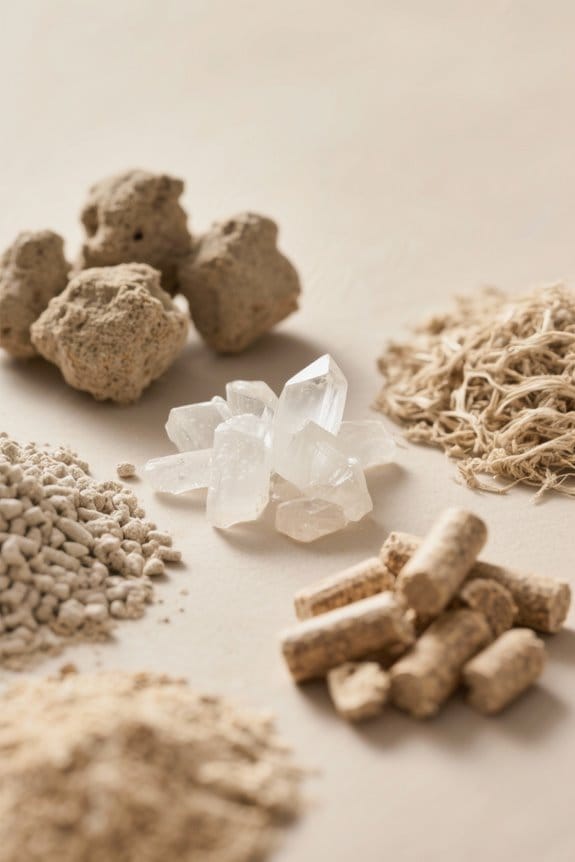
Analyzing various litter types reveals significant differences in their absorption capabilities and overall performance, which are essential for effective pet care. Bentonite clay litter excels in moisture absorption, achieving rates between 0.5 to 1.0 grams of water per gram, while offering clumping and moderate odor control, albeit at an environmental cost. Silica gel litters, absorbing 0.3 to 0.4 grams per gram, provide low dust production and strong odor control but lack clumping. In contrast, plant-based litters, particularly corn, reach an impressive 1.6 grams, and pine pellets absorb 1.8 grams per gram, featuring biodegradable properties that cater to eco-friendly cat owners. Paper pellets hold up to 2.0 grams, yet their clumping and odor control are limited, presenting challenges for some users. Recycled paper litters can absorb liquid three times better than standard clay litter, making them a highly effective option for moisture management while also contributing to environmental sustainability.
Recommended Products


For Cat and Kitty Litter Box - Naturally Fresh Cat Litter is made from all-natural walnut shells, and this eco-conscious litter neutralizes odors better than clay, pine, corn, and wheat litters.

OUTSTANDING ODOR CONTROL — More cats shouldn’t mean more smells — keep your cats happy with a natural litter with long-lasting odor control.
Water Absorption Rates of Common Litters
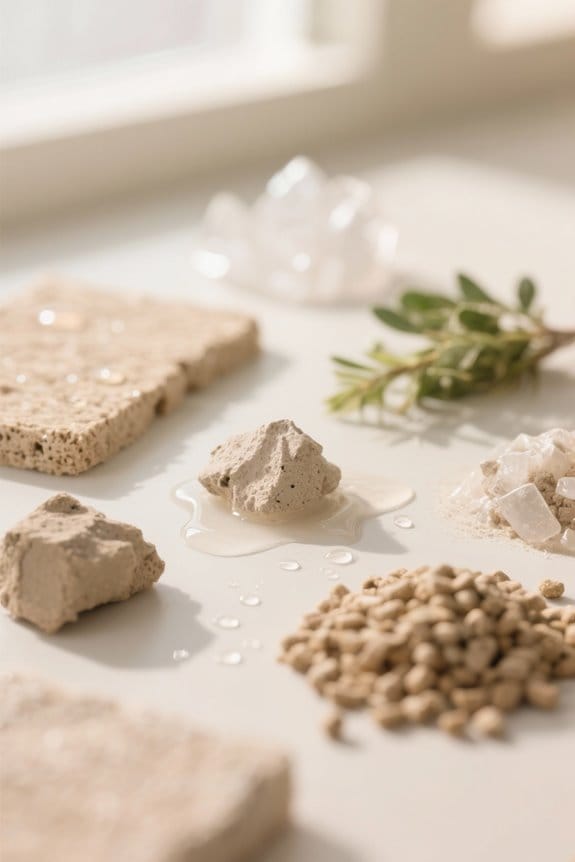
Understanding the water absorption rates of common litter types is essential for making informed choices regarding pet care products. Bentonite clay litter absorbs moisture effectively, with rates between 0.5 and 1.0 g of water per gram, enhancing its clumping ability. In contrast, silica gel litter absorbs 0.3 to 0.4 g per gram, providing high odor control without clumping capability. Among plant-based litters, corn cat litter excels, with rates ranging from 1.5 to 2.0 g of water per gram, while pellet cat litter, made from pine, absorbs at 1.8 g per gram but lacks clumping. Paper-based litters show the highest water absorption capacity at 2.0 g per gram, though they offer limited odor control and clumping ability. Zeolite-based litters like Purina Tidy Cats Breeze utilize unscented Zeolite mineral that allows urine to pass through while dehydrating solid waste for effective odor management in multi-cat households.
Recommended Products

PREMIUM QUALITY: A combination of premium texture and granule size made with 100% bentonite clay for maximum clumping creates litter particles that are just the right size.

EXTRA-LARGE COVERAGE FOR A CLEANER LITTER AREA Extra-large coverage creates a wider clean zone around the litter box, helping reduce litter tracking and keep floors cleaner before scattered litter spreads through your home. Ideal for multi-cat households or high-traffic litter areas.
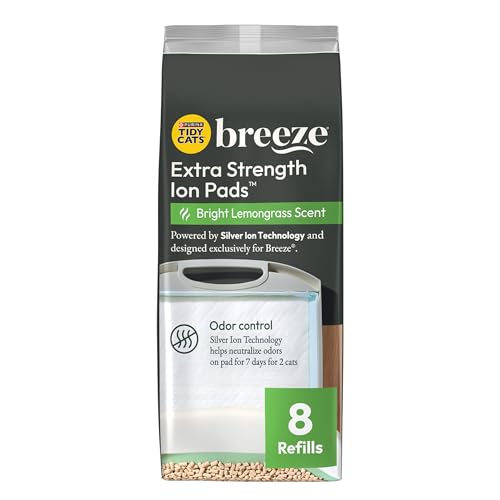
Breeze Cat Litter Pads: Super absorbent Ion Extra Strength cat litter box pads for use with the Breeze cat litter box (sold separately) are perfect for multi-cat families
Odor Control and Moisture Management
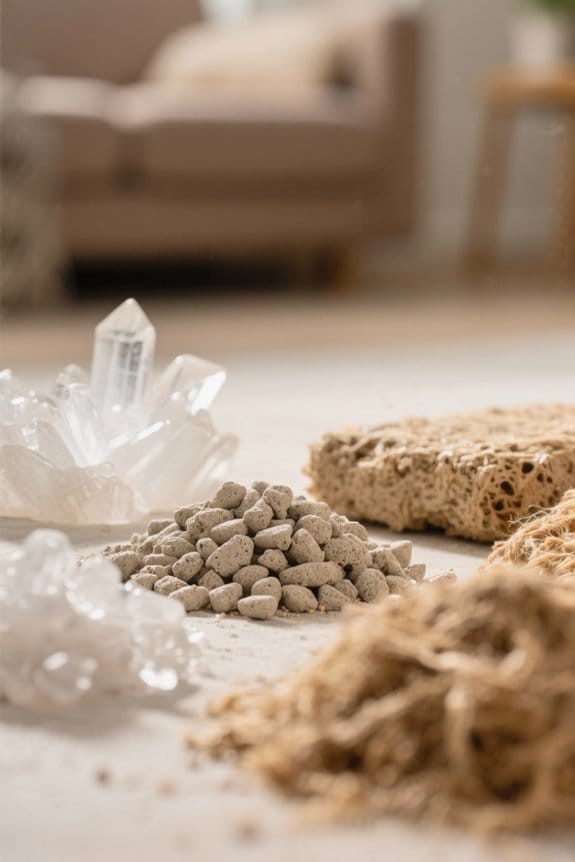
Effective odor control and moisture management are integral aspects of selecting the right cat litter for pet owners. Cat litter made from plant-based materials, like corn and pine, can absorb moisture at rates of 1.5 to 2.0 grams of water per gram, outperforming silica gel’s 0.3 to 0.4 grams per gram. Clumping litters enhance moisture control efficiency by forming clumps that securely lock in moisture and odors, making cleanup simple and effective. Eco-friendly litters, including tofu, produce less dust, reducing respiratory irritants, which further aids in odor management. While non-clumping varieties, such as silica gel, manage odors well under dry conditions, they necessitate constant stirring to manage moisture effectively, thereby compromising overall efficiency. For pet owners who travel frequently, interactive pet cameras with two-way audio can help monitor litter box usage and alert owners to potential odor or cleanliness issues in real-time.
Recommended Products
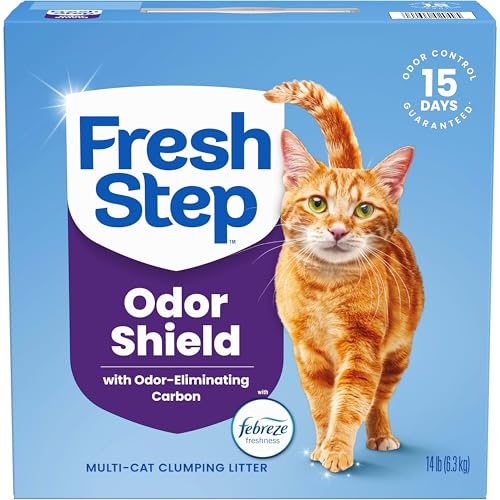
FRESH STEP CLUMPING CAT LITTER: One 14 lb. box of Fresh Step Multi Cat Clumping Litter, Extra Strength Formula With Febreze Freshness, designed for multi cat homes.

EASY CLEAN-UP LITTER: ARM & HAMMER Slide Platinum Clumping Kitty Litter forms rock-hard, scoopable clumps that slide right out to prevent sticking; no scrubbing, no scraping, so litter box duty is fast and simple

ONLINE EXCLUSIVE! Fill your cat litter box with the refreshing scent of fresh lavender fields with ARM & HAMMER Forever Fresh Lavender Clumping Cat Litter. This 18 lb. clumping cat litter odor control is only available online
Pros and Cons of Biodegradable vs. Non-Biodegradable Litters
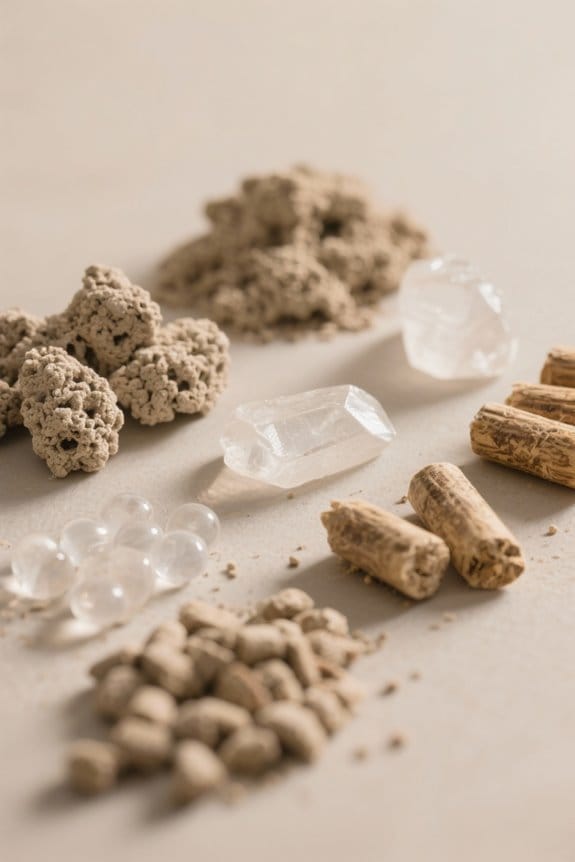
When evaluating cat litter options, it’s essential to contemplate the pros and cons of biodegradable versus non-biodegradable litters, as each type presents distinct advantages and disadvantages. Biodegradable litters, such as those made from corn or wheat, typically offer higher absorption rates, effectively managing moisture control. They’re eco-friendly, breaking down naturally and addressing environmental concerns related to waste. Conversely, non-biodegradable litters like clay are often more affordable and provide excellent odor control, yet their production and disposal contribute considerably to landfill issues. Additionally, biodegradable options generally produce less dust, enhancing safety for pets, particularly litters derived from plant materials. However, users should consider that biodegradable litters may come at a higher price point compared to traditional non-biodegradable options. Many natural litters made from materials like corn and wheat are also flushable and septic safe, offering convenient disposal methods that further reduce environmental impact.
Recommended Products
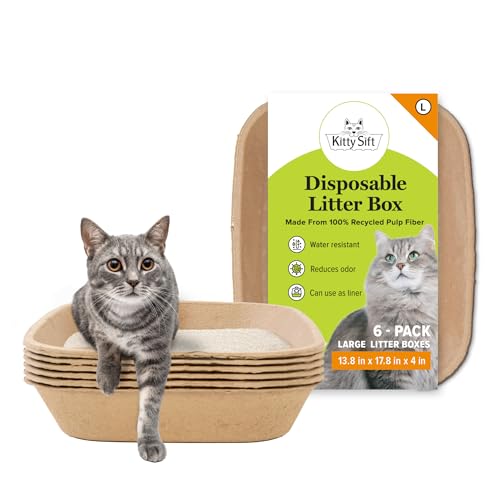
No Liners, No Scrubbing: Fill, use, and replace this disposable litter box in minutes. No cat box liners or scrubbing required. The easy clean litter box design keeps daily maintenance fast and predictable, making it the go-to cat litter tray for busy pet parents who want a cleaner, simpler litterbox routine.

EXCEPTIONAL CLUMPING: Because our litter is made exclusively from corn and cassava, it’s naturally rich in starches. This results in dry, fast-forming, and firm clumps that you can trust to stay together while scooping and cleaning your litter box

Fresh News Recycled Paper Original Pellet Cat Litter, 12 Pound, Non-Clumping, Unscented, Made in USA
Cat Litter: No more lingering pet smell; Fresh News Recycled Paper Litter is non clumping, has almost three times more absorbent strength than clay, and our soft & dust free pellets retain their form when wet
Key Factors Influencing Litter Performance
The performance of cat litter is influenced by several key factors, particularly in how well it absorbs moisture and controls odors. We need to take into account moisture absorption rates, as plant-based litters can absorb 1.5 to 2.0 grams of water per gram, while silica gel and bentonite clay perform at lower rates. Porosity and surface area are critical; higher porosity enhances water retention, allowing for more effective absorption. Clumping litters excel in this area, swiftly capturing waste and minimizing odors. Conversely, non-clumping varieties distribute moisture gradually, reducing overall effectiveness. Additionally, particle size affects absorption; smaller particles with greater surface area interact better with liquids. Finally, the chemical composition of each litter type contributes greatly to moisture absorption efficiency. Some materials like corn cob can absorb twice as much liquid as standard options, making them particularly effective for multi-cat households.
Innovations in Cat Litter Solutions
In exploring innovations in cat litter solutions, we see numerous advancements that cater to both performance and environmental sustainability. Tofu cat litter, for example, utilizes plant-based fibers, offering superior moisture absorption and natural clumping properties, making it a much-appreciated alternative to traditional cat litters. Additionally, biodegradable options, like corn cat litter, are lightweight and enhance clumping, appealing to eco-conscious consumers. Innovations also include hybrid blends, which incorporate odor-neutralizing agents like baking soda to improve performance. Moreover, flushable litters made from natural materials provide an environmentally friendly disposal method, reducing landfill waste. Some tofu-based formulations achieve rapid clumping action within 2-3 seconds, significantly improving waste removal efficiency and maintaining litter box cleanliness. These eco-friendly litter solutions not only enhance the convenience of cat ownership but also promote responsible pet care practices in alignment with sustainability goals.
Recommended Products

Light Lavender Scent & Soft Pellets – Made with soybean fiber and corn starch, this tofu litter features a gentle lavender scent without lavender essential oil. Soft 2 mm pellets provide a comfortable paw feel.
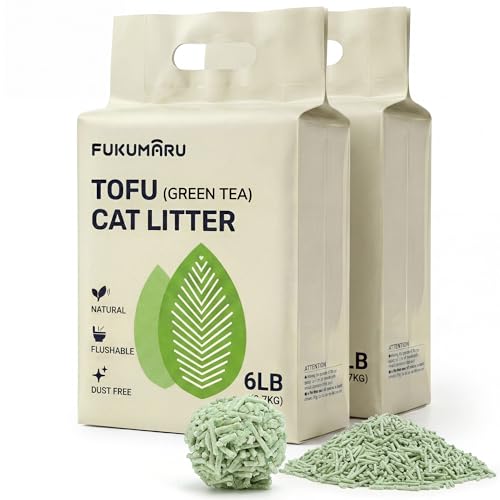
Fresh Green Tea Fragrance – Infused with a light green tea scent, this tofu litter creates a refreshing litter box experience without overpowering fragrances, helping maintain a comfortable home atmosphere.

Fresh Green Tea Fragrance – Infused with a light green tea scent, this tofu litter creates a refreshing litter box experience without overpowering fragrances, helping maintain a comfortable home atmosphere.
Frequently Asked Questions
Which Cat Litter Is the Most Absorbent?
Corn-based litter’s 1.6 g water absorption per gram makes it our most absorbent choice, offering excellent clumping action, odor control, and eco-friendliness while considering weight, texture preferences, and material safety for our furry friends.
What Kind of Kitty Litter Helps With Moisture?
To enhance feline hygiene, we should consider litter types like plant-based or tofu, which offer excellent moisture absorption and clumping. They balance odor control, cost efficiency, and health factors while minimizing dust production based on user preferences.
What Cat Litter Is Best for Condensation?
For condensation control, we should choose plant-based litters due to their high absorption rates and moisture retention. They also promote cat comfort, manage odors well, and typically have better tracking issues and cost efficiency than alternatives.
How Does Clay Litter Compare to Other Litters?
When we think about our furry friend’s litter box, clay litter’s benefits, like clumping and moisture control, are undeniable. Yet, its dust and environmental impact push us to contemplate alternatives like wood or plant-based options.