As an Amazon Associate, we earn from qualifying purchases. Some links on this site are affiliate links at no extra cost to you. Our recommendations are based on thorough research and editorial judgment.


Why Senior Cats Need Extra Grooming Assistance

Senior cats need extra grooming assistance due to their reduced mobility, which hampers their self-grooming abilities and can lead to matted fur. Increased skin oiliness may create discomfort and exacerbate matting. Due to age-related health issues, like arthritis, they may feel pain during grooming, requiring our gentle techniques. Regular grooming is essential for coat health, preventing skin problems, and identifying signs of discomfort. Understanding specific grooming needs and techniques can considerably improve their overall well-being.
Key Takeaways
- Reduced mobility in senior cats makes self-grooming ineffective, leading to matting and discomfort.
- Increased oil production in their skin can cause tangles and skin issues without regular grooming.
- Arthritis and other health issues may cause pain during grooming, necessitating gentle handling and assistance.
- Regular grooming helps monitor for signs of underlying health issues, like lumps or skin irritation.
- Nutritional factors, such as Omega-3 fatty acids, support coat health and hydration, essential for senior cats.
Understanding the Grooming Needs of Older Cats
You may be interested
10 Best Cat Grass Seeds to Keep Your Feline Friend Happy and Healthy
November 15, 2025

As our feline companions age, their grooming needs considerably change, requiring us to pay close attention to their specific challenges. Senior cats often experience reduced mobility, leading to difficulties in grooming their fur effectively. The natural aging process also increases oil production in their skin, which can result in matting and tangles. To alleviate discomfort, regular grooming sessions are essential, with the frequency based on fur type; longhaired cats typically require daily brushing, while shorthaired cats may need weekly attention. Selecting the right grooming tools is crucial, as slicker brushes are particularly effective for tackling matted fur that senior cats are prone to developing. By maintaining a consistent grooming routine, we not only help keep their coat clean and healthy but also strengthen the bond we share with our senior cats, providing them with the reassurance they need during this phase of their lives.
Importance of Regular Grooming for Senior Cats
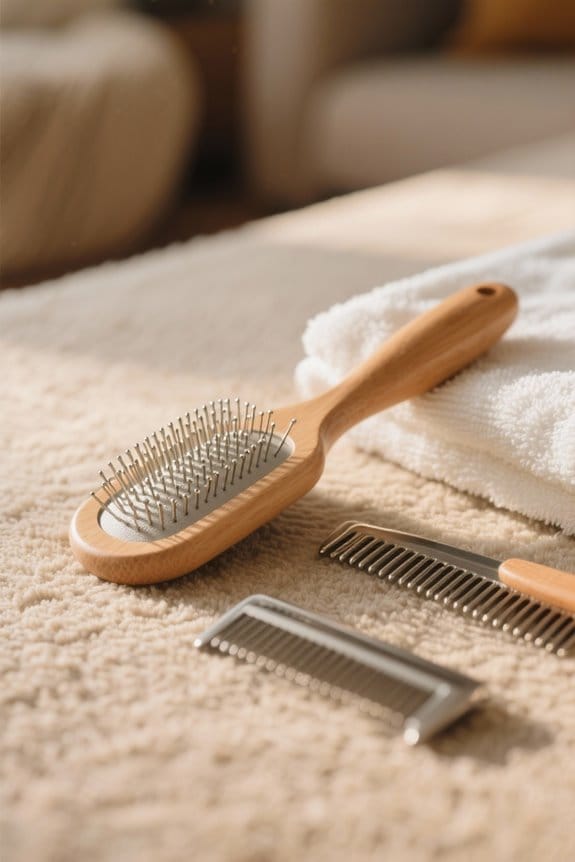
Regular grooming is essential for senior cats, particularly since they often experience a decline in mobility and flexibility, which severely affects their ability to maintain their own coats. We must establish a consistent grooming schedule to prevent matted fur, which can cause discomfort and potential pain. Regular grooming helps reduce the risk of skin problems by eliminating dead hair and minimizing infection chances. Additionally, these sessions allow us to monitor for signs of underlying health issues, such as lumps or irritation. Frequent grooming can stimulate circulation, improving overall well-being. Using tools with fine, coated bristles ensures gentleness on their increasingly sensitive skin during grooming sessions. Consequently, by enhancing our senior cats’ grooming habits, we not only relieve discomfort but foster a closer bond and support their overall health. Regular sessions are vital.
Step-By-Step Guide to Grooming Older Cats
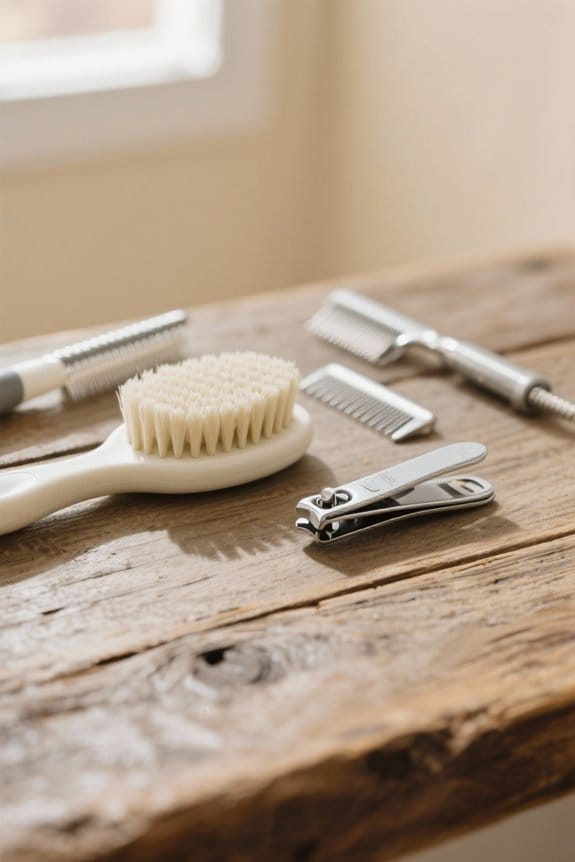
Grooming older cats requires a structured approach to guarantee their comfort and maintain their coat health. First, gather the appropriate grooming tools based on your cat’s fur type; longhaired cats typically need a wide-toothed comb and slicker brush for daily grooming, while shorthaired cats usually require a rubber brush or grooming mitt weekly. Next, establish your cat is calm and comfortable during short, frequent sessions, while gently brushing from head to tail, paying special attention to sensitive areas like hips and underbelly, where matting often occurs. During grooming, monitor for any signs of pain or discomfort, as these may indicate underlying health issues. For cats with particularly stubborn mats, consider using specialized tools with sharp stainless steel blades designed to cut through tangled fur safely and effectively. Finally, consult your veterinarian if you notice any changes in grooming behavior or persistent matting.
Recommended Products

🐩 removes stubborn matted fur - Made of high-quality stainless steel, Our pet detangle effectively removes matted fur, tangles, knots, loose hair, dirt and dander. Your pet will feel brand new!

DUAL-SIDED DESIGN: Our Undercoat Rake Dog brush is perfect for deshedding your pet's coat. Designed with a dual-sided design, start with a 9-teeth side to tackle stubborn mats and tangles, and finish with a 17-teeth side to thin out and deshed after.

EFFORTLESS MAT & KNOT REMOVAL: Say goodbye to stubborn tangles! Our precision steel blade effortlessly cuts through mats and knots, making grooming quick and painless for your furry friend
Common Challenges in Grooming Senior Cats
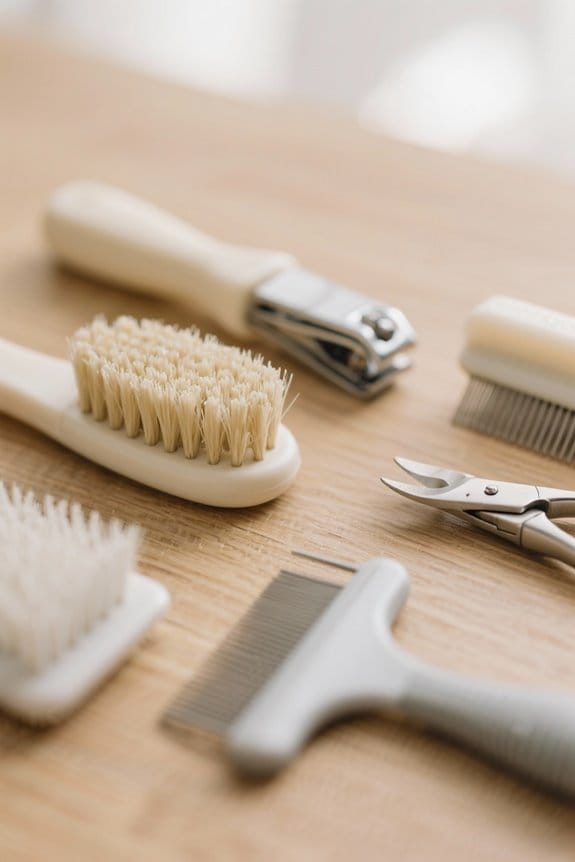
While we appreciate the importance of grooming for our senior cats, various challenges can arise that complicate this essential task. Senior cats might struggle with self-grooming due to limited mobility and underlying medical issues, such as arthritis or dental disease. These health concerns can create discomfort during grooming, leading to resistance from our cats. Additionally, as they age, increased oil production can result in matted skin and fur, making grooming your senior a good idea to prevent further issues. We’ll need to be patient, using gentle techniques, as our cats may feel anxious or uncomfortable. Regular grooming sessions not only maintain overall hygiene but also allow us to monitor for potential skin problems and health changes in our aging companions. For particularly sensitive areas like paws, using low noise trimmers designed to operate at around 35-55 dB can help minimize stress and anxiety during grooming sessions.
Recognizing Signs of Underlying Health Issues
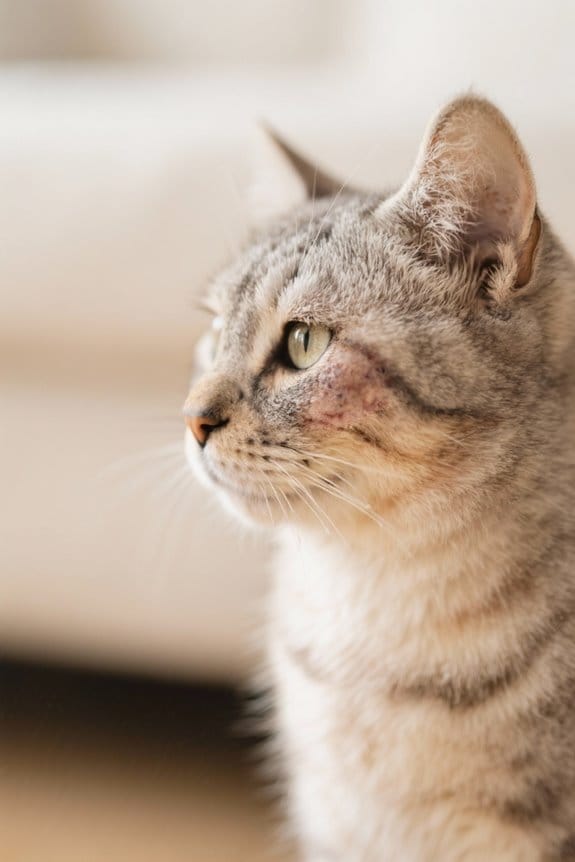
Recognizing signs of underlying health issues in our senior cats is essential for their well-being, especially since many of these signs may be overlooked during routine interactions. For example, matted fur often indicates a decline in self-grooming habits, potentially due to pain or arthritis. Additionally, unusual odors from a cat’s coat can signal skin infections demanding veterinary attention. We should also be vigilant for visible skin problems, such as lesions or excessive dandruff, which might arise from neglect linked to health complications. Changes in behavior, including decreased grooming activity or agitation when handled, often suggest discomfort, prompting an evaluation. Moreover, reduced mobility commonly affects grooming efficacy, leading to serious health issues if not addressed promptly. Senior cats with compromised grooming abilities may also become more susceptible to flea infestations, requiring prompt topical treatment to prevent further skin irritation and discomfort.
Tips for Grooming a Senior Cat Effectively
Caring for our senior cats necessitates a tailored approach to grooming that addresses their specific needs and limitations. To help your senior cat, we should engage in daily grooming sessions, using gentle tools like soft brushes to avoid causing discomfort. As our cats age, they may not groom themselves effectively, particularly in areas prone to mats and tangles, such as their hips and underlegs. It’s beneficial to conduct shorter, more frequent sessions rather than long ones, which may overwhelm them. Establishing a calm environment, using treats and praise, enhances cooperation. Regularly checking for mats prevents pain, ensuring better grooming outcomes. Regular grooming also helps identify skin issues or parasites early through close examination of your senior cat’s coat. By adopting this approach, we’re promoting our senior feline’s comfort and well-being.
Addressing Matted Fur in Older Cats
Addressing matted fur in older cats requires a systematic approach that combines regular grooming with an understanding of their physical limitations. Senior cats often experience reduced mobility due to arthritis and other health issues, making it difficult for them to groom effectively. As mats typically form in sensitive areas like the hips and underbelly, discomfort is common, potentially leading to skin injuries. We must commit to gentle, regular brushing to minimize matting, and it may be necessary to schedule grooming sessions more frequently than with younger cats. If severe matting occurs, consulting a professional groomer is essential to prevent injury to their delicate skin. Additionally, persistent matting could indicate underlying health problems, warranting a veterinary evaluation. When dealing with very thick mats, rounded bristles can ease discomfort during detangling and help prevent further skin irritation in these vulnerable areas.
Recommended Products

【Easy Dematting and Deshedding Tools】: Our Grooming brush and comb combo help effortlessly dematting and reduces shedding. A must have dog brush for shedding, pet supplies, cat supplies, dog supplies metal comb for dogs shedding.

#1 DIY Pet Groom Tool: Our pet grooming supplies come highly recommended by show dog trainers, long hair cat groomers & everyday pet owners. It's the perfect all-in-one dematting comb to have around!

【Perfect dog grooming kit】 You will get a cat comb and a undercoat rake for dogs. Our dog grooming brush is perfect for dematting and deshedding your pet's coat!The dog brush has a double-sided design, 9-teeth side can be used to deal with stubborn mats and tangles, 17-teeth side can be used to thin out and deshed your pet's fur.This dog hair brush is also the best gift for pets on dog birthday,Christmas,Halloween,Thanksgiving and other special occasions.
Nutritional Considerations for Coat Health
To guarantee our senior cats maintain ideal coat health, we should focus on providing a well-balanced diet tailored to their specific needs, recognizing that nutritional deficiencies can greatly impact their coat quality. A diet rich in high-quality cat food enhances skin health and coat condition. Incorporating omega-3 fatty acids, commonly found in fish oil, can considerably reduce dryness and improve skin oil balance. We must ascertain our senior cats receive enough hydration by offering wet cat food, which aids in overall well-being. In addition, we should look for complete nutrition, including adequate proteins and vitamins. Foods enriched with DHA and ARA can support cognitive function and overall health, which becomes increasingly important as cats age. By optimizing their dietary intake, we effectively improve our senior cats’ coat health, making it easier to groom my senior and maintain their appearance.
When to Seek Professional Grooming Assistance
Monitoring our senior cats’ grooming needs is imperative for their overall well-being, particularly when we encounter challenges at home. We should seek professional grooming assistance when our cats’ coats become severely matted, as improper removal can harm their delicate skin and worsen existing health issues. If our senior cats show signs of distress—such as hissing, biting, or hiding—it might indicate underlying anxiety or pain, necessitating professional intervention. In addition, if mobility limitations or conditions like obesity impede their ability to maintain adequate coat hygiene, a professional groomer is equipped to handle these unique challenges. Vets may also recommend professional grooming when health issues complicate at-home grooming, ensuring our senior cats receive the necessary care for maximum comfort and health. Maintaining a hygienic environment is equally important, and regular cleaning of litter boxes with mild soap and warm water helps ensure our senior cats remain comfortable and healthy.
Enhancing Wellbeing and Comfort for Senior Cats
While enhancing the wellbeing and comfort of our senior cats, it’s essential to recognize that their changing physical condition often necessitates a more tailored approach to grooming. Senior cats may struggle with mobility, making regular grooming critical to maintain their older cat’s coat and overall health. We should schedule shorter sessions, approximately 10 to 15 minutes, focusing on areas prone to matting and irritation. This not only alleviates discomfort, but also helps improve the cat’s skin condition by reducing dandruff. Furthermore, integrating gentle brushing and occasional moisturizing baths provides both physical comfort and emotional support. If your senior cat develops any minor scratches or skin irritations during grooming, applying a thin layer of antibiotic ointment can help prevent infection and promote healing. By prioritizing our senior feline’s grooming needs, we strengthen our bond, enhance their quality of life, and guarantee they remain comfortable during their senior years.
Frequently Asked Questions
Do Older Cats Need Help Grooming?
Yes, older cats definitely need help grooming. With mobility issues and potential skin conditions, we should use proper grooming tools, adjust grooming frequency, and pay attention to behavioral changes to support their health and comfort.
What Is the 3-3-3 Rule for Cats?
The 3-3-3 Rule outlines cat behavior during change: three days of hiding, three weeks of exploration, and three months of bonding. Understanding this helps us provide the right grooming tools and reduce kitty stress while promoting health benefits.
What Are the First Signs of Dementia in Cats?
We notice early dementia signs in our cats through behavioral changes like disorientation issues, altered sleeping patterns, and social interaction decline. Increased vocalization often reflects their distress, highlighting the impact of feline cognitive dysfunction on our beloved pets.
Why Is My Senior Cat Grooming so Much?
Our senior cat’s excessive grooming could reflect age-related changes, stress factors, or discomfort. Monitoring their grooming habits helps us maintain their coat health and address potential issues using appropriate grooming tools for their overall feline behavior.


