As an Amazon Associate, we earn from qualifying purchases. Some links on this site are affiliate links at no extra cost to you. Our recommendations are based on thorough research and editorial judgment.


How Cat Grooming Prevents Hairballs: The Connection Explained

Regular grooming greatly reduces hairballs in cats, as it removes loose fur, minimizing the amount ingested during self-grooming. This process decreases the risk of gastrointestinal blockages caused by accumulated hair. For best results, we should brush long-haired breeds daily with a slicker brush and short-haired cats weekly using soft-bristle brushes. Additionally, providing a high-fiber diet can further assist in digestion. Monitoring grooming behavior for compulsive patterns also aids in maintaining your cat’s health and well-being. You’ll discover more essential grooming insights ahead.
Key Takeaways
- Regular grooming removes loose fur, preventing cats from ingesting excess hair during self-grooming, thereby reducing hairball formation.
- Longhaired breeds require daily grooming to prevent matting, which can trap fur and increase hairball risks.
- Using specialized brushes like slicker brushes effectively eliminates fluffy undercoats and helps maintain a healthy coat, lowering hair ingestion.
- Routine grooming sessions create a calm environment, promoting less compulsive grooming and, in turn, reducing hairball likelihood.
- Keeping cats on a high-fiber diet and maintaining hydration during grooming can aid in smoother hair transit through the gastrointestinal tract.
The Role of Grooming in Cat Health
You may be interested


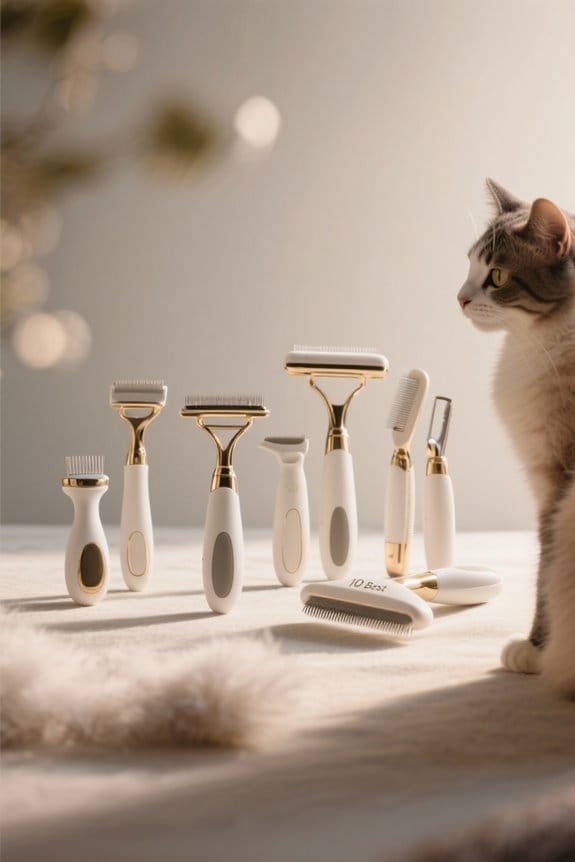
When we consider the importance of grooming in cat health, it’s clear that regular grooming not only enhances the cleanliness of our feline companions but also plays an essential role in their overall well-being. Effective grooming efficiently removes loose fur, greatly reducing the amount ingested during self-grooming, thereby preventing hairballs. Longhaired breeds, such as Persians and Maine Coons, require routine grooming to avoid matting and excessive hair, which can lead to serious digestive issues. Additionally, grooming fosters a bond between us and our cats, creating a calm environment that can mitigate stress-induced grooming behaviors. Routine grooming also allows us to detect early health concerns, such as parasites or skin infections, that could impact our cat’s health and well-being greatly. Using ergonomic grooming tools designed with soft edges helps prevent hand strain during grooming sessions while ensuring your cat’s comfort and safety.
How Hairballs Form in Cats

As cats groom themselves, the unique structure of their tongues, equipped with tiny barbs called papillae, plays a critical role in capturing loose fur, which subsequently gets swallowed. This is how hairballs form. Most of the ingested hair passes through the cat’s digestive system; however, some hair can clump together, leading to hairball formation. Longhaired breeds, such as Persians and Maine Coons, are particularly susceptible due to their thicker and longer fur. Additionally, cats that shed excessively or have compulsive grooming habits are at a higher risk of developing hairballs. Aging cats, often more efficient groomers, tend to ingest more hair, further increasing the likelihood of hairball issues, emphasizing the importance of monitoring their grooming habits for prevention. Specialized treats containing ingredients like psyllium and probiotics can help promote hairball removal through the gastrointestinal tract and support healthy digestion.
Common Grooming Techniques for Cats
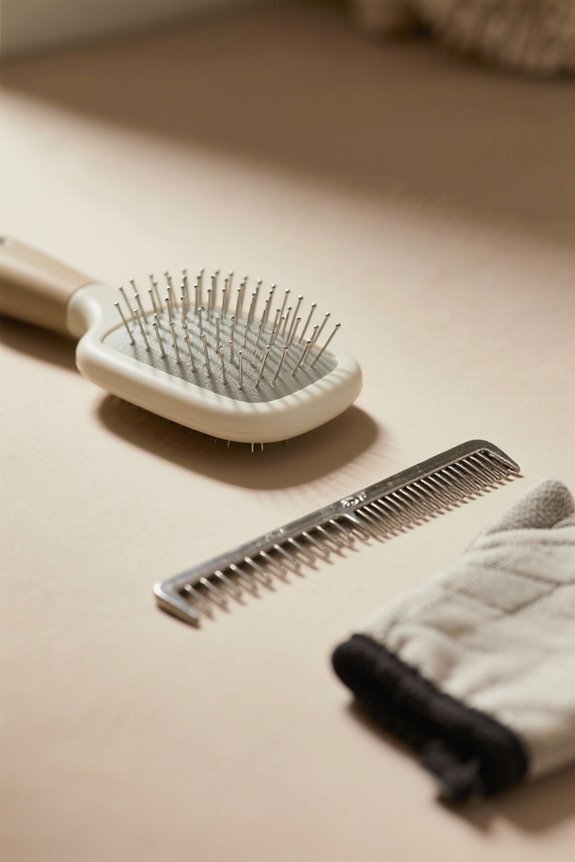
Grooming a cat effectively involves employing various techniques tailored to the cat’s coat type and grooming needs. Regular grooming, particularly brushing, is essential for removing loose hairs from the cat’s coat, which helps to prevent hairballs by reducing fur ingestion. For long-haired breeds, we recommend daily brushing using a slicker brush to minimize matting and capture loose fur effectively. Short-haired cats benefit from weekly grooming sessions using a soft bristle brush. Additionally, utilizing cat-specific wet wipes or grooming mitts can aid in removing excess fur and dander, further facilitating hairball control. Slicker brushes with fine, coated bristles ensure gentleness on sensitive skin while effectively capturing loose hair during grooming sessions. By incorporating these grooming methods, we’re ensuring our felines’ coats remain healthy while fostering stronger bonds through positive interaction and consistent routine adherence.
Recommended Products

Clean Pets, Clean House: Depets cat & dog brush for shedding can easily remove loose hair, shedding mats, dander and dirt of your pet, which not only keep your pet clean, but also provide you with a clean and hygienic home environment

Cat brushes for long haired cats and short haired cats

💖UPGRADED Easy Desheding Brush: our cat massage pet brush Upgraded durable 304 stainless steel for better deshedding brush experience for cats dogs rabbits and furry small animals.Whether you're a pet owner or groomer,You deserve to have this undercoat shedding dog cats grooming BRUSH. Your lovely pets enjoy ur brushing! Cat brush for shedding indoor cats, slicker brush for dogs cats and horses rabbits .
Benefits of Regular Grooming

Understanding the benefits of regular grooming for our cats is vital, as it plays a significant role in their overall health and well-being. Regular brushing helps eliminate loose fur from the coat, which reduces the likelihood of hairballs in cats. This is particularly important for grooming longhaired cats. By preventing matting and excessive shedding, we guarantee a healthier coat. Additionally, maintaining a clean coat lowers the risk of gastrointestinal health issues related to hairballs, such as blockages and vomiting. Daily grooming fosters a bond between us and our cats while allowing us to monitor their skin and coat health, enabling early detection of potential health issues, like skin infections or parasites, that could exacerbate hairball problems. Grooming 3-4 times per week is essential for maintaining coat health, reducing shedding, and enhancing the overall shiny appearance of your cat.
Understanding Cat Grooming Behavior

Cats exhibit fascinating grooming behaviors that are essential for their physical and psychological well-being. They spend approximately 30-50% of their day engaged in cat grooming, which effectively helps maintain a clean coat while minimizing loose hair, considerably reducing the likelihood of hairballs. The unique surface of a cat’s tongue, which is lined with small barbs, efficiently removes dirt and loose hairs during this process. Longhaired breeds, such as Persians and Maine Coons, require more frequent grooming to prevent excessive fur accumulation. This regular grooming not only minimizes the ingestion of loose hair, but it also helps prevent skin issues and mats. Additionally, grooming serves as a natural stress reliever, contributing to overall comfort and reducing compulsive behaviors that may lead to hairballs. Using specialized grooming tools like deshedding brushes and slicker brushes can significantly enhance this natural process by removing shed hair and preventing mats before they form.
The Connection Between Shedding and Hairballs
While we often admire the beauty of our feline companions, it is crucial to recognize how shedding plays a significant role in the formation of hairballs. Shedding is a natural occurrence where cats release loose fur, and during their grooming routines, they ingest this fur, resulting in hairball development. Longhaired breeds, such as Persians and Maine Coons, shed more and risk hairball formation due to increased fur ingestion. Additionally, excessive shedding often occurs during seasonal changes, further elevating hairball risks if not managed with regular grooming. By grooming our cats consistently, we can reduce the amount of loose fur they ingest, consequently decreasing the overall occurrence of hairballs and enhancing their comfort and health. Supporting your cat’s digestive health with high protein content from quality wet foods can also help hair pass more easily through their system.
Dietary Impact on Hairball Prevention
To effectively prevent hairballs, it’s important to contemplate the dietary choices we make for our cats. A high-fiber diet, particularly cat food formulated for hairball control, can markedly reduce hairball issues. This specialized cat food typically contains added dietary fiber, which facilitates the passage of hair through the digestive tract. In addition, we should consider incorporating natural sources of dietary fiber, such as pumpkin or psyllium, to enhance our cat’s digestive health. Additionally, increased hydration is essential; wet food or adding water to dry kibble can promote smoother hair transit through the gastrointestinal system. Some cat owners also find success with hairball remedy pastes enriched with Omega 3-6-9 oils, which help lubricate the gastrointestinal tract and ease the passage of ingested hair. Ultimately, consulting with a veterinarian is critical, as they can provide personalized dietary recommendations based on our cat’s unique digestive health and grooming habits.
Recommended Products

Natural adult dry cat food for hairball control features a natural fiber-rich blend with added vitamins, minerals and nutrients to help support her overall health

Contains one (1) 6.3-pound bag of Meow Mix Hairball Control Dry Cat Food

Natural adult dry cat food for hairball control features a natural fiber-rich blend with added vitamins, minerals and nutrients to help support her overall health
Signs of Hairballs in Cats
Recognizing the signs of hairballs in our feline companions is vital for their well-being, as early intervention can prevent further complications. Common indicators include hacking, coughing, and retching, often leading up to vomiting a hairball. It’s important to watch for vocalizations, such as crying or howling, which may signify discomfort before these episodes. Frequent hairball vomiting can disrupt our cat’s digestive system, potentially leading to decreased appetite and even constipation or gastrointestinal blockages if hair accumulates excessively. Observing retching without hairball production might suggest underlying health problems, like gastrointestinal issues or asthma. Monitoring these signs closely guarantees timely veterinary evaluation when persistent symptoms arise, safeguarding our pet’s health and overall quality of life. Additionally, maintaining good oral health through regular dental care can support overall digestive wellness and help prevent complications associated with excessive grooming and hairball formation.
Recognizing Compulsive Grooming
Compulsive grooming in cats can be a significant concern, particularly as it can lead to increased hair ingestion and subsequently heighten the risk of hairball formation. We should be vigilant for signs of compulsive grooming, which include an excessive grooming time that may exceed 50% of their day, hair loss, and skin lesions. Such behaviors often arise due to underlying health issues, including allergies or skin infections, which may necessitate medical attention. Should we observe unproductive retching without hairball production, it may indicate gastrointestinal or behavioral concerns associated with compulsive grooming. Therefore, we must monitor our cats’ grooming habits closely and consult a veterinarian when we notice significant changes, as early intervention can mitigate the risks of complications. Regular grooming with appropriate tools can help reduce the risk of hairballs in pets, especially long-haired breeds, by eliminating loose hair before it can be ingested during self-grooming sessions.
The Risks of Under-Grooming
While it might seem harmless for a cat to groom less often, under-grooming can create significant health risks that warrant our attention and action. Increased accumulation of loose fur on a cat’s body leads to higher chances of hairballs forming from ingested hair during grooming. Furthermore, insufficient grooming can cause mats in their fur, further increasing hair ingestion when they do groom. This can result in an unclean, greasy coat and potential skin irritation, prompting obsessive grooming behaviors. For older cats, under-grooming might indicate underlying health conditions. Importantly, less frequent grooming raises the risk of hairballs becoming lodged in the gastrointestinal tract, posing severe health complications that may require surgical intervention. Regular use of a slicker brush can reduce shedding by up to 90% while distributing natural oils for a healthier coat. Daily grooming is essential for overall cat health.
Products That Aid in Hairball Control
To effectively manage hairball issues in our cats, we can utilize a range of specifically formulated products designed to aid in hairball control. First, we should consider hairball control cat foods, which contain higher fiber content, promoting easier passage of hair through the digestive system. Additionally, adding lubricants like mineral oil to their diet can facilitate hair movement within the gastrointestinal tract. We may also integrate hairball control treats or gels with natural ingredients such as psyllium and cellulose to enhance digestion. Moreover, using grooming tools like de-shedding brushes helps remove loose fur, reducing the hair available for ingestion. Veterinary-recommended products often include probiotics and prebiotics, supporting balanced gut flora and overall digestive health, which is essential for our cats.
Recommended Products

HAIRBALL GEL FOR CATS: Our paw gel helps prevent and eliminate hairballs by lubricating the intestinal tract; Made with natural oils, this cat hairball remedy supports digestion, reduces shedding, and promotes hairball control for cats of all ages

Lubricates ingested hair, allowing it to move through the digestive tract and pass in the cat’s stool
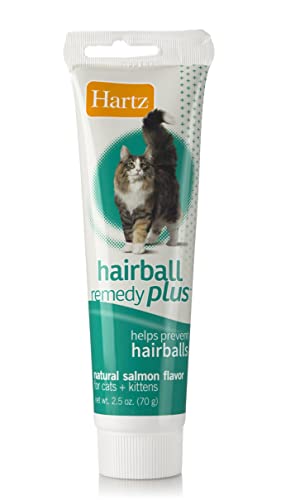
Aids hairballs in passing through the gastrointestinal tract and helps prevent future formation through regular use
When to Consult a Veterinarian About Hairballs
Understanding when to consult a veterinarian about hairballs can significantly impact our cat’s overall health. If our cat frequently retches or vomits without producing a cat hairball, underlying gastrointestinal issues might be present, and we should consult a veterinarian. Additionally, if our cat shows lethargy, decreased appetite, or develops a fever after hairball vomiting, professional assessment becomes vital. If our cats produce hairballs more than once a month, this may signal an issue requiring attention. Importantly, changes in grooming behavior, especially increasing grooming with skin lesions or hair loss, warrant veterinary advice. Prior to administering any treatments for hairballs, it’s important to consult a veterinarian to guarantee our cat receives safe and appropriate care.
Frequently Asked Questions
Does Grooming Your Cat Help With Hairballs?
Yes, grooming our cats definitely helps with hairballs. By using effective grooming techniques, we improve fur maintenance, reduce shedding, and enhance hairball prevention, leading to happier, healthier felines with less fur ingestion.
How Does Cat Grass Prevent Hairballs?
Cat grass benefits our cats by serving as a fiber source, aiding digestion and promoting overall health. It helps them expel hair more easily, preventing those pesky hairballs that can be bothersome for both cats and us.
Do Cats Get Hairballs From Grooming Themselves?
Yes, cats do get hairballs from grooming themselves. By improving our grooming techniques, using proper grooming tools, increasing grooming frequency, and enjoying the grooming benefits together, we can help minimize hairballs in our feline friends.
What Is the Silent Killer of Cats?
The silent killer of cats? It’s those sneaky gastrointestinal blockages! We’ve gotta watch for subtle signs and silent feline symptoms, as hidden health risks lurk. With proper preventative care, we can keep our furry friends safe!