As an Amazon Associate, we earn from qualifying purchases. Some links on this site are affiliate links at no extra cost to you. Our recommendations are based on thorough research and editorial judgment.


Why Some Cats Enjoy Being Brushed and Others Don’t

Some cats enjoy being brushed while others don’t due to individual personalities, sensory sensitivities, and previous experiences. Cats with positive grooming memories may associate brushing with affection, while those with negative experiences might resist. Additionally, sensory sensitivities can cause discomfort during grooming sessions, leading to avoidance behaviors. To improve the brushing experience, we can gradually introduce grooming tools and use positive reinforcement techniques. Understanding these factors allows us to tailor our approach, and we can explore effective strategies to help all cats adapt.
Key Takeaways
- Individual personalities significantly influence grooming preferences, with some cats enjoying the experience while others are more resistant.
- Sensory sensitivity can lead to negative reactions during grooming, making some cats uncomfortable with the process.
- Previous negative experiences, such as painful grooming, can create lasting aversions, leading to reluctance during future sessions.
- The type of brush used can affect a cat’s comfort; some prefer soft bristles while others may find certain brushes irritating.
- A cat’s mood and the environment impact grooming enjoyment, with a relaxed atmosphere encouraging more positive interactions.
Understanding Your Cat’s Natural Grooming Behavior
Understanding your cat’s natural grooming behavior is essential for effective brushing techniques, as these methods can enhance both the cat’s comfort and overall coat health. Cats devote up to 50% of their waking hours to self-grooming, highlighting their natural grooming instincts. Mimicking this behavior through brushing can provide comfort similar to the maternal grooming they experienced as kittens. However, individual cats may exhibit distinct personal preferences regarding brushing, shaped by their early experiences and inherent personalities. To create a positive brushing experience, we must pay attention to physical sensitivity levels; some cats may find brushing pleasurable, while others may feel overstimulated. Using the right grooming tools, such as those with fine, coated bristles, can ensure gentleness on sensitive skin while effectively removing loose fur. Acknowledging these factors promotes a more enjoyable and beneficial grooming session for our feline companions.
Factors That Influence Grooming Preferences
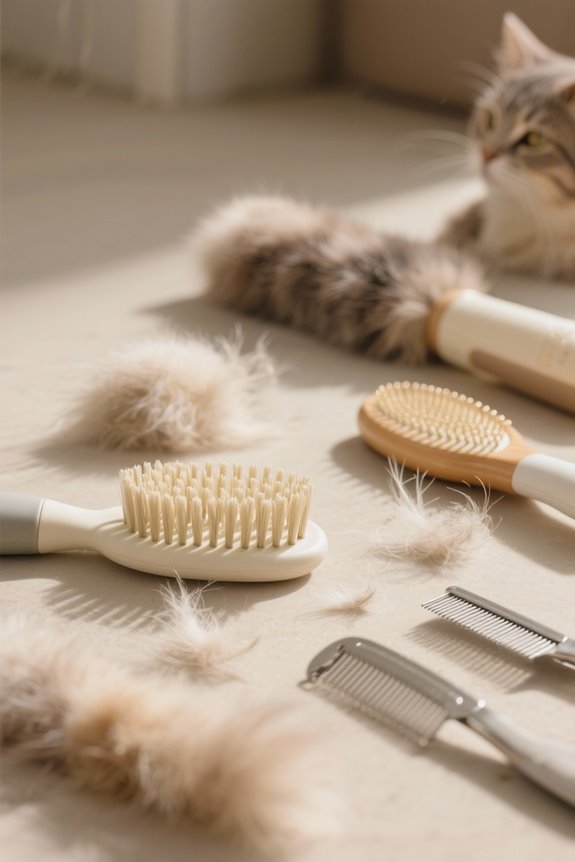
While each cat has unique traits influencing its grooming preferences, a variety of factors contribute to how comfortably and willingly they accept brushing. Individual personalities play a significant role; some cats relish the sensation, while others may find it overwhelming or uncomfortable. Sensory sensitivity can heighten these differences, as cats with increased sensitivity to touch often react negatively during grooming sessions. Moreover, previous experiences, particularly negative ones, can greatly shape a cat’s attitude toward brushing, making them resistant to future attempts. The type of brush also matters; soft-bristle brushes may be preferable for some cats, while slicker brushes might be distracting. Additionally, a cat’s mood and the grooming environment can greatly affect their comfort, promoting more positive experiences in familiar settings. Just as cats prefer different grooming tools, they also seek specific comfort features in their resting spaces, with many gravitating toward soft, plush materials that provide a secure and cozy environment.
The Benefits of Brushing for Cats

Brushing our cats regularly offers a multitude of health benefits that can greatly enhance their quality of life. For instance, consistent brushing helps reduce shedding and minimizes hairballs, which maintains a cleaner living environment. Additionally, it distributes natural oils across the coat, resulting in healthier skin and a shinier appearance. Regular grooming facilitates early detection of skin issues or parasites, enabling timely veterinary intervention that promotes better overall health. Moreover, the act of brushing fosters a nurturing bond between us and our cats, as it simulates the comforting effects of maternal grooming. For cats requiring more extensive grooming, particularly those with matted fur or dense coats, cat hair trimmers can provide an effective solution when brushing alone isn’t sufficient. By incorporating brushing into our routine, we not only improve our cats’ hygiene but also guarantee their emotional well-being through these calming interactions.
Recommended Products

Self-Grooming, Reduces Up to 90% of Loose Fur & Hairballs:Patented tongue-mimicking soft rollers gently remove loose fur as your cat walks through. Hair is automatically stored in a sealed chamber—drastically reducing shedding and hairball risks without daily brushing.

48 dB Ultra Quiet: Specifically designed for cats, this vacuum groomer operates at 48 dB—a level that won't startle your feline. Unlike generic groomers exceeding 60 dB, our cat-focused tech keeps noise within their auditory comfort zone, preventing stress-induced hiding or matting. Three adjustable suction levels ensure a relaxed, spa-like experience, mimicking the soothing rhythm of a mother cat's lick for anxiety-free grooming

FOR SHORT-HAIR CATS: Choose large size for cats over 10 pounds.
Common Reasons Why Some Cats Dislike Being Brushed

Many cats develop an aversion to brushing for various reasons, which can often stem from sensory sensitivity or previous negative experiences associated with grooming. One of the common reasons a cat hates brushing is past traumatic grooming experiences, particularly prevalent in rescue or neglected cats. These cats may have experienced discomfort or pain during brushing, creating lasting associations. Additionally, using improper brush types can cause significant discomfort, as certain brushes may not be suitable for specific coat types or individual sensitivities. Furthermore, a lack of positive reinforcement after grooming, such as treats or praise, can discourage cats and reinforce their dislike. Finally, individual personality traits, influenced by breed characteristics and early exposure to grooming, can also contribute to these aversions. Interestingly, some cats may resist brushing because they prefer seafood flavors like tuna or other specific tastes when it comes to dental care products, making flavor preferences an important consideration for any grooming routine that includes oral hygiene.
Sensory Sensitivities in Cats
How can we better understand the sensory sensitivities that affect our feline companions? Some cats exhibit heightened sensory sensitivities, often finding the sensations associated with brushing overwhelming or uncomfortable. In these cases, certain brushes may cause pain or discomfort, leading to negative experiences during grooming. Sensitive areas, including the belly or paws, can provoke stronger reactions, especially in cats who are more attuned to touch. For many of these cats, brushing may feel akin to incessant tickling, resulting in resistance or avoidance behaviors. To improve the grooming experience, we must assess each cat’s individual sensitivities and adapt our techniques accordingly. Selecting the right brush based on your cat’s coat type can significantly reduce discomfort and help minimize negative reactions during grooming sessions. By recognizing our cats’ comfort levels and individual preferences, we can create a more enjoyable grooming environment and foster positive experiences.
The Impact of Previous Experiences on Grooming
Understanding that previous experiences can greatly shape a cat’s reaction to grooming is essential for fostering a positive environment. Cats with a traumatic past often form negative associations with grooming, particularly if they’ve experienced pain or discomfort. For instance, rescue cats subjected to neglect or harsh handling may approach grooming tools with heightened fear, stemming from their grooming history. If we present a brush, they might instinctively shy away due to prior trauma. Hence, it’s vital to assess each cat’s individual grooming history. By identifying their previous interactions with grooming tools, we can gradually introduce brushing techniques that prioritize their comfort, creating positive conditioning. Selecting grooming tools with low noise levels can further minimize stress during these reintroduction sessions, especially for cats who have developed anxiety around grooming. This approach helps in alleviating fear and builds a trusting relationship between the cat and the caregiver.
Choosing the Right Kind of Brush
When selecting the appropriate brush for our cats, we must consider various factors, including coat type, individual preferences, and the specific purpose of the brush. For cats with sensitive skin, a soft bristle brush is often ideal, providing a gentler grooming experience without causing discomfort. If we have a high-shedding breed, using a de-shedding brush will effectively target the undercoat, removing loose hair and debris. Grooming gloves, which have bristles integrated into the palm, can be an excellent starting point for introducing brushing, as they feel less intimidating than traditional brushes while still helping to remove fur. For precision grooming in delicate areas like paws, specialized trimmers with low noise operation around 35-55 dB can help maintain a calm environment for anxious cats. By understanding our cats’ unique needs and preferences, we can choose the most appropriate brush for cats, enhancing their overall grooming experience.
Recommended Products

#1 PET GROOMING BRAND IN THE USA*-Join the millions of pet parents who can't get enough of Burt-s Bees for Pets by using America's #1 pet grooming brand

Luxury Clothes Brush 12 Inch, ideal lint remover for garments made from cotton and also softer fabrics such as wool, cashmere and silk. A pet hair remover and suede shoe brush. Brushing you garments will extend the time needed between dry cleanings that will damage your clothes. It takes less than a minute to brush your clothes clean after each wearing

NO. 1 PET GROOMING BRAND IN THE USA — TRUSTED BY MILLIONS OF PET PARENTS: Join the millions of pet parents who trust Burt's Bees for Pets as America's No. 1 pet grooming brand for gentle, naturally derived grooming tools for dogs.
Strategies for Making Brushing a Positive Experience
To create a more positive grooming experience for our cats, it’s essential that we approach brushing with a structured plan that fosters trust and comfort. First, we should gradually introduce the brush to our cats, allowing them to explore it, which helps to reduce anxiety. Using soft-bristle brushes or grooming gloves can minimize discomfort, especially for sensitive cats. Initially, we can conduct short grooming sessions of about two to five minutes, slowly increasing the duration as our cats become more accustomed to the process. Starting in areas where our cats enjoy being petted, like behind their ears, will promote a calming environment. Rewarding them with treats and praise immediately after we brush our cats will create a positive experience for future sessions. Additionally, keeping a non-stinging antiseptic spray nearby can help address any minor scratches or skin irritations that may occur during grooming, ensuring both comfort and safety.
Recommended Products

Self-Grooming Brush – Reduce Shedding & Mess: Tired of cat hair everywhere? Our cactus cat tree features a built-in self-grooming brush with soft plastic bristles that gently massage and remove loose fur, keeping your home cleaner while your cat enjoys a spa-like experience. No more endless vacuuming

【Multi-Level Cat Haven】 This multi-functional cat tree meets every one of your cat’s natural instincts in one compact design. It features a private cat house with a soft cushion for undisturbed naps. Every element is thoughtfully designed to keep your cat mentally stimulated, physically active, and emotionally secure, making it the ultimate all-in-one playground for your feline companion.

Unlock A Shiny Coat & Happy Tail: Pamper your pet with this 2-piece set of dematting tools for dogs and cats; Both the included dog / cat brush for shedding and dematting comb for dogs and cats help keep your pet's skin clear and irritant-free with regular grooming sessions
Recognizing Signs of Pain or Discomfort
Identifying signs of pain or discomfort during brushing is essential for ensuring our cats’ well-being and maintaining a positive grooming routine. We should be particularly attentive to flinching when we touch their fur, as this indicates distress or discomfort. Vocalizations, including crying or growling, are serious indicators of pain or sensitivity that we must acknowledge. Additionally, we need to closely observe our cat’s body language, looking for physical signs such as twitching or a tense posture, which may suggest discomfort. If our cats avoid specific areas, like their stomach or legs, it’s likely they associate those parts with pain. Ultimately, persistent matting could lead to skin damage, emphasizing the importance of recognizing behavioral changes signaling discomfort related to grooming. For cats experiencing chronic discomfort or incontinence due to age or health issues, disposable cat diapers can help maintain hygiene and comfort during their recovery or management period.
How to Gradually Introduce Brushing to Your Cat
Introducing brushing to our cats requires a thoughtful and gradual approach that respects their individual comfort levels and sensitivities. We should begin by allowing our cats to investigate a soft brush, letting them sniff and explore it at their own pace, fostering curiosity. Initially, we’ll only brush for a few seconds, gradually increasing the time as they become more at ease. Positive reinforcement is essential; providing treats during and after these sessions helps them associate brushing with pleasant experiences. It’s also important to focus on areas they enjoy being petted, facilitating a positive association with grooming. Selecting a comfortable brush type, like a soft bristle or grooming glove, is vital for sensitive cats who may dislike traditional brushes. Choosing tools with ergonomic designs not only ensures our comfort during grooming sessions but also helps create a more positive experience for our cats as we build this important routine together.
Recommended Products

LARGE PIN BRUSH: This brush is ideal for daily detangling & brushing of larger breeds. Keep your pet's coat looking shiny & free from mats & tangles. Rounded pins penetrate to help groom the undercoat.

MADE FOR HIGH PILE CARPETS, AND ARTIFICIAL TURF: The Room Groom's long nylon tines reach deep into the fibers of any type of high pile rug, carpet, or artificial turf grass and pull the blades upright to provide a maximum bloom. Using short strokes over the area, quickly works any type of infill material in between the blades. Best for carpets, rugs, or artificial rugs with a pile of 1/2" height or more.

Black and Gold
Best Practices for Grooming Different Coat Types
When grooming our cats, understanding the specific care requirements for their different coat types is essential, as each type presents unique challenges and needs. Long-haired cats, for instance, require daily brushing with a slicker brush to prevent matting and skin irritation. In contrast, medium-haired cats benefit from brushing 2-3 times per week using de-shedding tools to manage loose fur. Short-haired cats only need weekly brushing, which helps distribute natural oils and keeps their skin healthy. During shedding seasons, we must increase the grooming frequency across all coat types; this effectively helps manage excess fur and hairballs. Selecting the best brush according to the coat type is vital for maintaining healthy coats and ensuring comfort during the grooming process.
Recommended Products

🐾 【2.5L Large Capacity Dog Hair Vacuum Groomer】The Katio Kadio Pet Vacuum Groomer comes with an enlarged 2.5 liters dust bin, avoiding frequent emptying while grooming. It's perfect for families with multiple pets or large dogs and cats, including Husky, German Shepherds, Golden Retrievers, Bernese mountain dogs, Collies, Labradors Retrievers, Mastiffs, Rottweilers, Maine Coons, Ragdolls, and more.

🐶🐱All-in-One Pet Grooming Kit: Our pet grooming vacuum cleaner comes with 5 different accessories - Electric Clipper, De-matting Brush, Slicker Brush, Hair Remove Brush, and Nozzle - making it easy to groom your pet in one go. Whether you need to clip their hair or remove mats and tangles, our kit has everything you need.
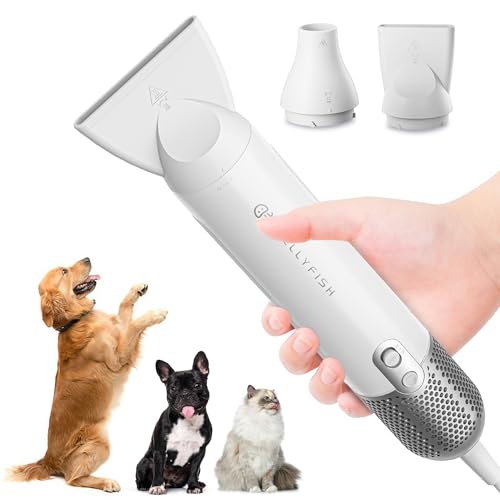
High-Speed Efficient Drying : JELLYFISH Dog Hair Dryer Equipped with a Innovative High-Tech 40mm brushless motor, delivers a revolutionary 62m/s air velocity, reducing drying time by 60%.Smaller size higher airflow power, Portability for home or travel.
Encouraging a Lifelong Brushing Routine
Establishing a lifelong brushing routine for our cats is essential for their overall well-being, especially as early experiences shape their perceptions of grooming. Starting during kittenhood, we should introduce a variety of brushes to find what our cats prefer, as different tools can affect their comfort level. Following each grooming session, rewarding our cats with treats or playtime helps create a positive association, making them more likely to embrace future sessions. Short, consistent brushing intervals in a calm environment build trust and reduce anxiety. Additionally, during shedding seasons, gradually increasing brushing frequency will help our cats acclimate to more regular grooming, ultimately maintaining their coat health while reinforcing a soothing routine that they can come to enjoy.
Frequently Asked Questions
Why Do Some Cats Not Like Being Brushed?
Some cats don’t like being brushed due to their unique brushing preferences. Sensory sensitivity can make grooming stressful, and past negative experiences may cause them to associate the activity with discomfort or fear.
What Is the 3-3-3 Rule of Cats?
The 3-3-3 rule helps us understand cat behavior: three days of stress, three weeks of adjustment, and three months for feline comfort. During this time, we should observe grooming preferences and allow them to settle.
What Is the Silent Killer of Cats?
Cunningly concealed, chronic kidney disease’s a silent killer affecting cat health. Fur disease, stress factors, and sneaky symptoms make it essential to catch early. Let’s monitor our feline friends for a healthier, happier tomorrow together!
What Annoys a Cat the Most?
A cat’s most annoying experiences often stem from unsuitable grooming practices. Poor brushing techniques can overwhelm their feline sensory sensitivity, making it crucial for us to understand individual grooming preferences and tailor our approach to keep them happy.