As an Amazon Associate, we earn from qualifying purchases. Some links on this site are affiliate links at no extra cost to you. Our recommendations are based on thorough research and editorial judgment.


How Stress Affects Cat Grooming Habits

Stress greatly impacts cat grooming habits, leading to overgrooming as a coping mechanism for anxiety. In multiple-pet households, environmental changes, or shifts in social dynamics, cats may exhibit excessive grooming due to emotional distress. We should monitor for signs like bald patches, sore skin, or increased grooming frequency, which may indicate health issues such as psychogenic alopecia. Understanding these behaviors is essential for effective management, and exploring further can provide additional strategies for alleviating your cat’s stress.
Key Takeaways
- Stress can trigger excessive grooming behaviors as cats attempt to cope with anxiety or emotional distress.
- Environmental changes, such as moving or altering furniture, can significantly impact a cat’s grooming habits.
- Social dynamics in multi-pet households often lead to increased grooming as cats deal with competition or hierarchy stress.
- Symptoms of overgrooming include hair loss, sore skin, and changes in grooming frequency, indicating potential stress-related issues.
- Consulting a veterinarian is essential for identifying underlying health problems and implementing effective stress management strategies.
Understanding Overgrooming in Cats
When we observe our feline companions engaging in excessive self-grooming, it is vital to understand that this behavior, known as overgrooming, often signifies underlying stress or anxiety. Overgrooming can lead to hair loss, particularly evident in bald patches on the belly and legs, as well as sore or irritated skin. This excessive grooming can result from various behavioral issues, reflecting an emotional state rather than a physical condition. Conditions such as psychogenic alopecia arise when stress compels cats to excessively groom specific body areas, further exacerbating skin problems. If we notice these symptoms, it is important to consult a veterinarian, who can help identify the underlying causes of overgrooming and create effective treatment strategies tailored to our cat’s needs. Creating a dedicated and private space for essential activities like using the litter box can help reduce stress triggers, as litter box enclosures minimize distractions and provide cats with a comfortable environment.
Common Causes of Stress-Induced Grooming
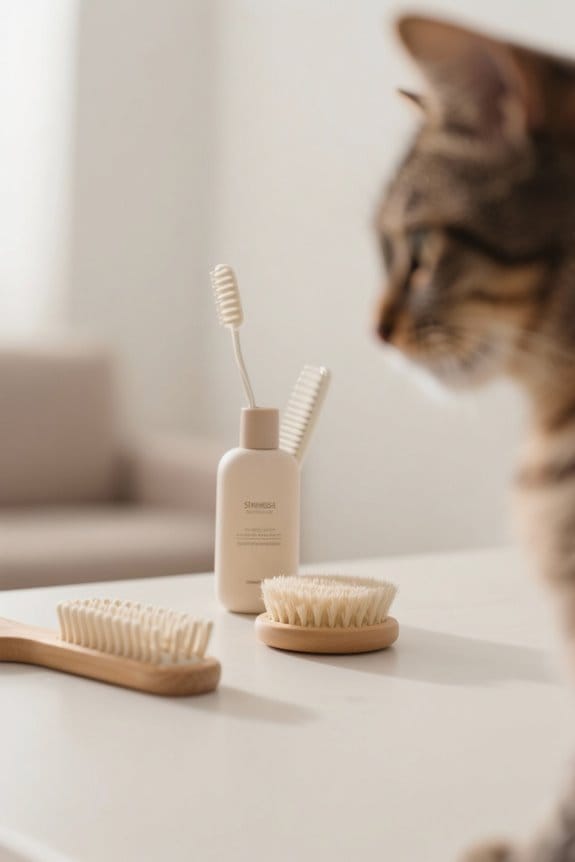
Stress-induced grooming in cats can stem from a variety of environmental and social factors that disrupt their sense of security. For instance, moving to a new home or changes in their environment, like rearranging furniture, may trigger anxiety, resulting in excessive licking as a coping mechanism. In multi-pet households, social dynamics can also lead to stress; aggressive housemates may provoke heightened grooming behavior in response to fear or discomfort. Additionally, outdoor stressors, such as loud noises or visible wildlife, influence cats’ anxiety levels, prompting them to engage in cat overgrooming. Significant life changes, including the arrival of a new baby, can elicit emotional distress. To prevent these situations, we should guarantee our cats’ environments remain stable and enriching. When addressing stress-related grooming behaviors, calming sprays with pheromones can help reduce anxiety and create a more relaxed atmosphere for your cat.
Recommended Products


FELIWAY Optimum is a patented* pheromone discovery developed by the #1 vet recommended brand to help reduce common signs of stress in cats such as: scratching, urine spraying, conflicts between cats, and excessive hiding.
Identifying Signs of Overgrooming

Identifying signs of overgrooming in cats requires careful observation of their grooming behaviors and the condition of their fur and skin. Look for distinct patterns of fur loss, especially bald patches or areas with shortened fur on the back, belly, or inner legs. Additionally, check for sore, red, or damaged skin, which might indicate underlying health issues requiring veterinary care. If we notice a sudden increase in grooming frequency or grooming-related injuries, it’s essential to seek professional evaluation promptly. Overgrooming often results from stress or anxiety, leading to conditions like psychogenic alopecia, which manifests as a thinning or uneven coat. Monitoring these signs closely can help in addressing potential health problems early. Since stress-related behaviors can also affect oral health maintenance, incorporating dental care products into your cat’s routine during veterinary visits may help identify other health concerns that contribute to anxiety-driven grooming.
Recommended Products
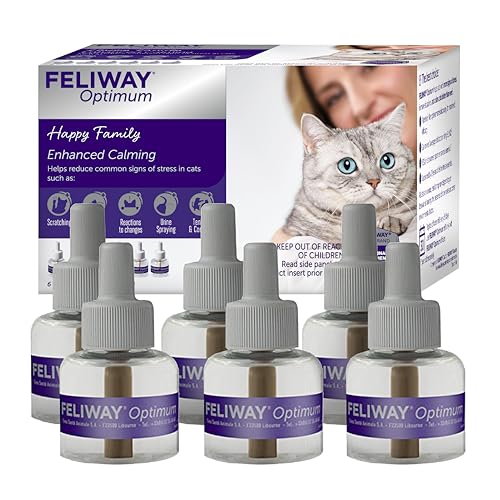
HELPS REDUCE SIGNS OF STRESS USING A PATENTED PHEROMONE: FELIWAY Optimum is an advanced cat pheromone diffuser that helps reduce signs of stress in cats and helps ease tension between cats.*
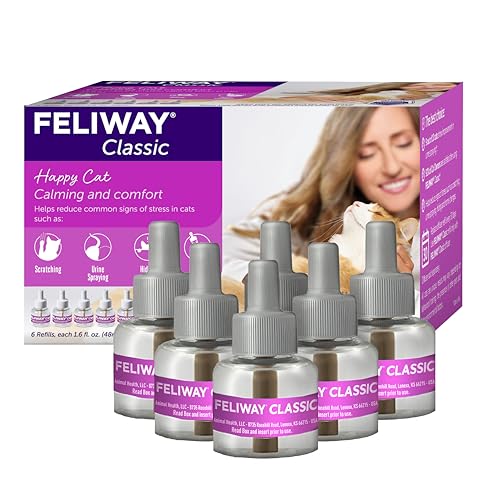
HELPS REDUCE CAT STRESS: FELIWAY Classic is a cat calming diffuser that helps individual cats feel calm and reduce stress behaviors like scratching, urine spraying, and hiding

REDUCE MULTI-CAT CONFLICT: Use to reduce aggressive behaviors between cats like swatting, scratching, biting, fighting, hissing, growling, spitting, screaming, non-playful staring, stalking, chasing, and blocking; Most cats saw improved behavior as soon as 1 week
The Impact of Stress on Cat Behavior
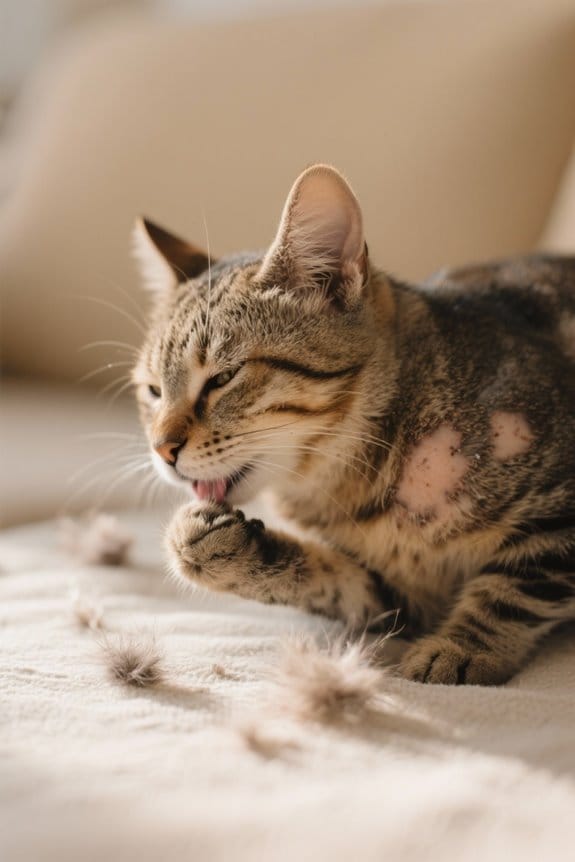
Understanding how stress influences cat behavior is fundamental for ensuring their well-being. Stress can lead to significant changes in grooming behavior, often resulting in overgrooming that causes fur loss and skin issues. When cats experience emotional stressors, such as moving or changes in the household, they may resort to grooming as a coping mechanism, which can become compulsive and problematic. Increased grooming often occurs at night, making it harder for us to observe and identify these stress-related behaviors. To help our cats manage stress, we should assess and modify their environment, ensuring enrichment and safe experiences. Providing outdoor exploration opportunities with specialized equipment like retractable cat leashes can offer controlled freedom and environmental enrichment that helps reduce stress-related grooming behaviors. By recognizing these stress impacts on grooming behavior, we can take proactive steps to promote a healthier and more balanced lifestyle for our cats.
How to Help Your Cat Manage Stress
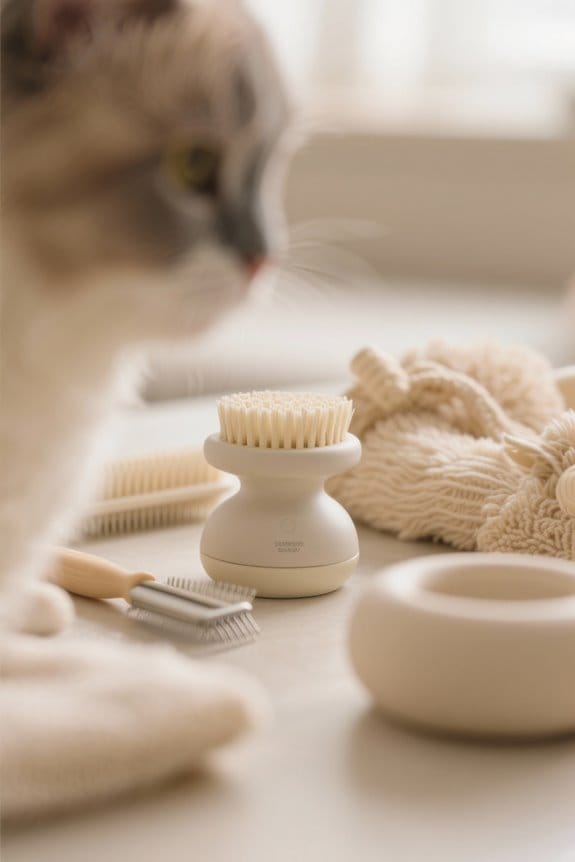
When we think about how to help our cats manage stress, it’s important to create an environment that fosters a sense of safety and predictability, as this can greatly improve their overall well-being. We should create a consistent daily routine that includes regular feeding times and play sessions. Engaging in interactive play sessions for at least 15-20 minutes daily provides essential mental stimulation and physical exercise, thereby alleviating stress. Additionally, incorporating environmental enrichment, such as cat trees or hiding spots, allows our cats to explore comfortably. Using calming products, like pheromone diffusers, can further soothe their environment. For cats experiencing anxiety related to grooming or travel, consider offering calming treats that contain ingredients such as L-theanine, melatonin, or probiotics to promote relaxation without sedation. Finally, it’s important to monitor changes in behavior closely, as early identification of stressors can help stop excessive grooming effectively.
Recommended Products

HELPS REDUCE SIGNS OF STRESS USING A PATENTED PHEROMONE: FELIWAY Optimum is an advanced cat pheromone diffuser that helps reduce signs of stress in cats and helps ease tension between cats.*
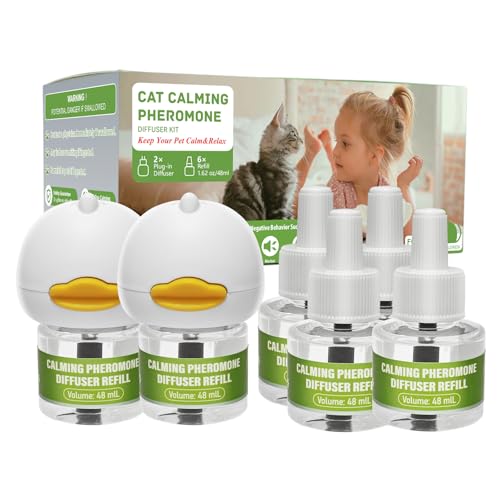

SPECIFICALLY DESIGNED FOR MULTI‑CAT HOMES: FELIWAY MultiCat is a cat calming diffuser that helps reduce tension between cats, including conflict, fighting, chasing, and blocking - supporting a calm home for cats living together
Importance of Veterinary Guidance for Overgrooming Issues
After we’ve implemented strategies to help our cats manage stress, it becomes important to contemplate the role of veterinary guidance in addressing excessive grooming behaviors. Veterinarians are essential in diagnosing underlying health conditions like allergies or infections that might be causing our cats’ overgrooming. They typically perform physical exams and laboratory tests to uncover issues that may not be evident to us as owners. The treatment options they prescribe may involve medications, lifestyle modifications, and changes in the environment that specifically target our cat’s stress levels. Regular veterinary check-ups allow for the prompt identification of any changes in grooming behavior, ensuring we can develop a thorough plan that incorporates both the physical and psychological aspects of excessive grooming, and promoting our cat’s overall well-being. These frequent veterinary assessments are particularly crucial for senior cats, as they support ongoing health management and can help identify age-related issues that may contribute to changes in grooming patterns.
Frequently Asked Questions
Do Cats Groom Excessively When Stressed?
Yes, cats do groom excessively when stressed. If we observe anxiety indicators, it’s essential to identify grooming triggers and adapt relaxation techniques, ensuring our feline friends find stress relief amid environmental changes. Let’s support their well-being together!
How Can You Tell if a Cat Is Stressed Out?
We can tell if a cat is stressed by observing changes in their behavior. Stress indicators include altered grooming rituals, body language like hiding, and reactions to environmental factors that might trigger feline anxiety.
Why Is My Cat Over Grooming All of a Sudden?
If our cat’s over grooming suddenly, it could reflect behavioral changes caused by environmental factors, health issues, or sudden anxiety. We should consider soothing techniques to restore feline comfort and check with a vet if needed.
How to Stop Stress Grooming in Cats?
To stop stress grooming in cats, let’s not just throw some catnip around. Instead, we should consider behavioral modification, environmental adjustments, calming techniques, vet consultation, and enrichment activities for effective stress relief.