As an Amazon Associate, we earn from qualifying purchases. Some links on this site are affiliate links at no extra cost to you. Our recommendations are based on thorough research and editorial judgment.

Why Cats Have Grooming Preferences: Understanding Feline Psychology

Cats exhibit grooming preferences that considerably reflect their psychological states and social dynamics. These behaviors, which can occupy 30% to 50% of their waking hours, stem from early experiences, individual personalities, and environmental factors. For instance, preferred grooming areas often indicate comfort and bonding with others. Additionally, these rituals serve to reinforce social hierarchies and promote hygiene among cats. Observing these preferences closely can reveal essential insights into their well-being and emotional health, suggesting further exploration into their complex behaviors.
Key Takeaways
- Grooming preferences in cats often stem from early positive experiences, influencing their comfort and willingness to engage in grooming practices.
- Cats prefer specific grooming areas to reflect feelings of safety and social bonding, indicating their trust levels with companions.
- Individual personalities and life experiences shape unique grooming rituals, with dominant and submissive cats displaying distinct approaches.
- Changes in grooming habits may reveal underlying health issues or stressors, making monitoring grooming behavior essential for cat owners.
- Clean environments promote optimal grooming habits by reducing stress and enhancing overall well-being in cats, fostering positive social interactions.
The Importance of Grooming in Cat Behavior
You may be interested


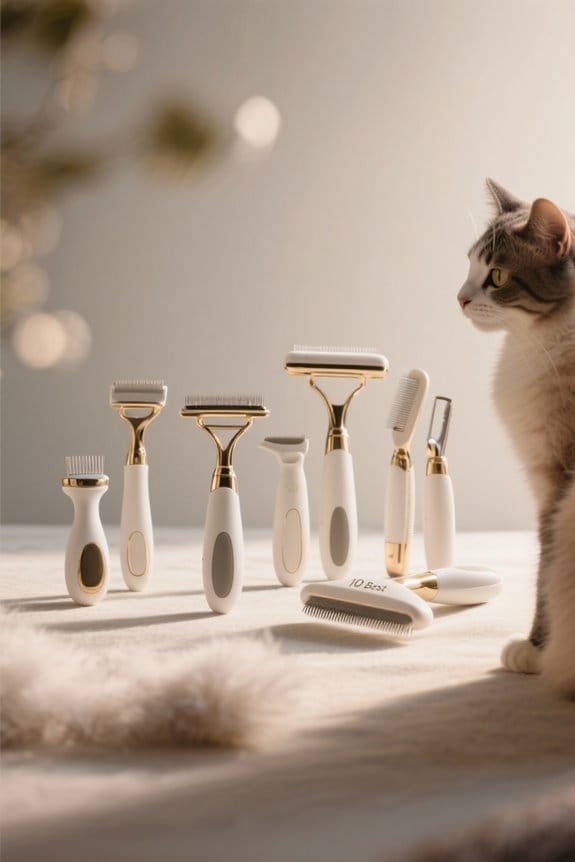
While we may often overlook the significance of grooming behavior in cats, it serves as a fundamental aspect of their overall well-being and hygiene. Grooming occupies 30% to 50% of a cat’s waking hours, highlighting its essential role in maintaining cleanliness. Self-grooming not only removes dirt and loose fur but also supports skin health through the stimulation of sebum production. Additionally, this behavior acts as a calming mechanism, offering comfort during stressful situations. Mutual grooming, or allogrooming, is vital for reinforcing social bonds and trust among cats, illustrating their hierarchical structures. As kittens, they observe and learn these behaviors from their mothers, which aids in their development into independent adults capable of both personal and social grooming. Regular grooming sessions foster a stronger bond between the pet and owner while also helping to maintain optimal coat hygiene and reducing excess shedding throughout the home.
Recommended Products
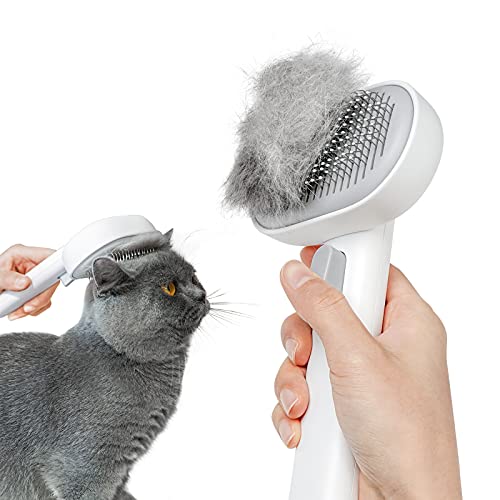
【Professional Cat Hair Brush】Perfect gift for pet owners, vets, and pet groomers. Using this cat brush for long haired cats on a regular basis can gently and effectively remove loose hair, tangles, knots, dander and trapped dirt. Suitable for short, medium or long, thick, thin or curly haired dogs/cats/rabbits, making your pets shiny and healthy.

Cat brushes for long haired cats and short haired cats

【Professional Pet Grooming Kit 】3 Pet grooming tools selected by pet lovers, which can meet daily all the grooming needs of pets. Let you, as the groomer, personally give your furry friend a shiny and healthy coat. This is a must-have beauty product set for pet lovers! The Best Dog Gifts - Merry Christmas
Factors Influencing Grooming Preferences
Understanding the factors that influence grooming preferences in cats is essential for promoting ideal health and well-being. Cats often develop grooming preferences based on positive early experiences, particularly maternal grooming, shaping their comfort with various practices. Preferred areas, like the head and neck, link closely to social bonding, creating feelings of safety. In multi-cat households, a cat’s grooming preferences can indicate their social hierarchy; dominant cats may prefer grooming subordinates, whilst receiving grooming from lower-ranking cats. Stress or environmental changes can also alter preferences, prompting cats to seek comforting routines. Additionally, health and hygiene needs greatly impact grooming habits, as certain coat types or skin conditions may demand focused attention in specific areas, ensuring overall feline wellness. Regular grooming sessions with gentle grooming techniques can help strengthen the bond between owner and pet while accommodating individual preferences and sensitivities.
Recommended Products

Gentle Bristle Brush: The Menesia Pet Soft Brush features soft boar bristles that are perfect for cats and dogs with short hair, providing a gentle grooming experience.

【Soft and Gentle】 The boar bristles are the perfect stiffness, not too stiff or too soft. Not like wire and plastic bristle brushes are too rough for cats skin, the boar bristle bush are soft enough to use all over their face and paws without pulling hair or hurting themselves, make them feel comfortable and loved.

WORLD’S #1 CAT HAIR BRUSH: Our cat grooming brush / cat shedding brush is the world's best patented pet grooming brush for cats, small dogs, and rabbits. It is the perfect cat deshedding brush, short hair cat brush, & cat brush for long haired cats.
How Social Dynamics Shape Grooming Choices
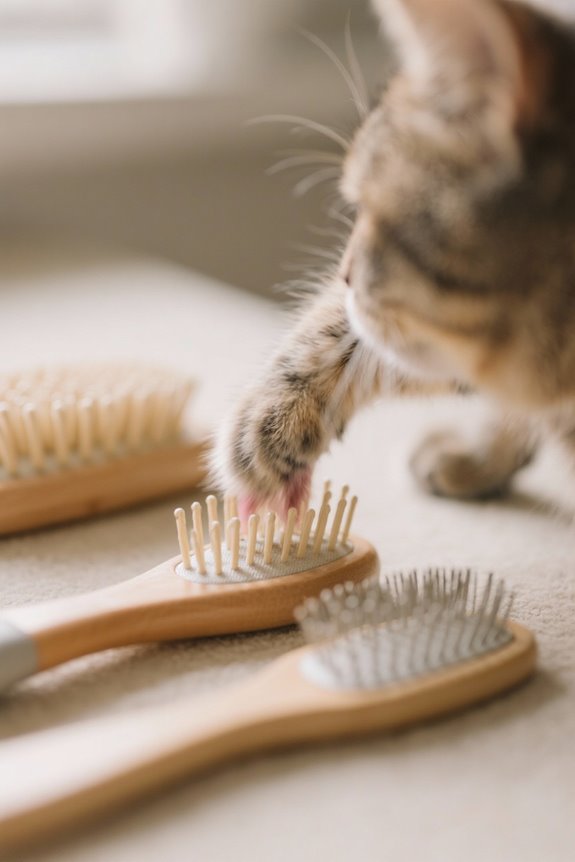
When we consider how social dynamics shape grooming choices among cats, it becomes evident that these behaviors are intricately linked to their interactions and status within a group. Higher-ranking cats often engage in grooming lower-ranking individuals, reinforcing dominance and acceptance. In contrast, allogrooming—a mutual grooming practice—strengthens social bonds between bonded cats, serving as a trust sign while allowing cooperative hygiene maintenance. Environmental stressors can shift these dynamics, prompting dominant individuals to take on more grooming responsibilities to preserve group harmony. In multi-cat households, consistent grooming rituals not only signal friendship but also bolster social cohesion, essential for a peaceful coexistence. Recognizing these intricate relationships within a feline community can aid in promoting a balanced environment for our pets. Changes in grooming habits can serve as important behavioral indicators that may signal underlying health issues or stress, warranting closer observation and potentially veterinary check-ups to ensure your cat’s wellbeing.
Individual Personalities and Grooming Rituals

Cats display a wide array of grooming rituals that are closely tied to their individual personalities, shaped by their life experiences and early interactions, particularly during their formative kittenhood with their mother. Individual personalities profoundly influence grooming habits, as some cats prefer specific areas, like the face or paws, demonstrating their comfort levels. Over time, grooming preferences can shift due to age and physical changes, with feline friends developing new habits that cater to their evolving needs. Additionally, cats with positive socialization during grooming sessions are generally more receptive to various techniques. Dominant cats might engage in thorough grooming to establish social hierarchies, while submissive cats tend to favor gentler approaches, revealing the complexities of their grooming rituals. Understanding these preferences extends beyond fur care, as regular dental care routines also require patience and acclimation based on each cat’s unique personality and comfort level.
Grooming as a Form of Communication

Grooming, while often viewed as a personal care activity, serves a critical role in feline communication, demonstrating intricate social structures and relationships among cats. Through grooming, we observe social bonding, particularly in behaviors known as allogrooming, where one cat grooms another. This act signifies trust and affection, thereby reinforcing their social hierarchies. Importantly, grooming in front of humans showcases these same relationships, indicating a desire for recognition of their connection. Moreover, grooming can reflect dominance dynamics within a group, as higher-ranking cats may groom lower-ranking ones, creating and maintaining social order. By understanding these grooming behaviors, we can interpret the body language of cats, enhancing our appreciation for their complex social interactions. Excessive scratching or discomfort during grooming may indicate underlying issues such as flea infestations, which can disrupt normal grooming patterns and social behaviors.
The Role of Mutual Grooming in Feline Relationships
Mutual grooming, known technically as allogrooming, plays a pivotal role in strengthening the bonds between closely related or socially connected cats, which often include littermates or those living in the same household. This behavior is essential for social bonding and helps to establish trust, while also maintaining cleanliness by allowing cats to reach hard-to-groom areas like the head and neck. Furthermore, mutual grooming can signify social hierarchy, as higher-ranking cats may groom lower-ranking ones, thereby reducing potential conflict and reinforcing order. Observing this behavior within a group of cats indicates strong feline relationships, demonstrating respect and camaraderie. Allogrooming also communicates these bonds to others, enhancing social structures within multi-cat households. When grooming sessions lead to skin irritations or hot spots from excessive licking, monitoring these areas and consulting a veterinarian for persistent issues becomes important for maintaining overall skin health.
Understanding Grooming as a Stress Relief Mechanism
While many might not realize it, the act of grooming serves as a critical self-soothing mechanism for felines, which can greatly benefit their overall emotional and physical well-being. When cats groom, they engage in self-grooming activities that help reduce stress and promote relaxation, particularly in anxiety-inducing situations. The process releases endorphins that alleviate feelings of discomfort and anxiety, functioning similarly to stress relief behaviors observed in humans. Additionally, regular grooming regulates heart rates and lowers stress-related hormones. We should observe a cat’s grooming habits closely, as changes in frequency can reflect shifts in their emotional well-being. However, excessive grooming that leads to skin irritation or ear discomfort may require alcohol-free treatments with soothing ingredients like aloe vera to restore comfort and prevent further stress. This understanding allows us to address factors impacting our cat’s mental state and overall health effectively.
Recommended Products

Scared pet? Get fast dog anxiety relief! Our spray helps your furry friend relax during loud fireworks, vet visits, car rides and separation anxiety. It is the perfect calming care for dogs and cats when they feel stressed out.

CAT DANDER CONTROL SPRAY: Waterless cat grooming spray designed to help reduce visible cat dander and dandruff between baths. Colloidal oat flour helps soothe dry skin while supporting coat comfort during regular brushing and grooming routines.
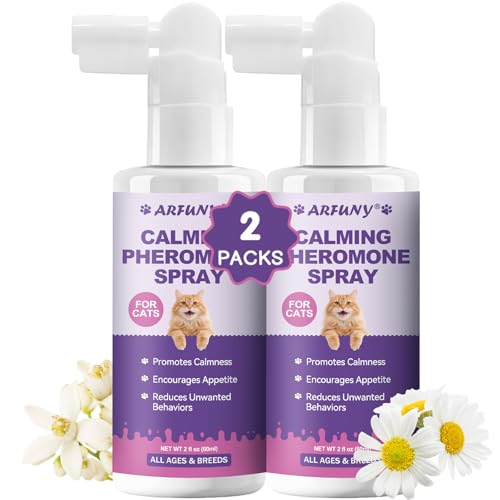
Cat Anti Anxiety Spray: Crafted to comfort your pet during stressful moments, our spray provides effective anxiety relief. It soothes your cat’s nerves during travel or any new experience. The pheromone formula helps create a safe, calm environment that reduces stress-related behaviors, allowing your cat to feel at ease
Grooming Preferences and Health Indicators
How can we effectively assess our cats’ grooming preferences to better understand their health? Monitoring our cat’s grooming behavior provides essential health indicators. Typically, cats devote 15% to 50% of their waking hours to grooming, which is important for skin health and cleanliness. A sudden decline in grooming may indicate illness, discomfort, or psychological stress, while excessive grooming could result in skin irritations or bald patches. By observing individual grooming preferences, we can gain insights into their unique psychological states, shaped by past experiences and maternal influence. Regularly noting any alterations in this behavior is significant; if significant changes occur, we should consult a veterinarian promptly to rule out potential health problems or environmental stressors. Having a cat first aid kit on hand allows us to address minor skin irritations that may arise from over-grooming or other grooming-related issues.
Recommended Products

🐾Premium Pet First Aid Care: Elevate your pet care with our 95-piece Everlit Care Pet Medic First Aid Kit. Each item is intricately selected and vet-approved, ensuring your furry friends receive top-tier, professional-grade medical treatment. Delve into a tapestry of high-quality supplies that transcend basic pet care needs for optimal pet health and safety.

1. BE PREPARED FOR ANY PET EMERGENCY – Vet-approved dog & cat first aid kit with pet-safe medical supplies, perfect for home, car, and outdoor adventures. Designed for fast, effective emergency care.

ENSURE PET SAFETY ON THE GO with our dog travel accessories, dog must haves in pet travel. Our comprehensive pet first aid kit for dogs is your companion for worry-free journeys.
Observing Body Language in Grooming Interactions
Often, observing a cat’s body language during grooming interactions can reveal important information about their comfort level and emotional state. For instance, when cats exhibit raised tails and purring, we can infer they’re content and engaged in social bonding. Conversely, flattened ears and tail twitching signal discomfort or a desire to disengage from the grooming process. Mutual grooming often displays relaxed postures, indicating trust, while aggressive grooming may show tense body language and resistance. We should also watch for grooming pauses; if a cat frequently stops and scans its surroundings, it might indicate anxiety. By understanding these body language cues, we can ascertain the dynamics at play, allowing for a better interpretation of the cats’ social relationships. Providing a secure play area with multiple activity zones can help reduce anxiety and promote positive behavioral expressions during these interactions.
Enhancing Cat Relationships Through Grooming Awareness
Grooming awareness is essential for enhancing relationships among cats, particularly in multi-cat households, where establishing social hierarchies can considerably impact their interactions. By recognizing each cat’s grooming preferences, such as favorite spots like behind the ears or under the chin, we can promote social bonding. Observing grooming interactions helps us monitor behavior, identifying any signs of dominance or submission, which enables appropriate interventions. Providing opportunities for mutual grooming, especially in areas that are hard to reach, fosters cooperation and reinforces social structures. For newly introduced cats, encouraging grooming interactions is crucial; this facilitates acceptance and helps them integrate into existing groups, ultimately leading to a more harmonious household dynamic. Maintaining a clean environment with daily scooping of litter boxes supports hygiene and reduces stress, which can positively influence grooming behaviors and social interactions among cats.
Recommended Products

Dual-Head Design: 2 sides, 2 coats, 1 tool! Use the 9-teeth side of this dog and cat brush for smooth dematting, and the 17-teeth side for quick coat thinning and deshedding.


HAIR FLOATING EVERYWHERE DURING SHEDDING SEASON? MIST LOCKS IT DOWN: Shedding season coat-blowing turns your home into a fur storm. Our cool-mist technology gently envelops each strand, reducing loose hair from flying into the air – it stays on the cat brush, not your sofa. Switch between Power Mist for deep undercoat deshedding or Soft Mist for daily shine. Perfect for Huskies, Labs, Maine Coons, and any heavy shedder.
Frequently Asked Questions
Is Grooming a Learned Behavior in Cats?
Yes, grooming’s a learned behavior in cats. Their grooming habits are shaped by observing others, reflecting social influences. We see how feline behavior evolves through these interactions, showcasing their unique, personal grooming routines over time.
What Is the 3-3-3 Rule for Cats?
The 3-3-3 rule for cats outlines their adjustment: three days to explore, three weeks to build socialization skills, and three months to reduce feline anxiety. Using grooming tools can aid the process, enhancing their comfort.
Why Are Cats Meticulous Groomers?
Cats are meticulous groomers due to self-grooming benefits, reinforcing feline hygiene habits, promoting stress relief, and fulfilling instinctual behavior. By grooming, they maintain cleanliness, comfort, and a sense of well-being throughout their lives.
What Is the Silent Killer of Cats?
The silent killer of cats is chronic kidney disease. It’s essential we monitor our pets’ kidney function, as factors like heart disease, dental health, and obesity risk can considerably impact their overall well-being and lifespan.


