As an Amazon Associate, we earn from qualifying purchases. Some links on this site are affiliate links at no extra cost to you. Our recommendations are based on thorough research and editorial judgment.

Why Covered vs. Open Litter Boxes Matter to Your Cat

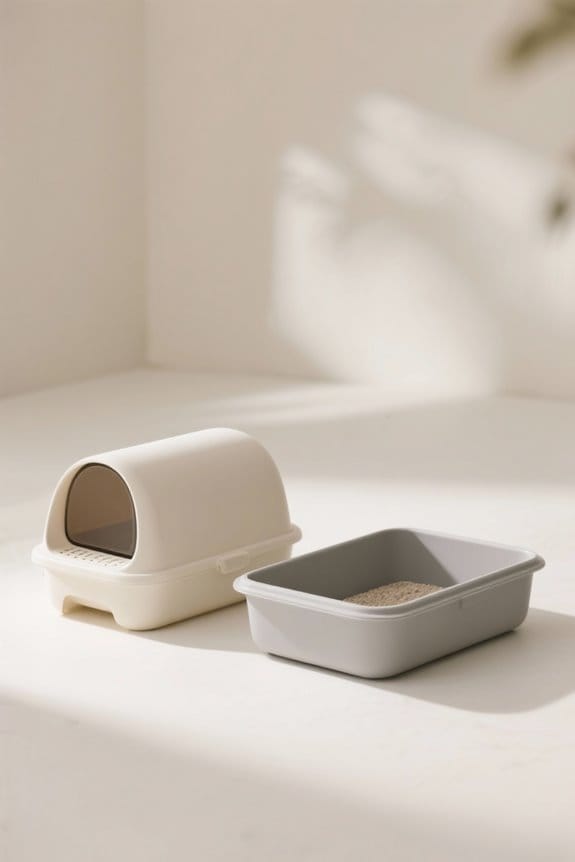
Choosing between covered and open litter boxes is critical for our cats’ comfort and hygiene. Open boxes provide easy accessibility, enhanced ventilation, and a clear view for security, while covered boxes offer privacy and better odor control. Each design has distinct advantages and disadvantages; consequently, observing our cats’ behavior can help us understand their preferences. Maintaining a clean and well-placed litter box, at least 32.5 x 19.75 inches in size, is essential for fostering proper habits and comfort. More insights follow to guide our decisions.
Key Takeaways
- Covered boxes provide privacy and security for shy cats, reducing their stress during litter box use.
- Open boxes enhance ventilation and accessibility, making them ideal for anxious cats and easy to monitor for health issues.
- The size of the litter box is crucial; it should be 1.5 times the cat’s length for comfort and effective use.
- Regular cleaning and odor control features are essential in both covered and open boxes to maintain hygiene and encourage usage.
- Cat preferences for box type may vary, so observing their behavior helps determine the best choice for their comfort.
The Importance of Litter Box Choice
You may be interested

Can You Compost Used Cat Litter? Safety Guidelines
December 9, 2025
How Deep Should Cat Litter Be in the Box?
December 9, 2025
When selecting a litter box, we must consider its impact on our cats’ comfort and hygiene, as these factors are vital for promoting regular use. Depending on individual cats, some may prefer covered boxes for privacy, while others might feel constrained and opt for open boxes. A box that measures at least one and a half times the length of your cat, ensuring adequate space, is important. Regularly cleaning the box is significant; maintaining hygiene will influence your cat’s willingness to use it. While studies show that 70% of cats use both covered and open types equally, understanding our cats’ behaviors helps create a tailored environment that reduces stress and supports their instinctual need to bury waste. For enhanced odor management, litter boxes with advanced filtering systems can significantly reduce household odors while maintaining a cleaner environment.
Open Cat Litter Boxes: Pros and Cons
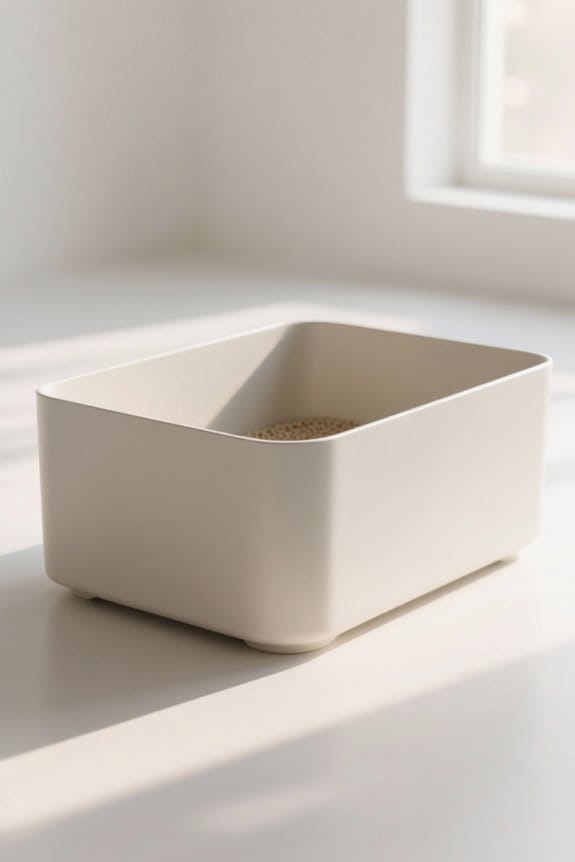
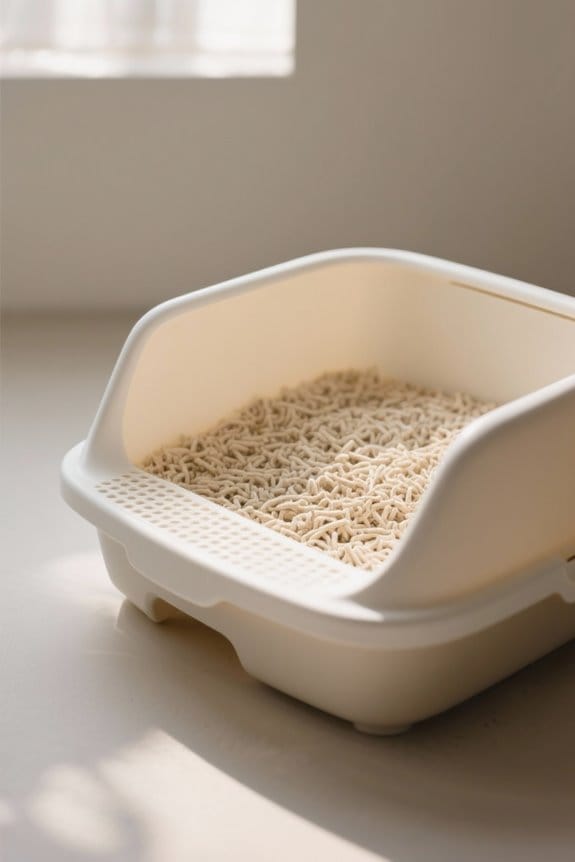
Open cat litter boxes present various advantages and disadvantages that require evaluation for ideal cat care. For cat owners, these boxes offer easy accessibility and enhanced comfort, especially for anxious cats who benefit from the absence of flaps or enclosed spaces. Improved ventilation in open litter boxes reduces odor buildup, fostering a healthier environment for both cats and their owners. In addition, the unobstructed view allows cats to feel secure from potential threats, which is particularly advantageous in multi-cat households. Open-top designs also allow for easy monitoring of cats’ habits and health, accommodating all cat sizes while providing the visibility needed to track litter box usage. However, there are cons to evaluate; open litter boxes may lead to increased litter scatter and noticeable odors, necessitating more frequent cleaning. Additionally, timid cats might feel exposed in an open box, compromising their comfort during elimination.
Recommended Products

LONG-LASTING STAINLESS STEEL LITTER BOX: Crafted from premium stainless steel, this kitty litter box is scratch-proof, rust-resistant, and designed to last up to 5 years. Unlike plastic, it won't crack, absorb odors, or stain over time, making your cat always have a clean and safe space. With this long-lasting durability, you won't have to worry about constant replacements, saving you time and money.

Stainless Steel Material and Open Top: Kirecoo cat litter box is made from high-quality stainless steel. Unlike plastic litter box, this litter pan delivers good performance and sturdy. Stainless steel litter box is proof against scratches and dents during use and do not absorb or retain stinky smell. The open-top design of the top entry litter box is ideal for cats that may feel too anxious to enter an enclosed litter box, as well as for those who prefer open air of an unenclosed space.
Covered Cat Litter Boxes: Advantages and Disadvantages
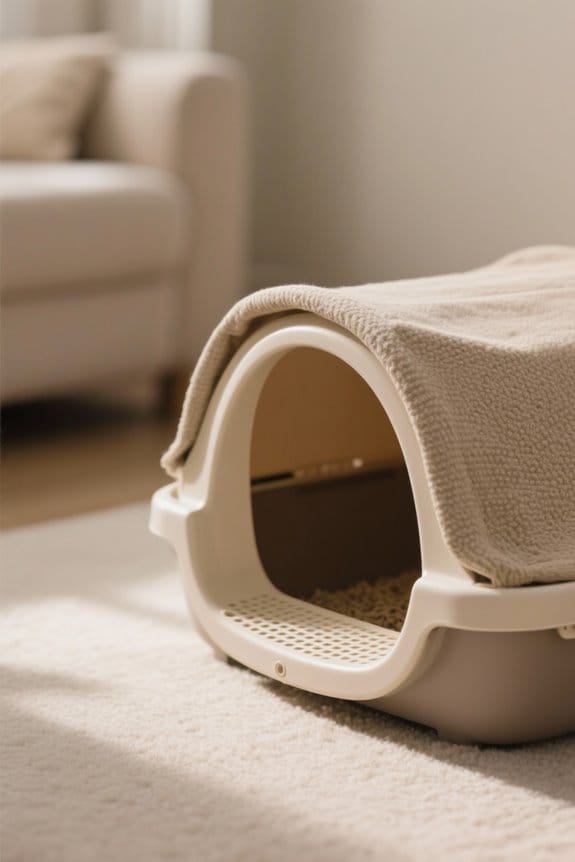
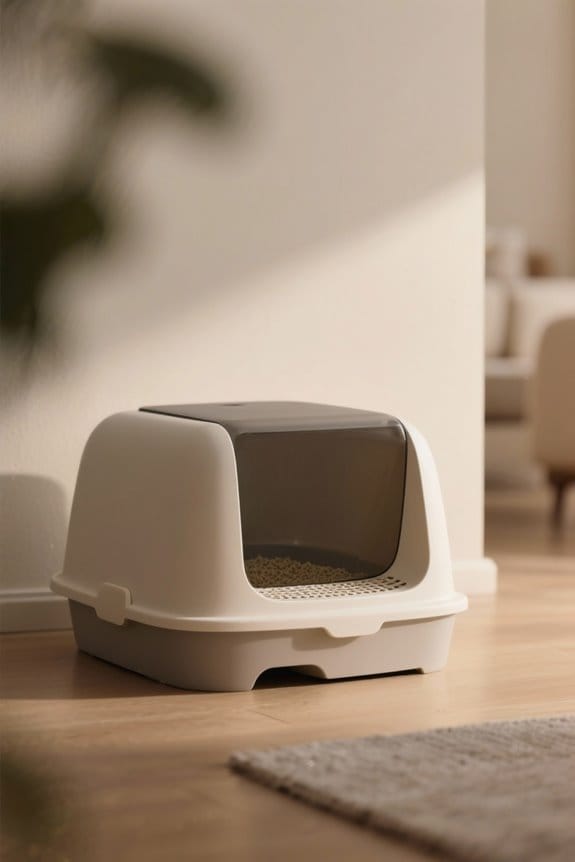
Covered cat litter boxes offer unique benefits and considerations that can greatly impact our cats’ well-being and the cleanliness of our homes. They provide a sense of privacy and security for shy cats, potentially reducing stress during elimination. Moreover, covered boxes excel at odor trapping, which contributes to a fresher environment. However, limited ventilation can intensify odors, creating discomfort for larger breeds. The confined space often makes cleaning the litter box challenging, and neglecting maintenance can lead to harmful bacteria buildup. Additionally, some cats may feel insecure within these covered boxes due to a lack of visibility, essential for monitoring their surroundings against perceived threats. Many covered designs incorporate charcoal filters that effectively absorb odors and maintain a fresher environment for both cats and their owners. Understanding the balance between covered versus uncovered options is vital for ideal cats comfort.
Recommended Products

【Extra Larger Capacity】The XL covered cat litter box size with 23.62" x 15.74" x 15.74", which can hold 20L litter for big cats to use up to 30days, the high-wall provides enough privacy space, it is perfect for big cats and multi-cats family.

ODOR CONTROL: The easy access flap door seals in odors and keeps particles from spilling onto the floor, ensuring they don't infiltrate your home and keeping the area neat and clean.

MADE IN USA with global materials - The IRIS USA open top kitty litter tray offers a functional and comfortable solution to your cat's bathroom needs. With the open air kitty litter pan, getting in and out of the tray has never been easier for your cat and the tall walls keep any litter or spraying inside the tray.
Understanding Cat’s Litter Box Preferences
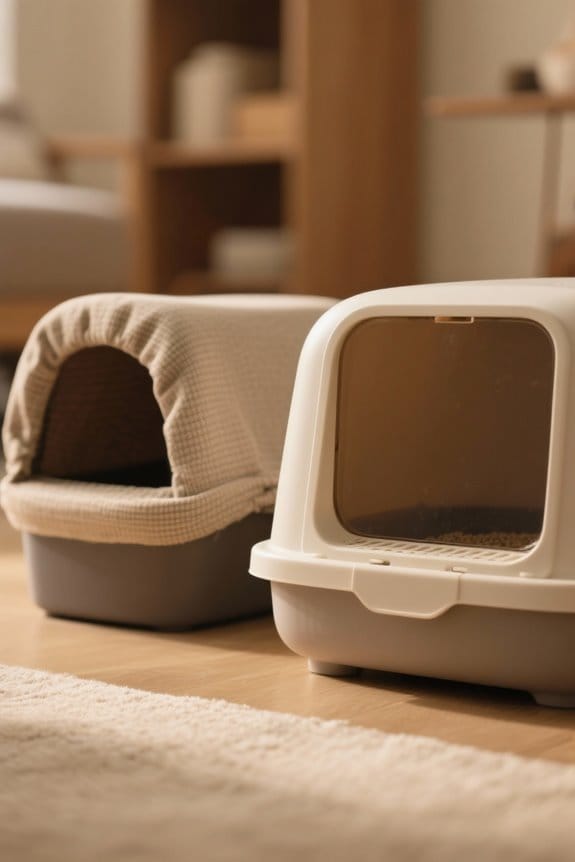
Litter box preferences among cats are influenced by several essential factors, and understanding these can greatly enhance both feline comfort and hygiene within our homes. Individual cat preferences vary considerably; while a study revealed 70% of cats showed no distinct preference for covered versus uncovered boxes, some cats displayed a strong preference for one type. The size of the litter box is crucial, as larger boxes tend to prevent elimination issues and accommodate different breeds. Covered boxes may restrict visibility and escape routes, which could lead to stress, particularly in multi-cat households where social dynamics come into play. Recognizing a cat’s natural instinct for open spaces will guide us in selecting the appropriate litter box that meets their specific needs.
Observing Cat Behavior and Providing Options
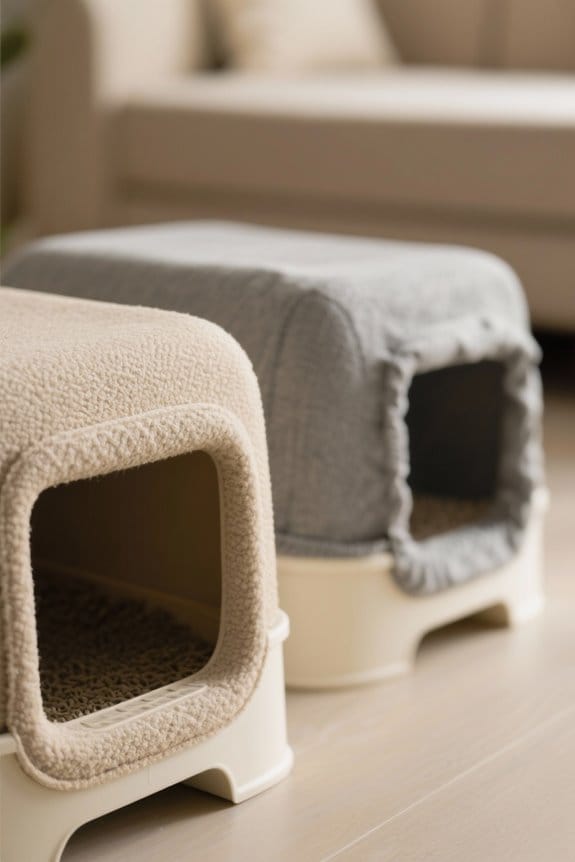
How can we effectively observe our feline companions to confirm their comfort and satisfaction with their litter box arrangements? By providing both covered and uncovered litter boxes, we can observe individual cat preferences. Some cats exhibit confidence in open spaces, while others feel secure within enclosed environments. Body language is pivotal; we should note signs of comfort or hesitation during litter box usage, as these indicators guide our decisions. Regularly monitoring litter box behavior confirms we adapt to changing preferences over time. Offering a choice between box types promotes increased comfort and reduced stress, fostering overall well-being. In multi-cat households, we must observe social dynamics, recognizing that these can influence individual litter box preferences. Just as interactive features can stimulate natural hunting instincts in toys, observing which litter box environment your cat gravitates toward reveals their innate comfort preferences.
Recommended Products

OPEN-TOP KITTY LITTER BOX: This small cat litter pan provides ample space on all sides for cats to do their business comfortably, and is great for small cats or kittens to access

【180° Flip Top For Easy Cleaning】Tired of frequent open the litter box cover to cleaning? Upgrade to Eosarcu Flip Top Stainless Steel cat litter box, Unlike fully enclosed litter box, just rotate the switch instead of take off the whole lid, which makes cleaning incredibly easy – no more awkward, hard-to-reach corners.

1.[JUMBO SIZE & XL CAPACITY] Our kitty litter box (23.6"x15.7"x15.7") allows big cats to turn and dig freely. The large 80L capacity can hold cat litter up to 40L for deeper burying and less refilling—ideal for multi-cat households.
Maintenance Tips for Litter Boxes
To guarantee peak hygiene and create an inviting environment for our feline companions, it’s essential that we adhere to a consistent maintenance routine for their litter boxes. We should scoop the litter box at least twice daily to maintain cleanliness and prevent odors, which encourages regular use by our cats. Additionally, we must perform a deep cleaning of the litter box weekly, utilizing mild detergent and hot water, to eliminate stubborn bacteria and odors. It’s vital to guarantee a sufficient litter depth of 2-3 inches, allowing cats to dig comfortably. Moreover, we need to position litter boxes in quiet, accessible areas away from high traffic, and we may consider offering both open box and covered cat litter boxes to cater to their preferences. For those seeking to reduce daily maintenance significantly, automatic cleaning cycles can handle waste removal through smart sensors, making them ideal for busy pet owners.
Recommended Products

📲 APP CONTROL: Manage and monitor your automatic litter box remotely through an intuitive app, providing real-time updates and control over the cleaning schedule. (Only 2.4G WIFI)
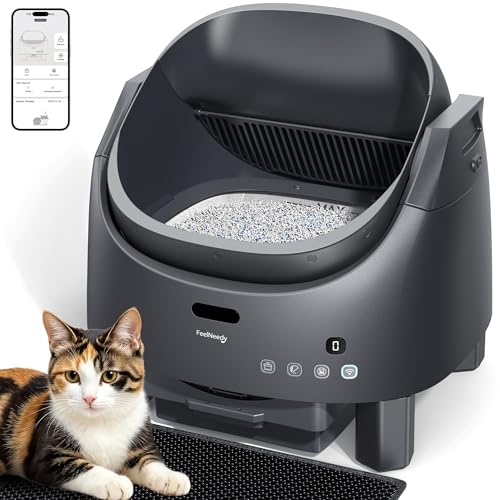
【Fully Automatic Cleaning – No Daily Scooping Required】 No more daily scooping chores. This litter box activates automatically once your cat exits. With a 10L waste drawer that holds roughly 7–10 days of waste (for one cat), you’ll spend less time on cleanup and more time enjoying your furry friend.

【Self-Cleaning & Zero Scooping】: Say goodbye to daily hand scooping! Our self-cleaning litter box activates within 2 minutes after your cat exits, separates waste, and deposits it into a trash bin. Compatible with clumping litter, bentonite litter, mineral litter, and tofu litter. Enjoy a fresh home and zero scooping even with 10-14 days of extended use since an ample 11L trash bin
Common Behavioral Changes With Box Types
Understanding the common behavioral changes associated with covered versus open litter boxes is essential for ensuring that our cats feel comfortable and secure while using the restroom. While many cats may not show a strong preference, individual likes can lead to significant differences in behavior. Cats instinctively favor open environments for monitoring their surroundings during elimination, meaning shifting to a covered box may prompt litter avoidance. Conversely, covered boxes might create a secure space for shy cats, but larger breeds could feel confined, discouraging use. Additionally, the lack of ventilation in covered boxes intensifies odors, making them less appealing, while open boxes promote airflow, resulting in more frequent usage, especially in multi-cat households where visibility is vital for comfort. For large cats in particular, selecting a box with dimensions that allow 1.5 times their body length ensures they have adequate space to turn around comfortably, whether opting for an open-top design or an enclosed model.
Creating a Comfortable Litter Box Environment
Creating a comfortable litter box environment is paramount for promoting our cats’ overall well-being, as it greatly influences their readiness to use the box. We must make sure the litter box is clean, scooping at least twice daily to maintain hygiene, since cats prefer clean spaces. Additionally, choosing a box that is large enough—preferably around 32.5 x 19.75 x 19 inches—will enhance comfort and encourage consistent use. Placing the litter boxes in quiet, accessible locations can considerably reduce stressors, making it easier for our cats to feel secure. Observing our cats’ behavior with both covered and uncovered options allows us to discern their preferences, enabling us to tailor the environment, ultimately guaranteeing maximum comfort and utility for our beloved pets. For enhanced odor control, consider models with carbon filters or enclosed designs that contain smells more effectively while maintaining your cat’s privacy.
Recommended Products
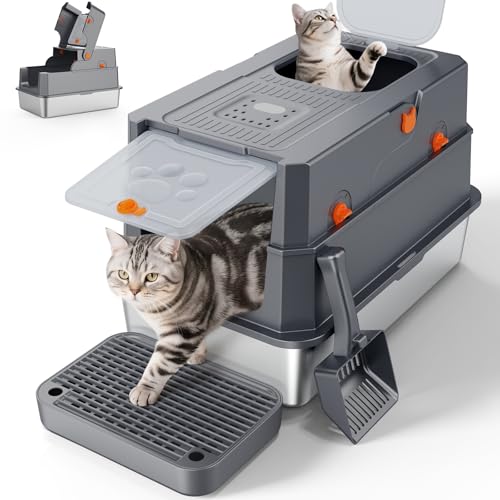
【Innovative Flip-Top Design】The stainless steel covered cat litter box features a flip door design, making cleaning simple and effortless. Easily open the lid to clean without removing the entire cover. With an easy-to-assemble 3-layer detachable shell, it offers both fully enclosed and semi-enclosed configurations.

【XXXL Stainless Steel Litter Box with Lid】 Designed for large and multi-cat households, this extra large stainless steel litter box 28"L × 20"W × 18.1"H offers ample space for big cats to move comfortably, far surpassing standard XL sized boxes. With a 60L litter capacity, it greatly minimizes cleanup frequency while providing superior durability and hygiene. The secure lid ensures added privacy and helps contain odors, making it the perfect high-capacity, low-maintenance solution.
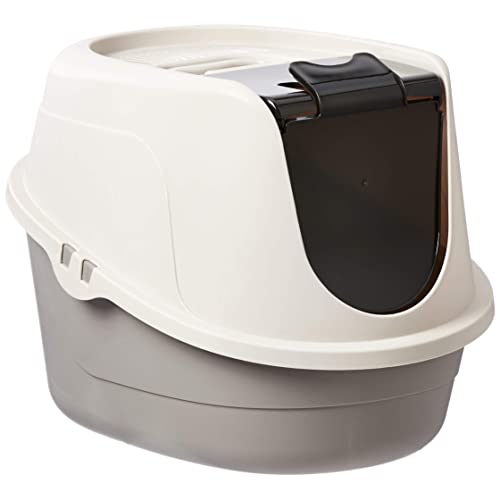
EASY ACCESS FOR CATS: The swinging plastic door allows your cat to enter and exit the hooded cat litter box with ease while keeping the interior mess contained
Frequently Asked Questions
Do Cats Prefer Covered or Uncovered Litter Boxes?
Cats’ litter box preferences can vary; some enjoy privacy in covered boxes, while others favor openness for comfort and accessibility. We should prioritize cleanliness and odor control to meet our furry friends’ needs effectively.
Do Vets Recommend Enclosed Litter Boxes?
Vets don’t always recommend enclosed boxes, despite potential odor control and litter scatter prevention benefits. They emphasize litter box hygiene and consider each cat’s privacy needs and anxiety factors before making a suggestion.
Are Cats Ok With Enclosed Litter Boxes?
Most cats can adapt to enclosed boxes, but their comfort often varies. We should consider cat behavior patterns, accessibility, cleaning frequency, and stress reduction factors to guarantee our feline friends’ litter box preferences are met effectively.
What Are the Benefits of Open Litter Boxes Compared to Covered Litter Boxes?
Did you know that 70% of cats prefer open boxes? Open box advantages include better cat comfort, ease of cleaning, and accessibility factors. Plus, reduced odor control issues allow for more litter type choices, ensuring happier cats!