As an Amazon Associate, we earn from qualifying purchases. Some links on this site are affiliate links at no extra cost to you. Our recommendations are based on thorough research and editorial judgment.

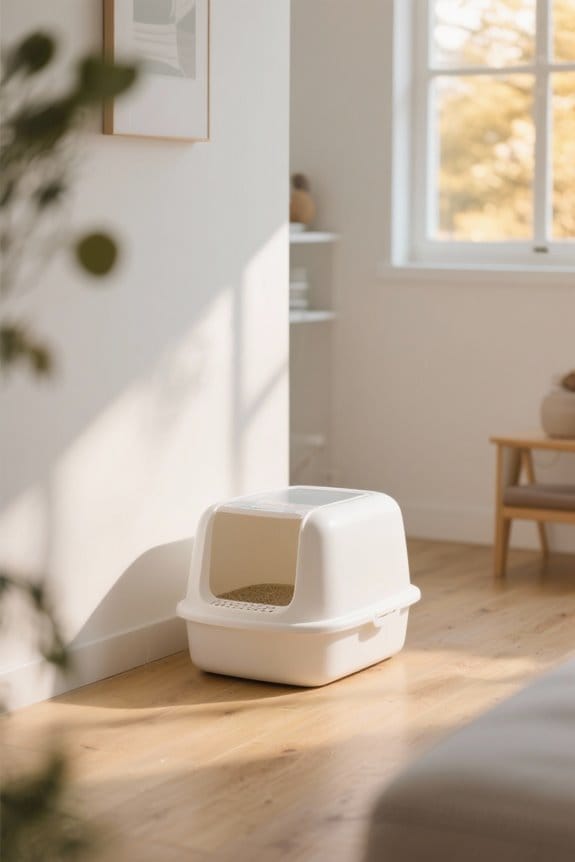
Understanding Territorial Marking vs. Litter Box Use

Understanding the difference between territorial marking and litter box use is essential for effective cat management. We must observe our cats closely, noting behaviors like quivering tails and marking on vertical surfaces as signs of communication. In contrast, larger volumes of urine outside the litter box typically indicate a usability issue. By monitoring litter box placement, ensuring cleanliness, and providing adequate resources, we can help reduce territorial disputes. Let’s explore specific solutions and address underlying causes for thorough care.
Key Takeaways
- Urine marking is a communication behavior, whereas inappropriate elimination usually indicates issues with litter box use or health problems.
- Marking typically involves small amounts of urine on vertical surfaces, unlike larger volumes seen in litter box avoidance.
- Signs of marking include a quivering tail and backing against surfaces, contrasting with guarding behavior near the litter box.
- Addressing territorial behavior requires adequate litter boxes and low-stress environments to reduce competition among cats.
- Regular veterinary check-ups are essential for identifying any underlying health issues that may contribute to inappropriate elimination behaviors.
Why Do Cats Urine Mark?
You may be interested


10 Best Bentonite Cat Litters for a Fresh and Odor-Free Home
November 29, 2025
When considering why cats urine mark, it’s essential to understand that they engage in this behavior mainly as a form of communication; they signal their ownership, sexual availability, and territorial boundaries to other cats. This marking behavior primarily occurs in strategic locations within their territory, such as areas of high traffic or near new objects. Neutered males, as well as intact males, can exhibit urine marking behavior, particularly when experiencing stress or anxiety due to household changes or new pet introductions. To address this issue, we must focus on effective cleaning strategies, utilizing enzymatic cleaners that break down residual odors, thereby preventing repeated marking in the same spots. After cleaning marked areas, applying non-toxic odor eliminators can help neutralize any lingering scents at the molecular level, further discouraging cats from remarking the same location. Understanding these factors can help us create a harmonious environment for our feline companions.
How Can I Tell If My Cat Has a Litter Box Problem or a Communication Problem?
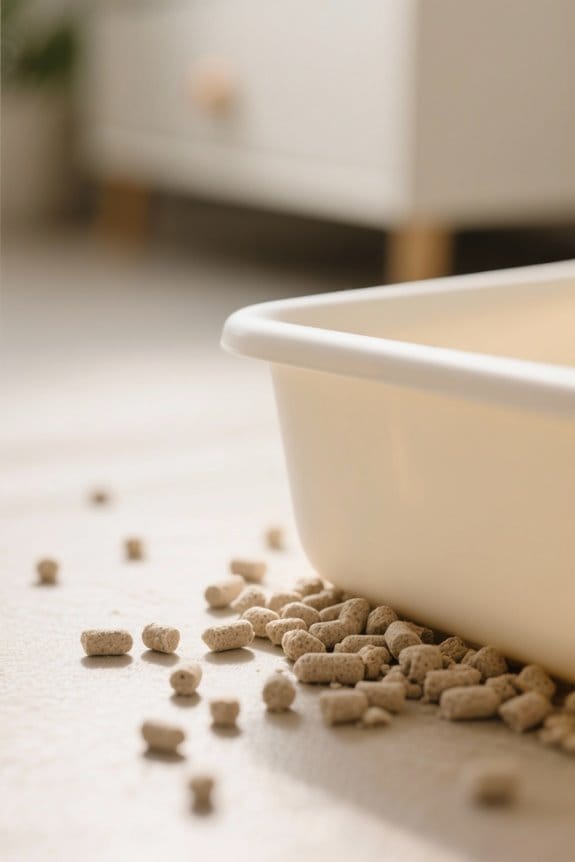
Determining whether our cat has a litter box problem or is communicating through urine marking requires careful observation of their behavior and the context of their eliminations. If we notice small amounts of urine on vertical surfaces, like walls or furniture, our cat may be marking territory, which often occurs in response to stress or new changes in the environment. In contrast, larger volumes of urine found outside the litter box may indicate a litter box issue. We should also observe their posture: marking involves a quivering tail and backing up against surfaces, while straining or frequent urgencies signify discomfort or potential health problems. By evaluating these variables, we can better understand our cat’s behavior and address either litter or communication issues effectively. Additionally, if our cat has recently been exposed to outdoor environments, we should conduct regular checks during grooming sessions to rule out external factors like parasites that could be contributing to stress-related behaviors.
Recommended Products

HELPS DISCOURAGE REPETITIVE SPRAYING: Formulated to deter cats from revisiting and spraying the same spot twice

Gentle Guidance for Better Cat Habits: Tired of seeing your sofa, carpet, curtains, or furniture become your cat’s favorite scratching spot? This cat deterrent spray helps create an invisible boundary that gently guides cats away from treated areas and encourages more appropriate behaviors. Protect your home while supporting a calmer, more harmonious relationship with your feline friend

FOR CAT URINE MESSES: Begins to break down and remove stains immediately on contact.
Signs of Territorial Behavior Over the Litter Box

Understanding the signs of territorial behavior over the litter box is essential for maintaining a harmonious environment in multiple-cat households. Territorial animals often exhibit behavior such as guarding the litter box through hissing or growling, which signals their intent to protect their space. If a cat refuses to use the litter box after another cat has been inside, it indicates discomfort and a perceived threat to their territory. Marking behaviors, including scratching or spraying near the box, further assert dominance. Changes in the litter box environment or location may create stress, leading to anxiety in cats. To prevent territorial disputes, guarantee there’s a separate box for each cat, and monitor litter box daily for signs of conflict, seeking advice from an Animal Behaviorist if needed. Additionally, proper placement can minimize conflict among multiple pets by considering privacy, access, and hygiene when selecting designated litter box areas.
Recommended Products

【Your Ultimate Stainless Steel Cat Litter Box Solution】Tired of frequent litter box changes? Upgrade to our extra-large stainless steel cat litter box, designed to last up to 5 years without deformation. Unlike plastic options, our metal litter box simplifies cleaning—it doesn’t hold odors or cling to waste (best results with 20lb of cat litter)

ANTI-LEAK HIGH SIDES—5.7" tall ABS wall is specially designed for messy diggers. Featuring an internal overlap and external buckles for a tight seal, the splash guard effectively stops urine leakage and keeps floors clean—perfect for high sprayers.

ODORLESS HYGIENIC STAINLESS STEEL: This non-porous stainless steel pan won't absorb odors. Its rounded corners and non-stick surface ensure easy cleaning with no trapped residue. Sturdy, rust-proof & scratch-resistant, it is built to last for years
Common Causes of Litter Box Territoriality
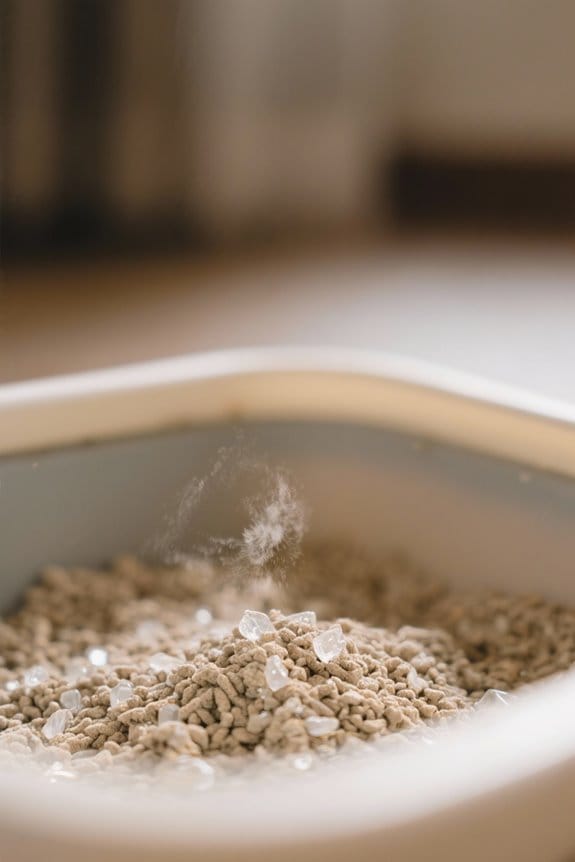
Territoriality in regard to litter boxes often stems from a variety of underlying factors that can greatly affect the dynamics within a multi-cat household. Initially, it’s important to have enough litter boxes—ideally, one per cat plus one extra—to reduce competition over resources. When there are multiple cats, overcrowding around litter boxes can intensify territorial behavior. Additionally, placing boxes in low-traffic areas can help alleviate stress associated with vulnerability during usage. Medical conditions such as urinary tract infections may also cause a cat to guard access more fiercely. Finally, introducing a new cat or altering the household environment can trigger significant anxiety, making it essential to proactively resolve the problem to maintain harmony among feline companions. For cats with mobility challenges, such as senior cats or those recovering from injury, installing a litter box ramp can reduce stress and encourage consistent litter box use by making access easier and less physically demanding.
How to Manage Cat Territorial Over Litter Box
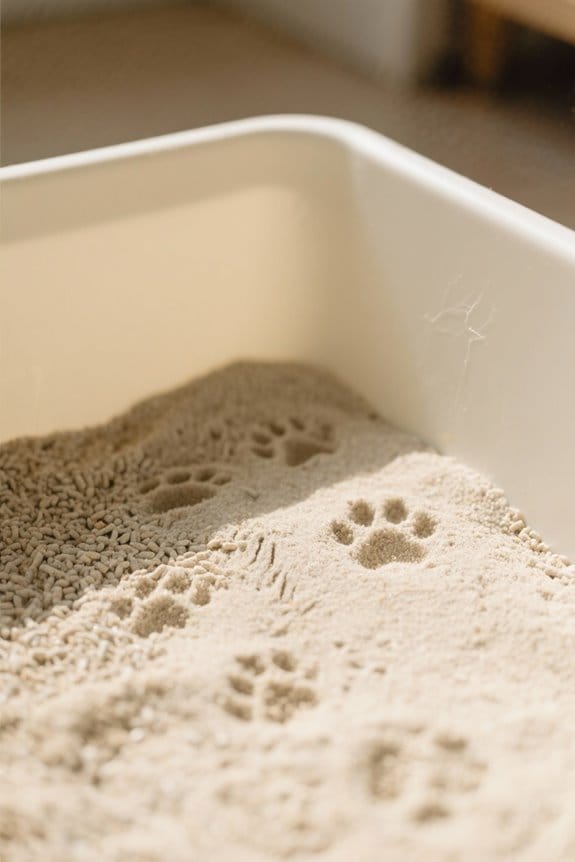
To effectively manage cat territorial behavior over litter boxes, it’s essential to implement structured strategies that guarantee each feline feels secure and has adequate access to clean facilities. We should provide one litter box per cat plus one additional box placed in quiet, low-traffic areas to minimize territorial disputes. Daily scooping and weekly full litter changes are vital for maintaining cleanliness and reducing odors. Employing positive reinforcement techniques to encourage appropriate litter box use can also foster trust and lower anxiety. If territorial behavior persists despite these efforts, consulting a veterinary behaviorist is advisable, as underlying health issues may require attention. Additionally, spaying or neutering can considerably mitigate some aggressive territorial tendencies linked to reproductive instincts. Ensuring your cat maintains proper hydration through high moisture content foods can also support urinary health and reduce stress-related marking behaviors.
Recommended Products
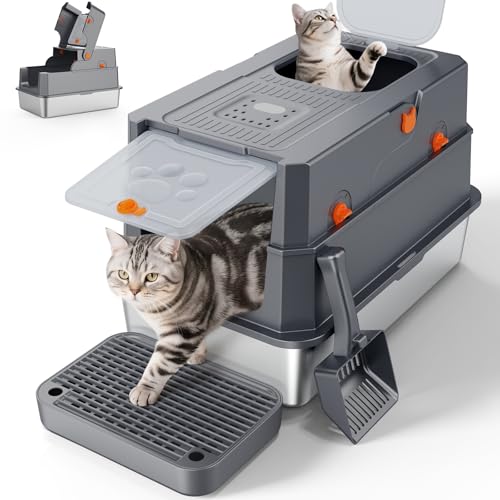
【Innovative Flip-Top Design】The stainless steel covered cat litter box features a flip door design, making cleaning simple and effortless. Easily open the lid to clean without removing the entire cover. With an easy-to-assemble 3-layer detachable shell, it offers both fully enclosed and semi-enclosed configurations.

Large Capacity: The Idymere stainless steel litter box measures 16.93"L x 12.99"W x 5.12"H, offering ample space for kitty, kittens, elderly cats or medium cats to do their business comfortably. This litter box is ideal for single or multiple small-cat households. The open design of this large litter box promotes air circulation and helps reduce unpleasant odors, ensuring your pets have a fresh and comfortable environment.
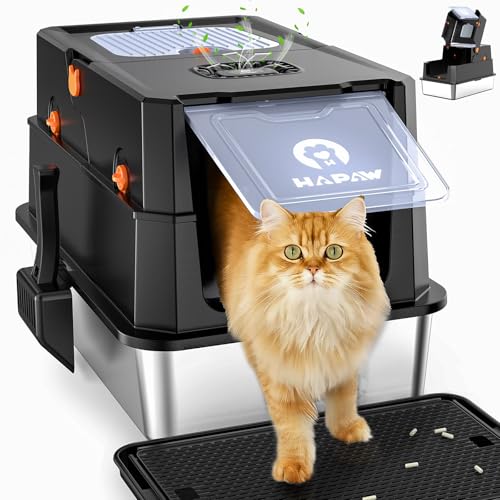
Flip-Top Lid Design: Say goodbye to the hassle of removing the entire top cover! Our stainless steel litter box creative flip-top design opens to 135°, let you clean the litter easily without disassembly
Treating Urine Marking in Intact Cats
While many cat owners may initially overlook urine marking as a common issue, it’s crucial for us to address this behavior effectively, especially in intact cats. Neutering or spaying greatly reduces instances where cats mark with small amounts of urine to signal reproductive status. To mitigate territorial conflicts, we should provide multiple litter boxes—one per cat plus one extra—placed in low-traffic areas. Additionally, creating a predictable and secure home environment aids in relieving stress for indoor cats. We can also use synthetic cat pheromones in marked areas, promoting a sense of calm. Finally, consulting with veterinarians or behaviorists to conduct an appropriate urine test guarantees that all factors contributing to this behavior are examined and addressed thoroughly. In some cases, underlying health issues or nutrient deficiencies may contribute to behavioral changes, making it important to ensure your cat receives proper nutritional support alongside behavioral interventions.
Recommended Products

Valua Pack – This cat pheromone diffuser set making it easier to provide a calming environment in multiple rooms or for multiple cats.

Valua Pack – This cat pheromone diffuser set making it easier to provide a calming environment in multiple rooms or for multiple cats.

[Cat Pheromone Diffuser]The tcllka cat pheromone diffuser set includes 2 charging plugs and 4 bottles of replacement liquid (48ml each). The cat calming diffuser can keep the cat calm and not attack suddenly. Pheromone diffuser to calm cats is a sedative product for cats, cat diffuser calming can play a role in soothing and relaxing cat nerves, providing comfortable sleep for cats and pets. Cat diffuser calming comes in two packs together in a beautiful box, very easy to use use and storage
Treating Urine Marking Caused by Conflict in a Multi-Cat Household
Understanding the dynamics in a multi-cat household is essential, as unresolved conflicts can lead to notable behavioral issues, including increased urine marking. Cats need resources to feel secure; as a result, providing one litter box per cat plus one extra is vital. Place these boxes in low-traffic areas to reduce territorial disputes. It’s important to distribute resources—including food, water, scratching posts, and toys—against competition that increases stress among cats. Encourage individual play sessions to monitor interactions effectively. If conflicts persist, consult a veterinarian or animal behaviorist for a tailored behavior plan. Female cats, in particular, may urinate or defecate in inappropriate areas when stressed, but proper resource management can greatly alleviate these issues over time. Selecting litters with advanced clumping technology can make daily maintenance easier and help maintain a clean environment that reduces stress-related marking behaviors.
Recommended Products

GREAT SIZE FOR LARGE CATS: Dimensions: 30"L x 20"W x 14"H

LONG-LASTING STAINLESS STEEL LITTER BOX: Crafted from premium stainless steel, this kitty litter box is scratch-proof, rust-resistant, and designed to last up to 5 years. Unlike plastic, it won't crack, absorb odors, or stain over time, making your cat always have a clean and safe space. With this long-lasting durability, you won't have to worry about constant replacements, saving you time and money.

EASY CLEANING: Simplify your cat care routine with the sifting cat litter box's patented lift-to-sift technology. This provides efficient litter maintenance without scooping.
What NOT to Do
It’s essential for us to recognize that certain actions can exacerbate urine marking behaviors in our cats, leading to further complications. First, we must avoid punishing our cats for marking, as this increases stress, worsening the issue. Rubbing a cat’s nose in urine spots is ineffective and damages the trust we have with them. We should also refrain from using ammonia-based cleaners on soiled areas; their scent can resemble urine, prompting re-marking. Additionally, placing litter boxes near food and water bowls fosters territorial disputes, making cats reluctant to use the box. Finally, overcrowding must be avoided; we need one litter box per cat, plus one extra, to minimize competition over territory, reducing stress and marking behaviors. Supporting your cat’s urinary health through specialized diets that include high protein content and low magnesium levels can help reduce urinary pH and prevent blockages that might contribute to inappropriate elimination behaviors.
Frequently Asked Questions
How Do I Know if My Cat Is Marking Her Territory?
To know if our cat’s marking territory, we should watch for behavior signs like scent marking on vertical surfaces. Stress factors and changes in environment can trigger these marking instincts, revealing her feline communication about territory boundaries.
Are Cats Territorial About Their Litter Box?
Absolutely, our cats can be very territorial about their litter box! With multiple cats, litter box cleanliness plays a vital role. Stress factors, feline hormones, and personal litter box preferences can really shape their behavior.
Do Cats Pee on Things to Mark Their Territory?
Yes, our cats often pee to mark territory, signaling their presence through scent marking. This behavior, linked to feline instincts, can arise during territory disputes, especially for indoor cats maneuvering shared spaces with others.
How Do I Get My Cat to Stop Territorial Marking?
To stop our cat’s territorial marking, let’s implement cat behavior tips like environmental enrichment, use pheromone products, and manage feline anxiety. Consulting a veterinarian about hormonal influences will help us find effective marking solutions.