As an Amazon Associate, we earn from qualifying purchases. Some links on this site are affiliate links at no extra cost to you. Our recommendations are based on thorough research and editorial judgment.

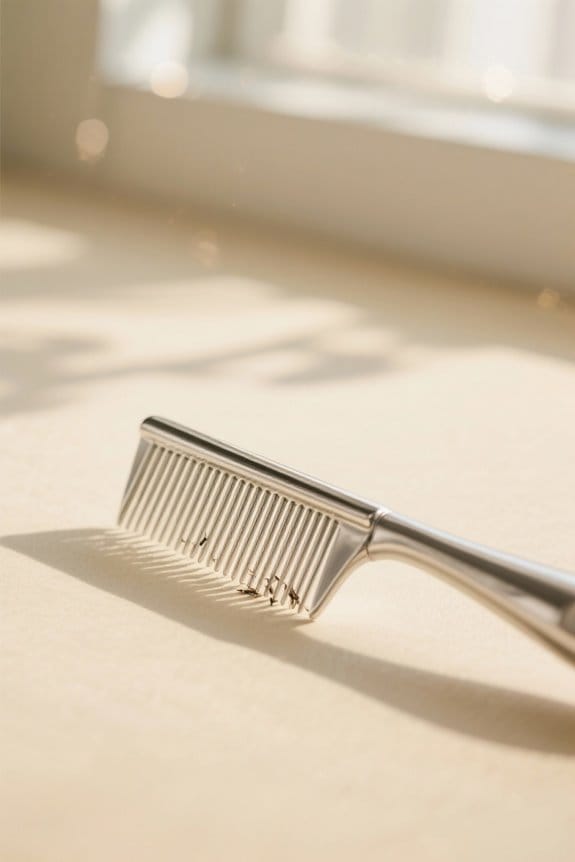
Understanding Flea Detection Through Grooming

To effectively detect fleas through grooming, we should conduct regular grooming sessions, enhancing our pet’s appearance while enabling thorough inspections. Using a fine-toothed flea comb, we begin at the neck, progressing toward the tail, inspecting for fleas and debris in between strokes. Key areas to focus on include the neck, ears, belly, and base of the tail, where fleas commonly hide. Observing for signs such as excessive scratching or flea dirt is essential. Our understanding of flea management improves with continued learning, ensuring proper care for our pets.
Key Takeaways
- Regular grooming sessions enhance appearance and support flea detection through close inspection of the pet’s coat.
- A fine-toothed flea comb is essential for identifying fleas and flea dirt in common hiding areas.
- Excessive scratching and biting may indicate flea presence, requiring thorough combing for accurate detection.
- Systematic combing from neck to tail helps ensure comprehensive coverage and identification of fleas or debris.
- Routine grooming and environmental cleaning create a proactive approach to managing flea infestations effectively.
The Importance of Grooming for Flea Detection
You may be interested


When we engage in regular grooming sessions for our pets, we not only enhance their overall appearance but also create invaluable opportunities for flea detection. Using a fine-toothed flea comb during grooming allows us to inspect closely for adult fleas and their droppings, facilitating early detection of flea infestations. We should pay particular attention to areas where fleas typically hide, such as the neck, ears, belly, and tail base—common locations where pets often scratch or bite due to irritation. Proactive grooming routines are essential, as they help us identify potential skin irritation or signs of flea allergy dermatitis. During these inspections, we should also check for flea eggs and larvae in the fur and bedding, as targeting these life stages is essential to prevent reinfestation. By maintaining consistent grooming, we collaborate with our pets and grooming professionals to manage and prevent flea infestations effectively.
Identifying Signs of Fleas on Your Dog
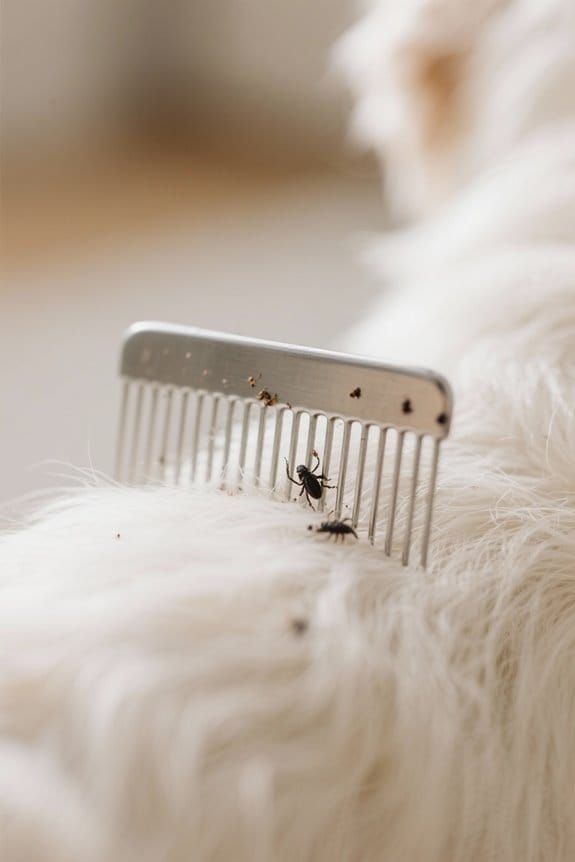
Regular grooming not only aids in establishing a bond with our pets but also enhances our ability to detect any signs of fleas effectively. We should observe our dogs for excessive scratching, biting, or licking, particularly around the neck, belly, and tail base, as these behaviors often indicate flea infestation. Additionally, an inspection for red bumps, inflamed skin, and hair loss can reveal allergic reactions to bites. We must examine our dog’s fur for small dark specks, known as flea dirt, which are flea feces. Using a fine-toothed flea comb will allow us to target hidden spots, such as behind the ears and around the tail, facilitating flea detection and ensuring our furry friends remain comfortable and healthy. Once fleas are detected, flea collars typically start working within 2 hours of contact to provide rapid protection for your pet.
Using a Flea Comb Effectively
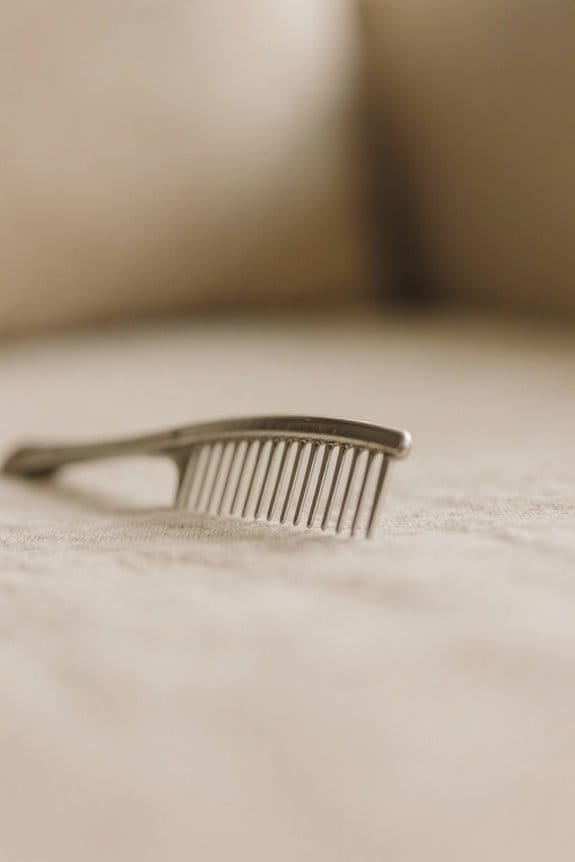
Using a flea comb effectively requires a systematic approach to guarantee thorough coverage and accurate detection of fleas and their debris. During grooming sessions, we should start at the dog’s neck, progressing steadily to the tail, ensuring we comb through areas where fleas tend to hide, such as around the ears, belly, and base of the tail. After each stroke with the flea comb, we must examine it closely for signs of infestation, including any fleas or flea dirt, carefully transferring findings to a white towel for easy identification. The tooth spacing effectiveness of the comb plays a crucial role in capturing fleas, lice, and debris while allowing us to work through various fur types without causing discomfort to our pets. Finally, cleaning the flea comb after each use with soapy water prevents the spread of any fleas or eggs discovered, ensuring a healthier grooming environment for both us and our dogs.
Recommended Products
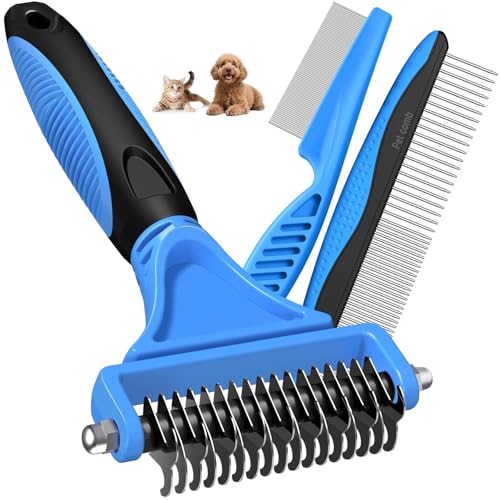
【3PCS Pet Grooming Kit】Dog Deshedding Brush that makes professional pet groomers recommend is made of premium stainless steel metal and soft TPR rubber material, safe, comfortable and durable. Not only can it effectively de-fur and de-tangle, but also relieve your pet's skin problems and make your pet's coat shiny and healthy

PREMIUM STAINLESS STEEL: Crafted with high-quality, rust-resistant, and sturdy stainless steel for long-lasting durability. The fine teeth are designed to tackle eye stains, dirt, and debris with precision

High-Quality Flea Comb: Higher grade metal for the teeth, making them stronger than the previous version. Rubber-sheathed handle, increases the comfortableness of holding the comb/dog comb when combing your pet
Key Areas to Inspect for Fleas
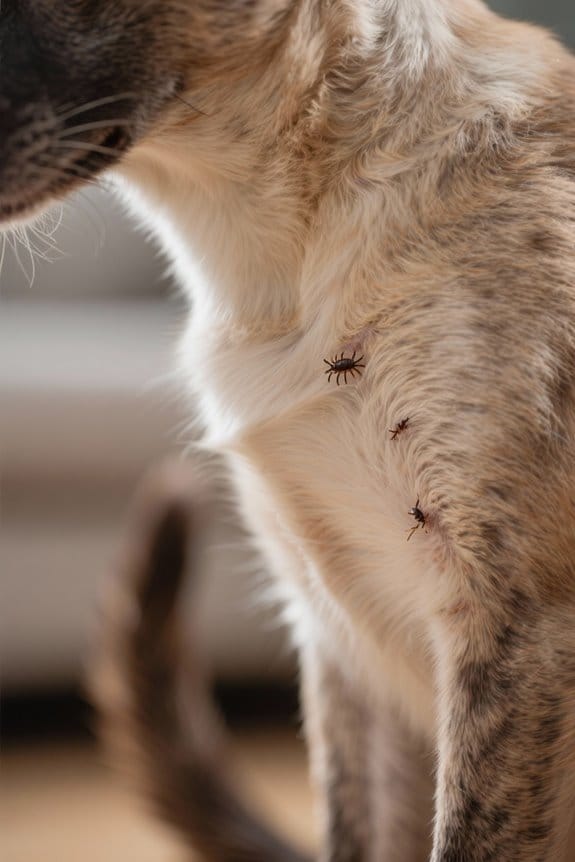
To effectively detect fleas on our dogs, we must concentrate our inspection efforts on specific areas where fleas typically hide, particularly as they seek warmth and shelter. We should check for fleas around the neck, belly, and base of the tail, using a fine-toothed flea comb during grooming. As we groom, let’s inspect areas for signs of skin irritation, redness, or hair loss, which can signify flea activity or related health issues. Additionally, we need to look for small, dark specks in the dog’s coat, often referred to as flea dirt, as this indicates an active infestation. Regularly inspecting the dog’s bedding and surrounding areas is vital to guarantee that fleas aren’t present in our environment. If an infestation is discovered, consider applying topical flea treatments that can begin eliminating fleas within 12-24 hours while providing up to 30 days of continuous protection.
Recognizing Flea Dirt and Other Indicators
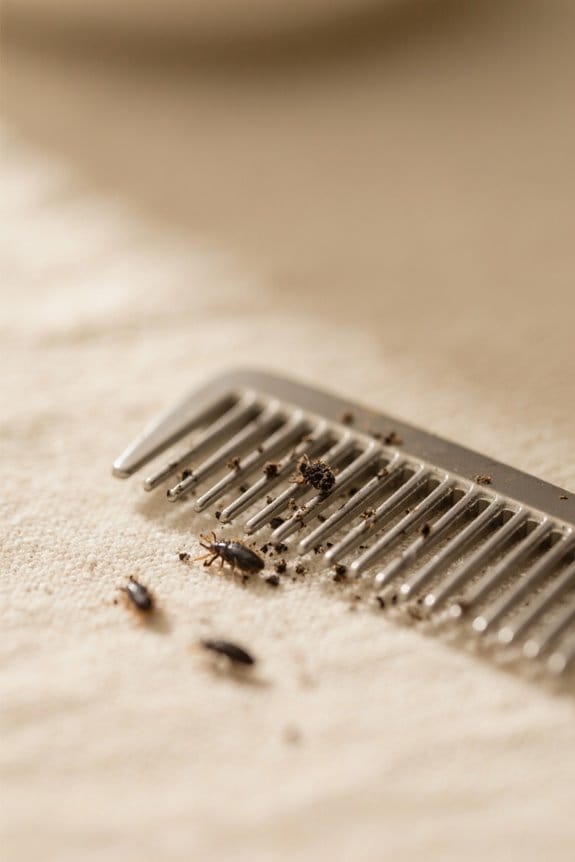
Recognizing flea dirt and other indicators of flea infestations can be pivotal in maintaining our dogs’ health and comfort. Flea dirt, identifiable as small black specks in your dog’s fur, is actually flea feces, which consists of digested blood. To confirm flea dirt, we should place these specks on a damp paper towel; if they turn red, they are indeed flea feces. In addition to observing flea dirt, we need to watch for excessive scratching, biting, or licking around the neck, belly, and tail base, which can lead to inflamed skin or hair loss. During grooming sessions, using a flea comb effectively helps us detect fleas and their eggs, enhancing our chances of early detection and management of infestations. Similarly, during ear grooming, checking for excessive scratching around the ears may indicate ear mites, which often require alcohol-free treatments with soothing ingredients like aloe vera for effective relief.
Understanding the Flea Life Cycle
Understanding the flea life cycle is essential for effective pest control and the well-being of our pets, as each stage presents unique challenges in managing infestations. The flea life cycle comprises four stages: egg, larva, pupa, and adult. Female adult fleas lay approximately 40 flea eggs daily, which typically hatch within 1 to 10 days. Larvae seek dark areas to develop into pupae, with this stage potentially lasting from days to several months. Adults emerge when they sense a host nearby. Most fleas, about 95%, reside in the egg, larval, or pupal stages, underscoring the importance of grooming and environmental management in prevention and control strategies. Many flea shampoos primarily target adult fleas, which means additional treatments may be necessary to address eggs and larvae for comprehensive control. For effective infestations management, continuous cleaning and early intervention are vital.
The Health Risks Associated With Fleas
Fleas pose substantial health risks to both our pets and ourselves, as their presence can lead to a variety of medical conditions that require prompt attention. For instance, flea allergies in pets can result in severe itching, skin infections, and hair loss when left untreated. Additionally, significant infestations may cause anemia, especially in small breeds or puppies, due to the blood-feeding habits of adult fleas. Furthermore, constant scratching can lead to secondary skin infections, complicating pets’ health further. Humans are not immune; flea bites can transmit diseases like bartonellosis and cause significant discomfort, particularly for allergic individuals. Thus, employing a thorough approach to flea management is essential for maintaining the health and well-being of all affected. Effective topical flea treatments like Advantage II and FRONTLINE Plus provide 30 days of protection and can help prevent these health complications when applied monthly.
Recommended Products

EFFECTIVE, WATERPROOF FLEA TREATMENT FOR CATS: PetArmor Plus is a waterproof, flea & tick topical prevention for cats that kills fleas, flea eggs, flea larvae, ticks, and chewing lice for up to 30 days after application.

SHIPMENT CONTAINS: One 4-dose pack of topical flea treatment for Medium Cats (5-9 pounds)

Effective & Long-Lasting Formula: Vet-approved treatment works quickly and continues to protect your cat for up to 30 days.
The Role of Grooming in Early Detection
Preventing the potential health risks associated with fleas requires a proactive approach, and regular grooming plays a significant role in early detection. By scheduling routine grooming sessions, we can effectively identify fleas and their feces, noted as small, dark specks, which indicate an infestation. Employing a fine-toothed flea comb enables us to thoroughly examine our dogs for live fleas, eggs, and flea dirt that might be overlooked. Additionally, we should observe our dog’s behavior during grooming; excessive scratching or biting can signal the presence of fleas. Focusing on areas like the neck, belly, and tail base enhances detection efforts. Timely identification allows for prompt treatment, helping to prevent health issues such as flea allergy dermatitis or anemia. Just as we monitor our cats’ scratching behavior patterns to understand their preferences for scratching furniture, observing changes in our dog’s scratching habits during grooming can reveal early signs of flea activity.
Establishing a Grooming Routine for Prevention
Establishing a regular grooming routine is essential not only for maintaining our dog’s coat health, but also for effective flea prevention and early detection of infestations. We should aim for weekly grooming sessions to check for fleas and flea dirt. Using a fine-toothed flea comb, we can effectively target common hiding areas, particularly at the neck and base of the tail. During grooming, we must monitor for signs of skin irritation, which may indicate allergic reactions to fleas. Incorporating pet-safe flea shampoos during baths can alleviate itching and eliminate existing fleas. Additionally, keeping our grooming area clean, along with washing tools, towels, and bedding in hot water, considerably reduces the risk of flea infestations in our home environment. Just as stainless steel litter boxes prevent odor retention through their non-absorbent surfaces, maintaining clean grooming tools and washable surfaces in our pet care areas helps prevent flea eggs and larvae from establishing themselves.
Recommended Products

DURABLE, EASY CLEAN AND EFFECTIVELY :High strength close stainless steel teeth dog cat comb, remove float hair form your love pet in one times,easy wash by water after using for flea removing, smoothing teeth head won’t hurt your pet, let them enjoy the comb massage right now

THOUGHTFUL SET: Our pet grooming comb set includes 4 combs, 1 tooth comb, 1 double sides lice comb, 1 long-needle & 1 short-needle comb to meet different needs. Perfect for straightening out the knotted tangles hair, as well as finishing and fluffing

【Professional Pet Grooming Kit 】3 Pet grooming tools selected by pet lovers, which can meet daily all the grooming needs of pets. Let you, as the groomer, personally give your furry friend a shiny and healthy coat. This is a must-have beauty product set for pet lovers! The Best Dog Gifts - Merry Christmas
Tips for Maintaining a Flea-Free Environment
Creating a flea-free environment involves multiple strategies that encompass both indoor and outdoor spaces. First, we should engage in regular vacuuming of carpets and furniture, as this practice effectively removes flea eggs and larvae, disrupting their life cycle. Next, washing pet bedding weekly in hot water eliminates fleas and their eggs, contributing to a cleaner environment for our pets. Outdoors, we must keep yards well-trimmed and clear of leaf litter, reducing potential hiding spots for fleas and ticks. Implementing strategic landscaping can further deter wildlife that carries these pests. Additionally, using pet-safe disinfectants in grooming areas will help target fleas on surfaces, ensuring a superior environment. When necessary, we might consider professional pest control services for enhanced flea prevention during peak summer months. For added protection, sprinkling diatomaceous earth in areas where pets rest can act as a natural flea barrier throughout the home.
Recommended Products

Kills fleas and ticks on contact

READY-TO-USE APPLICATOR: Apply this bed bug spray for homes using the included Comfort Wand to target tight and hard-to-reach places where bed bugs hide
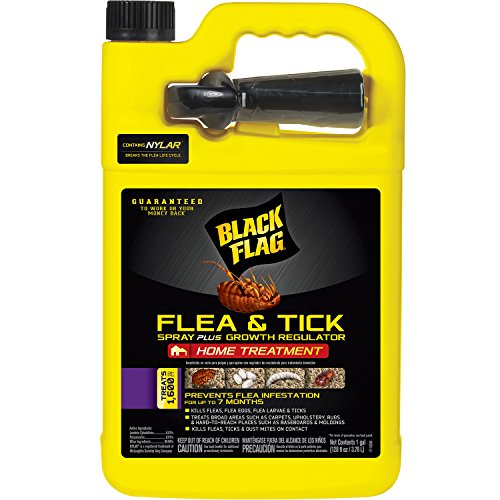
HOME FLEA TREATMENT: Ideal for carpets, upholstery, rugs, baseboards and moldings.
Recommended Products for Flea Control
When it comes to effective flea control, utilizing a combination of products can greatly enhance our efforts in managing infestations and guaranteeing our pets remain healthy. We recommend starting with topical flea treatments, like imidacloprid or fipronil, applied monthly for ongoing prevention. For immediate relief, oral medications such as nitenpyram can eliminate fleas within hours. Additionally, flea collars provide extended protection, with some lasting up to eight months when fitted correctly. Incorporating flea combs during grooming helps detect and remove fleas or flea dirt from our pets’ coats. Finally, environmental control products, including spray insecticides and flea traps, are essential for targeting eggs and larvae, effectively disrupting the flea life cycle in our homes. This thorough guide guarantees thorough management of infestations.
Recommended Products

Bite-Sized Protection, Big-Time Benefits: soft chews offer daily flea and tick prevention for dogs, and flea & tick control—all in one tasty treat. Say goodbye to mess and hello to dependable, chewable protection your pup will love.

KILLS FLEAS AND TICKS ON CONTACT – Veterinary Formula 8 oz. Flea and Tick Spray for Dogs eliminates fleas and ticks at all stages: egg, larval, and adult. Treatment also prevents future egg and larvae development

FLEA & TICK HOME SPRAY FOR CATS: Safe to use around cats and on pet bedding, carpets, flooring, rugs, and drapes. This effective spray helps control fleas and ticks in your home environment, keeping your feline and surroundings protected and comfortable.
Communicating With Your Veterinarian
How can we effectively communicate with our veterinarian about flea issues affecting our pets? First, we should provide detailed information regarding our dog’s symptoms, such as excessive scratching or biting, as these can signal infestation severity. It’s important to mention any previous flea treatments and their effectiveness, which will help the veterinarian determine an appropriate flea treatment plan. Additionally, informing our vet about recent grooming sessions or contact with other animals can assess the risk of flea transmission. We must also share insights about our home environment, including our cleaning routines and grooming habits, allowing for tailored advice on our flea prevention protocol. Asking questions concerning the flea life cycle will empower us to manage future infestations effectively.
Building a Strong Bond Through Grooming
Regular grooming sessions not only promote the health and cleanliness of our dogs but also serve as an essential opportunity to strengthen the bond between us and our pets. During these grooming routines, we engage in thorough examinations of our dogs’ fur and skin, enhancing our understanding of their overall health. This interaction stimulates the release of calming hormones, fostering trust and comfort. Using grooming tools like flea combs allows us to actively participate in flea prevention, making the process both beneficial and interactive. Additionally, establishing a routine fosters positive associations with handling, ensuring our pets feel secure during examinations. By prioritizing these grooming sessions, we reinforce our bond while safeguarding our pets’ well-being and health.
Frequently Asked Questions
Can a Groomer Tell if Your Dog Has Fleas?
Yes, we can often spot flea symptoms during grooming sessions. Using effective grooming techniques, we notice changes in your dog’s behavior, helping us recommend flea prevention and treatments for potential health implications if needed. Regular grooming’s key!
Does Excessive Grooming Mean Fleas?
Excessive grooming can indicate fleas, but we shouldn’t assume it’s the only cause. Let’s observe our pets’ grooming habits for signs of discomfort or skin irritations, and consider effective flea prevention and grooming techniques.
How to Get Rid of Fleas in a Grooming Salon?
To tackle fleas in our grooming salon, we need effective flea treatment products, strict salon cleaning protocols, and to educate customers on pet owner responsibilities. Combining natural flea remedies with efficient grooming tools makes all the difference.
How to Tell How Severe a Flea Infestation Is?
To gauge flea infestation severity, we should look for signs like scratching and flea dirt. Using effective grooming techniques and maintaining pet hygiene can help us assess flea symptoms, enabling timely flea treatments and prevention measures.


