As an Amazon Associate, we earn from qualifying purchases. Some links on this site are affiliate links at no extra cost to you. Our recommendations are based on thorough research and editorial judgment.

The Science Behind Odor Control in Litter Box Areas

To effectively control odors in litter box areas, we must understand the odor sources, including ammonia from cat urine and volatile compounds from feces. A high-protein, low-carbohydrate diet can minimize waste odor, while maintaining a litter depth of 2-3 inches aids in clumping and odor management. Regular cleaning with enzymatic cleaners neutralizes unpleasant smells by targeting urea and uric acid. Monitoring our cat’s behavior can reveal health issues linked to odor changes. Further strategies await exploration.
Key Takeaways
- Cat urine and feces release ammonia and other gases; maintaining a clean litter box minimizes odor buildup from bacterial decomposition.
- High-quality, low-carbohydrate diets reduce waste odor by enhancing digestion and limiting malodorous stool production.
- Regular litter box maintenance, including daily scooping and weekly complete litter replacement, is essential for odor control.
- Effective odor management involves using ventilated areas, odor-absorbing litters, and enzymatic cleaners that neutralize odors rather than masking them.
- Smart litter boxes with integrated odor control, such as fans and automatic cleaning, can significantly improve the freshness of litter box areas.
Understanding the Sources of Litter Box Odor
You may be interested
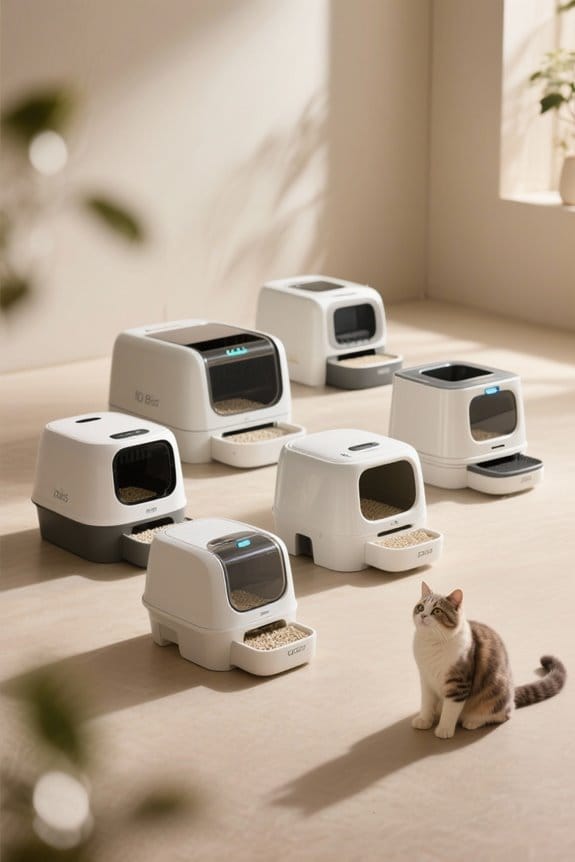

When we think about controlling odors in litter box areas, understanding the sources of these unpleasant smells is essential. Cat urine contains high levels of urea, which breaks down into ammonia through ureolysis. This process is a primary cause of the intense litter box odor. Additionally, volatile organic compounds found in cat feces notably contribute to the overall smell, intensifying scent issues when not controlled. Bacterial decomposition of waste releases ammonia and methane, exacerbating odors in the warm, moist environment of the litter box. Many modern litters incorporate baking soda or all-natural odor blockers to neutralize these ammonia-based odors at the source. Effective management requires regular cleaning, proper litter type, and adequate ventilation to minimize the persistence and intensity of these odors. By addressing these sources systematically, we can create a more pleasant environment for both cats and humans.
The Role of Cat Diet in Odor Production
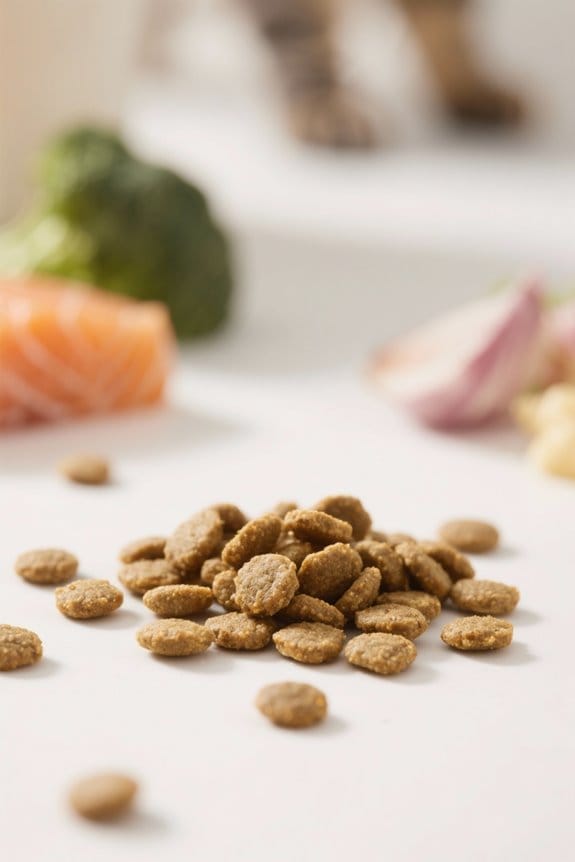
Effective management of litter box odors revolves considerably around the composition of a cat’s diet, as dietary choices lead to variations in waste quality and smell. It’s essential to select a high-protein, low-carbohydrate diet that aligns with our cats’ natural carnivorous needs. For instance, diets rich in quality proteins digest more effectively, reducing the smell of cat feces. Conversely, low-quality ingredients can cause malodorous stools and indicate nutrient absorption issues. Additionally, we should avoid sudden dietary changes, as they can upset our cats’ gastrointestinal systems, leading to increased odor. Altering slowly over a week guarantees digestive stability, resulting in less smelly cat litter and a more pleasant environment for both us and our feline companions. Foods formulated with natural fiber and prebiotics not only support digestive health but also contribute to balanced mineral levels that can improve overall waste quality.
Common Health Issues Leading to Unpleasant Smells
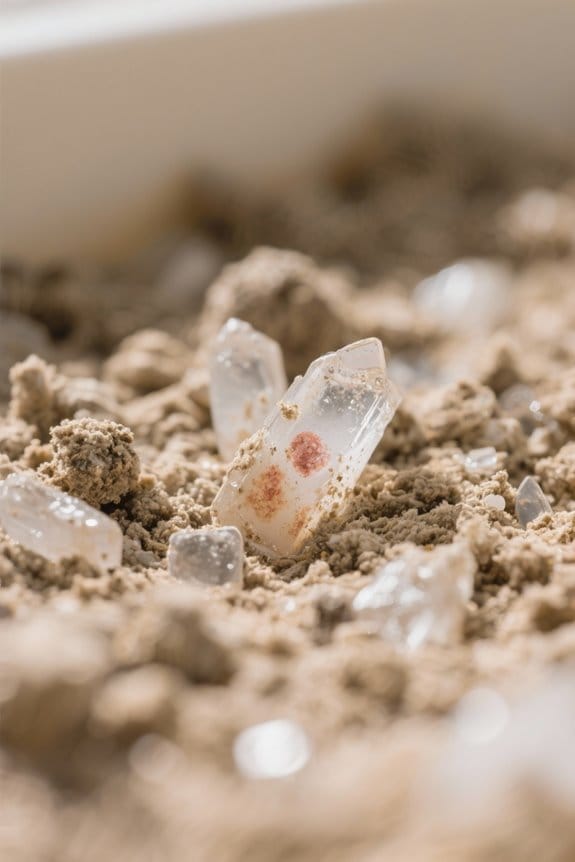
Although we often focus on diet and litter maintenance, it’s vital to recognize that persistent unpleasant odors in the litter box may point to underlying health issues in our cats. Malodorous feces can indicate conditions like irritable bowel syndrome, which disrupt nutrient absorption and leads to foul stool. Additionally, parasitic infections such as giardia and bacterial infections including E. coli may produce strong odors, necessitating prompt veterinary attention. Likewise, excessive odors in urine, particularly from intact male cats, often result from elevated urea levels and can be mitigated through neutering. Urinary tract issues can also contribute to strong-smelling urine, and specialized diets with low magnesium levels and balanced pH can help prevent urinary crystals and blockages that may exacerbate odor problems. If we notice unnaturally pungent feces or urine, consulting a veterinarian for thorough examination and appropriate treatment is critical in addressing these health concerns effectively.
Importance of Regular Litter Box Maintenance
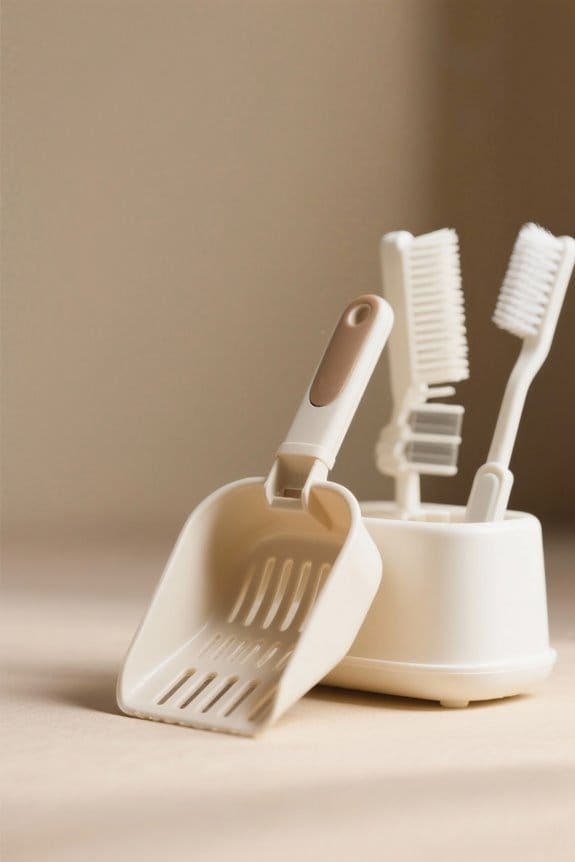
Maintaining a clean litter box is essential not only for odor control but also for the overall health of our cats. We should scoop the litter box daily to remove waste, as this practice prevents odor-causing bacteria from proliferating. Furthermore, it’s advisable to completely replace the litter at least once a week to effectively manage odors and maintain hygiene. To guarantee our litter boxes last longer and smell fresher, we must clean them regularly with warm water and mild soap while inspecting for any wear and tear. Additionally, it’s important to maintain a suitable litter depth of 2-3 inches to improve clumping ability and enhance odor control. Proper ventilation in the litter box area will also help dissipate lingering odors, creating a healthier environment. Using a quality litter scoop with wide slats can significantly improve sifting efficiency and make waste removal easier during daily maintenance.
Selecting the Right Type of Litter
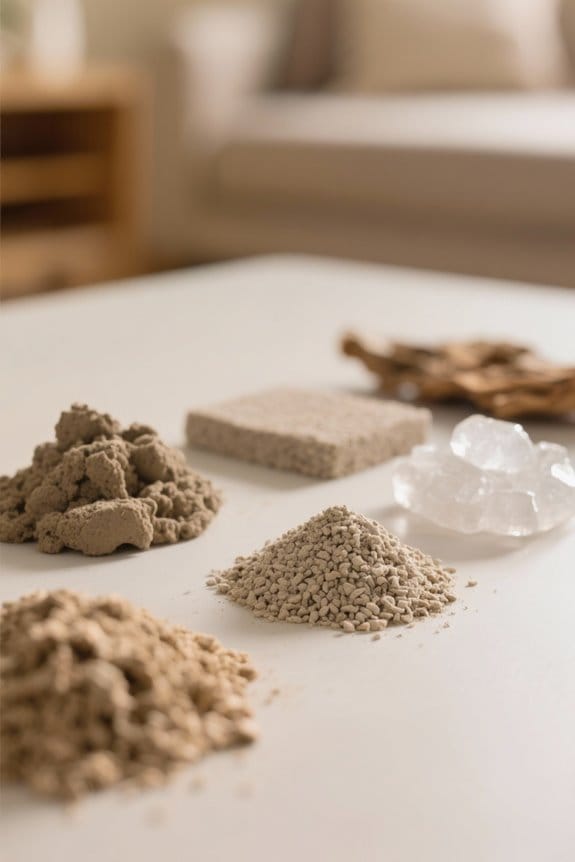
When selecting the right type of litter for our cats, it’s crucial to contemplate various factors that can influence both odor control and our pets’ comfort. We should consider litter types such as clay granules or silica microgranules, as their absorbent properties vary considerably. Opting for litter with added odor neutralizers, like activated charcoal or baking soda, can effectively minimize unpleasant smells by absorbing volatile compounds present in waste. Cats generally prefer finer granules, which can enhance their comfort and encourage consistent use. Using high-quality clumping litters creates solid waste clumps, facilitating easier removal and preventing residual odors. Maintaining a litter depth of 2-3 inches ensures waste is sufficiently covered, minimizing odor release and supporting a hygienic environment. For households with multiple cats, specialized formulations featuring Ammonia Block technology provide extra strength odor control to maintain freshness even under heavy use.
Recommended Products

PREMIUM QUALITY: A combination of premium texture and granule size made with 100% bentonite clay for maximum clumping creates litter particles that are just the right size.
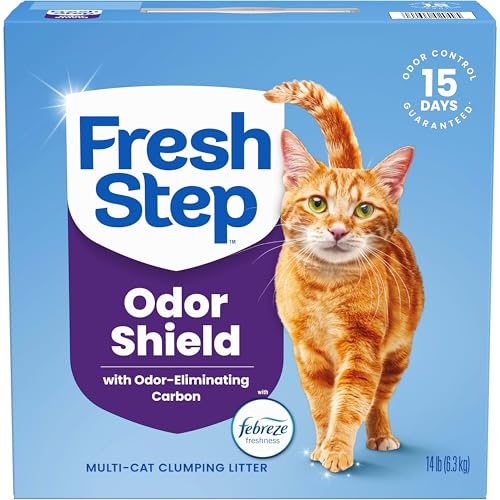
FRESH STEP CLUMPING CAT LITTER: One 14 lb. box of Fresh Step Multi Cat Clumping Litter, Extra Strength Formula With Febreze Freshness, designed for multi cat homes.

EASY CLEAN-UP LITTER: ARM & HAMMER Slide Platinum Clumping Kitty Litter forms rock-hard, scoopable clumps that slide right out to prevent sticking; no scrubbing, no scraping, so litter box duty is fast and simple
The Impact of Litter Box Size and Shape
The size and shape of a litter box considerably influence a cat’s willingness to use it, as research indicates that cats prefer boxes measuring at least 24 inches long and 18 inches wide for comfortable movement. It’s essential to select a litter box that allows ample space for turning and digging, as a cramped environment may lead to litter box avoidance behaviors. Wider boxes with lower sides often attract older or less mobile cats, enhancing accessibility. Furthermore, offering a variety of litter box shapes around the home, such as different dimensions, accommodates diverse feline preferences, which is particularly important when considering the number of litter boxes for multi-cat households, thereby potentially mitigating behavioral issues linked to inadequate litter box options. As a general guideline, experts recommend that boxes should be 1.5 times the length of the cat to provide adequate space for waste management needs, especially in households with multiple cats.
Effective Cleaning Strategies for Odor Control
Effective odor control in litter box areas begins with a commitment to regular maintenance and cleanliness. We should practice daily scooping, which means removing waste every single day. This prevents the buildup of odor-causing bacteria, which thrive in warm, moist environments. Complete litter replacement is advisable at least once a week to manage odors effectively and guarantee a hygienic environment. Additionally, using odor-control cat litter containing ingredients like activated charcoal or baking soda can considerably diminish unpleasant smells. To address residual odors, applying enzymatic cleaners will break down organic compounds in cat waste. This approach minimizes odors and inhibits bacterial growth, ultimately maintaining a fresher atmosphere in the litter box area for both cats and owners. For persistent odors on surrounding surfaces like carpets or floors, consider using specialized urine odor removers that are certified safe for pets and can effectively neutralize stubborn smells.
Recommended Products

ODOR CONTROL FOR BOX: Adhesive gel pods help reduce litter box odors right at the source by absorbing and freshening the air around the pan area, so the room smells cleaner between scoops and full litter changes

ODOR CONTROL SUPPORT: These cat litter deodorizer crystals are designed to help absorb and neutralize common litter box odors, supporting a fresher smelling home environment while fitting easily into daily litter box maintenance routines.

ONLINE EXCLUSIVE! Fill your cat litter box with the refreshing scent of fresh lavender fields with ARM & HAMMER Forever Fresh Lavender Clumping Cat Litter. This 18 lb. clumping cat litter odor control is only available online
Enhancing Ventilation in Litter Box Areas
To achieve ideal odor control in litter box areas, we must prioritize enhancing ventilation, as effective air circulation greatly mitigates the accumulation of ammonia and other unpleasant gases. We should place the litter box in a well-ventilated location, avoiding confined spaces where odors can thrive. Installing exhaust fans or using air purifiers can notably improve air circulation while removing odors more effectively. Additionally, letting natural light in through open windows or vents creates a constant flow of fresh air, essential for maintaining a pleasant environment. Regularly checking and adjusting the placement of the litter box not only optimizes airflow but also prevents the buildup of odors, ensuring both feline and human comfort in the space. For households with multiple cats, combining proper ventilation with activated charcoal filters can further enhance odor management by absorbing airborne particles and maintaining a fresher living environment.
Evaluating the Use of Odor-Absorbing Litters
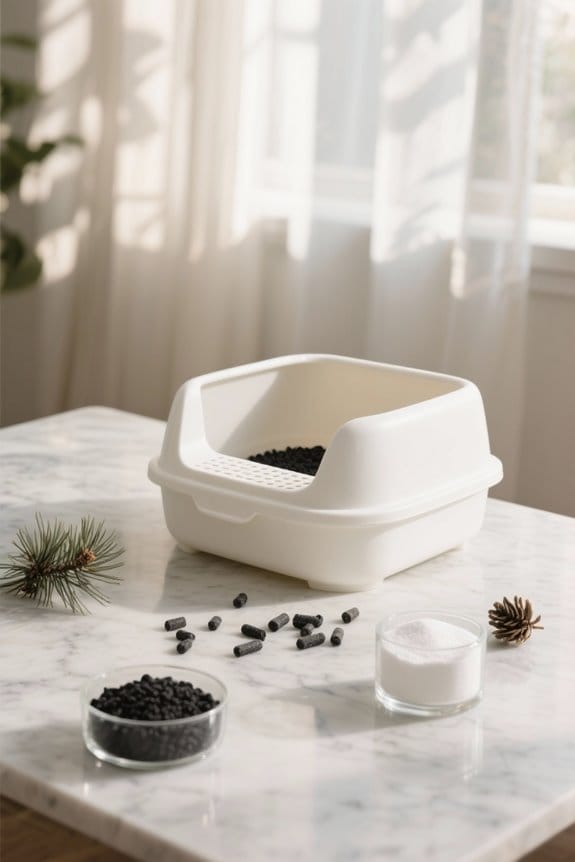
Evaluating odor-absorbing litters is a fundamental step in maintaining a hygienic and pleasant litter box environment. These litters often contain activated charcoal or baking soda, which work to neutralize odors effectively. Additionally, many odor-absorbing litters provide tight clumping properties, simplifying waste removal and minimizing exposure to decomposing smells. We should consider litters featuring natural antibacterial agents, as these can inhibit the growth of odor-causing bacteria, further improving sanitation. It’s essential to choose a litter that aligns with our cat’s substrate preferences, as unsuitable options may lead to litter box avoidance. Activated charcoal functions as a natural unscented deodorizer that absorbs both moisture and odors while remaining safe for use around pets and children. By regularly changing the litter, alongside utilizing high-quality odor-absorbing products, we can notably reduce unpleasant odors, creating a fresher atmosphere for both pets and households.
Recommended Products
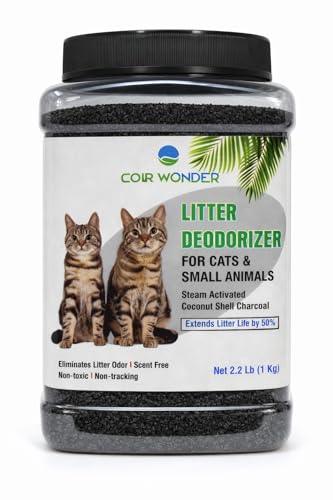
Activated Charcoal from Coconut Shells: Made from high-quality steam-activated coconut charcoal, this natural deodorizer absorbs and traps odor-causing molecules instantly.

FRESH STEP UNSCENTED CAT LITTER: One 14 lb. box of Fresh Step Simply Unscented Clumping Litter, activated charcoal kitty litter that's perfect for those who prefer Fresh Step cat litter unscented

FRESH STEP CLUMPING CAT LITTER: Amazon exclusive, two 18.5-lb. boxes of Fresh Step Advanced Simply Unscented Clumping Litter to keep litter boxes smelling fresh without the use of fragrances and dyes
The Benefits of Enzymatic Cleaners
While maintaining a clean litter box is essential for our cats’ health, utilizing enzymatic cleaners can greatly enhance odor control and hygiene. These specialized products contain enzymes that effectively break down organic compounds in cat urine and feces, thereby neutralizing unpleasant smells instead of merely masking them. By targeting substances like urea and uric acid, enzymatic cleaners convert these odors into non-odoriferous compounds while inhibiting the growth of odor-causing bacteria. Regular use has been shown to reduce ammonia levels considerably, promoting a healthier environment in the litter box. Additionally, many enzymatic cleaners are eco-friendly and safe for our pets, making them an ideal choice for those seeking effective odor control without harmful chemicals, ultimately benefiting both our cats and us. For optimal results, bio-enzymatic formulas should be allowed to penetrate deeply into affected areas, typically requiring 10 to 60 minutes of contact time to fully activate and permanently eliminate odors.
Recommended Products

FOR CAT URINE MESSES: Begins to break down and remove stains immediately on contact.

FOR SEVERE CAT MESSES: Powerful enzymatic formula works to eliminate tough stains and odors from cat urine, diarrhea, vomit and other bio-based accidents.

Certified Gentle & Safe Pet Carpet Cleaner Solution: Chlorine free, color safe, no hazardous propellants or residue; safe to use around pets and children; certified safe for all carpets with a Seal of Approval by the Carpet and Rug Institute (CRI)
Observing Changes in Cat Behavior Related to Odor
When we observe our cats closely, we may notice that sudden changes in odor can profoundly influence their behavior, particularly regarding their use of the litter box. If the litter area becomes too odorous due to inadequate cleaning, cats might avoid it altogether, leading to elimination in inappropriate places. Increased ammonia levels, often a result of infrequent scooping, can cause respiratory discomfort, further discouraging litter box use. Additionally, dietary changes yielding particularly foul waste could also discourage them from using the box. Regular monitoring of litter box habits is essential, as odors and frequency of use may serve as early indicators of potential health issues, enabling timely veterinary intervention when necessary.
Utilizing Technology for Better Odor Management
How can technology enhance our ability to manage odors in litter box areas effectively? By utilizing modern smart litter boxes with integrated odor control features, we can greatly reduce unpleasant smells. These boxes often include fans that circulate air, automatic cleaning mechanisms, and carbon filters that capture odors before they escape. We should also consider advanced litter types containing odor-neutralizing agents, like activated charcoal, which work in conjunction with the litter box systems. Additionally, smart litter boxes equipped with sensors can alert us when litter levels are low or when it requires cleaning, ensuring timely maintenance to prevent odor buildup. Finally, programmable smart deodorizers can release neutralizing agents at intervals, further enhancing our odor control efforts.
Recommended Products
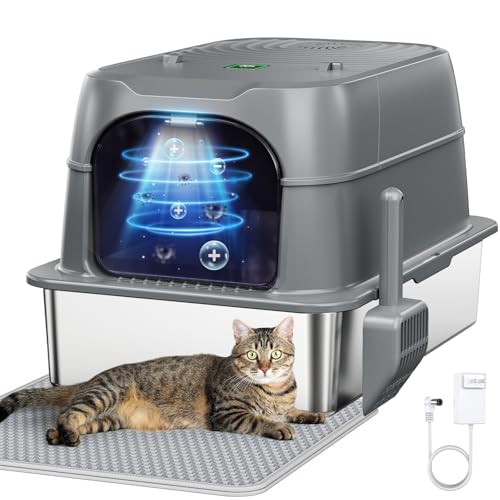
【No More Litter Box Smell】LEMPISH smart stainless Steel litter box utilizes plasma deodorizing technology actively breaks down odor molecules instead of masking them. You only need to activate the odor control stainless steel litter box, and the litter box can provide you with all-weather odor contro—so your home stays fresh all day, even in apartments and multi-cat homes
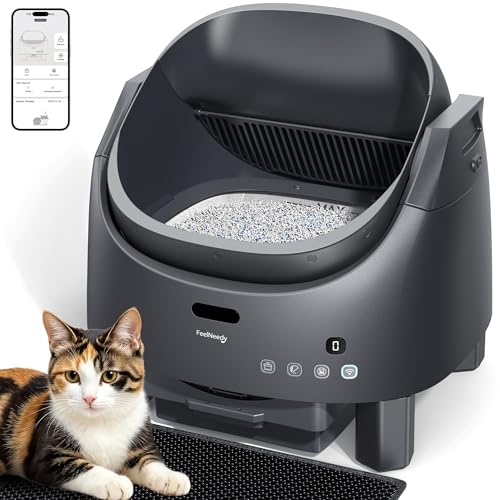
【Fully Automatic Cleaning – No Daily Scooping Required】 No more daily scooping chores. This litter box activates automatically once your cat exits. With a 10L waste drawer that holds roughly 7–10 days of waste (for one cat), you’ll spend less time on cleanup and more time enjoying your furry friend.

Dual-Action Odor Elimination: Our cat litter odor remover combines ozone and negative ion technology to remove odors at the source. Ozone breaks down tough ammonia, hydrogen sulfide , and organic compounds in cat litter, while negative ions clump fine dust and neutralize airborne particles. It is tested to eliminate up to 99% of litter box odors efficiently.Your cat deserves better than a stinky litter box
Creating a Comfortable Environment for Cats
Creating a comfortable environment for our cats involves several key considerations, particularly regarding the placement and maintenance of their litter boxes. We should position litter boxes in quiet, low-traffic areas to minimize stress, ensuring cats feel secure while using them. A minimum litter depth of 2-3 inches not only promotes clumping but also provides an adequate surface for cats, enhancing their comfort during elimination. Regularly scooping the litter box daily, coupled with weekly deep cleaning, considerably maintains hygiene and cat well-being. Additionally, offering one litter box per cat plus one extra helps reduce territorial disputes, ultimately promoting better usage and comfort. By following these guidelines, we can create an ideal environment that fosters our cats’ comfort and reduces odors.
Frequently Asked Questions
Do Litter Covers Actually Help Control the Odor?
Yes, litter covers can help control odor, especially if they use quality litter box materials and allow for good air circulation. Regular maintenance is key; otherwise, odors might build up despite the cover’s benefits.
How to Make a Litter Box Room Less Stinky?
To make our litter box room less stinky, we should focus on regular litter box maintenance, incorporating odor absorbing materials like activated charcoal or baking soda, and ensuring good ventilation to keep smells at bay.
What Is the Litterbox Rule?
We’ve found the litter box rule suggests having one box for each cat plus one extra. This helps with litterbox maintenance and keeps our cats happy, reducing problematic cat behavior related to territory and stress.
Why Do Vets Not Recommend Closed Litter Boxes?
Vets don’t recommend closed litter boxes mainly due to hygiene practices and ventilation concerns. They can trap odors and moisture, creating unhealthy environments for our cats, which may lead to elimination issues.