As an Amazon Associate, we earn from qualifying purchases. Some links on this site are affiliate links at no extra cost to you. Our recommendations are based on thorough research and editorial judgment.

The Role of Natural Oils in Cat Coat Health

Natural oils are vital for maintaining cat coat health, providing necessary fatty acids that keep skin hydrated and reduce inflammation. We should make certain our cats receive oils such as fish oil, rich in omega-3, or coconut oil for moisturizing benefits. The ideal ratio of omega-6 to omega-3 fatty acids, between 5:1 and 10:1, is essential for a shiny coat. Implementing regular topical applications, like gentle massages with these oils, promotes overall skin well-being. Additional specifics follow.
Key Takeaways
- Natural oils like fish oil and coconut oil provide essential fatty acids, promoting moisture retention for a softer and shinier coat.
- Omega-3 and omega-6 fatty acids are crucial for reducing inflammation and creating a strong skin barrier to prevent dryness and excessive shedding.
- Biotin and Vitamin E are essential nutrients that improve coat texture and shine while protecting skin cells from oxidative stress.
- Regular topical application of oils, such as CBD or olive oil, can alleviate skin irritations and enhance overall skin health.
- A holistic approach, combining oil supplementation with environmental care and veterinary guidance, ensures optimal coat and skin health for cats.
Importance of Natural Oils for Coat and Skin Health
You may be interested


10 Best Automatic Scooping Litter Boxes for Effortless Cat Care in 2026
September 30, 2025

10 Best Bentonite Cat Litters for a Fresh and Odor-Free Home
September 30, 2025
When we consider the overall health of our cats’ coats and skin, it is essential to recognize the significant role that natural oils play in maintaining these aspects. Natural oils, such as fish oil and coconut oil, are rich in essential fatty acids that help retain moisture in a cat’s coat, creating a softer and shinier appearance. In addition, oils like olive oil and flaxseed oil supply critical nutrients and antioxidants that support skin health and foster a robust, healthy coat. Regular incorporation of natural oils into their diet can minimize shedding and tangling, while also providing anti-inflammatory benefits that alleviate skin irritations or allergies. Moreover, certain oils can act as a barrier against environmental stressors, safeguarding skin integrity. Many cat multivitamins include Omega-3 fatty acids as a key ingredient to support skin, coat, and joint health in felines.
Types of Natural Oils Beneficial for Cats

Natural oils offer a variety of health benefits for our cats, specifically for their coat and skin. For instance, CBD oil can support a healthy inflammatory response when used topically in balms, enhancing skin health. Fish oil, which is rich in omega-3 fatty acids, is known to alleviate skin allergies and contribute to a shiny coat, making it a valuable dietary addition. Coconut oil serves as a natural moisturizer, applicable both topically and as an ingested supplement, to maintain skin health and moisture. Olive oil, containing vitamin E, provides antioxidant protection and promotes hydration. Finally, flaxseed oil is an excellent source of omega-3 fatty acids, straightforwardly benefiting coat and skin health while supporting overall well-being in our cats. Beyond topical applications, proper nutrient absorption from dietary supplements is essential for these oils to effectively support your cat’s coat health from the inside out.
Recommended Products

Salmon Oil for Dogs and Cats You Can Trust: HEAPETS fish oil for dogs and cats are manufactured in FDA-registered facilities that are GMP-certified. Each salmon oil is tested by third-party to ensure it meets standards for quality and safety.

FULL-BODY SUPPORT: Supercharge your pet's everyday wellness with a premium liquid food topper designed for dogs and cats. This highly bioavailable marine oil promotes exceptional skin and coat health, provides fast allergy itch relief, and supports vital brain development. Adding this pure fish oil pourable topper to your pet's regular kibble or wet food ensures whole body protection through all stages of life.
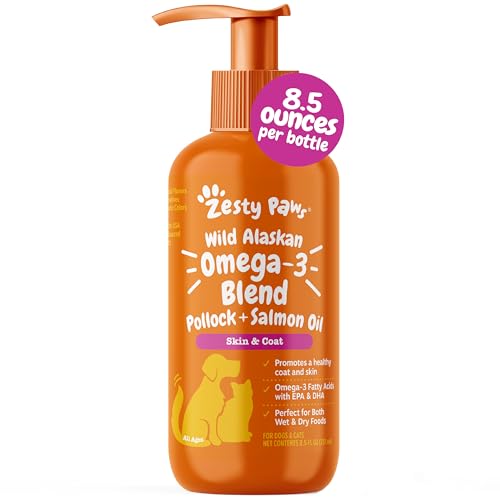
SKIN & COAT NOURISHMENT: Fish oil for dogs and cat like Wild Alaskan Salmon Oil provides omega-3 fatty acids, helping maintain a shiny coat and nourished skin
Omega-3 and Omega-6 Fatty Acids: Essentials for a Shiny Coat

To achieve and maintain a shiny coat in our cats, understanding the essential roles of omega-3 and omega-6 fatty acids is crucial. Omega-3 fatty acids, found primarily in fish oil, are key for reducing inflammation and enhancing skin health, leading to a well-conditioned coat. Conversely, omega-6 fatty acids, especially linoleic acid, help create a strong skin barrier that prevents dryness and hair loss. We must guarantee a favorable ratio of omega-6 to omega-3, ideally between 5:1 and 10:1, to support healthy coat and skin. Insufficient intake of these fatty acids can result in dull fur, excessive shedding, and greasy skin. Incorporating high-quality food or supplements rich in these fatty acids can remarkably enhance coat luster and improve skin hydration. Just as puzzle feeders provide mental stimulation during mealtime, ensuring proper nutrition with essential fatty acids engages your cat’s overall health and well-being.
Recommended Products

Why omega-3 cat - This Nordic Naturals pet product is made with the same exceptional quality oil as our human products, but has been specially formulated for your cat; Omega-3 Cat features omega-3 fish oil in liquid form

WHOLE-BODY OMEGA SUPPORT - Salmon oil for dogs formulated to support skin, coat, joints, and heart health. IsA premium fish oil for dogs that delivers omega fatty acids to help maintain everyday comfort and overall wellness.

SKIN & COAT NOURISHMENT: Fish oil for dogs and cat like Wild Alaskan Salmon Oil provides omega-3 fatty acids, helping maintain a shiny coat and nourished skin
The Benefits of Biotin for Cat Coat Health

Biotin, commonly referred to as vitamin B7, is a significant nutrient that plays a fundamental role in promoting the health of our cats’ skin and fur. This essential vitamin facilitates keratinization, which is vital for a healthy skin and coat. Including biotin in our cat’s diet can help reduce hair loss, enhance coat texture, and improve overall shine and softness. High-quality cat foods often contain adequate biotin levels to support these benefits. Potential deficiencies may result in dry skin, flaky coat, and dermatitis, underscoring the need for sufficient intake. For cats with pre-existing skin conditions or those recovering from grooming-related damage, supplementing with biotin may yield notable improvements in coat health and appearance. When considering supplements for coat health, liquid multivitamin drops containing essential nutrients like biotin can be easily mixed into food or water for convenient administration.
Recommended Products

Joint & Coat Dual Support: VICSOM Collagen for Cats Drops offer dual support for joint health and coat vitality. This premium formula helps nourish and maintain joint flexibility, while promoting a shiny, healthy coat. Ideal for cats experiencing joint stiffness or dull fur, these cat collagen drops support long-term health and comfort.

【Premium Liquid Collagen for Cats】Collagen for Cats with Biotin, MSM & Ginger is a premium formula designed to elevate your cat’s overall health and vitality.

🐕 Premium Liquid Collagen for Dogs & Cats: Our advanced formula combines the power of Grass-Fed Collagen Peptides, Biotin, Vitamin C, and Hyaluronic Acid to promote your furry friend's skin and coat health.
Vitamin E’s Role in Maintaining Healthy Fur

When we consider the overall health of our cats, we must not overlook the essential role Vitamin E plays in maintaining their fur quality and skin importance. As a powerful antioxidant, Vitamin E protects skin cells from oxidative stress, which can lead to a dull or unhealthy coat in our feline companions. It’s essential for keeping the moisture content of the skin ideal, preventing dryness and helping to promote a soft, shiny fur coat. Adequate levels of this vitamin support the immune system, indirectly enhancing coat health by lowering the chances of skin infections. Additionally, Vitamin E aids in healing fur and skin issues, such as flakiness or irritation caused by environmental allergens, highlighting its indispensable role in our cats’ diets and overall wellness. Just as durable, waterproof materials protect pet identification tags from environmental damage, Vitamin E serves as a protective barrier for your cat’s skin against harsh external conditions.
How Coconut Oil Enhances Coat Shine
The effectiveness of coconut oil in enhancing the shine of our cats’ coats cannot be overstated. Rich in medium-chain fatty acids, coconut oil provides essential hydration, promoting ideal skin and coat health. By applying a small amount of this oil topically, we create a protective barrier that reduces moisture loss, leading to a considerable shinier coat. Additionally, the lauric acid in coconut oil possesses antimicrobial properties, which can soothe skin irritations while fostering a healthy environment for coat growth. When coconut oil is ingested, it enhances nutrient absorption, ultimately supporting skin health and contributing to a glossy fur appearance. Regular use can minimize shedding and keep our cats’ fur smooth and manageable, resulting in a beautiful and vibrant coat. For comprehensive coat health, combining coconut oil with omega fatty acids from high-quality cat foods can provide additional benefits for skin and coat maintenance.
Recommended Products

BALM FOR DOGS AND CATS: Organic Coconut oil for dogs, a soothing, natural treatment for dogs dry nose, elbows, ears, paws and wrinkles that heals and softens a pet's dry skin. As a dog ear cleaner or paw balm, coconut oil provides safe and highly effective itch relief for dogs. Great benefits for your feline friends too- all natural coconut oil is great for cats itchy skin, cracked paws and is effective in cleaning cat ears.

Organic Virgin Coconut Oil in single size portable packets

BALM FOR DOGS AND CATS: Organic Coconut oil for dogs, a soothing, natural treatment for dogs dry nose, elbows, ears, paws and wrinkles that heals and softens a pet's dry skin. As a dog ear cleaner or paw balm, coconut oil provides safe and highly effective itch relief for dogs. Great benefits for your feline friends too- all natural coconut oil is great for cats itchy skin, cracked paws and is effective in cleaning cat ears.
Dietary Influences on Natural Oil Production
While we may consider grooming techniques vital for maintaining our cats’ coats, it’s equally important to recognize that dietary influences play a significant role in natural oil production, directly impacting coat health and appearance. A cat’s diet should be rich in essential fatty acids, particularly omega-3 and omega-6, to support natural oil production, ensuring a shiny, healthy coat. The ideal ratio of omega-6 to omega-3 fatty acids is between 5:1 and 10:1, which promotes your cat’s skin health. Incorporating animal-based proteins provides important amino acids necessary for effective oil synthesis. Additionally, vitamins like Vitamin E and Biotin contribute to moisture maintenance, while ensuring adequate hydration through fresh water or wet food further enhances skin elasticity, fostering best oil production. For cats with food sensitivities that may affect skin and coat health, specialized diets with hydrolyzed proteins can help minimize adverse reactions while supporting skin health with omega fatty acids.
Topical Applications of Oils for Skin and Coat Care
To enhance our cats’ skin and coat health, topical applications of oils can play an essential role, particularly when we select oils known for their beneficial properties. For instance, coconut oil and olive oil can maintain skin moisture, promoting a soft coat while soothing dryness and irritation. Additionally, CBD balms offer support for dry, itchy, or irritated skin, providing natural relief. It’s crucial to incorporate oils rich in essential fatty acids, as they help enhance coat health and strengthen the skin’s moisture barrier. We recommend gently massaging pet-safe oils, like flaxseed or fish oil, into the skin to optimize absorption. Always consult a veterinarian prior to introducing any new topical applications, ensuring they’re suitable for your cat’s unique health needs. Beyond topical care, providing sisal scratching posts allows cats to engage in natural behaviors that promote overall well-being and reduce stress-related skin issues.
Recommended Products

FEED THEIR SKIN: When you nourish their skin, you help care for their coat and our advanced cat skin and coat supplement does just that. It provides soothing relief for itchy dry skin and helps reduce cat dander and excessive shedding, leaving your feline's coat soft, shiny, and touchably smooth. Whether dealing with seasonal dryness or daily grooming comfort, these daily vitamins keep your pet radiant from the inside out.

Cat/Dog Skin and Coat Supplement: Relieve your pet from rashes, itchy skin & hot spots with Ultra Oil’s hemp & liquid fish oil for pets. Simply pump into their meal(s) for healthy skin & fur that shimmers!

SHIPMENT CONTAINS: 8 fl oz bottle of Wild Alaskan Salmon Oil supplement for dogs and cats of all ages
Frequently Asked Questions
What Is the Best Oil for a Cat’s Coat?
We believe coconut oil’s benefits, packed with essential fatty acids, and olive oil options are great for improving our cat’s coat. Both nourish the skin, adding shine and promoting overall health. They’re worth trying!
Are Natural Oils Safe for Cats?
Are natural oils safe for cats? Yes, certain types, like coconut and olive oil, can be beneficial. However, we must consider each cat’s skin sensitivity and apply oils cautiously to avoid adverse reactions.
Should I Oil My Cat’s Fur?
We shouldn’t oil our cat’s fur excessively, but incorporating essential fatty acids through diet can enhance coat health. Let’s focus on cat grooming techniques and moderation for effective coat maintenance tips without overwhelming them.
How to Improve Cat Fur Quality?
To improve our cat’s fur quality, we should focus on effective cat grooming techniques, guarantee proper nutrition impact with a balanced diet, and address seasonal shedding to maintain a healthy, shiny coat all year round.


