As an Amazon Associate, we earn from qualifying purchases. Some links on this site are affiliate links at no extra cost to you. Our recommendations are based on thorough research and editorial judgment.

The History of Cat Litter: From Sand to Modern Solutions

The history of cat litter begins with ancient Egyptians, who used sand and ash for effective waste management, absorbing moisture and controlling odors. In 1947, Edward Lowe revolutionized this practice by introducing Fuller’s Earth clay, which improved moisture absorption and hygiene for indoor cats. The 1980s saw the emergence of clumping litter, enhancing convenience and odor control. Today, eco-friendly and high-tech solutions, such as smart litter boxes with health monitoring, further optimize cat care. Exploring these developments reveals more about their impacts.
Key Takeaways
- Ancient Egyptians used sand and ash for cat waste management, demonstrating early hygiene practices for indoor cats.
- Edward Lowe revolutionized cat hygiene in 1947 by introducing modern kitty litter made from Fuller’s Earth.
- The 1980s saw the introduction of clumping litter made from bentonite clay, enhancing litter box maintenance and odor control.
- Eco-friendly litters, made from biodegradable materials like corn and recycled paper, address environmental concerns while being effective.
- Modern smart litter boxes utilize sensors and automatic cleaning systems, advancing cat litter management and providing health monitoring features.
Ancient Origins: Sand and Ash
You may be interested

10 Best Baking Soda Cat Litters to Keep Your Home Fresh and Clean
November 14, 2025

10 Best Cat GPS Trackers of 2026 - Keep Your Feline Safe and Sound
November 14, 2025
When we examine the ancient origins of cat litter, it is vital to recognize that our feline companions have relied on effective waste management solutions for thousands of years. In ancient Egypt, where cats were revered, waste management was significant. Egyptians utilized sand and ash as mediums for their cats, which effectively absorbed moisture and concealed odors. This method demonstrated an early understanding of hygiene important for indoor cats. Cats instinctively prefer soft dirt or sand for covering their waste, aligning with their natural behaviors. The domestication of cats increased the demand for reliable indoor solutions, paving the way for innovations in cat care. These early practices laid the foundation for our modern approaches to maintaining cleanliness and ensuring feline hygiene in domestic spaces. Modern cat owners continue to seek solutions that work with feline instincts, including products like calming collars that utilize synthetic pheromones to reduce stress during environmental changes.
The Birth of Modern Cat Litter
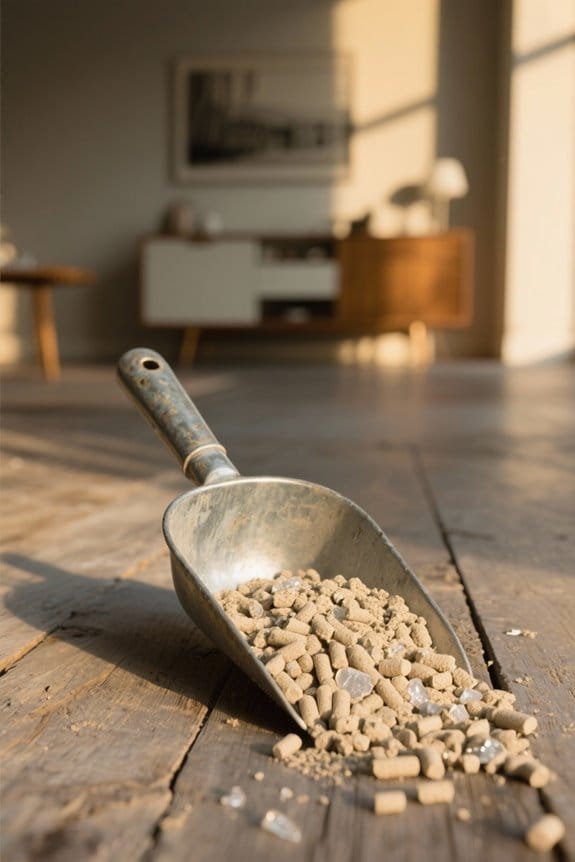
In 1947, Edward Lowe transformed cat care when he introduced modern cat litter, fundamentally changing how we manage feline waste indoors. He utilized Fuller’s Earth, a clay known for its superior moisture-absorbing and odor-neutralizing properties, which was a significant advancement over traditional materials like sand or sawdust. The inspiration for this innovation arose from a neighbor’s need for a practical indoor solution during winter months. By marketing the first commercial kitty litter, Lowe revolutionized cat hygiene, leading to a cleaner environment for both cats and their owners. This breakthrough fostered a shift in household pet care, enabling more cats to live indoors comfortably, consequently enhancing the overall quality of life for all involved. Just as proper wound care requires cleaning with soap and water before treatment, maintaining cat litter hygiene became essential for preventing health issues in indoor feline environments.
Recommended Products

PREMIUM QUALITY: A combination of premium texture and granule size made with 100% bentonite clay for maximum clumping creates litter particles that are just the right size.
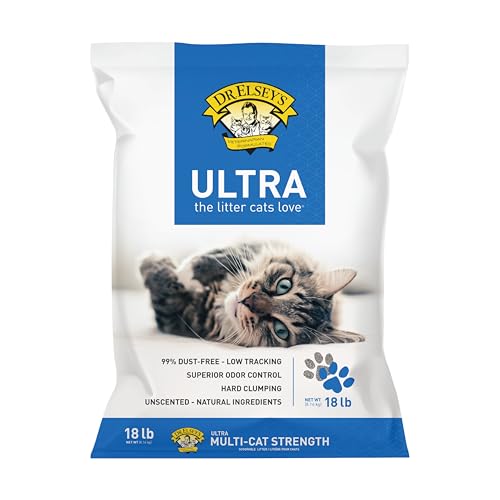
PREMIUM QUALITY: A combination of premium texture and granule size made with 100% bentonite clay for maximum clumping creates litter particles that are just the right size.

PREMIUM QUALITY: A combination of premium texture and granule size made with 100% bentonite clay for maximum clumping creates litter particles that are just the right size.
The Clumping Revolution
The introduction of clumping litter in the 1980s marked a pivotal advancement in cat care, as it utilized bentonite clay to create solid clumps upon exposure to moisture, consequently enhancing overall litter box maintenance. This innovation allowed cat owners to remove clumps easily, greatly reducing the frequency of complete litter changes and improving cleanliness. By effectively trapping odors within the clumps, clumping litter provided superior odor control compared to previous litter options, hence creating a fresher environment for both cats and owners. The demand for efficient and hygienic solutions led to substantial growth within the cat litter industry, prompting brands to develop various formulas tailored specifically for the diverse needs of pet owners, ensuring ideal performance in every household. Modern clumping litters have evolved to include dust-free formulations that address respiratory concerns for both pets and their owners, with some products achieving 99.9% dust-free performance.
Recommended Products
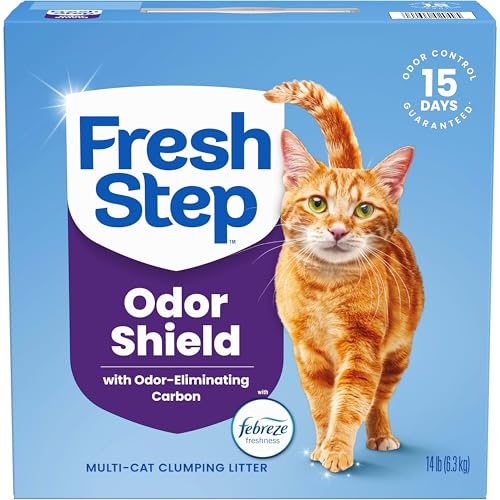
FRESH STEP CLUMPING CAT LITTER: One 14 lb. box of Fresh Step Multi Cat Clumping Litter, Extra Strength Formula With Febreze Freshness, designed for multi cat homes.

EASY CLEAN-UP LITTER: ARM & HAMMER Slide Platinum Clumping Kitty Litter forms rock-hard, scoopable clumps that slide right out to prevent sticking; no scrubbing, no scraping, so litter box duty is fast and simple

ONLINE EXCLUSIVE! Fill your cat litter box with the refreshing scent of fresh lavender fields with ARM & HAMMER Forever Fresh Lavender Clumping Cat Litter. This 18 lb. clumping cat litter odor control is only available online
Eco-Friendly Alternatives
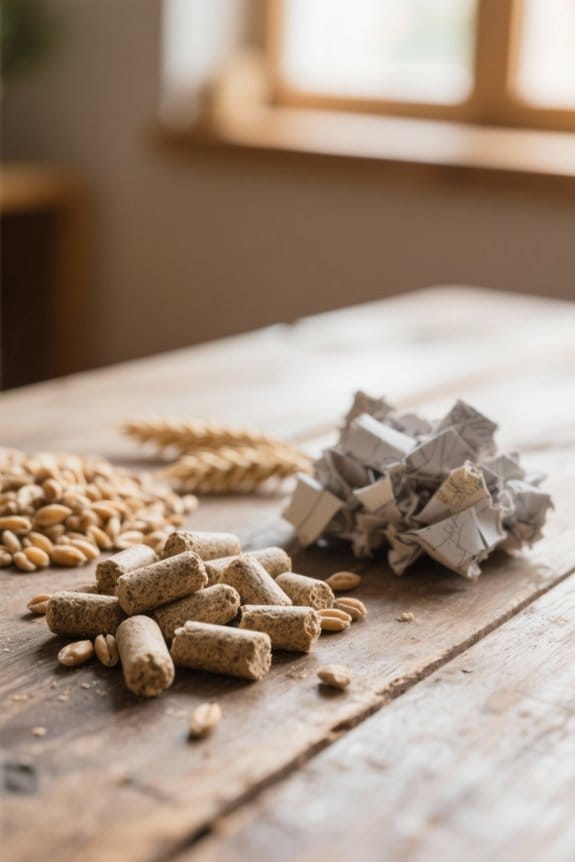
As we explore the evolution of cat litter, the emergence of eco-friendly alternatives represents a significant shift in consumer preferences. These eco-friendly options, often made from biodegradable materials, such as recycled paper, corn, wheat, tofu, and pine, address environmental concerns related to traditional clay litters. Not only do these natural alternatives provide excellent moisture absorption and odor control, but they are also gentler on cats’ paws, making them a suitable choice for pets with allergies or sensitivities. Many of these sustainable litters are compostable, enabling responsible disposal practices that further reduce waste destined for landfills. Products made from walnut shells offer superior odor neutralization and absorbency while being produced in environmentally responsible facilities. This ongoing shift illustrates our collective demand for products that align with environmentally conscious lifestyles, fostering a healthier planet for future generations.
Recommended Products

For Cat and Kitty Litter Box - Naturally Fresh Cat Litter is made from all-natural walnut shells, and this eco-conscious litter neutralizes odors better than clay, pine, corn, and wheat litters.


sWheat Scoop Natural Wheat Multi-Cat Litter: Super absorbent, natural wheat litter designed for multi-cat and multi-litter box households
High-Tech Marvels: Smart Litter Solutions
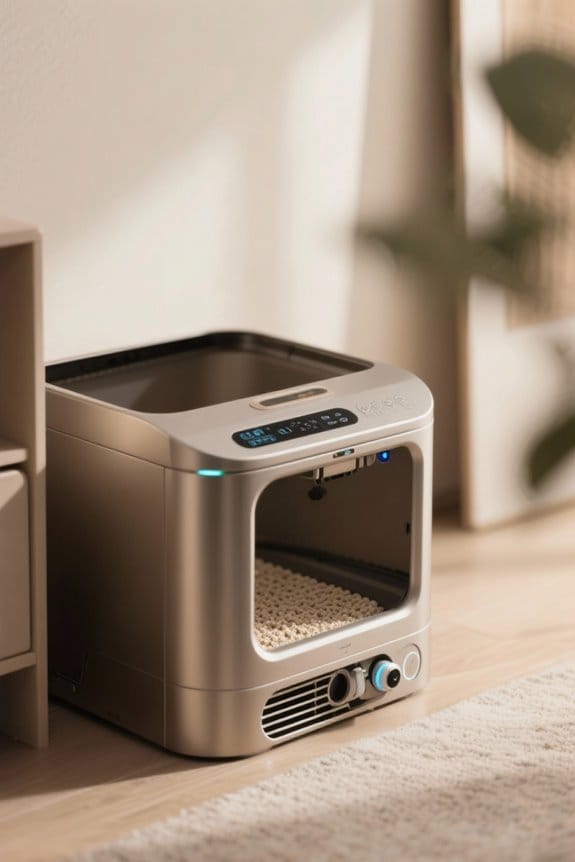
Although many cat owners still rely on traditional litter boxes, the introduction of high-tech litter solutions is transforming how we maintain our feline companions’ hygiene and health. Smart litter boxes incorporate advanced sensors for health monitoring, which analyze usage patterns and provide essential insights into our cats’ well-being. These devices often feature automatic cleaning systems that detect and dispose of waste without manual intervention, markedly reducing the time spent on maintenance. Additionally, many smart boxes connect to mobile applications that notify us of our cats’ habits, enabling proactive veterinary care when anomalies are detected. Modern self-cleaning models employ various mechanisms such as rotating drums and motorized rakes, with some featuring triple odor control systems that combine sealed bins, deodorizing fans, and negative-ion technology to maintain a fresh environment. By integrating technology, we not only improve convenience but also address crucial challenges such as odor control and frequent litter changes, ensuring a healthier environment for our pets.
Recommended Products
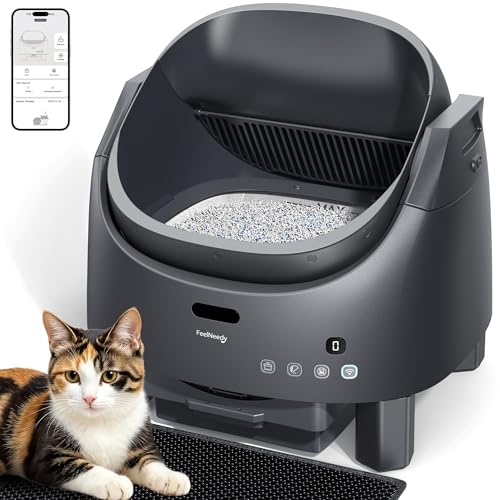
【Fully Automatic Cleaning – No Daily Scooping Required】 No more daily scooping chores. This litter box activates automatically once your cat exits. With a 10L waste drawer that holds roughly 7–10 days of waste (for one cat), you’ll spend less time on cleanup and more time enjoying your furry friend.
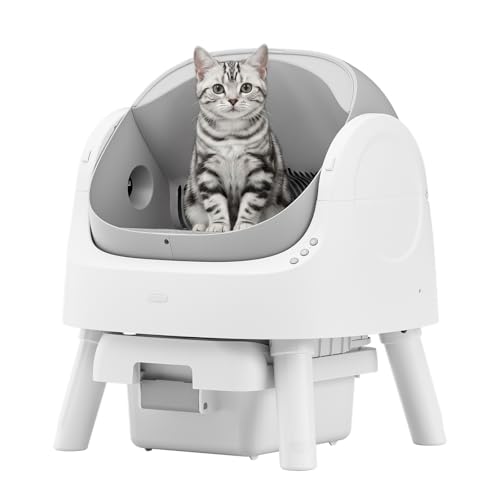
Hands-Free Freedom & Time Saving: Say goodbye to tedious cleanup with our automatic litter box. It promptly clears waste to maintain a fresh environment, acting like a personal assistant that frees up your hands. Designed for busy professionals and frequent travelers, it supports unattended operation to manage your cat's hygiene during short trips

Automatically Removes Waste: Enjoy weeks without scooping as the PetSafe Crystal Pro Legacy manages your cat's litter efficiently
Frequently Asked Questions
What Is the History of Cat Litter?
The history of cat litter showcases alternative materials evolving for better cat hygiene. From simple designs utilizing sand to advanced litter box designs with clumping options, we’ve seen innovation transform how we care for our feline friends.
Why Not Use Sand as Cat Litter?
We’ve found that using sand as cat litter just doesn’t cut it. Alternative materials provide better odor control, making cleanup easier. Let’s discuss some maintenance tips to keep both our cats and homes happy!
Who Invented Cat Litter Sand?
Edward Lowe invented cat litter sand in 1947, paving the way for cat litter innovations. His creation transformed feline hygiene practices, leading us to explore more sustainable alternatives that benefit both our cats and the environment.
What Did Cat Owners Do Before Cat Litter?
As the saying goes, “old habits die hard.” Before cat litter, we used natural alternatives like sand, sawdust, and newspapers, relying on early methods to guarantee our feline friends maintained their hygiene in our homes.