As an Amazon Associate, we earn from qualifying purchases. Some links on this site are affiliate links at no extra cost to you. Our recommendations are based on thorough research and editorial judgment.


The Correct Pressure to Use When Brushing Your Cat

When brushing our cat, we must apply gentle pressure to guarantee comfort, starting with light strokes. We should gradually increase pressure based on their individual responses, particularly in sensitive areas like the tummy and face, where a lighter touch is ideal. For long-haired cats, we use a slicker brush with firmer pressure, while short-haired cats benefit from softer strokes with a metal comb. Monitoring their body language is essential for adjusting our technique effectively. Further techniques for enhancing this process will follow.
Key Takeaways
- Begin with gentle strokes to help your cat acclimate to the grooming process, especially in sensitive areas.
- Gradually increase pressure based on your cat’s response, focusing on comfort and avoiding discomfort signals.
- Use light pressure for short-haired cats and a firmer touch for long-haired cats when necessary to prevent matting.
- Pay special attention to sensitive areas, adjusting pressure to ensure your cat feels safe and comfortable during grooming.
- Monitor your cat’s body language closely for signs of discomfort, and modify your technique accordingly.
Understanding Your Cat’s Sensitivity
When we consider our cat’s sensitivity during grooming, it’s critical to recognize that each feline is unique, differing markedly based on breed, age, and prior grooming experiences. To guarantee an effective brushing session, we should begin with gentle strokes. This allows our cat to acclimate, gradually increasing pressure only if they show signs of comfort. Focusing on areas like behind the ears and under the chin, where cats typically enjoy petting, can help establish a positive grooming experience. For sensitive cats, a soft-bristle brush is recommended, as it minimizes discomfort and applies less pressure. Throughout the grooming process, we must monitor our cat’s body language and vocalizations, adjusting our technique as necessary to maintain their comfort and well-being. Using grooming tools with rounded teeth on brushes can further minimize discomfort while effectively addressing tangles and maintaining coat health.
The Importance of Gentle Pressure

Applying gentle pressure during grooming is essential for ensuring both the comfort of our cats and the effectiveness of the brushing process. Excessive force can lead to resistance or anxiety, making future cat grooming sessions challenging. We should begin with light strokes on areas our cats enjoy being petted, gradually increasing pressure only as the cat becomes more accustomed to the brushing technique. For long-haired cats, slightly firmer strokes may be necessary to effectively remove tangles, while short-haired cats typically respond well to softer brushes. It’s vital to avoid brushing against the direction of the fur with excessive pressure, as this can irritate the cat’s skin and potentially cause injury. Regularly evaluating our cat’s reactions will help determine the right level of pressure needed for a positive experience. Just as with brushing, maintaining a calm approach during other grooming tasks like nail trimming helps minimize stress, with quiet operation tools being particularly beneficial for anxious pets.
Recommended Products

EASY MESS-FREE GROOMING: Never deal with flying fur while grooming again! The pet vacuum for dogs sucks up debris while you use the pet grooming kit attachments to take care of the rest!

Ultra-Lifelike with Unique Silicone Details: Forget stiff, generic plushies. This Red Panda is meticulously designed with premium, tactile features that our customers rave about: soft silicone "toe beans" and uniquely crafted, non-scratching claws. These incredibly realistic details instantly elevate it from a simple stuffed animal to a stunning, lifelike masterpiece.

ADVANCED MULTI-FABRIC EDGES: Our Uproot Cleaner Pro Pet Hair Remover and its siblings, the Mini, Xtra, & Max, feature a unique multi-fabric edge design that protects your fabrics from damage!
Signs Your Cat Is Comfortable

Recognizing the signs that our cat is comfortable during grooming plays a significant role in creating a positive experience for both the cat and ourselves. A relaxed body posture, including a neutral tail position and a lack of rigidness, indicates that our cat feels comfortable while brushing. Additionally, purring is a classic sign of contentment, suggesting they are at ease with the process. If our cat leans into the brush or stays close for more attention, this indicates enjoyment of the grooming session. Slow blinking or closing their eyes demonstrates trust and comfort in their environment. Finally, using gentle strokes that our cat responds positively to reinforces their sense of comfort and acceptance in this necessary activity. Regular grooming sessions that maintain this level of comfort help foster a stronger bond between us and our pets while promoting optimal coat hygiene.
How to Gauge the Right Pressure

Gauging the right pressure during brushing is essential for ensuring our cat’s comfort and cooperation. We should start with gentle strokes, applying minimal pressure, which allows our cat to acclimate and build trust. Gradually, we can increase the pressure, closely observing our cat’s reactions. If it tenses, tries to pull away, or displays signs of discomfort, we must reduce the pressure immediately. Areas like behind the ears and along the back typically indicate acceptable pressure levels, so focus on these spots. We should remain vigilant for signs of discomfort, such as twitching, flattened ears, or biting, which indicate that we need to revert to softer brushing. Different coat types also require various pressure adjustments for ideal comfort. Using ergonomic grooming brushes with textured grips can help us maintain consistent, gentle pressure throughout the session while reducing hand fatigue.
Recommended Products
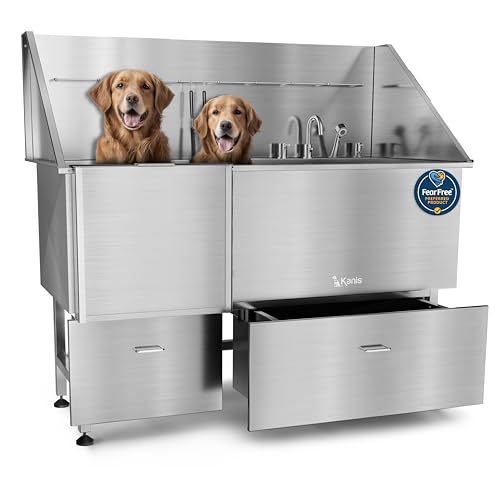
Utility & Grooming Station: KANIS presents a versatile dog bathtub designed for both pet washing and household cleaning tasks. Easy to install and a perfect addition to any grooming salon, utility room, laundry room, garage, or mudroom.

【Premium 304 Stainless Steel】 Unlike cheap 201 steel that rusts quickly, DYTREND is crafted from marine-grade 304 stainless steel with a reinforced 1.0mm wall thickness. This heavy-duty construction supports up to 600 lbs, ensuring stability for St. Bernards or Mastiffs while offering superior rust and corrosion resistance for years of use

POWERFUL AND QUIET: Bagged canister vacuum optimal for smooth floors and low-medium pile carpet with a Turbobrush for carpets and Parquet floorhead for smooth flooring
Starting With Light Touches

To guarantee a successful grooming session, we should begin with light touches that prioritize our cat’s comfort and emotional well-being. Starting with gentle strokes, we can gradually acclimate our feline friend to the brushing process. Focusing on areas they enjoy being petted, such as behind the ears, can help in this regard. Light touches are critical, particularly for cats who may be fearful or anxious; this approach establishes a calm environment and supports their overall relaxation. As we gently brush, we must closely monitor our cat’s body language for signs of discomfort, preparing to adjust our technique accordingly. By fostering a positive experience, we enhance our cat’s overall comfort and encourage their acceptance of brushing over time. Using tools with soft bristles ensures we maintain gentle contact while effectively removing loose fur during these initial grooming sessions.
Gradually Increasing Pressure
As we progress through the grooming session, it’s essential to apply gradually increasing pressure while brushing, which not only enhances our cat’s comfort but also promotes trust in the process. We begin with gentle strokes in areas where our cat enjoys being petted, such as behind the ears or along the back. Once our cat appears relaxed and accepting, we can gradually increase the pressure used, focusing on comfort rather than speed. It’s vital to monitor the cat’s body language; if their ears flatten, or if they begin to move away, we should reduce pressure immediately. We must remain patient and allow the cat to guide the session, responding appropriately to their comfort levels throughout the grooming experience. This same gradual approach works well when introducing dental care routines, as regular brushing significantly reduces plaque and tartar buildup while helping our cats become accustomed to oral hygiene maintenance.
Areas to Be Extra Gentle
A careful approach is essential when brushing our cat, particularly in areas that require extra gentleness to prevent discomfort and anxiety. The tummy, face, and near the eyes are sensitive areas that demand extra gentle pressure. For long-haired cats, we should be especially cautious, as their dense undercoat can get matted, necessitating a lighter touch to avoid pulling and potential skin irritation. When brushing between the toes and paw pads, we must also use extra gentle pressure since excessive force could cause pain. Additionally, the tail base is another sensitive region where pressure should be minimized to prevent distress or aggression. By starting with light strokes in these areas, we can gradually help our cat feel more comfortable with the grooming process. Using slicker brushes with fine, coated bristles ensures gentleness on sensitive skin while still effectively removing loose fur and preventing mats.
Recommended Products

🐾 【2.5L Large Capacity Dog Hair Vacuum Groomer】The Katio Kadio Pet Vacuum Groomer comes with an enlarged 2.5 liters dust bin, avoiding frequent emptying while grooming. It's perfect for families with multiple pets or large dogs and cats, including Husky, German Shepherds, Golden Retrievers, Bernese mountain dogs, Collies, Labradors Retrievers, Mastiffs, Rottweilers, Maine Coons, Ragdolls, and more.

NO. 1 PET GROOMING BRAND IN THE USA — TRUSTED BY MILLIONS OF PET PARENTS: Join the millions of pet parents who trust Burt's Bees for Pets as America's No. 1 pet grooming brand for gentle, naturally derived grooming tools for dogs.

🐶🐱All-in-One Pet Grooming Kit: Our pet grooming vacuum cleaner comes with 5 different accessories - Electric Clipper, De-matting Brush, Slicker Brush, Hair Remove Brush, and Nozzle - making it easy to groom your pet in one go. Whether you need to clip their hair or remove mats and tangles, our kit has everything you need.
Recognizing Signs of Discomfort
Recognizing signs of discomfort in our cats during grooming is essential for ensuring their well-being and minimizing stress. We should closely observe our cats for clear indicators of discomfort, including flattened ears, a tense body, or an attempt to move away from the brush. Specific vocalizations, such as hissing, growling, or excessive meowing, may signal that our cat is feeling threatened or suffering in pain during the grooming process. Additionally, a twitching or lashing tail often reflects agitation, while attempts to claw, bite, or swat at the brush indicate that the pressure or technique we’re using may be inappropriate. After grooming, excessive scratching or intense grooming may also suggest our technique left the area feeling uncomfortable or even painful. Similarly, changes in behavior like rubbing of eyes during or after grooming sessions can indicate irritation that requires our immediate attention.
Adjusting Pressure Based on Coat Type
Adjusting the pressure during grooming based on coat type is essential for maintaining our cats’ comfort and preventing injury. For short-haired cats, we should use light pressure with a metal comb, allowing us to effectively remove loose hair while minimizing skin irritation. In contrast, when brushing a long-haired cat, we may require firmer pressure with a slicker brush to penetrate the coat and address tangles without causing discomfort. Gradually adjusting pressure based on the cat’s response is important; we should start gently and observe for signs of relaxation or tension. Additionally, it’s significant to use a softer touch in sensitive areas, like the belly and behind the ears, while always brushing in the direction of fur growth to avoid injury. For cats with matted fur or dense coats, we may need to consider using specialized trimmers with precision-cut blades that can safely address problem areas without applying excessive pressure.
Recommended Products
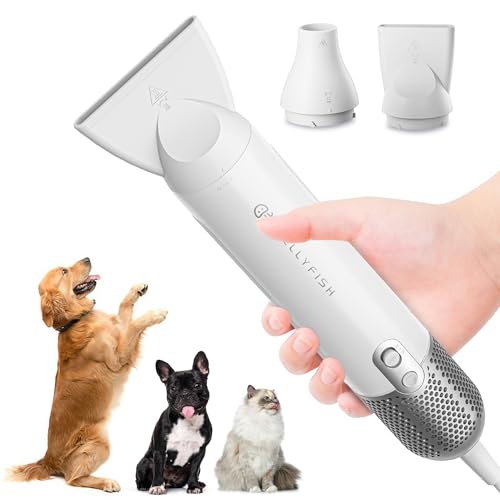
High-Speed Efficient Drying : JELLYFISH Dog Hair Dryer Equipped with a Innovative High-Tech 40mm brushless motor, delivers a revolutionary 62m/s air velocity, reducing drying time by 60%.Smaller size higher airflow power, Portability for home or travel.

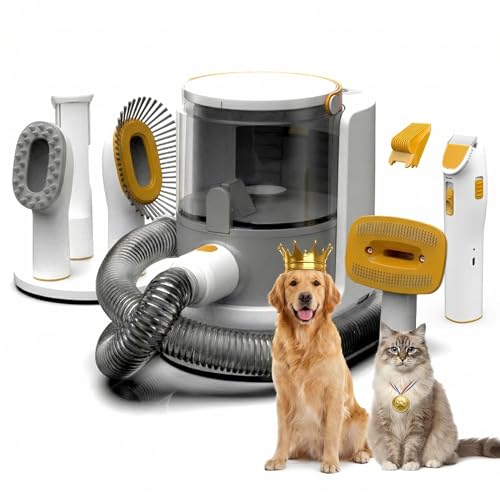
ALL-IN-ONE GROOMING & CLEANUP Powered by a 300W motor with 13kPa suction, this PUPPYOO pet grooming vacuum includes a slicker brush, clipper, massage brush, sofa brush, and 2-in-1 wide nozzle for daily grooming and cleanup. The advantage is brushing, trimming, and collecting loose hair in one step, so pet parents can keep dogs and cats neat with less mess around the home.
Creating a Relaxing Grooming Environment
Creating a relaxing grooming environment is essential for the overall well-being of our cats, as it can markedly reduce anxiety and enhance the grooming experience. First, we should select a quiet, comfortable location, free from distractions, where our cats feel secure. It’s beneficial to isolate other pets during grooming sessions, which contributes to a calming atmosphere. Timing is also vital; schedule sessions after our cat has taken a nap to avoid hyperactivity. To build trust, we can introduce the grooming brush slowly, using gentle strokes and a dry washcloth initially. For cats that experience significant stress during grooming, consider using calming pheromone collars to help promote relaxation and reduce anxiety-related behaviors. Regular grooming not only fosters a relaxing environment, but it also serves as a bonding experience, promoting a peaceful relationship between us and our cat.
Positive Reinforcement During Grooming
How can we effectively use positive reinforcement during grooming sessions to make our cats more comfortable? To begin, we should associate brushing with positive experiences, starting by offering treats immediately after each successful grooming session. This immediate reward enhances their comfort level and establishes a connection between brushing and positive outcomes. Additionally, rewarding our cats multiple times during the initial adjustment period can considerably alleviate anxiety and foster trust. By integrating grooming as a special one-on-one bonding experience, we cultivate a stronger relationship, further reducing their stress around the process. Consistent application of positive reinforcement not only improves our cat’s compliance during grooming but also strengthens our bond, promoting mutual confidence in handling and overall well-being.
When to Seek Professional Help
Recognizing when to seek professional help for our cats during grooming is essential for maintaining their health and well-being. If our cats exhibit extreme discomfort, such as yowling or aggressive behavior, it’s critical to consult a veterinarian. Additionally, when we encounter severe mats that can’t be safely removed at home, we need help, as improper removal may injure the skin. Cats prone to skin irritations or infections may require specialized advice from a vet, especially if underlying health issues exist. Senior cats, particularly those over seven with mobility issues, may not manage grooming effectively and should have professional support. If after several weeks we can’t establish a positive brushing routine, involving a professional groomer or veterinarian could be beneficial.
Recommended Products

Made of rust resistant 304 type Stainless steel which provides great sealing, solid durability, and easy maintenance.


-Package Content: The dog tub comes with 1 x Pet Grooming Bath Tub Kit, 1 x Tub Faucet,1 x Step Stair, 2 x Pet Fixing Straps, 1 x non-slip mat, 1 x Sprinkler fixing bracket.
Building a Trusting Grooming Routine
Building a trusting grooming routine is vital for both our cats’ comfort and our success in maintaining their coats. We should start with gentle strokes, gradually increasing pressure as our cat becomes accustomed to the process. Focusing on areas that they enjoy, such as behind the ears, helps build trust, creating a positive association with grooming. It’s essential to keep sessions short, ideally around five to ten minutes, gradually increasing the duration to avoid overwhelming them. After each session, we can incorporate positive reinforcement, like treats or verbal praise, immediately following brushing to strengthen acceptance of the grooming routine. Regular grooming not only promotes a clean coat but also fosters a relaxed bond, reducing anxiety and discomfort during these necessary sessions.
Frequently Asked Questions
How Much Pressure When Brushing a Cat?
When brushing our cat, we should use a gentle technique, applying light pressure initially. As we refine our brushing technique with appropriate grooming tools, we’ll guarantee the cat coat remains healthy and comfortable.
What Is the Proper Way to Brush a Cat?
When brushing our cat, we should use gentle strokes, focusing on their favorite spots. We’ll adjust our brushing techniques based on their fur type and guarantee regular grooming sessions to maintain a healthy coat.
How Many Minutes Should You Brush Your Cat?
We should brush our cats for 5 to 15 minutes, depending on their coat type. Regular grooming reduces shedding, prevents mats, and keeps their coat healthy. Following these cat grooming tips guarantees a happier experience for both us and our cats.
How Do I Know if I Brushed My Cat Enough?
It is understood that we’ve brushed our cat enough when their coat looks healthy and shiny. By observing their reactions and adjusting our brushing frequency based on fur types, we can maximize their grooming benefits and keep them comfortable.


