As an Amazon Associate, we earn from qualifying purchases. Some links on this site are affiliate links at no extra cost to you. Our recommendations are based on thorough research and editorial judgment.

How to Groom a Cat’s Paw Pads and Sanitary Areas

To effectively groom a cat’s paw pads and sanitary areas, we should begin by inspecting each pad for debris or injuries. Using a soft, damp cloth, we gently wipe the pads and clear dirt, focusing on between the toes. If necessary, we trim excess fur around the pads and sanitary area with quiet clippers. During grooming, applying positive reinforcement, like treats, encourages cooperation. Regular vet check-ups are essential for ensuring paw health; additional techniques can enhance this process.
Key Takeaways
- Regularly inspect paw pads for debris, cuts, or sores to prevent infections and irritation.
- Use a soft, damp cloth or hypoallergenic wipes to gently clean and maintain sanitary areas.
- Use cat-specific nail clippers and rounded-tip scissors for safe trimming around paws and sanitary areas.
- Employ positive reinforcement by rewarding your cat with treats during grooming to create a positive experience.
- Schedule regular vet check-ups to monitor paw pad health and address any potential grooming concerns.
Importance of Grooming Paw Pads and Sanitary Areas
You may be interested


While we may often focus on a cat’s fur, the importance of grooming their paw pads and sanitary areas cannot be understated. Regular grooming of these areas is essential for removing debris that can lead to infections and irritation when foreign objects become trapped within the pads. Additionally, routinely cleaning the sanitary areas helps prevent the buildup of fecal matter or urine, which may cause skin irritation or infections. For long-haired cats, more frequent grooming is necessary to prevent matting due to trapped dirt and moisture. By maintaining cleanliness in these areas, we reduce unpleasant odors and promote the cat’s overall well-being. If your cat experiences anxiety during grooming sessions, consider using calming sprays with pheromones to help them relax and make the process more comfortable for both of you. Consequently, the act of grooming extends beyond aesthetics to ensuring health and comfort for our feline companions.
Inspecting Paw Pads for Health

Inspecting your cat’s paw pads for health is crucial, as neglecting this aspect of grooming can lead to more serious issues down the line. We should regularly inspect our cat’s paw pads for cuts, sores, or splinters, as these can result in painful infections if untreated. Also, watch for signs of discomfort, such as limping or excessive licking, which may indicate irritation. It’s important to verify the paw pads are clean and free from debris, preventing potential contamination when our cats groom themselves. Additionally, we must check for dryness or cracking on the pads, as extreme temperatures or lack of moisture can exacerbate these conditions. Finally, monitoring the sensitivity of the paw pads after walks can help prevent future injuries. Regular grooming sessions not only help maintain healthy coat and skin but also provide an opportunity for early detection of paw pad issues or parasites.
Cleaning Techniques for Paw Pads

After evaluating the health of our cat’s paw pads, we can proceed with the cleaning process to guarantee they remain free from dirt and potential irritants. We should begin by gently inspecting each paw pad for any debris, cuts, or swelling, as these may indicate potential issues. Next, we’ll use a soft, damp cloth or pet-safe baby wipes to carefully clean the paw pads, ensuring we remove any dirt or residue without causing discomfort to our cats. It’s important to pay extra attention to the areas between the toes, as moisture and debris can accumulate there, leading to irritation. If trimming hair around the paw pads is necessary, we should use quiet clippers below 50 dB to minimize stress during this sensitive area grooming. Finally, we’ll reward our cats with praise or treats, establishing a positive association with this essential grooming routine.
Recommended Products

Cleaning & Deodorizing: 2023 PET BUSINESS WINNER IN USA. Size: 10 × 9 inches. Effectively and quickly remove tough odor, dirt, dander, and excess oil. Leaves your pet's coat soft and shiny. A quick and easy bath alternative, great for quick cleanups after walks and outdoor playtime
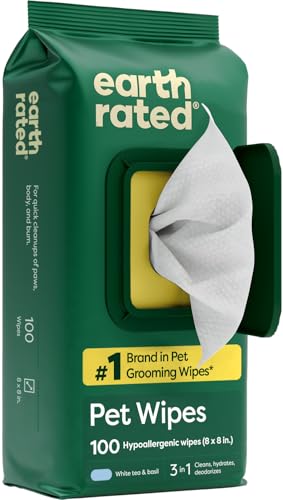

CAT GROOMING WIPES: Designed specifically for cats to help clean paws, coat, and face by removing surface dirt, dander, and odors between baths at home or during travel.
Trimming Fur Around Sanitary Areas

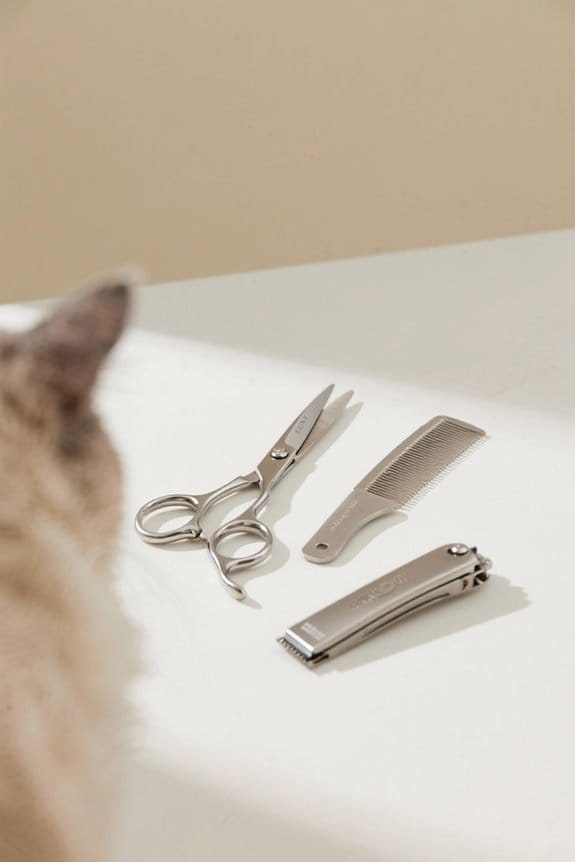
Trimming the fur around our cat’s sanitary areas is an essential grooming task that not only promotes hygiene but also prevents matting and potential irritations. We should use blunt-nosed scissors to carefully trim small amounts of fur, ensuring we avoid contact with the skin to prevent injury. To achieve the best results, it’s important that our cat is calm and comfortable; this reduces stress and limits movement that might lead to accidental cuts. We need to check for signs of irritation or redness throughout the process, performing this grooming every few weeks or as needed, especially during shedding seasons. Employing positive reinforcement, such as treats or praise, can help our cat associate this task with a pleasant experience. After grooming, consider providing a warm resting spot with a cat heating pad to help your feline relax and recover from the grooming session.
Recommended Products

【Professional Dog Grooming Scissors】This dog grooming kit includes 1* thinning shear, 1*curved scissor, 1* straight scissor and 1* dog comb. 6.5 Inches professional dog grooming shears are perfect for beginners and professionals. Let you, as the groomer, give your furry companion a shiny, healthy coat, Must-Have Dog Grooming Supplies for New Owners - The Best Dog Gifts - Merry Christmas

1. **Safety First:** The Freshly Bailey grooming scissors prioritize your pet’s safety with their blunt ends, ensuring no accidental cuts or pokes during grooming, especially in sensitive areas like eyes and paws.

【SAFETY SCISSOR 】This is a safe round-tip pet grooming scissors. Dogs and cats are sentive when you cutting, with the dog eye cutter, no need to worry about poking your pet's skin or fur. Especially for the sensitive areas, such as eyes, paws, face, nose and the ears.
Tools Needed for Grooming

When it comes to grooming our cats, having the right tools at our disposal can markedly enhance the effectiveness and safety of the process. We should make sure to have a pair of cat-specific nail clippers, which are designed to safely trim overgrown nails and prevent discomfort during grooming. A soft, damp cloth is essential for wiping down the paw pads, removing accumulated dirt or debris. Additionally, a flea comb helps check for infestations or fur debris between the toes. Keeping hypoallergenic wipes is crucial for cleaning sanitary areas, as they’re gentle on sensitive skin. Finally, a pair of rounded-tip scissors allows us to carefully trim excess fur around the paw pads and sanitary areas, preventing matting and maintaining cleanliness. Look for clippers with ergonomic non-slip handles to ensure comfort and control during the nail trimming process.
Recommended Products

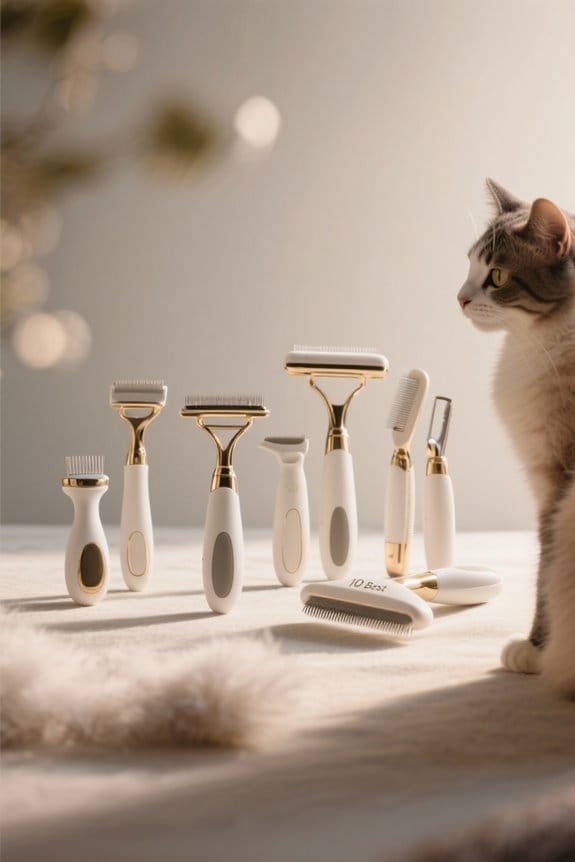
【10 Pieces pet Kits】 10 pieces of pet grooming accessories ,The set contains pet nail clipper and file, flea comb*2, pet shampoo bath brush, pet shedding brush, silicone toothbrush,Which is enough to meet your pet's cleaning needs.
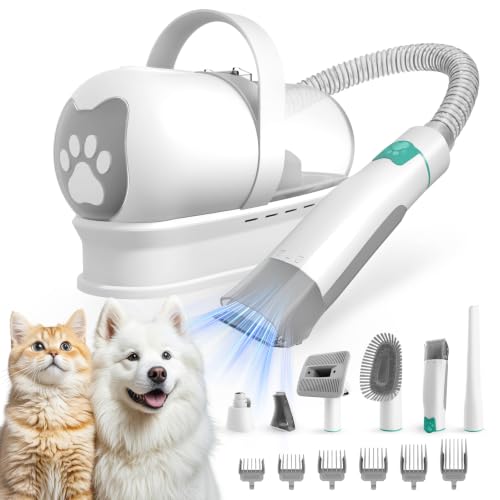
Effortless Grooming & Vacuuming: Our dog grooming vacuum features a vacuum function that can collect 99% of pet hair into a vacuum container while trimming and grooming, preventing hair from spreading all over the house and keeping your home clean

Below 50 dB: The oneisall silent motor reduces noise by 17%, ensuring that even the most sensitive pets won't be scared, allowing them to enjoy a comfortable grooming experience
Establishing a Grooming Routine
Establishing a consistent grooming routine is essential for maintaining our cat’s overall health and hygiene, as it directly contributes to their comfort and well-being. We should aim to check and clean our cat’s paw pads at least once a week, ensuring we remove any debris that could lead to infections. Incorporating the cleaning of sanitary areas into our sessions, ideally after baths or during relaxed playtime, enhances effectiveness. Using soft, damp cloths, we gently wipe between the paw pads and around sanitary regions for maximum cleanliness. As we gradually introduce grooming, we reward our cats with treats, fostering a positive association. Additionally, we must monitor for any signs of discomfort, adjusting our grooming routine to prioritize our cat’s comfort. For more thorough grooming needs, investing in a comprehensive grooming kit with specialized tools like nail clippers and flea combs can help address multiple hygiene concerns during our regular sessions.
Signs of Hygiene Problems in Paw Pads
Recognizing signs of hygiene problems in our cat’s paw pads is important for their health. We should look for excessive licking or biting at the paws, which may indicate irritation from dirt or foreign objects. Additionally, if we notice a noticeable odor, it could signify a buildup of bacteria or an infection, necessitating a thorough physical examination. Cuts, sores, or swelling require immediate attention, as they can lead to further complications if left untreated. Moreover, dry, cracked, or peeling paw pads can suggest a lack of moisture, especially in extreme weather conditions. Finally, if our cat shows reluctance to walk or limping, it may reflect discomfort, indicating that we should examine the paw pads for underlying hygiene issues. In cases where we observe skin irritation or persistent discomfort, consulting a veterinarian about appropriate treatments, including topical flea treatments, may be necessary to rule out parasitic infestations.
Maintaining Paw Pad Health
To maintain ideal paw pad health, we must prioritize regular inspections and cleaning as essential components of our cat’s grooming routine. By gently cleaning our cat’s paw pads daily, especially after walks, we can effectively remove debris and allergens that may lead to skin issues or infections. During inspections, we should check for small cuts, sores, or splinters to guarantee early intervention, which is critical for preventing potential complications. For long-haired cats, trimming the fur between toe pads is necessary to avoid matting. Additionally, applying a pet-safe moisturizer to dry or cracked pads effectively maintains skin elasticity, reducing discomfort, particularly in extreme temperatures. While we focus on paw care, it’s equally important to maintain our cat’s ear hygiene through routine ear cleaning to prevent infections and ensure overall feline well-being. To summarize, maintaining paw pad health involves consistent care and diligence.
Recommended Products

LICK-SAFE 8-IN-1 NATURAL BLEND: Our dog paw balm is crafted with food-grade ingredients, making it safe even if licked by your dog. It’s rich in Coconut Oil for deep hydration and a naturally soothing coconut scent your pup will love. We also blend in Shea Butter to calm, Olive Oil to soften, Aloe Vera to reduce inflammation, Sunflower Seed Oil for extra moisture, and Vitamin E for added protection

INSTANT RELIEF FROM DRYNESS - Formulated for rapid moisturization, our paw butter provides immediate relief for dry and rough paw pads. See visible improvement after the application, ensuring your cat's comfort.

PAW AND NOSE MOISTURIZER: Designed to help soothe dry, rough paw pads and noses using a rich cocoa butter formula, supporting everyday comfort for dogs exposed to hot pavement, cold surfaces, or dry environments
Positive Reinforcement During Grooming
How can we effectively use positive reinforcement to enhance grooming experiences for our cats? We should begin by associating grooming with treats and praise, easing discomfort during paw pad and sanitary area grooming. Gradually introducing the grooming tool allows our cats to investigate it at their own pace, thereby reducing anxiety. It’s essential to break grooming sessions into short intervals, rewarding our cats with a treat or affection after completing each section, which reinforces good behavior. Consistently rewarding them immediately after successful grooming is vital for establishing a connection between the action and positive reinforcement. Maintaining a calm atmosphere with soft-spoken words will encourage relaxation, making the overall experience less stressful for our cats, promoting a more pleasant grooming routine. These regular grooming sessions not only keep our cats comfortable but also promote healthier coats by eliminating loose hair and allowing us to identify any skin issues early through close examination.
Handling Sensitive Areas With Care
Addressing sensitive areas during grooming requires particular attention and care, as cats often exhibit heightened anxiety and discomfort in these regions. To help your cat stay calm, guarantee they’re relaxed before beginning. We can gently wipe the paw pads with a damp cloth, avoiding excessive pressure. Using a soft brush or our fingers, we inspect the area cautiously to prevent painful tugging. For the sanitary areas, we should gently comb through the hair with a wide-tooth comb to untangle any mats, being careful to avoid skin irritation. It’s essential to continuously observe our cat’s body language during this process; if they show any signs of stress or discomfort, we must pause and reassure them before continuing. After grooming, placing a dust-free cat litter in the box helps maintain cleanliness around these freshly groomed areas and reduces respiratory irritation for both cats and owners.
Importance of Regular Vet Check-ups
Regular veterinary check-ups are vital not only for maintaining our cat’s overall health but also for identifying potential issues in sensitive areas like their paw pads and sanitary regions. These appointments allow for early detection of medical causes such as infections, irritations, or anomalies, which can lead to more serious conditions if left unchecked. During these visits, veterinarians perform thorough examinations and discuss proper at-home hygiene practices that enhance our cat’s comfort and wellbeing. Staying current with vaccinations and preventative treatments, including those targeting parasites that affect these sensitive regions, is essential. In addition, regular assessments enable us to customize our grooming regimen based on our cat’s individual needs, ultimately contributing to a higher quality of life for our feline companions.
Additional Tips for Stress-Free Grooming
To guarantee a stress-free grooming experience for our cats, we should carefully consider the environment in which the grooming takes place. First, choose a quiet space and allow your cat to explore it at their own pace, reducing potential anxiety. When we handle our cats, using gentle techniques, such as massaging their paw pads and sanitary areas, can help them associate grooming with positive sensations. Gradually introduce grooming tools, allowing your cat to sniff them beforehand to alleviate apprehension. During grooming, we must utilize treats and praise as positive reinforcement, encouraging a calm demeanor. Scheduling sessions after playtime or when your cat is naturally sleepy can further minimize stress, as we provide our cat with a more relaxed grooming experience.
Recommended Products

Unparalleled Support: Our delicious, chicken-flavored chews help keep your cat cool, calm, and relaxed; Every bite promotes a sense of relaxation and mental alertness to help maintain normal stress levels during thunderstorms, vacuuming, moving, vet visits, and other stressful situations

RELAX INTO BENEFITS: Help your feline companion maintain a peaceful, balanced disposition during stressful moments. These dual texture cat calming treats offer targeted behavioral support by promoting deep relaxation and providing real cat anxiety relief. Perfect for scary car rides, loud holiday storms, vet visits, and grooming, our crunchy and creamy bites reduce environmental panic so your cat can enjoy a calm and happy life.

QUICK & EASY BONDING: Bonding moments with your kitty are now quick & easy with this single-served handheld lickable spoon
Frequently Asked Questions
How to Trim a Cat’s Sanitary Area?
To trim a cat’s sanitary area, we should guarantee comfort, use sharp, safe tools, and carefully trim excess fur without getting too close to the skin. This helps maintain proper paw hygiene and overall cleanliness.
How to Keep Cat Paws Sanitary?
When it comes to paw care, we’ve got to nip issues in the bud. Regularly check their paws, wipe them after play, and keep their litter box clean to guarantee our cats stay healthy and happy.
Are You Supposed to Trim the Fur on Cat Paws?
Yes, we should trim the fur on cat paws for better paw health. Keeping the fur neat prevents matting and hygiene issues, ensuring our feline friends stay comfortable and free from debris while walking.
How to Wash a Cat Without It Freaking Out?
When it comes to cat bathing, think of it like a gentle dance. We should schedule baths post-playtime, use lukewarm water, and offer treats, making it a stress-free experience for our furry friend.


