As an Amazon Associate, we earn from qualifying purchases. Some links on this site are affiliate links at no extra cost to you. Our recommendations are based on thorough research and editorial judgment.


How Routine Affects Cat Comfort With Grooming

Establishing a consistent grooming routine considerably enhances our cats’ comfort during grooming. Regular sessions, ideally 3-4 times weekly, familiarize them with the process, leading to reduced anxiety and aggression. During grooming, we can monitor for health issues like lumps or skin irritations, while the distribution of natural oils promotes a healthy coat. Incorporating short, gentle sessions minimizes discomfort and fosters a calm environment. Understanding these principles can greatly improve the grooming experience for both us and our cats.
Key Takeaways
- Establishing a regular grooming routine reduces anxiety, promoting a sense of security and comfort for cats.
- Familiarity with grooming sessions helps cats adapt, leading to less aggressive behaviors over time.
- Consistent grooming allows for early detection of health issues, contributing to overall well-being and comfort.
- Short, frequent grooming sessions minimize discomfort, ensuring a more positive experience for the cat.
- Gentle and patient grooming techniques create a calmer environment, enhancing the cat’s comfort and trust in the owner.
The Importance of Establishing a Grooming Routine
You may be interested


Establishing a grooming routine is essential for both the well-being of our cats and the maintenance of their health. Regular grooming sessions help reduce anxiety and aggression, making the process more enjoyable. Additionally, this routine allows us to monitor our cats for potential health issues, such as lumps or skin irritations. Consistently grooming our cats enhances their skin health by distributing natural oils and preventing matting. Moreover, familiarizing our pets with a grooming routine promotes a more relaxed mental state, creating a sense of security. Consequently, participating in this aspect of their care fosters trust, helping to develop a stronger bond between us and our cats. Experts recommend brushing 3-4 times per week to maintain coat health, reduce shedding, and ensure optimal fur management. Ultimately, a well-implemented grooming routine is significant for their overall comfort and health.
Physical Health Benefits of Consistent Grooming
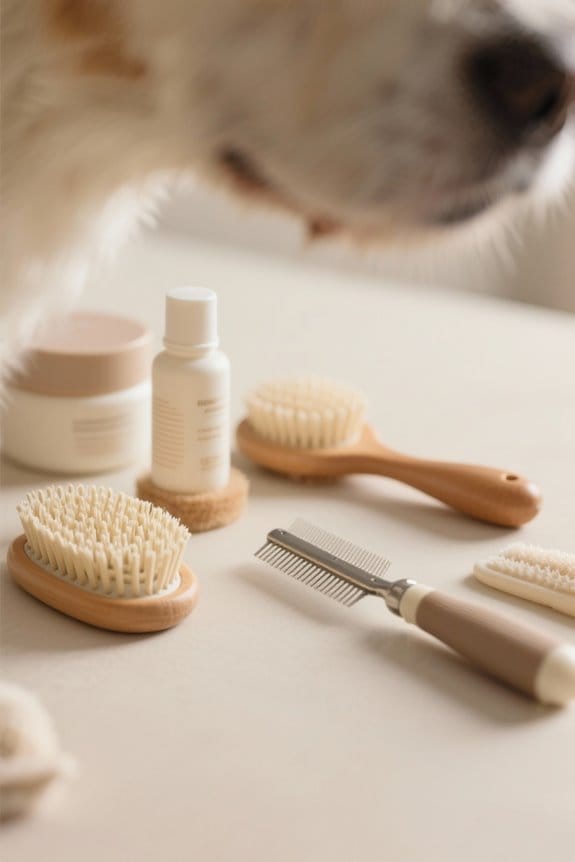
While many cat owners may underestimate the importance of consistent grooming, it plays a crucial role in maintaining our cats’ physical health and overall well-being. Regular grooming helps prevent matting and knots, which can lead to skin issues and irritation, impacting their comfort. By managing loose hair, we reduce hairballs, greatly improving their digestive health and lowering the risk of choking. Establishing a grooming schedule also allows us to identify lumps, bumps, or wounds early, facilitating prompt medical attention for any concerns. Additionally, grooming promotes better skin health by distributing natural oils, resulting in a shiny coat. Moreover, regular grooming increases blood circulation, enhancing our cats’ overall health, vitality, and ultimately contributing to a healthier life. Using low noise clippers during grooming sessions helps minimize stress for anxious cats, making the experience more comfortable and allowing them to better tolerate regular maintenance.
Psychological and Behavioral Advantages of Regular Grooming
Regular grooming offers significant psychological and behavioral advantages for our cats, which is essential for their overall well-being. By establishing a consistent grooming routine, we create a safe environment that provides calming effects, reducing stress and anxiety in our pets. This process strengthens the bond between cat and owner, enhancing trust and cooperation, which is critical for a positive grooming experience. As cats become familiar with the grooming routine, they develop greater comfort with the process, making them less likely to exhibit aggressive behaviors. Additionally, regular grooming contributes to a more relaxed mental state, leading to improved emotional well-being. Using tools with low noise levels during grooming sessions can further minimize anxiety, as quieter trimmers operating around 35 dB help maintain a calm environment for sensitive pets. Ultimately, combining routine grooming with enjoyable interactions fosters a deeper connection between us and our feline companions.
Differences Between Home and Professional Grooming
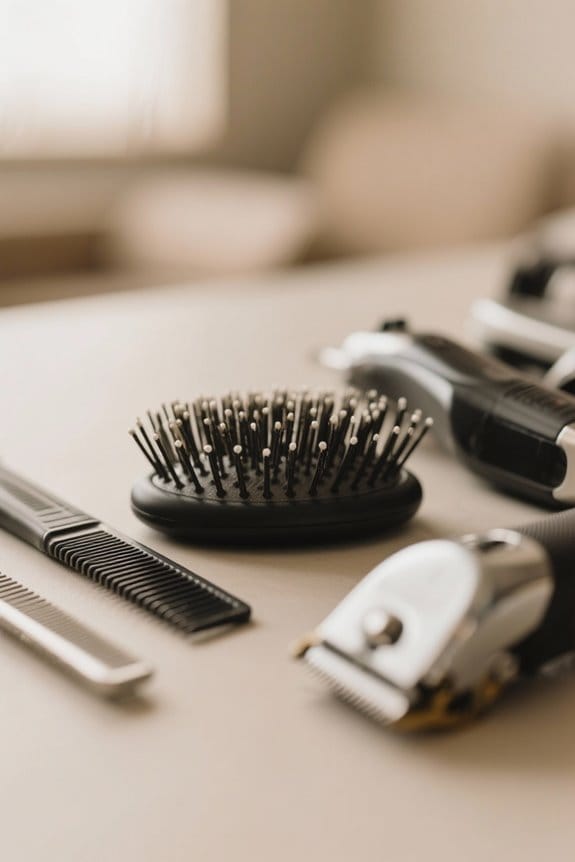
When considering grooming options for our cats, we encounter two primary paths: home grooming and professional grooming, each with distinct advantages and challenges. Home grooming allows us to create a familiar, comfortable environment, enhancing cat comfort and bonding. Regular grooming at home helps us notice signs of skin issues or changes in our cats’ health early. Using self-cleaning brushes at home can simplify maintenance and reduce the hassle of fur disposal between grooming sessions. On the other hand, professional grooming offers expertise in managing complex grooming tasks and anxious behaviors and provides a stress-minimized environment tailored to each cat’s needs. Professional groomers can use specialized tools to address severe matting or skin concerns, promoting skin health. Ultimately, balancing home and professional grooming can guarantee our cats remain well-groomed, healthy, and comfortable.
Recommended Products

Clean Pets, Clean House: Depets cat & dog brush for shedding can easily remove loose hair, shedding mats, dander and dirt of your pet, which not only keep your pet clean, but also provide you with a clean and hygienic home environment

【Easy Desheding Brush】: THe self cleaning dog brush for long haired dogs and short haired dogs with release bottom helps effortlessly reduce shedding. It's the one cat brush for indoor cats you must have, cat brush for shedding, slicker brush for dogs and horses.

Cat brushes for long haired cats and short haired cats
Dealing With Common Grooming Challenges
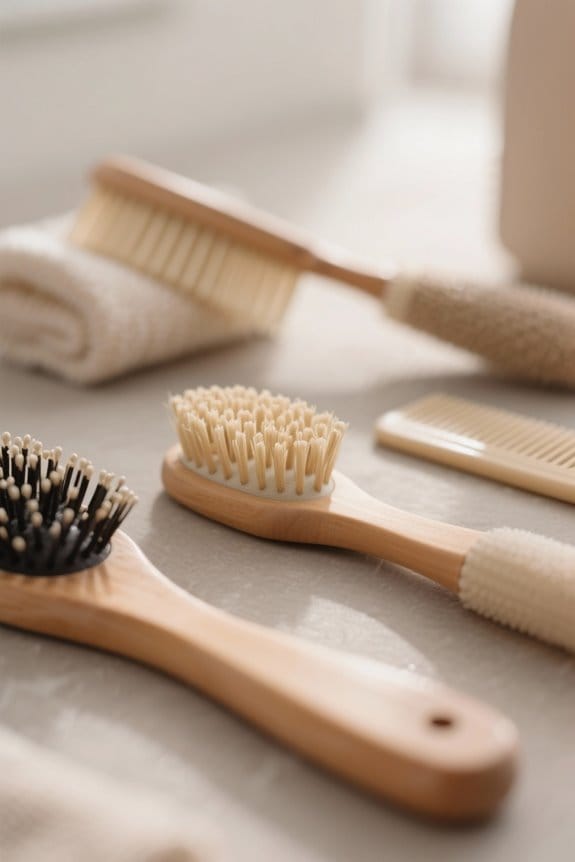
Grooming our cats can sometimes feel like steering through a turbulent sea, as many felines display anxiety or aggression during this process due to their instinctual reactions. To successfully tackle common pet grooming challenges, we need to exercise patience and implement gentle grooming techniques. Establishing a regular grooming schedule is essential; the more consistent we are, the more our cats will adapt over time. Focus on short sessions, ideally lasting 10 to 15 minutes, to minimize discomfort or anxiety. When grooming sensitive areas, like the belly and ears, we should use a gentle approach, applying soft strokes to avoid startling our cats. This methodology fosters a safer, calmer environment, ultimately making grooming a much more manageable task for both parties. Additionally, incorporating hairball management supplements into your cat’s routine can help address digestive issues that often accompany regular grooming sessions.
Recommended Products
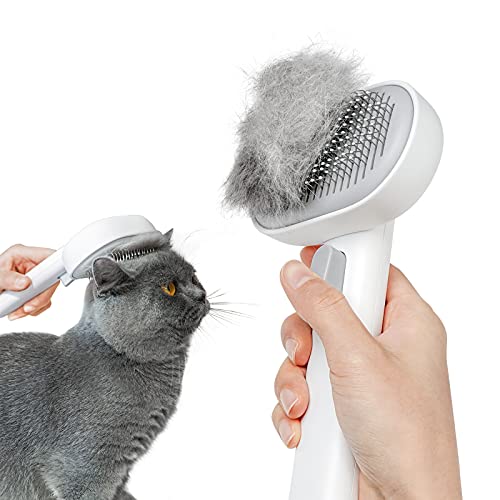
【Professional Cat Hair Brush】Perfect gift for pet owners, vets, and pet groomers. Using this cat brush for long haired cats on a regular basis can gently and effectively remove loose hair, tangles, knots, dander and trapped dirt. Suitable for short, medium or long, thick, thin or curly haired dogs/cats/rabbits, making your pets shiny and healthy.

Gentle Bristle Brush: The Menesia Pet Soft Brush features soft boar bristles that are perfect for cats and dogs with short hair, providing a gentle grooming experience.
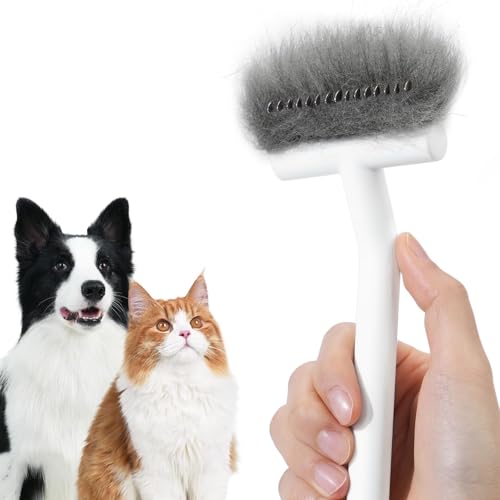
【PROFESSIONAL · Undercoat Rake】Designed as a professional deshedder and grooming brush, simply run it through your pet's fur—whether dog's or cat's, long or short—in the direction of growth with gentle pressure to easily remove loose hair. As a dematting tool, slowly work through tangle-prone areas such as ears, chest, and legs to painlessly break up mats. Just 1–2 sessions a week keeps any coat clean, soft, and tangle-free—no groomer visit required.
Gradual Acclimation: Easing Anxiety for Your Cat
To alleviate the anxiety many cats experience during grooming, gradual acclimation to grooming tools is an effective strategy we can employ. We should begin by introducing grooming tools slowly, allowing our cats to explore them without pressure. Starting with brief sessions, about five minutes of gentle brushing or handling each day, helps in building positive associations with the grooming process. Consistency is essential; regular grooming schedules can enhance our cats’ comfort and cooperation. Using treats and praise during and following each session reinforces desirable behavior, creating a rewarding experience that reduces overall anxiety. This same patient approach applies to dental care, where products like finger toothbrushes allow better control during brushing sessions while helping cats gradually adjust to oral hygiene routines. By committing to short, manageable sessions rather than lengthy grooming marathons, we facilitate our feline companions adapt more readily to the grooming process over time.
Recommended Products

✿【SMALL (FINGER) SIZE SILICONE BRISTLES - 4 COUNT】– Our finger toothbrushes (pet supplies) are made from non-toxic silicone and soft and dense bristles on the brush ensure effective cleaning but are soft enough so that your pet's teeth are cleaned with no harm. Optimize the effect of brushing off the grime and tartar.
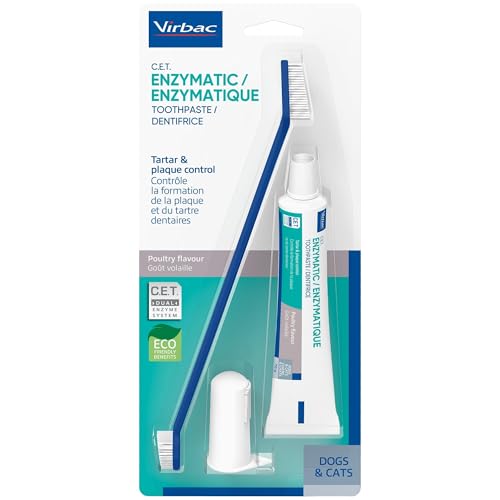
#1 BRAND CHOSEN BY VETERINARIANS: Proven effective and trusted for over 30 years, C.E.T. is the top recommended dental brand by veterinary professionals to reduce plaque & tartar buildup

360º DOG TEETH CLEANING THAT REMOVES 3× MORE PLAQUE – Patented all-around silicone bristles clean every surface at once for superior dog teeth cleaning. Outperforms standard dog tooth brush designs; owners see visibly whiter teeth and dramatically fresher breath in 7–10 days. Works well with dog toothpaste enzymatic.
Creating a Positive Grooming Environment
Creating a positive grooming environment is essential for ensuring that our cats remain calm and receptive during grooming sessions, as a well-structured space can greatly alleviate their stress. To achieve this, we should establish a calm space, free from loud noises and distractions. Utilizing soft-bristled brushes or grooming gloves makes the experience gentle and soothing, promoting comfort. Incorporating positive reinforcement, like treats, during and after grooming encourages our cats to associate grooming with pleasure. Keeping grooming sessions short, around 5-10 minutes, allows our cats to acclimate gradually, preventing them from feeling overwhelmed. During this process, it’s vital to monitor for signs of discomfort and adjust our techniques and routines, maintaining a consistent routine tailored to each cat’s needs. Using fine, coated bristles ensures gentleness on sensitive skin while still effectively removing loose fur and maintaining coat health.
Recommended Products
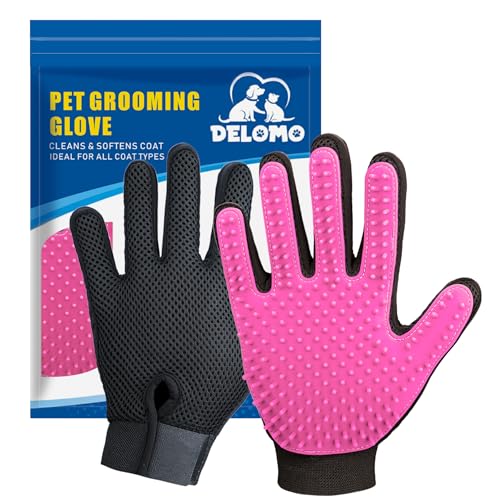
UPGRADE VERSION: With enhanced 255 silicone grooming tips, mimics the touch of your hand for a soft and relaxing massage; This flexible, slip-on grooming gloves allow you to brush away dirt and loose hair from cats and dogs

OTIS & CLAUDE DESHEDDING GLOVES HELP REDUCE LOOSE HAIR Otis & Claude Pet Grooming Gloves feature flexible silicone grooming tips that gently lift and collect loose hair, dirt, and dander while helping reduce shedding around your home.

UPGRADE VERSION: With enhanced 255 silicone grooming tips, mimics the touch of your hand for a soft and relaxing massage; This flexible, slip-on grooming gloves allow you to brush away dirt and loose hair from cats and dogs
Bonding Through Grooming: Strengthening Your Relationship
While many pet owners may view grooming as a routine task, it actually serves as a valuable opportunity for us to strengthen our relationship with our cats. Regular grooming fosters bonding, as these shared experiences allow our cats to feel cared for, secure, and ultimately increase their trust in us. As endorphins are released during grooming, it can become a pleasurable experience that promotes positive associations with both ourselves and the routine. By observing our cat’s specific grooming preferences, we can tailor techniques to enhance their comfort, which demonstrates attentiveness and reinforces our bond. Establishing a consistent grooming routine reduces anxiety, transforming grooming into a mutually beneficial opportunity, deepening the emotional connection we share with our feline companions. Using appropriate de-shedding tools for your cat’s specific coat type can make these bonding sessions more effective and comfortable for both you and your pet.
Tailoring Grooming Routines for Senior Cats
Addressing the grooming needs of senior cats requires an understanding of their unique physical limitations and behavioral tendencies, as they often experience decreased flexibility and mobility. We should implement routine grooming that includes customized grooming strategies to suit each cat’s specific needs. Shorter, more frequent sessions can enhance their comfort level while reducing stress, allowing them to acclimate to the process gradually. During grooming, we must focus on monitoring signs of discomfort, adjusting our techniques as necessary, ensuring that we respect their sensitivity. Specific grooming tasks, such as mat removal and claw trimming, become vital for maintaining hygiene and overall well-being in senior cats. For senior cats who find traditional bathing particularly stressful, cat bathing wipes offer a convenient solution for quick clean-ups that are formulated to be safe for sensitive skin and suitable for all life stages. Consequently, creating a tailored approach is essential for their comfort and health during grooming sessions.
Recommended Products

CAT GROOMING WIPES: Designed specifically for cats to help clean paws, coat, and face by removing surface dirt, dander, and odors between baths at home or during travel.

REDUCES DANDER AND FLAKING BETWEEN BATHS: Each wipe lifts loose dander and skin flakes from the coat surface during grooming, helping manage allergen levels and visible flaking without requiring a full water bath.

Cleaning & Deodorizing: 2023 PET BUSINESS WINNER IN USA. Size: 10 × 9 inches. Effectively and quickly remove tough odor, dirt, dander, and excess oil. Leaves your pet's coat soft and shiny. A quick and easy bath alternative, great for quick cleanups after walks and outdoor playtime
Recognizing Signs of Discomfort During Grooming Sessions
How can we accurately recognize signs of discomfort during grooming sessions for our cats? It’s essential to observe for excessive squirming, attempts to flee, or vocalizations like growling or hissing, which may indicate stress or threat perception. Additionally, body language changes such as flattened ears, wide eyes, or a tucked tail often suggest anxiety. Over-grooming or pulling away from specific areas, particularly the belly or paws, can signal pain or discomfort. If our cat suddenly exhibits aggressive behavior, such as swatting or biting, during grooming, it may indicate an overwhelming sensation. Establishing a regular grooming routine helps in acclimation, but any sudden behavioral changes should prompt immediate veterinary consultation for potential underlying health issues. Using equipment with ergonomic handles can help minimize hand fatigue during extended grooming sessions, allowing us to maintain better control and respond quickly to our cat’s comfort needs.
Frequently Asked Questions
What Is the 3-3-3 Rule for Cats?
The 3-3-3 rule for cats outlines that after adopting kittens, they typically need three days to acclimate, three weeks to feel secure, and three months for grooming and socialization techniques to reduce anxiety and improve feline health.
Do Cats Feel Better After Being Groomed?
Yes, our cats often feel better after grooming. Regular grooming techniques help reduce cat stress, promote relaxation, and enhance their comfort zones, ultimately revealing grooming benefits that positively influence their overall feline behavior and well-being.
How Long Does 1 Hour Feel to a Cat?
To our cats, an hour might feel excruciatingly long, heightening feline anxiety. Establishing a grooming routine with frequent, shorter sessions helps minimize sensory overload, building trust and ensuring they’re more comfortable within their comfort zones.
How to Make a Cat Relax for Grooming?
To help our cats relax for grooming, we should use gentle grooming techniques, soothing grooming tools, and positive reinforcement. Incorporating relaxation methods and stress reduction strategies will make the experience enjoyable for both us and our cats.


