As an Amazon Associate, we earn from qualifying purchases. Some links on this site are affiliate links at no extra cost to you. Our recommendations are based on thorough research and editorial judgment.


The Correct Way to Brush a Long-Haired Cat

To brush a long-haired cat correctly, we should start with a wide-toothed comb to remove knots. Next, use our fingers to gently detangle any mats before moving on to a slicker brush for the undercoat. It’s essential to brush in the direction of hair growth and finish with a fine-toothed comb for smoothness. We must establish a daily grooming routine, monitoring for skin issues or lumps, ensuring our cat’s coat remains healthy and free from mats. More detailed techniques await.
Key Takeaways
- Start grooming with a wide-toothed comb to detangle knots and remove loose fur effectively.
- Use your fingers to gently work through mats before using a comb or slicker brush.
- Always brush in the direction of the hair growth for comfort and optimal results.
- Finish grooming with a fine-toothed comb to ensure a smooth and shiny coat.
- Regularly check for any skin irritations or abnormalities while brushing to maintain overall health.
Understanding Long-Haired Cat Coats
You may be interested


Understanding long-haired cat coats is vital for proper grooming, as these coats possess unique characteristics that necessitate specialized care. Long-haired cats, such as Persians and Maine Coons, often need daily grooming to prevent mats and tangles created by their dense fur coats. By engaging in regular grooming sessions, we can distribute natural oils throughout their fur, promoting healthy skin and a shiny appearance. It’s important to identify potential matting areas, typically behind the ears and under the legs, to effectively prevent matting. The texture of long-haired cat coats can vary widely, therefore influencing the type of grooming tools required. By prioritizing coat health, we make certain our cats remain comfortable and free of skin infections related to improper grooming practices. Regular brushing is especially important for long-haired breeds because their grooming habits can lead to increased hairball formations, which may cause digestive discomfort if not properly managed.
Tools You Need for Grooming
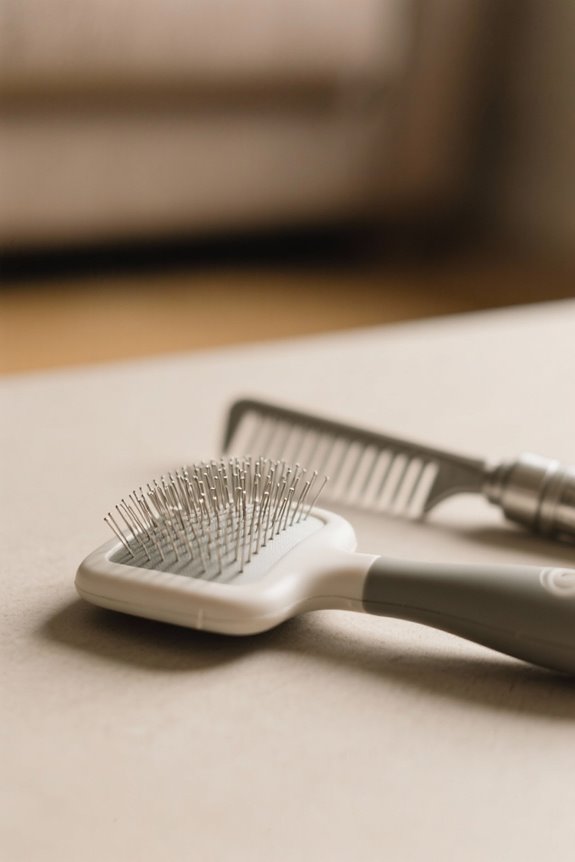
Selecting the right tools for grooming is essential for maintaining the health and appearance of long-haired cats. We should use a wide-toothed comb or a metal comb designed for detangling to effectively manage their fur and remove knots without discomfort. A slicker brush, featuring fine, bent wires, is important for reaching the undercoat, helping to eliminate loose fur and prevent matting in these breeds. Incorporating a de-shedding tool is advisable during seasonal changes and reduces excessive shedding. A grooming glove can smooth out the fur, providing a gentle touch. Regular nail clippers must also be included, as maintaining proper nail health is fundamental to prevent injuries and matting around the paws, contributing to overall grooming success. For cats with particularly stubborn tangles, a dematting rake designed specifically for long-haired breeds can gently work through knots while minimizing skin irritation.
Recommended Products
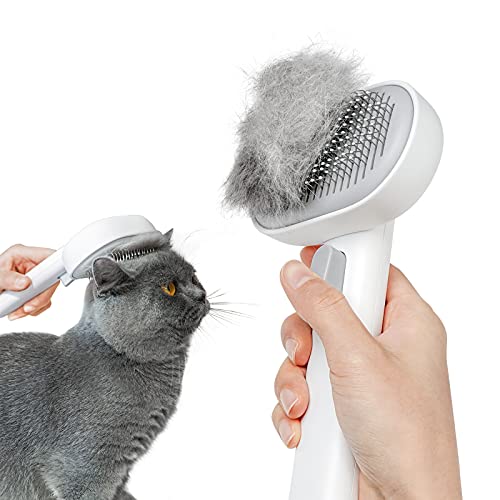
【Professional Cat Hair Brush】Perfect gift for pet owners, vets, and pet groomers. Using this cat brush for long haired cats on a regular basis can gently and effectively remove loose hair, tangles, knots, dander and trapped dirt. Suitable for short, medium or long, thick, thin or curly haired dogs/cats/rabbits, making your pets shiny and healthy.

Trimmed Clean and Fast: Cat hair clippers is the combination of powerful motor plus sharp stainless steel head and safe ceramic head, pet shaver brings a smooth and unhindered grooming experience. Oneisall pet shaver is safe and efficient, with limit comb cuts cleanly without harming your pet. Thanks to its accompanying storage bag, making organization and portability a breeze.

DUAL-SIDED DESIGN: Our Undercoat Rake Dog brush is perfect for deshedding your pet's coat. Designed with a dual-sided design, start with a 9-teeth side to tackle stubborn mats and tangles, and finish with a 17-teeth side to thin out and deshed after.
Setting a Grooming Routine

To guarantee our long-haired cats receive proper care, establishing a consistent grooming routine is essential, particularly since matting often begins around nine months of age. We should commit to brushing daily, as this practice helps prevent tangles and mats, ensuring a healthier coat. It’s important to choose a regular time for our grooming sessions when our cats are calm and relaxed, avoiding times right after meals to reduce stress. During these sessions, we can also perform a quick health check, monitoring for fleas or lumps. To enhance our bond with our cats, we should use gentle strokes and soothing tones, while reinforcing positive associations by offering rewards, like treats, at the end of each successful grooming session. Selecting the right tool, such as a slicker brush, can significantly reduce shedding and help distribute natural oils throughout the coat for optimal health.
Recommended Products

【Easy Desheding】: Swihauk self cleaning dog brush for long haired dogs with release bottom helps effortlessly reduce shedding. A must have dog brush for short haired dogs, cat brush for indoor cats, cat brush for shedding, slicker brush for dogs.

Cat Fur Brush: Self-cleaning design effortlessly removes hair from pins with the push of a button

Cat brushes for long haired cats and short haired cats
Step-by-Step Grooming Process
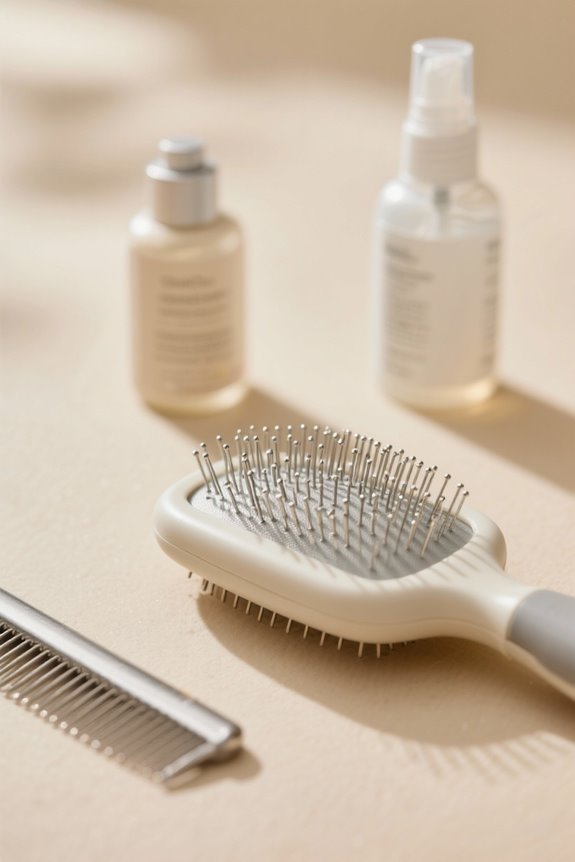
Since regular grooming is essential for maintaining the health of our long-haired cats, we should start the grooming process with a wide-toothed comb to effectively remove tangles and loose fur. We’ll focus on one section of the fur at a time, minimizing discomfort. Next, we can use our fingers to detangle mats before employing a stainless steel comb or a slicker brush, reducing pulling on the skin. Be sure to brush in the direction of hair growth, and finish with a fine-toothed comb for a smooth finish. During each session, we should regularly check for skin irritations, parasites, or unusual lumps. For optimal results, maintain a regular brushing frequency of 3-4 times per week to manage shedding and keep the coat shiny. Finally, to create a positive association with grooming your long-haired cat, we need to reward your cat with treats and praise.
Recommended Products

𝙉𝙊 𝙈𝙊𝙍𝙀 𝙎𝘾𝙍𝘼𝙏𝘾𝙃𝙀𝙎 - 𝙎𝙆𝙄𝙉 𝙎𝘼𝙁𝙀 𝙁𝙊𝙍 𝙎𝙀𝙉𝙎𝙄𝙏𝙄𝙑𝙀 𝘾𝘼𝙏𝙎:Engineered with rounded outer teeth that gently massage the skin without irritation. The sharp inner edges safely slice through the toughest mats without pulling or tugging, turning a stressful grooming chore into a soothing bonding massage.

【CAT GROOMING BRUSH】Cat brush with release button can gently and effectively remove loose hair, tangles, knots, dander and trapped dirt. Suitable for short, medium or long, thick, thin or curly haired dogs/cats/rabbits, making your pets shiny and healthy.
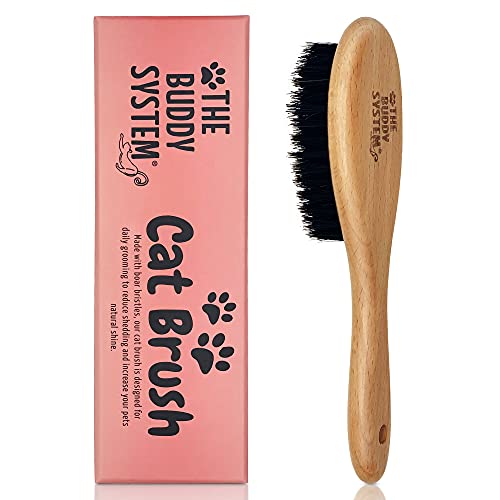
Healthy Shine: The Buddy System Cat Brush is perfect for those who want to give their cat a healthy, shiny coat and make them feel great while also looking their best! The brush features natural boar bristles that massage your furry friend in addition to stimulating natural oil production.
Managing Mats and Tangles
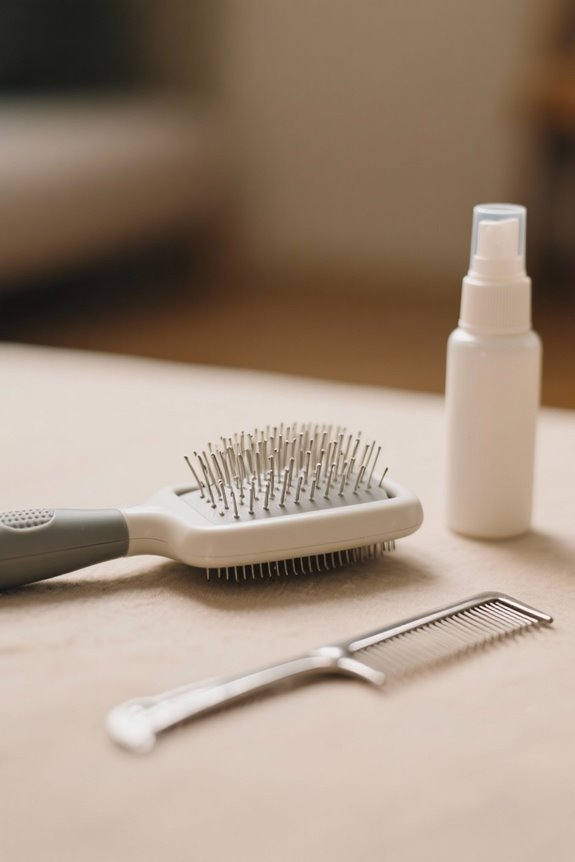
Managing mats and tangles in long-haired cats requires a systematic approach, particularly because their fur can quickly become matted, especially as they reach around 9 months of age. To effectively groom, we must first use our fingers to gently detangle small mats, minimizing the risk of discomfort. When faced with a mat, it’s essential to work from the outer edges, using stainless steel combs or rakes to loosen the fur gradually. For larger mats, we can consider thinning shears, taking care not to cut the cat’s skin. If at-home removal proves ineffective, we should seek professional grooming assistance, ensuring the cat’s comfort and safety during the process. For severely matted areas or dense coats, specialized trimmers designed for matted fur and dense coats can provide an effective solution when manual detangling becomes too difficult. Routine grooming will help maintain their skin health and prevent further tangles and mats.
Recommended Products

EFFORTLESS MAT & KNOT REMOVAL: Say goodbye to stubborn tangles! Our precision steel blade effortlessly cuts through mats and knots, making grooming quick and painless for your furry friend

#1 DIY Pet Groom Tool: Our pet grooming supplies come highly recommended by show dog trainers, long hair cat groomers & everyday pet owners. It's the perfect all-in-one dematting comb to have around!

Dual-Sided Design: Start with the 9-teeth side for eff ortless removal of stubborn mats, tangles, and knots, then switch to the 17-teeth side for eff ective deshedding and thinning. Ideal grooming rake for medium to long-haired, double-coated pets.
Rewarding Your Cat During Grooming
Establishing a rewarding environment during grooming sessions can greatly enhance your cat’s comfort and cooperation. When grooming your cats, we should use treats sparingly to create a positive association; this helps our feline friends relax and enjoy the process. We can offer verbal praise and gentle petting as rewards, reinforcing calm behavior while ensuring they stay cooperative. After grooming, incorporating playtime with their favorite toys can make the experience enjoyable, encouraging our cats to look forward to future sessions. As we gradually introduce new grooming tools, it’s essential to reward our cats for tolerating each one, thereby easing any apprehension they may feel. Just as regular maintenance is critical for litter box performance, consistent grooming routines with positive reinforcement help establish long-term success and comfort for your cat. Finally, monitoring for signs of discomfort allows us to adjust our techniques and reinforce calm responses effectively.
Signs of Skin and Coat Health Issues
Maintaining the health of our long-haired cats’ skin and coat is vital for their overall well-being. We should be vigilant for signs like excessive scratching, which may indicate skin irritations or allergies that require veterinary attention. Symptoms such as redness, scabs, or hair loss suggest underlying issues. A healthy coat appears glossy and elastic; therefore, dull fur or patchy areas may signal nutritional deficiencies or more serious health concerns. Regular grooming is important, as frequent matting of the fur can trap dirt and bacteria, leading to skin infections. During grooming, we must check for unusual lumps, bumps, or changes in skin coloration, which can provide early warnings of potential skin issues that might affect our cats’ overall health. When traveling with our cats, maintaining their grooming routine becomes even more critical, and having waterproof features in portable litter boxes can help manage spills and maintain cleanliness, contributing to better hygiene and reducing the risk of skin irritations during transit.
Recommended Products
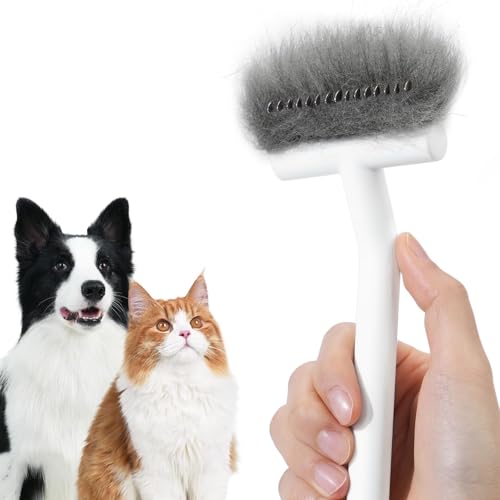
【PROFESSIONAL · Undercoat Rake】Designed as a professional deshedder and grooming brush, simply run it through your pet's fur—whether dog's or cat's, long or short—in the direction of growth with gentle pressure to easily remove loose hair. As a dematting tool, slowly work through tangle-prone areas such as ears, chest, and legs to painlessly break up mats. Just 1–2 sessions a week keeps any coat clean, soft, and tangle-free—no groomer visit required.

【Easy Desheding Brush】: THe self cleaning dog brush for long haired dogs and short haired dogs with release bottom helps effortlessly reduce shedding. It's the one cat brush for indoor cats you must have, cat brush for shedding, slicker brush for dogs and horses.

💖UPGRADED Easy Desheding Brush: our cat massage pet brush Upgraded durable 304 stainless steel for better deshedding brush experience for cats dogs rabbits and furry small animals.Whether you're a pet owner or groomer,You deserve to have this undercoat shedding dog cats grooming BRUSH. Your lovely pets enjoy ur brushing! Cat brush for shedding indoor cats, slicker brush for dogs cats and horses rabbits .
Frequently Asked Questions
How to Properly Brush a Long-Haired Cat?
To properly brush a long-haired cat, we’ll use wide-toothed combs and slickers, focusing on comfort and gentle mat removal. Regular sessions, positive reinforcement, and good tool maintenance guarantee fur care and happy cat behavior during seasonal shedding.
How Often Should You Brush a Long-Haired Cat?
We should brush our long-haired cats daily for ideal mat prevention and to manage seasonal shedding. This brushing schedule enhances bonding time, promotes health benefits, and helps minimize allergies by reducing loose fur and improving cat behavior.
How to Clean a Long Hair Cat?
Imagine a cozy salon for our feline friend! To keep their skin healthy, we’ll use grooming tools for detangling, adopt bathing techniques during shedding seasons, and establish routines that promote hairball prevention and enhance cat behavior.
How to Brush a Long-Haired Cat That Hates Being Brushed?
To brush a long-haired cat that hates it, we can use calming strategies like distraction techniques, select gentle tools, and apply positive reinforcement. Establishing a routine and monitoring cat behavior helps reduce stress through desensitization methods.