As an Amazon Associate, we earn from qualifying purchases. Some links on this site are affiliate links at no extra cost to you. Our recommendations are based on thorough research and editorial judgment.

How to Litter Train a Kitten: Age-by-Age Guide

To effectively litter train our kitten, we should start around four weeks of age, coinciding with weaning. We need to provide a low-sided, open litter box, ideally 14 to 16 inches long, filled with non-clumping, unscented litter suitable for kittens. After meals and naps, we should place our kitten in the box. A consistent scooping routine, at least once daily, will help maintain cleanliness. As our kitten grows, we will adapt the training process based on their needs.
Key Takeaways
- Start litter training kittens at four weeks old as they begin the weaning process, using positive reinforcement.
- Use a non-clumping, kitten-friendly litter to ensure safety and prevent ingestion risks.
- Maintain a clean litter box by scooping daily and changing the litter every one to two weeks.
- Encourage box usage by placing kittens in the litter box after meals or naps to establish routine.
- Monitor behavior and consult a veterinarian if litter box refusal continues, ruling out any medical issues.
When to Start Litter Training Kittens
You may be interested


Litter training kittens should ideally begin around four weeks of age, as this coincides with their weaning process. Starting litter training at this age is essential, as it helps establish proper elimination behaviors while fostering their independence. During this critical period, we should introduce the litter box and encourage its use to instill good habits early on. Kittens can typically become fully litter trained by the time they reach 8 to 12 weeks old, provided we offer consistent guidance and positive reinforcement. To effectively facilitate this training, we must observe their natural tendencies, gently placing them in the litter box after meals or naps. As kittens transition to solid food during this training period, incorporating high moisture content canned food into their diet can support proper hydration and overall health. With patience and attentive support, our kittens will learn to use the litter box reliably.
Supplies for Litter Box Training
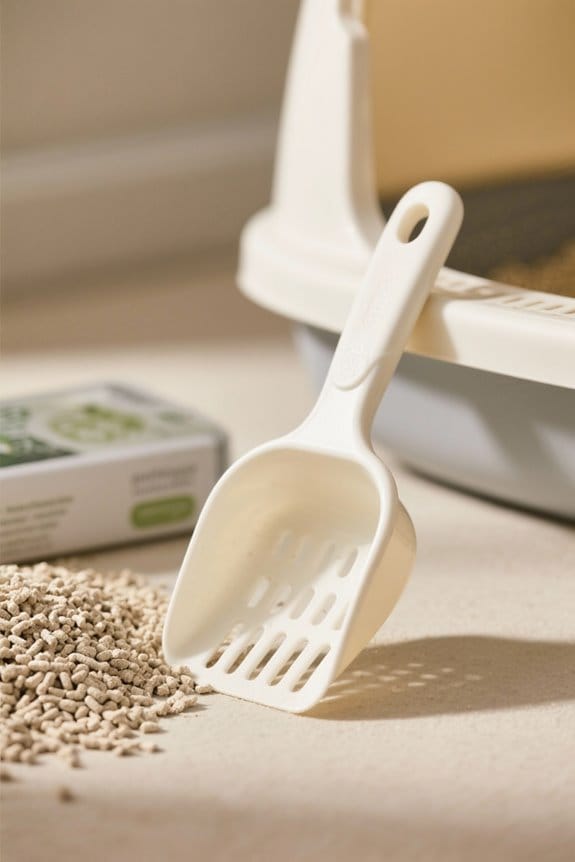
To successfully train our kittens to use a litter box, we must gather several necessary supplies that guarantee a safe and effective experience. First, we should choose a non-clumping, kitten-friendly litter for those under 8–10 weeks, reducing ingestion risks. Next, select a low-sided litter box, which is approximately 1.5 times our kitten’s length for easy access and comfort. It’s imperative to have one box per cat to prevent territorial issues. We must also include a scooper for maintaining clean litter, allowing for regular removal of waste. Utilizing a litter mat will help catch any stray litter, keeping the area tidy. Finally, consider a Litter Genie to effectively manage waste and control odors. For new cat parents, comprehensive starter kits are available that include essential items like litter boxes, feeding bowls, scoops, and engaging toys to simplify the setup process.
Recommended Products
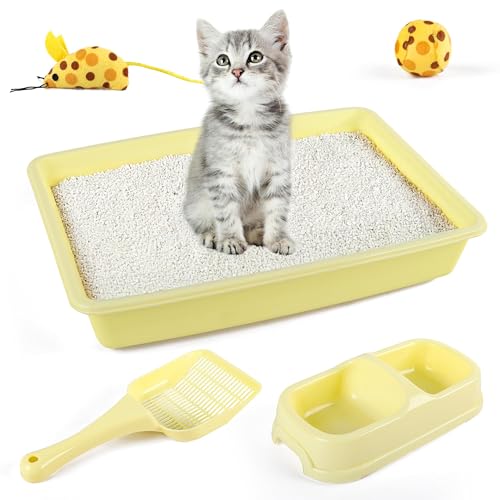
Kitten Starter Kit: The package includes 1 kitten litter box, 1 scoop, 1 cat bowl, and 2 cat toys. It is good for new cat owners to welcome their new cats home

Kitten Starter Kit: The package includes 1 kitten litter box, 1 scoop, 1 cat bowl, and 2 cat toys. It is good for new cat owners to welcome their new cats home

Kitten Starter Kit: The package includes 1 kitten litter box, 1 scoop, 1 cat bowl, and 2 cat toys. It is good for new cat owners to welcome their new cats home
Choosing the Right Litter Box
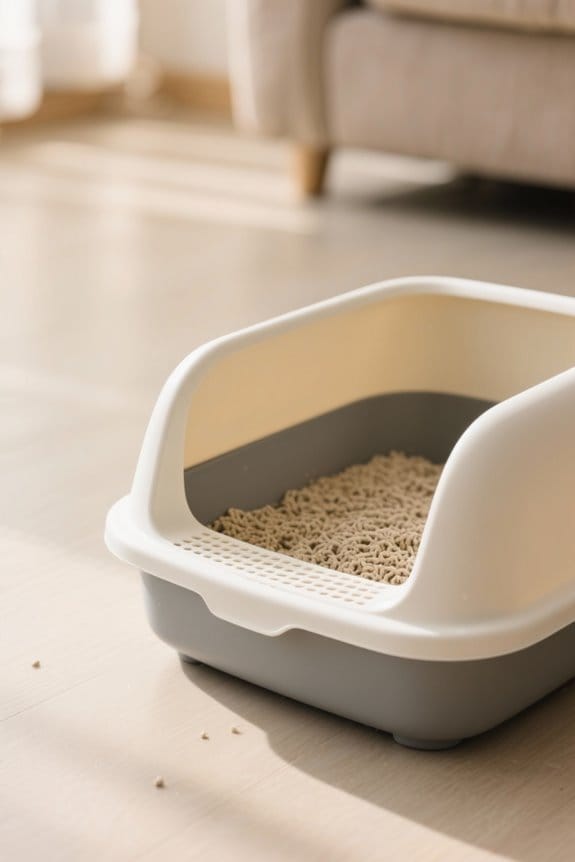
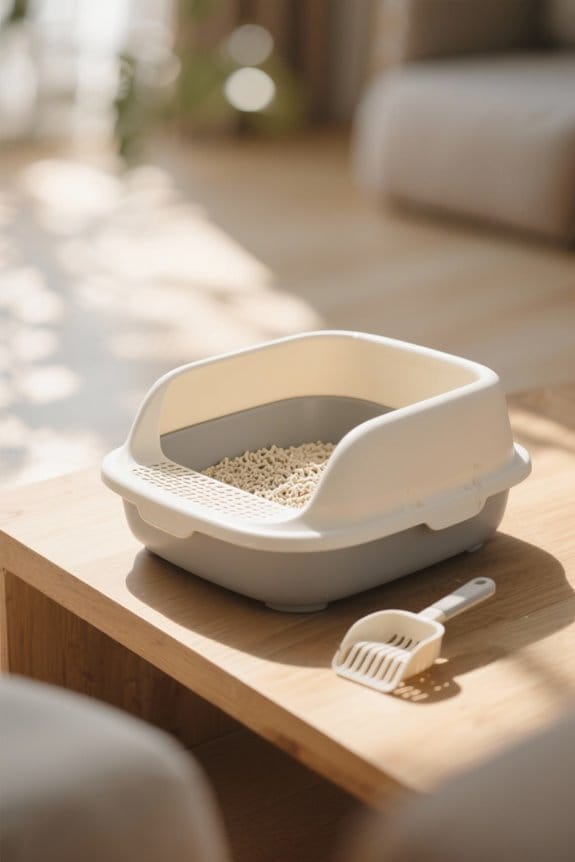
When selecting a litter box, we must consider several important factors to guarantee our kittens have a safe and comfortable environment for their elimination needs. For kittens, an open-top, shallow litter box, preferably no higher than 3 inches at entry, promotes easy access and comfort. A suitable size is approximately 14–16 inches long, providing enough space for movement. Open designs are favorable since they encourage airflow and let kittens feel secure while using the litter box. As our kittens grow, shifting to a semi-covered box with a 3–4 inch entry height and a length of 18–22 inches will enhance privacy. Additionally, placing the litter box in a calm location helps alleviate any fear or anxiety associated with using it. As a general guideline, the litter box should be 1.5 times the length of your cat to provide adequate space for comfortable movement and proper waste management.
Recommended Products

OPEN-TOP KITTY LITTER BOX: This small cat litter pan provides ample space on all sides for cats to do their business comfortably, and is great for small cats or kittens to access

Foldable Litter Pan:The collapsible litter box features a foldable design that allows you to choose between two modes. Expanded size: 17.7x13.4x5 inches, folded size: 17.7x13.4x1.9 inches. Perfect for training kittens to use the litter box in folded mode.

Stainless Steel Material: Metal kitten litter box is made of sturdy stainless steel, it will be stronger and safer, not easy to rust; A smooth surface makes it easier to scrub, no more sticky litter or hard to clean corners
Selecting the Right Type of Litter

Selecting the right type of litter is critical for ensuring our kittens’ health and comfort while they acclimate to their new environment. For young kittens under 8–10 weeks, we should use non-clumping litter to prevent health risks associated with ingestion. It’s imperative to select kitten-safe litter that is free from fragrances and harsh chemicals, given that kittens often explore their surroundings with their mouths. Natural, pellet-based litters are highly recommended, as they minimize both inhalation and ingestion risks. Additionally, we must avoid clumping litter until kittens reach at least 2–3 months, as it can pose a choking hazard if ingested. Fine-grain litter is preferred by most cats, providing a softer texture that is more comfortable for our kittens. During the training process, maintaining hygiene is essential, so choose litters that are easy to clean and replace regularly to prevent odors and ensure your kitten’s comfort and health.
Recommended Products

NO HARSH CHEMICALS, NO ADDED FRAGRANCE—this non-clumping cat litter is an effective odor eliminator that’s made simple with plant-based ingredients like natural pine shavings, plus the absorbent power of ARM & HAMMER Baking Soda.

Fresh News Recycled Paper Original Pellet Cat Litter, 12 Pound, Non-Clumping, Unscented, Made in USA
Cat Litter: No more lingering pet smell; Fresh News Recycled Paper Litter is non clumping, has almost three times more absorbent strength than clay, and our soft & dust free pellets retain their form when wet

Ideal Placement for Litter Boxes

Establishing the ideal placement for litter boxes is essential, as it directly impacts a kitten’s willingness to use them, which is important for successful litter training. We should position the litter box in a clean, quiet corner of the home, creating a calm environment for the kitten. Accessibility is critical; make sure it’s easily reachable, especially for young kittens that may have limited mobility. To simplify cleanup, use a puppy pad underneath the box. In the initial training phase, confine young kittens to one room to improve accessibility to the litter box. For multi-cat households, strategically distribute boxes in different locations throughout the home to make certain all cats feel secure and comfortable using them without territorial disputes. Consider boxes with high-sided designs to contain litter scatter as your kitten grows and becomes more active in the box.
Introducing Your Kitten to the Litter Box
Introducing your kitten to the litter box should begin around 4 weeks of age, which aligns with their weaning process. We recommend using a low-sided, open-top litter box, allowing easy access for your kitten. This design minimizes barriers, ensuring kittens can enter and exit without difficulty. It is important to choose non-clumping, kitten-safe litter to prevent ingestion risks, particularly for those under 8-10 weeks old. We suggest placing the litter box in a clean, quiet corner of your home, ensuring it remains accessible at all times. After your kitten successfully uses the box, we advocate for positive reinforcement, such as treats or praise, to establish habitual use and encourage further successful interactions with the litter box. To maintain a fresh-smelling environment, consider using multi-layer odor control refill bags that are compatible with various litter disposal systems.
Reinforcing Good Litter Box Habits
To effectively reinforce good litter box habits, it’s essential that we consistently provide positive reinforcement immediately after our kittens use the box, thereby creating strong and favorable associations with their behavior. We should reward kittens with treats and praise, guaranteeing they connect positive outcomes with using the litter box. Consistent positive reinforcement is vital, as it strengthens the association between the litter box and successful elimination. We must avoid any form of punishment for accidents, as negative reactions can lead to stress and discourage litter box use. By maintaining a routine of checking the litter box regularly, we can assure a clean environment, which fosters proper toilet habits and reduces the likelihood of future accidents, increasing overall success in training. Additionally, placing a cat litter mat around the box helps contain scattered litter and keeps the area tidy, making it more inviting for kittens to return and use consistently.
Keeping the Litter Boxes Clean
While we may find the responsibility of keeping the litter box clean tedious, maintaining a hygienic environment is vital for our kittens’ overall health and their willingness to use the box. We should regularly scoop the litter at least once a day to minimize waste and odors. Changing the entire litter every one to two weeks will help prevent odor buildup and guarantee a fresh environment. When replacing the litter, it’s important to wash the box with hot, soapy water, as strong-smelling cleaners may deter kittens. Instead, we should opt for mild, unscented cleaners. Additionally, using a litter mat outside the box will help catch scattered litter, making cleanup easier and keeping our surrounding area tidy. For multi-cat households, consider selecting litters with advanced clumping technology that forms rock-hard clumps for easier scooping and more effective waste removal.
Troubleshooting: What to Do if Your Kitten Won’t Use the Litter Box
What steps can we take when our kitten refuses to use the litter box? First, we should assess the cat’s litter box setup, ensuring it’s easily accessible and located in a quiet area. Next, let’s experiment with different types of litter, opting for unscented, natural options that kittens find comfortable. To maintain cleanliness, we need to increase the frequency of scooping waste and replacing the litter, as a dirty box might deter usage. Additionally, we might consider using pheromone diffusers to alleviate any stress or anxiety our kitten experiences. If our kitten won’t use the litter box despite these efforts, it’s essential to consult a veterinarian to rule out any underlying medical issues, such as urinary problems, that could be contributing to this behavior.
Recommended Products

[Cat Pheromone Diffuser]The tcllka cat pheromone diffuser set includes 2 charging plugs and 4 bottles of replacement liquid (48ml each). The cat calming diffuser can keep the cat calm and not attack suddenly. Pheromone diffuser to calm cats is a sedative product for cats, cat diffuser calming can play a role in soothing and relaxing cat nerves, providing comfortable sleep for cats and pets. Cat diffuser calming comes in two packs together in a beautiful box, very easy to use use and storage
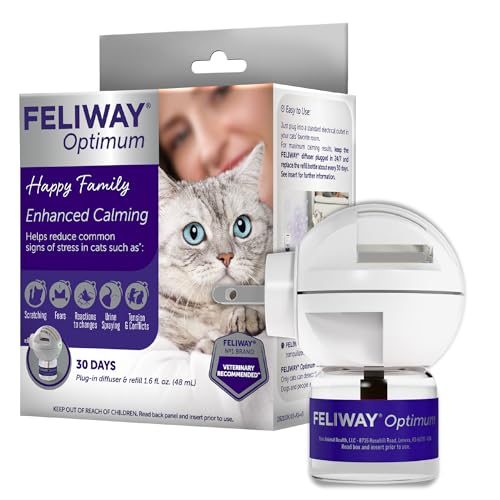
HELPS REDUCE SIGNS OF STRESS USING A PATENTED PHEROMONE: FELIWAY Optimum is an advanced cat pheromone diffuser that helps reduce signs of stress in cats and helps ease tension between cats.*

Valua Pack – This cat pheromone diffuser set making it easier to provide a calming environment in multiple rooms or for multiple cats.
Age-by-Age Litter Box Upgrades
As our kittens grow, it’s essential to adapt their litter box to meet their developing needs, ensuring they feel comfortable and secure. For kittens aged 0–3 months, we should use a compact, open litter box with an entry height of no more than 3 inches, facilitating easy access as they learn to navigate. Once they reach 3–6 months, shifting to a semi-covered box with a height of 3–4 inches and length between 18–22 inches allows for greater privacy and comfort. By 6–12 months, semi-covered or top-entry boxes sized between 22–28 inches become appropriate, accommodating the growing body. For adult cats, provide one litter box per cat, plus one extra, and always monitor your cat’s behavior for signs indicating necessary litter box upgrades. Consider collapsible designs that adapt for kittens and senior cats, promoting long-term usability as your pet ages.
Recommended Products

Thoughtful 3.15in Low Entry Design – Each litter box features a 3.15" low front entry, making it easy for kittens, senior cats, or injured pets to step in and out with confidence. High sides still provide excellent splash protection, combining care and practicality

Cat Litter Scooper with Holder; The litter scoop with holder to keep the litter scoop in when not in use, you don't need to lean the litter scooper against the wall or just sit on top of the litter box. The cat litter scooper with caddy you even you don't mind people seeing it. Works with any scoopable litter, including clumping clay litter, crystal litter, and all-natural wheat or corn litter

【Ideal for All Pets】: Our low entry stainless steel litter box is perfect for senior arthritic cats, sick pets, and kittens, providing easy access compared to traditional 6-inch high options, making it the best low entry litter box for your furry friends.
Frequently Asked Questions
What Is the 3 3 3 Rule for Kittens?
The 3 3 3 rule helps us understand our kittens’ adjustment. By monitoring behavior, using positive reinforcement, ensuring proper litter box placement and types, and establishing cleaning routines, we can avoid common mistakes and support their instincts.
What Age Should a Kitten Be Fully Litter Trained?
By 8 to 12 weeks, most kittens are fully litter trained. Just like mastering a dance, they learn through observation and practice, needing consistent training techniques and environmental factors to shape their common behaviors and preferences.
What Is the Fastest Way to Litter Train a Kitten?
To quickly litter train a kitten, we should choose the right location for the litter box, apply positive reinforcement for good behavior, avoid common mistakes, and maintain consistent cleaning methods to promote good habits.
What Is the Golden Rule for Litter Boxes?
The golden rule for litter boxes is one box per cat plus one extra, ensuring ideal litter box size, proper litter type, quiet box location, a solid cleaning routine, and positive reinforcement to avoid potential problems.