As an Amazon Associate, we earn from qualifying purchases. Some links on this site are affiliate links at no extra cost to you. Our recommendations are based on thorough research and editorial judgment.


How to Transition Your Cat to a New Type of Litter

To shift your cat to a new litter, we should begin by mixing one-third of the new litter with the old, gradually increasing the new proportion over six days. Monitor your cat’s behavior for signs of discomfort or avoidance. Maintain a clean litter box, scooping daily, and use unscented cleaners. If your cat rejects the new litter, revert to the old type to minimize stress, and observe health changes. Continuing this process can yield further effective strategies for a seamless shift.
Key Takeaways
- Start by mixing one-third of the new litter with the old litter to help your cat adjust gradually.
- Gradually increase the ratio of new litter over six days, allowing your cat time to acclimate.
- Place a new litter box next to the old one to encourage exploration and reduce stress.
- Use positive reinforcement, such as treats, when your cat uses the new litter box successfully.
- Monitor your cat’s behavior closely for signs of discomfort or avoidance during the transition process.
Reasons to Switch Cat Litter
You may be interested

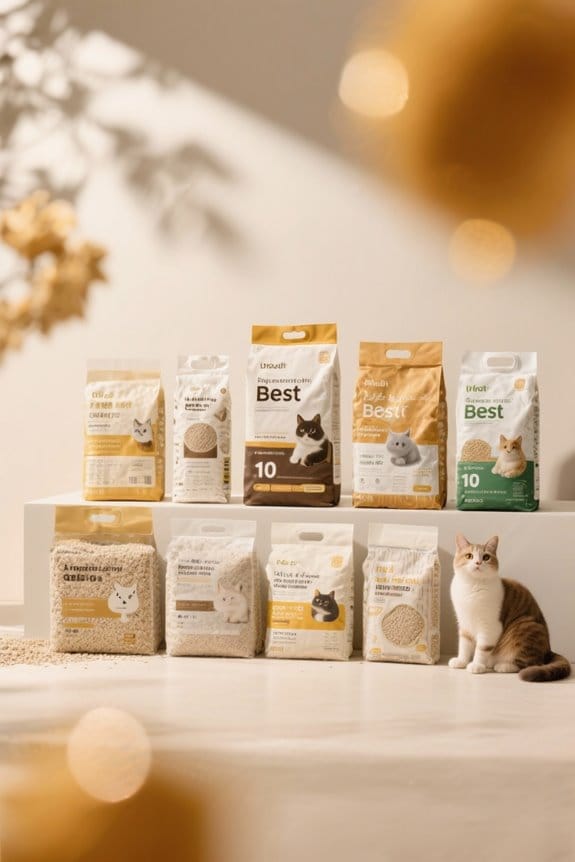

There are several compelling reasons we might consider switching our cat’s litter. First, our cat may refuse to use the litter box due to the texture or scent of the old litter, resulting in unfortunate accidents outside the box. In addition, we should be aware of potential health concerns; traditional litters can cause respiratory issues or digestive harm if ingested. Also, high litter tracking and unpleasant odors can complicate maintaining a clean litter box. Changing to a better-suited litter can mitigate these issues. Finally, recommendations from our veterinarian may necessitate a switch cat to make sure we’re meeting our feline friend’s health and behavioral needs. Beyond litter changes, providing elevated cat beds can enhance our cat’s comfort and overall wellness by keeping them off cold or damp surfaces. Thus, evaluating our current litter’s effectiveness is essential for our cat’s overall well-being.
Understanding Your Cat’s Preferences

Understanding our cat’s preferences is essential when choosing the right litter, especially since various factors can influence their comfort and willingness to use the litter box. Most cats prefer litter with a soft, sandy texture that resembles outdoor soil. To facilitate a smooth change to new litter, we should consider the clumping ability, as many cats respond favorably to litters that effectively control odors. Additionally, texture matters—experimenting with options that are neither too coarse nor too fine is vital. Cats’ olfactory sensitivity also plays a significant role; avoiding litters with overpowering fragrances or excessive dust can prevent respiratory issues. To identify our cat’s preferences, providing a variety of litter options may yield insights into their specific likes and dislikes. Organic options made from materials like corn, walnut shells, or wheat can offer superior odor control while being gentler on sensitive paws and respiratory systems.
Signs Your Cat Dislikes Current Litter

How can we recognize when our cat is struggling with their current litter? Observing changes in behavior can provide clear signs your cat dislikes the current litter. If your cat suddenly avoids using the litter box or eliminates outside it, this is a significant warning sign. Additionally, if we notice our cat scratching at the sides of the box or only perching their paws on the edges, it indicates discomfort with the litter’s texture. Moreover, a refusal to dig or cover waste may suggest dissatisfaction. If our cat displays sensitivity to overpowering scents, we might observe sneezing or coughing during use. Excessive dust from the litter can also trigger respiratory issues, so choosing a low dust formula may help alleviate these symptoms. Tracking these behaviors closely can help us determine if switching litters is necessary for our cat’s well-being.
Popular Cat Litter Options for Picky Cats
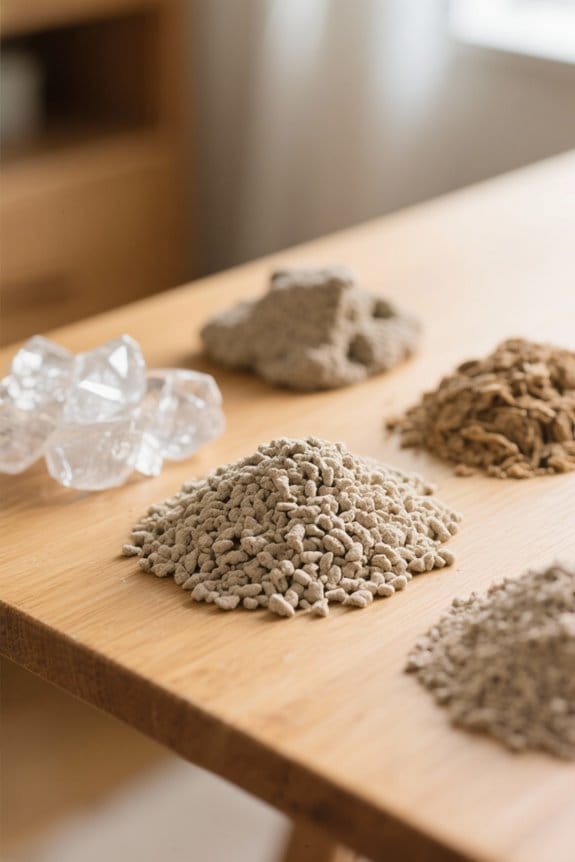
Selecting the right litter for picky cats can greatly enhance their litter box experience and guarantee better hygiene in the home. Clumping cat litter remains popular due to its excellent absorbency and effective odor control; however, some cats may react negatively to dust. For an eco-friendly option, walnut litter, made from crushed walnut shells, offers low dust production and sufficient odor control but may not suit every cat’s texture preference. Tofu cat litter provides a biodegradable and flushable choice, boasting a soft texture that minimizes tracking, making it safe for cats who might ingest it. Finally, Really Great Cat Litter by tuft + paw focuses on reducing dust while presenting a pleasant texture, appealing to our picky felines. Another excellent option is natural pine pellets, which are 100% biodegradable, dust-free, and provide effective odor control without synthetic chemicals.
Recommended Products

99.9% Dust-Free Cat Litter Formula – Keep your home and the air clean with virtually no dust during scooping and minimal litter tracking
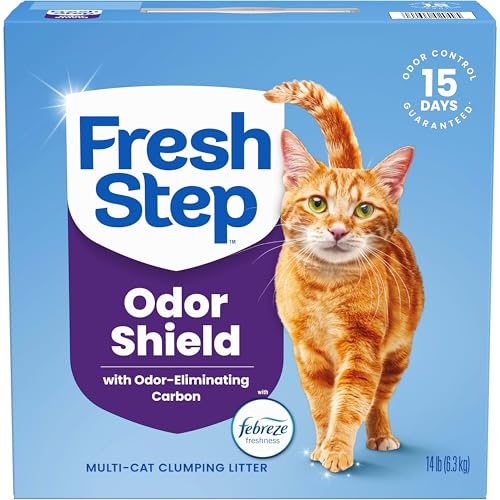
FRESH STEP CLUMPING CAT LITTER: One 14 lb. box of Fresh Step Multi Cat Clumping Litter, Extra Strength Formula With Febreze Freshness, designed for multi cat homes.

PREMIUM QUALITY: A combination of premium texture and granule size made with 100% bentonite clay for maximum clumping creates litter particles that are just the right size.
How to Choose the Right Litter for Your Cat
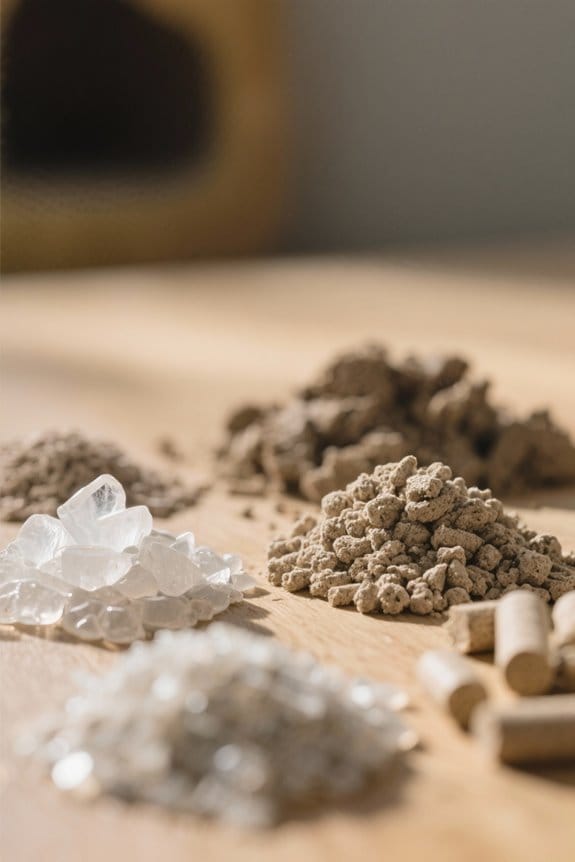
Choosing the right litter for your cat is essential not only for their comfort but also for maintaining a hygienic environment. Most cats prefer litter with a soft, sandy texture that mimics outdoor dirt, encouraging them to use their litter box consistently. Clumping litters can effectively control odors while allowing cats to bury their waste, aligning with their natural instincts. When selecting Cat Litters, consider eco-friendly options, such as walnut or tofu-based, which minimize dust and are safe if ingested. Additionally, unscented litters may be beneficial since strong fragrances can deter cats, given their sensitivity to smells. Wood pellet litters offer high absorbency that reduces the frequency of litter changes while providing effective odor control through natural properties. Ultimately, we should prioritize our cats’ preferences regarding texture and scent, while balancing our needs for odor control and ease of cleaning to make the change smoother.
Recommended Products

LONG-LASTING ODOR CONTROL. ARM & HAMMER Ultra Last Unscented Clumping Cat Litter includes Baking Soda granules with odor eliminators provide long-lasting odor control even when you can't scoop the kitty litter box daily

POWERFUL ODOR CONTROL: Unscented clumping cat litter box odor control formula made without fragrances or dyes provides guaranteed 10-day odor control when used as directed
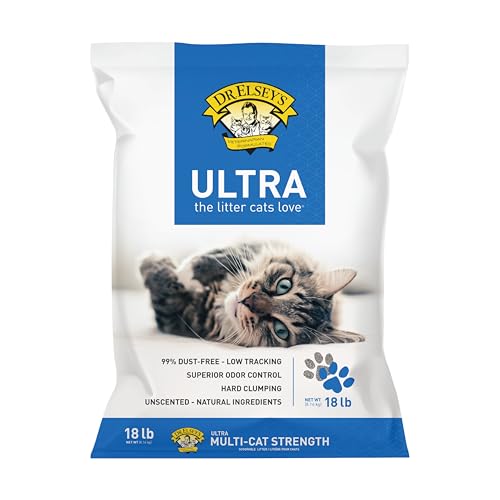
PREMIUM QUALITY: A combination of premium texture and granule size made with 100% bentonite clay for maximum clumping creates litter particles that are just the right size.
Steps to Transitioning to a New Cat Litter
Introducing a new litter to our cats can be an intricate process, especially when considering their unique preferences. To begin the steps to adapting to a new cat litter, we’ll mix one-third of the new litter with the old box’s litter. Over six days, we’ll gradually increase the amount of new litter, ensuring our cat acclimates comfortably. Placing a new litter box next to the old box allows our cat to explore the new texture and scent without pressure. We need to observe our cat’s behavior for signs of avoidance, like reluctance to enter the box. Additionally, using positive reinforcement, such as treats or praise when our cat uses the new litter, will help create a positive association with this change. When selecting a new litter, consider options with low dust formulations to enhance air quality and maintain cleanliness in your home.
The New Litter Box Method
When shifting your cat to a new litter, utilizing the New Litter Box Method can considerably ease the process, making it smoother for both the cat and its owner. To begin, purchase a second litter box and fill it with the new litter, placing the new box close to the existing one. This encourages exploration and allows the cat to familiarize itself with the new litter over time. We should closely observe our cat’s interactions with the new box, ensuring it feels comfortable using it. Gradually phase out the old litter while maintaining consistent use of the new box. If reluctance occurs during this change to a new litter type, we can use positive reinforcement techniques like treats to foster acceptance. For cat owners considering advanced options, automatic cat litter boxes with self-cleaning functions can significantly reduce manual scooping and maintenance time during the transition period.
The Blend Litter Method
The Blend Litter Method serves as an effective strategy for acclimating our feline companions to a new litter type by gradually incorporating it into their existing routine. We start by mixing one-third of the new litter with two-thirds of the old litter, easing our cats into the new texture and scent. Over a period of at least six days, we continue to add small amounts of the new litter while removing the old litter daily, maintaining a balanced blend. It’s essential to monitor our cat’s behavior closely during this change; if they show signs of discomfort or avoidance, we must adjust the ratio or timeline. Just as with transitioning litter, introducing changes gradually—such as using expandable pet carriers with familiar bedding for travel—can help reduce stress and anxiety in cats. Ultimately, our goal is to fully replace the old litter while promoting acceptance.
Tips for a Smooth Transition
To guarantee a smooth switch for our cats to a new litter, it’s critical to adopt a systematic approach that prioritizes their comfort and adaptability. We should begin by mixing one-third of the new litter with the old litter and gradually increasing the new litter’s proportion daily, completing the changeover over approximately six days. During this period, it’s essential to monitor behavior closely for any signs of avoidance or discomfort, such as refusal to use the litter box. Maintaining the litter box’s same location also adds familiarity. Employing positive reinforcement, like treats and praise when our cat uses the new litter, can encourage acceptance and alleviate stress. For added comfort, consider using pheromone or calming sprays during this adjustment phase. Just as regular dental care requires patience and positive reinforcement for acceptance, transitioning to new litter benefits from the same gradual, reward-based approach.
What to Do If Your Cat Rejects the New Litter
Cats can sometimes reject new litter, which might manifest as avoidance of the litter box altogether or elimination outside of it. If this occurs, we should monitor for signs of litter box avoidance and consider reverting to the old litter to reduce stress. It’s essential to try different textures and materials, as some cats are very particular about their litter preferences. Additionally, we can use positive reinforcement techniques, such as offering treats or verbal encouragement, to entice our cat to explore and utilize the new litter box. Similar to how cats often resist wearing recovery collars initially, gradual introduction and gentle support can help our pets adapt to changes in their environment and routine. If our cat consistently refuses the new litter, it may be beneficial to consult with a veterinarian, as underlying health issues might need to be addressed.
Recommended Products
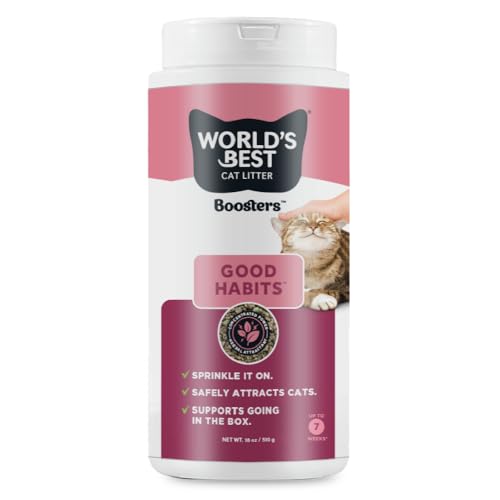
ATTRACTS TO LITTER BOX: World’s Best Cat Litter Boosters Good Habits is a natural and sustainable cat litter additive that encourages cats to use the litter box and helps avoid accidents. Simply sprinkle it on to your usual litter to release a natural scent that safely attracts cats and supports going in the box every time.

MAKES KITTY LITTER TRAINING A BREEZE — Fresh Step Cat Litter Attractant makes kitty litter training a breeze by helping your kitty know where to go

Managing Litter Box Cleanliness During Transition
While shifting to a new litter, maintaining cleanliness in the litter box is essential for encouraging our cat to adjust to the change. We should establish a consistent scooping schedule, cleaning the litter box at least once daily to minimize odors and enhance appeal. It may help to start with a clean box and gradually reduce the amount of old litter as we incorporate the new type, ensuring that the box remains inviting and uncluttered. When cleaning the litter box, we must use a mild, unscented cleaner to avoid overwhelming our cat’s sensitive nose. Additionally, we should closely observe our cat’s behavior; if signs of rejection arise, it’s vital to promptly address any cleanliness concerns to facilitate a smooth adjustment.
Recommended Products

LITTER BOX SCRUBBING WIPES: Cleans litter box messes & breaks down odors on contact

TOUGH ON URINE & FECES ODORS: Nature’s Miracle Litter Box Foam destroys tough urine and feces odors, so pet parents can enjoy their pets without the mess they leave behind.

BIO-ENZYMATIC CLEANING FORMULA: Penetrates to help break down and destroy tough stains and odors
Recommendations for Long-Term Litter Management
Establishing a consistent and effective long-term litter management routine is vital for maintaining a clean environment that encourages our cat to use the litter box reliably. We should clean the litter box at least once a day, which helps promote hygiene and reduces unpleasant odors. Additionally, we need to replace the litter completely at least once a week; using the same brand maintains predictability for our cat. It is advisable to explore clumping litters, as they make daily cleaning easier and effectively control odors. While managing litter, we must monitor our cat’s grooming; any behavioral changes may indicate a negative reaction to the litter, requiring a switch to a different type or brand to guarantee our cat’s health and comfort.
Recommended Products

EASY CLEAN-UP LITTER: ARM & HAMMER Slide Platinum Clumping Kitty Litter forms rock-hard, scoopable clumps that slide right out to prevent sticking; no scrubbing, no scraping, so litter box duty is fast and simple

COMPLETE ODOR SEALING: ARM & HAMMER Clump & Seal Platinum Clumping Cat Litter seals, locks in, and destroys odors in your cat’s litter box 24/7 to keep your home inviting

ONLINE EXCLUSIVE! Fill your cat litter box with the refreshing scent of fresh lavender fields with ARM & HAMMER Forever Fresh Lavender Clumping Cat Litter. This 18 lb. clumping cat litter odor control is only available online
Engaging With Your Cat During the Transition
Engaging with your cat during the shift to new litter is essential for a smooth adjustment and best acceptance. We should utilize positive reinforcement by offering treats and praise each time our cat uses the new litter box. This method reinforces their behavior and encourages acceptance of the change. We must monitor their behavior closely during this period, looking for signs of discomfort or avoidance. Incorporating familiar scents from the old litter into the new box can also help our cat feel secure. Additionally, using calming pheromone sprays can reduce stress during this time. Finally, gradually decreasing the cleaning frequency of the existing litter will make the cleaner new box considerably more appealing, thereby facilitating this change effectively.
Frequently Asked Questions
How to Get a Cat to Use a New Type of Litter?
To get our cat to use new litter, we should consider their litter texture preferences and aroma sensitivity issues. Using a gradual addition method while observing their behavior can ease the change and encourage acceptance.
How Long Does It Take for a Cat to Get Used to a New Litter Box?
It can take our cats anywhere from a few days to several weeks to adjust to a new litter box. Using gradual change methods, we should consider their litter texture preferences and monitor their comfort level.
How Do I Transition My Cat’s Litter?
To switch our cat’s litter, we should mix old and new litter types gradually, monitor cat habits, place boxes strategically, and consider scent differences while ensuring our cat feels comfortable throughout the process.
Can I Mix Two Different Cat Litters?
Yes, we can mix different litter types! By doing this, we can help address our cat’s health concerns, as well as their texture preferences and scent differences, easing them into the new litter experience together.