As an Amazon Associate, we earn from qualifying purchases. Some links on this site are affiliate links at no extra cost to you. Our recommendations are based on thorough research and editorial judgment.

Why Some Cats Refuse to Use Scented Litter

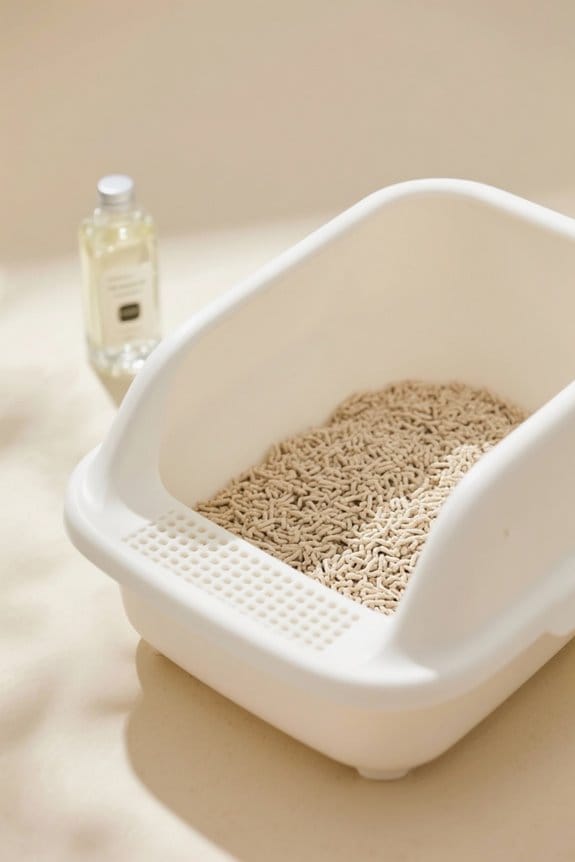
Cats often refuse to use scented litter due to their highly sensitive olfactory system, which is 14 times more acute than humans. Strong artificial scents can overwhelm them, causing stress and confusion. When exposed to irritating fragrances, cats may experience respiratory discomfort, leading to litter box avoidance. Additionally, these scents can mask essential natural odors vital for feline communication. To promote well-being, consider unscented litter options. We will explore more about ideal litter choices and their benefits.
Key Takeaways
- Cats have a superior sense of smell, making strong scents in litter boxes overwhelming and distressing for them.
- Prolonged exposure to scented litter can irritate a cat’s respiratory system, leading to symptoms like coughing and sneezing.
- Overpowering fragrances can mask natural scent cues necessary for feline communication, causing confusion and stress for cats.
- Scented litter can provoke stress and anxiety, resulting in litter box avoidance and potential behavioral issues.
- Cats with existing respiratory conditions are particularly sensitive to scented products, exacerbating their discomfort and influencing their litter box habits.
A Cat’s Sense of Smell: Understanding the Difference
You may be interested

10 Best Charcoal Filter Litter Boxes for Odor Control and Happy Cats
December 30, 2025


10 Best High-Sided Litter Boxes for Mess-Free Cat Care
December 30, 2025
Understanding a cat’s olfactory system is vital for recognizing how profoundly different their sense of smell is compared to ours. Cats possess a sense of smell that is approximately 14 times more acute than ours, allowing them to detect subtle odors in their environment. This heightened sensitivity is key for interpreting social cues and steering through their surroundings. Consequently, litter box odors, which may seem mild to us, can be overwhelmingly strong for cats. Overpowering fragrances in scented litter can mask natural odors that cats need to communicate, leading to confusion and stress. Selecting unscented options promotes a cat’s comfort and wellbeing by avoiding potential respiratory irritation and ensuring they can recognize essential scents necessary for their social and environmental interactions. Eco-friendly litters made from natural materials like walnut shells, corn, or recycled paper offer unscented alternatives that are chemically-free and better suited to a cat’s sensitive respiratory system.
The Overwhelming Nature of Scented Litter
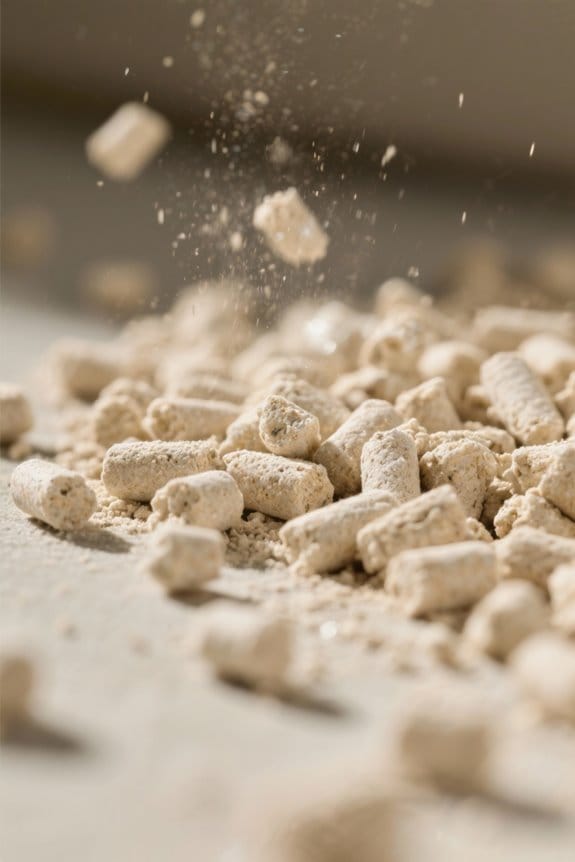
Why do some cats refuse to use a litter box? The answer often lies in the overwhelming nature of scented litters. Cats possess a sense of smell that’s 14 times stronger than ours, making even mild scents overpowering. The strong fragrances in scented litters can mask essential natural scent cues that felines use for communication. Additionally, many of these litters contain artificial chemicals, which can irritate a cat’s respiratory system, leading to sneezing or worse. Consequently, the distress caused by these overwhelming smells disrupts the litter box experience, making some cats avoid it entirely. As a result, the smell of cat pee, which is vital for their instincts, becomes a less effective guide in their environment. Switching to unscented options with activated charcoal can provide effective odor control without overwhelming your cat’s sensitive nose.
How Artificial Scents Affect Feline Behavior

Artificial scents in cat litter have a profound impact on feline behavior, often leading to stress and aversion toward the litter box. Cats possess a sense of smell that is 14 times stronger than ours, making even mild artificial scents overwhelming. The overpowering fragrances in scented cat litter can mask natural scent cues, leading to confusion and discomfort. As a result, some cats may exhibit stress-induced behaviors, avoiding the litter box entirely. Additionally, artificial fragrances can irritate a cat’s respiratory system, causing symptoms like sneezing or coughing, which further discourages litter use. Low dust formulas are especially beneficial for cats with respiratory sensitivities, as they reduce airborne particles that can exacerbate breathing issues. To support your cat’s health, consider switching to unscented litters that minimize these issues, allowing for a more comfortable litter box experience.
Health Risks Associated With Scented Litter

Many cat owners may not realize the significant health risks associated with using scented litter, as these products often contain various artificial fragrances and chemicals. Scented litter can cause respiratory irritation in cats, leading to symptoms like coughing, sneezing, and breathing difficulties. For those with sensitive noses, strong scents might provoke stress, making them avoid the litter box entirely. Additionally, prolonged exposure can trigger allergies, resulting in skin issues such as rashes or irritation on paw pads. Research indicates a link between scented litter and Feline Idiopathic Cystitis (FIC), a painful urinary condition. Moreover, cats with pre-existing respiratory conditions, like asthma, may face intensified symptoms or acute distress when exposed to the fragrances often found in these litter types. To minimize exposure to these harmful chemicals while maintaining a fresh-smelling home, consider using disposal systems with multi-layer odor control technology that trap odors without relying on artificial scents.
The Impact of Strong Smells on Cat Communication

While it’s easy to overlook the importance of scent in a cat’s life, strong smells can considerably disrupt their natural communication methods. Cats possess a sense of smell that is approximately 14 times more acute than ours, making it crucial for effectively marking territory and identifying other felines. When we use scented litter, the overpowering fragrances can mask important scent cues essential for cat communication. This interference can confuse our pets, potentially leading them to avoid the litter box altogether. Furthermore, strong scents can irritate your cat’s respiratory system, making it difficult for them to detect predators or find food. Ultimately, such stress from confusing odors can exacerbate behavioral issues, including inappropriate elimination outside the litter box. To maintain a fresh-smelling home without overwhelming your cat’s sensitive nose, consider using odor control features like self-sealing disposal systems with activated charcoal that neutralize smells without adding artificial fragrances to the litter itself.
The Role of Unscented Litter in Cat Wellbeing
Choosing unscented litter is essential for promoting our cats’ overall well-being, especially since a considerable number of felines may experience heightened stress levels due to overpowering scents found in scented products. Cats possess a sense of smell 14 times stronger than ours, making them sensitive to chemical additives that can lead to respiratory irritation. By opting for natural, unscented litter, we allow better odor control through effective adsorption without the interference of strong fragrances. Additionally, selecting unscented options prevents behavioral changes, such as litter box avoidance, that often stem from discomfort caused by scents. For our cats with pre-existing conditions, using unscented litter notably minimizes potential health risks while fostering a stress-free litter box environment. Many effective dust-free litters with 99% dust-free formulas provide excellent odor management without relying on added fragrances, making them ideal for sensitive cats and allergy sufferers.
Choosing the Right Litter for Your Cat
Selecting the right litter for our cats entails careful consideration of various factors, including texture, absorbency, and environmental impact. Cats possess a sense of smell remarkably stronger than humans, making them sensitive to fragrances in scented litter; this can lead to avoidance of the litter box. To create a comfortable environment, opting for unscented litter is advisable. Unscented natural options typically provide effective odor control without overwhelming scents or harmful artificial chemicals that can irritate a cat’s respiratory system. It’s essential to observe our individual cat’s preferences, as some may thrive with natural, unscented varieties. Regular maintenance practices, such as daily scooping and replenishing the litter consistently, will further enhance our cat’s willingness to use the box effectively. Additionally, ensuring your cat’s safety extends beyond the litter box by equipping them with durable identification tags that can help reunite you quickly if they ever wander away from home.
Recommended Products

For Cat and Kitty Litter Box - Naturally Fresh Cat Litter is made from all-natural walnut shells, and this eco-conscious litter neutralizes odors better than clay, pine, corn, and wheat litters.

FRESH STEP CLUMPING CAT LITTER: Amazon exclusive, two 18.5-lb. boxes of Fresh Step Advanced Simply Unscented Clumping Litter to keep litter boxes smelling fresh without the use of fragrances and dyes

PREMIUM QUALITY: A combination of premium texture and granule size made with 100% bentonite clay for maximum clumping creates litter particles that are just the right size.
The Benefits of Natural Clumping Litters
Natural clumping litters, which are increasingly popular among cat owners, offer several benefits that enhance the overall litter box experience for our feline companions. Utilizing natural clay, these unscented clumping litters effectively absorb moisture and odors, providing superior odor control without relying on harsh artificial fragrances that can irritate sensitive respiratory systems. The soft texture of these litters is gentle on our cats’ paws, promoting comfort and encouraging regular use. Additionally, their clumping action simplifies daily scooping, making it easier to maintain a clean environment. By avoiding artificial chemicals, we reduce the risk of respiratory irritation and stress-related behaviors, ensuring a healthier, more inviting space for our pets. For cat owners seeking even more sustainable options, recycled paper litters can absorb liquid three times better than standard clay litter while remaining biodegradable and gentle on sensitive paws. Overall, these litters support ideal hygiene and enhance our cats’ welfare.
Recommended Products

POWERFUL ODOR CONTROL: Unscented clumping cat litter box odor control formula made without fragrances or dyes provides guaranteed 10-day odor control when used as directed

LONG-LASTING ODOR CONTROL. ARM & HAMMER Ultra Last Unscented Clumping Cat Litter includes Baking Soda granules with odor eliminators provide long-lasting odor control even when you can't scoop the kitty litter box daily
PREMIUM QUALITY: A combination of premium texture and granule size made with 100% bentonite clay for maximum clumping creates litter particles that are just the right size.
Customer Experiences With Tippaws Litter
A significant number of customers have reported positive experiences with Tippaws Natural Clumping Litter, especially noting its effectiveness for cats that are typically finicky about their litter. Many cat parents appreciate that their cats swiftly adapted to the unscented formula and soft texture, indicating this litter minimizes initial stress. Feedback indicates that Tippaws lasts longer than other brands, enhancing litter box maintenance. Users frequently mention the litter’s excellent odor control, which works without artificial fragrances that can irritate sensitive feline noses. Additionally, Tippaws does not damage litter trays, and minimal scatter leads to a tidier environment. For households with multiple cats, pairing this litter with high-sided litter boxes can further reduce scatter and maintain cleanliness throughout the home. Overall, cat owners observed improved litter box habits and reduced anxiety in their pets after switching to Tippaws Natural Clumping Litter, creating a safer, more comfortable experience for both cats and their families.
Recommended Products

LONG-LASTING ODOR CONTROL: Unscented cat litter with activated charcoal and clay provides long-lasting litter box odor control

POWER TO THE MAX: Our patented Max Power dual-clay formula delivers 10 days of powerful odor control and is our strongest-clumping formulation; Plus, it's 99% dust free

ODOR CONTROL CAT LITTER: Purina Tidy Cats Free and Clean lightweight litter offers 21-day odor control that prevents ammonia odor when used as directed.
What Vets Recommend for Cat Owners
When considering the best litter options for our cats, it’s important to heed veterinary recommendations that highlight the significance of unscented clumping clay litter. Veterinarians, including experts like Dr. Lisa Pierson, advise against scented cat litter due to potential respiratory irritation and behavioral issues. Scented litter alters the natural scents cats depend on for communication, which can lead to anxiety and litter box avoidance. To maintain a comfortable litter environment, we should choose unscented clay cat litter, ensuring it remains free from strong fragrances. Products like Dr. Elseys Classic and Purina Tidy Cats Free and Clean offer excellent odor control through natural clay and activated charcoal rather than relying on artificial fragrances. By doing so, we minimize health risks and create a neutral-smelling space that encourages our feline companions to use their litter box regularly, therefore fostering a peaceful home environment.
Signs Your Cat May Be Irritated by Scented Litter
Often, we might overlook the subtle signs that indicate our cats are not responding well to scented litter. Sneezing or coughing after using the litter box can suggest irritation caused by artificial fragrances. If a cat suddenly refuses to enter the litter box, it often signals that the scents associated with the scented litters are overwhelming, making the box uninviting. Additionally, we should observe for signs like itchy paws or excessive grooming, which may arise from contact with irritating litter components. Changes in behavior, such as hiding or altered litter box habits, can reflect stress linked to unpleasant smells, disrupting their natural instincts to communicate through scent. Recognizing these indicators is essential for ensuring our cats’ comfort and well-being.
Alternatives to Scented Cat Litters
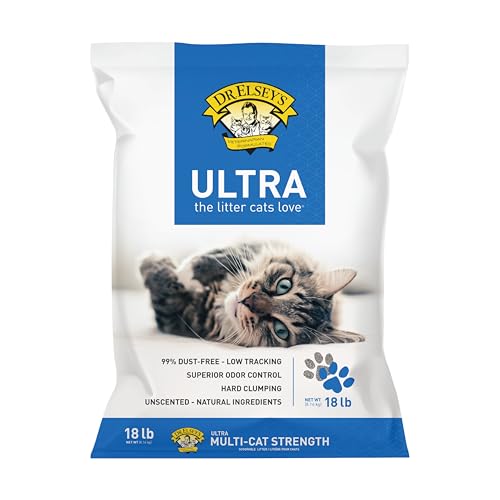
Finding alternatives to scented cat litters is essential, especially for cats displaying symptoms of irritation from strong fragrances. Unscented natural litters, like Tippaws Natural Clumping Litter, effectively manage odor control without overwhelming scents. We can also consider options such as Dr. Elsey’s Ultra litter, designed specifically for sensitive cats and free of perfumes, ensuring a more comfortable experience. Pine pellets and wheat-based litters are effective natural alternatives as they absorb moisture and control odors without added fragrances. Additionally, recycled paper litters offer a health-conscious choice that provides a soft surface while maintaining cleanliness. By selecting unscented litter, we enhance a healthier environment, thereby reducing the risk of respiratory irritation and minimizing stress-related litter box avoidance in our cats.
Recommended Products

LASTS 2X LONGER – Our litter absorbs urine and locks in odor with just half the amount compared to leading U.S. brand. One bag lasts up to twice as long, saving you money and trips to the store.

100% NATURAL ODOR ELIMINATION: Advanced hypoallergenic odor control the natural way - and free of perfumes and dyes, making it perfect for sensitive cats

Maintaining a Stress-Free Litter Box Environment
Creating a stress-free litter box environment is essential for our feline companions, as it directly impacts their willingness to use the box regularly. To achieve this, we should avoid using scented kitty litter, which can overwhelm our cats due to their heightened sense of smell. Instead, opting for neutral-smelling, unscented litter can help maintain comfort and encourage consistent use. Regular maintenance is also vital; we must scoop the litter box daily—removing waste and clumping—while ensuring proper ventilation to minimize odors. This process prevents the buildup of harmful bacteria, which can irritate our cats’ respiratory systems. By prioritizing these practices, we create an inviting space, ultimately improving the health and happiness of our pets.
Frequently Asked Questions
Why Don’t Cats Like Scented Litter?
Cats often avoid scented litter because their feline scent sensitivity makes strong fragrances overwhelming. Their natural instincts prefer the familiar scents of unscented litter, leading to litter box preferences that prioritize comfort and security in their environment.
Is It Better to Get Scented or Unscented Kitty Litter?
We believe unscented litter preferences are far better for our cats. While scented litter benefits humans by masking odors, it can confuse our feline friends. Prioritizing their comfort improves our cat litter choices and overall happiness.
Is Scented Litter Healthy for Cats?
Scented litter isn’t healthy for cats; their scent sensitivities can lead to stress and litter box health issues. Let’s prioritize feline preferences by choosing unscented options that respect their natural instincts and comfort.
What Scents Attract Cats to the Litter Box?
Like a fine perfume, cats prefer natural scents in their litter box. Their scent sensitivity drives their preferences; earthy aromas resemble their instinctual habitat, enhancing litter box behavior. Let’s choose unscented or subtly herbal options for our feline friends!