As an Amazon Associate, we earn from qualifying purchases. Some links on this site are affiliate links at no extra cost to you. Our recommendations are based on thorough research and editorial judgment.

Understanding Your Cat’s Coat Type and Grooming Needs

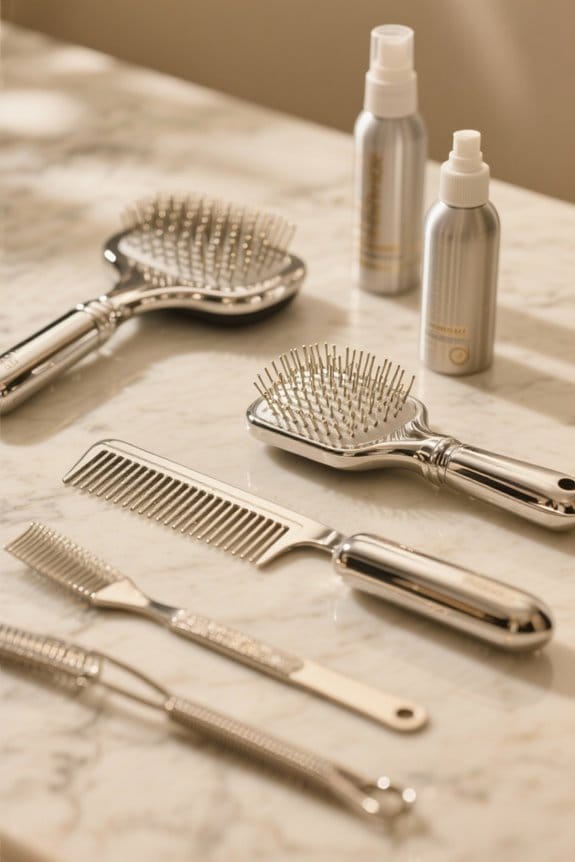
Understanding our cat’s coat type and grooming needs is essential for their health. Short-haired cats require weekly brushing, while long-haired breeds need daily care to prevent matting, with coats ranging from 1.5 to 5 inches. Hairless cats, such as Sphynx, need regular baths to maintain skin health. We must avoid common mistakes like over-brushing or neglecting mats. Establishing a routine based on coat type enhances overall well-being, providing a foundation for evaluating their specific grooming care as we proceed.
Key Takeaways
- Cat coats are categorized into hairless, short-haired, long-haired, and curly-haired, each requiring different grooming approaches to maintain coat health.
- Short-haired cats need minimal grooming, typically once a week, while long-haired cats require daily grooming to prevent tangling and matting.
- Grooming routines should account for individual needs, with more frequent sessions for long-haired breeds and less for short-haired varieties.
- Suitable grooming tools like slicker brushes and combs are essential to reduce shedding and prevent mats while ensuring skin health is monitored.
- A calm environment during grooming is crucial, especially for anxious or special needs cats, to foster a positive and effective grooming experience.
Historical Background of Cat Breeds and Their Fur Types
You may be interested


When we examine the historical background of cat breeds and their fur types, we discover that both natural selection and human intervention have played significant roles in shaping the diversity of coats we see today. Long-haired breeds like Persians and Maine Coons exhibit thicker coats suited for colder environments, while short-haired breeds, such as Egyptian Maus, thrive in warmer climates with their sleek fur. This diversity arises from selective breeding, which emphasizes specific traits based on aesthetic preferences and functional grooming needs. Genetic adaptations align cats’ coats with their habitats, further shaping their characteristics. Understanding these developments is essential for appreciating the uniqueness of each breed and their grooming requirements, allowing us to provide ideal care tailored to their specific fur types. Beyond grooming, cats also exhibit instinctual scratching behavior that serves multiple purposes, including claw maintenance and territorial marking, which is why providing appropriate scratching surfaces remains an important aspect of feline care.
Understanding Cat Fur Types
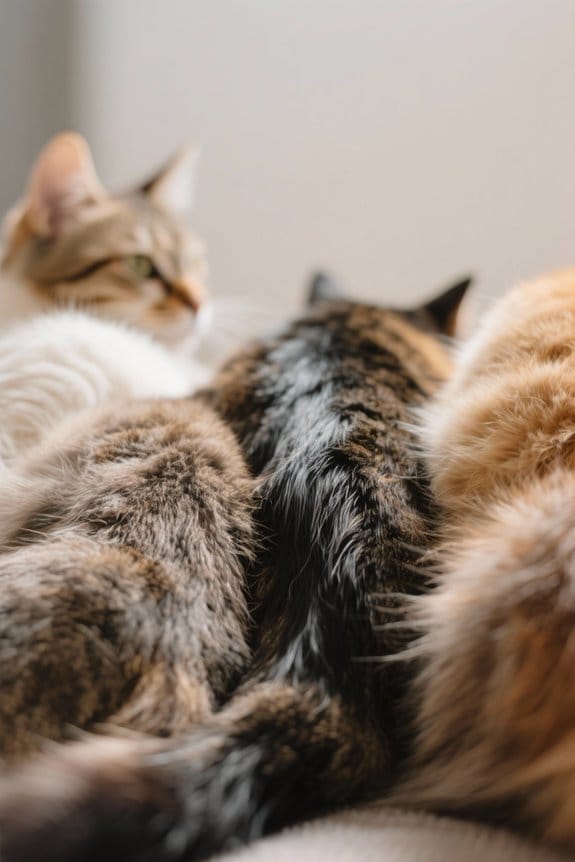
Understanding the various types of cat fur is essential for ensuring proper care and grooming. We categorize cat coats into four main types: hairless, short-haired, long-haired, and curly-haired. Short-haired cats, like the American Shorthair, typically require less grooming compared to long-haired cats such as Persians, which necessitate daily brushing to avoid matting. Curly-haired breeds, including the Selkirk Rex, demand specific grooming techniques to maintain their unique texture and prevent tangles. Selecting appropriate grooming tools based on your cat’s coat type is vital, as it influences their comfort and overall health. Recognizing these distinctions in grooming needs allows us to cater to each cat’s specific requirements, enhancing their wellbeing and ensuring a healthy coat. For optimal results, most cats benefit from regular brushing 3-4 times per week to maintain coat health and reduce shedding throughout the home.
Recommended Products
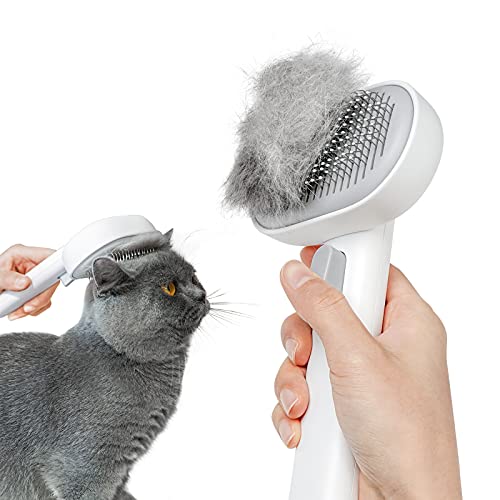
【Professional Cat Hair Brush】Perfect gift for pet owners, vets, and pet groomers. Using this cat brush for long haired cats on a regular basis can gently and effectively remove loose hair, tangles, knots, dander and trapped dirt. Suitable for short, medium or long, thick, thin or curly haired dogs/cats/rabbits, making your pets shiny and healthy.

Cat brushes for long haired cats and short haired cats

【Easy Desheding】: Swihauk self cleaning dog brush for long haired dogs with release bottom helps effortlessly reduce shedding. A must have dog brush for short haired dogs, cat brush for indoor cats, cat brush for shedding, slicker brush for dogs.
Short-Haired Cats
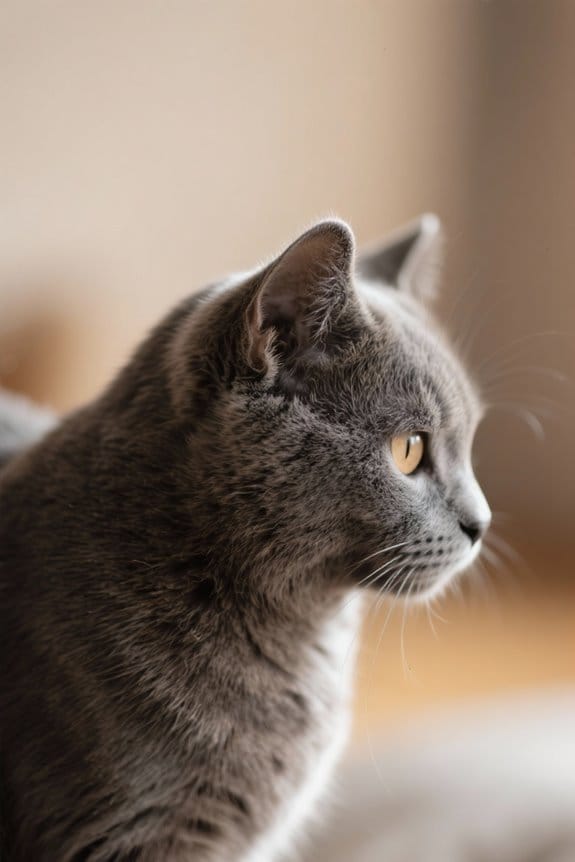
Short-haired cats, characterized by a coat length of no more than 1.5 inches, provide an excellent option for those seeking lower maintenance pets. Their grooming needs are minimal since they tend to shed less compared to long-haired breeds. Establishing a regular grooming routine is essential; weekly brushing with a soft-bristle silicone brush effectively reduces dander and supports skin health. It also strengthens the bond between us and our feline companions. While short-haired cats are low-maintenance, they still benefit from occasional baths and gentle ear cleaning to guarantee peak hygiene. Additionally, regular nail trimming is recommended to prevent overgrowth and maintain your cat’s overall comfort and health. Breeds like the American Shorthair and Bengal exemplify this coat type, making them popular choices for pet owners who desire both aesthetics and ease of care.
Long-Haired Cats
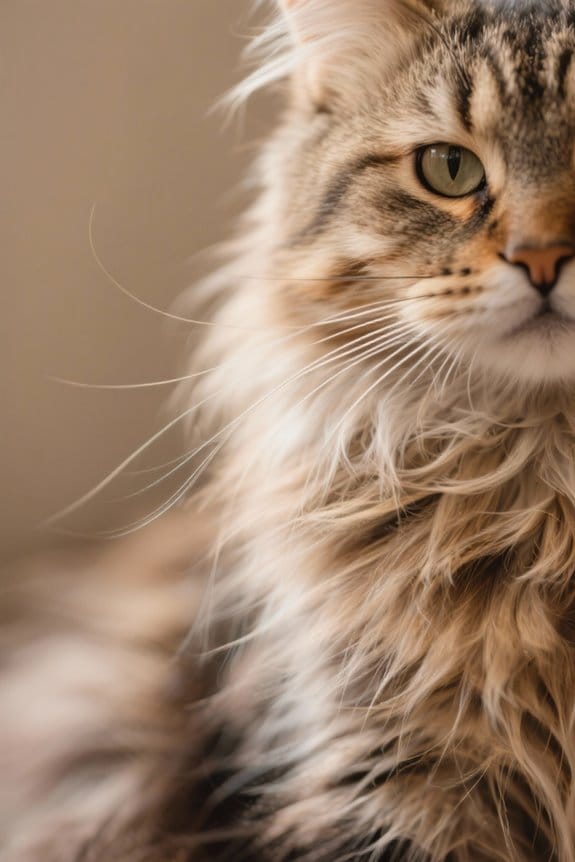
Long-haired cats are well-known for their striking, luxurious coats, which can range from 1.5 to 5 inches in length; however, maintaining their beauty requires diligent grooming efforts. To meet their grooming needs, we should engage in daily brushing to prevent tangling and matting, focusing on areas like the hindquarters and underarms. Utilizing appropriate grooming tools, such as wide-toothed combs and slicker brushes, facilitates successful detangling. Regular trims every month are necessary for maintaining coat health, particularly for breeds like Persians and Maine Coons. Additionally, we must gently hold the base of any mats when detangling to minimize discomfort. Alongside coat maintenance, regular checks of their ears and nails guarantee their overall health remains ideal. Using cat nail trimmers with safety guards helps prevent over-cutting and ensures a stress-free grooming experience for both you and your feline companion.
Hairless Cats
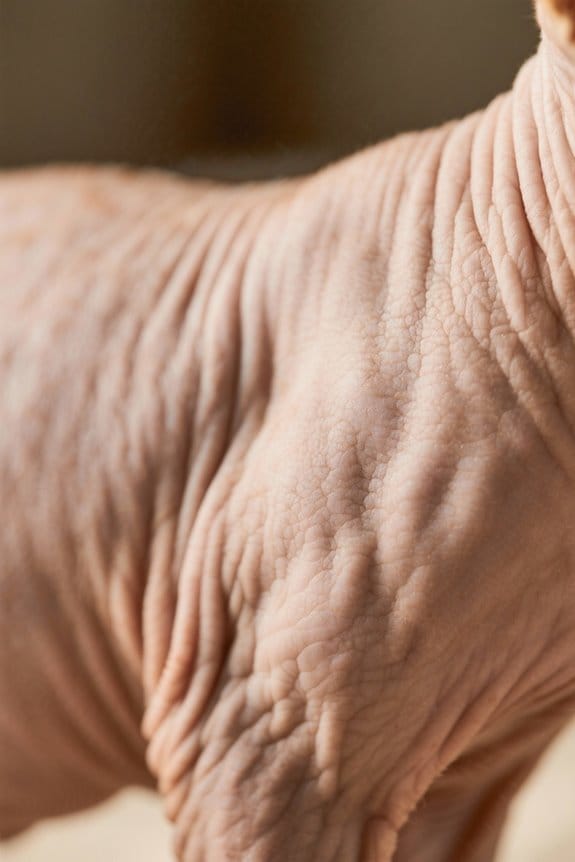
Hairless cats, like the Sphynx, have distinct characteristics that set them apart from their fur-covered counterparts, making their care requirements unique. Due to their lack of insulating fur, they exhibit temperature sensitivity, requiring warm clothing or blankets in cooler environments to maintain comfort. Regular baths, approximately once every week or two, are essential to prevent skin buildup and guarantee peak skin health, as they don’t have fur to absorb natural oils. We should incorporate skin care into their routine, using moisturizing creams to maintain hydration and prevent dryness or irritation. Additionally, using hypoallergenic grooming products is advisable to support their delicate skin and overall well-being. When bathing hairless cats, selecting shampoos with key hydrating ingredients like aloe vera and oatmeal can provide soothing effects for their sensitive skin while maintaining proper moisture balance. Adopting these practices will guarantee our hairless cats stay healthy and comfortable.
Double-Coated Cats
Double-coated cats, such as the Alaskan Klee Kai and Siberian, require specific grooming techniques to manage their unique coat structure effectively. These breeds have two layers of fur: a soft undercoat for insulation and a tougher outer coat. Due to seasonal shedding, especially in spring and fall, their grooming needs increase. We should engage in regular brushing, ideally 2-3 times a week, using appropriate grooming tools like undercoat rakes or slicker brushes. This helps to reduce shedding, maintain coat health, and prevent matting of the undercoat. During seasonal changes, we need to increase grooming frequency to effectively remove loose underfur, thereby minimizing hairballs and ensuring our double-coated cats remain healthy and comfortable. Investing in a comprehensive grooming kit with sharp stainless steel blades ensures effective removal of matted fur without causing discomfort to your cat.
Curly-Haired Cats
Although curly-haired cats, such as the Selkirk Rex and Devon Rex, present a unique grooming challenge due to their distinctive crimped fur, understanding their specific needs is vital for maintaining their coat’s health and appearance. Regular grooming sessions, using appropriate grooming tools like a wide-toothed comb, help prevent matting while preserving the natural curl of their curly fur. While these breeds typically shed less loose hair, frequent checks can minimize skin irritation caused by trapped debris. Additionally, regular ear cleaning is essential to avoid wax buildup, which may occur due to their unique characteristics. Minimal trimming may be necessary in areas prone to matting, ensuring a healthy and well-maintained coat for our curly-haired companions. After bathing, applying a pH-balanced conditioner can help maintain moisture and enhance the natural texture of their distinctive coat.
Grooming for Different Cat Breeds
When caring for our feline companions, understanding the grooming requirements specific to different cat breeds is fundamental for their overall health and well-being. Long-haired breeds, such as the Maine Coon and Persian, necessitate daily grooming to prevent mats and tangles, while short-haired breeds like the American Shorthair require brushing about once a week to reduce shedding. Semi-long-haired cats, such as the Norwegian Forest Cat, benefit from brushing 2-3 times weekly, especially in areas prone to tangling. Curly-haired breeds, like the Devon Rex, need gentle grooming using specialized grooming tools, such as soft brushes. In addition, we should remember that hairless breeds like the Sphynx necessitate regular bathing to maintain healthy skin, as they lack protective fur. Selecting tools with ergonomic handles helps prevent hand strain during grooming sessions, particularly when working with breeds that require more frequent or intensive maintenance.
Recommended Products

Cat brushes for long haired cats and short haired cats
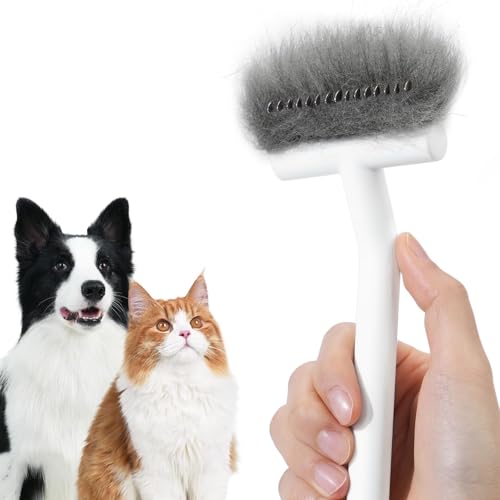
【PROFESSIONAL · Undercoat Rake】Designed as a professional deshedder and grooming brush, simply run it through your pet's fur—whether dog's or cat's, long or short—in the direction of growth with gentle pressure to easily remove loose hair. As a dematting tool, slowly work through tangle-prone areas such as ears, chest, and legs to painlessly break up mats. Just 1–2 sessions a week keeps any coat clean, soft, and tangle-free—no groomer visit required.

【Reduce Shedding & Keep Clean】 This slicker brush effortlessly removes loose hair, tangles, and mats, reducing shedding and preventing further matting. Perfect for long and short-haired breeds like Goldendoodles, Poodles, Labradoodles, and indoor cats.
Common Grooming Mistakes to Avoid
To guarantee our cats maintain ideal skin and coat health, it’s vital to recognize and avoid common grooming mistakes that can lead to more serious issues. Skipping a regular grooming routine can cause considerable matting, excessive shedding, and skin problems, so we must establish a schedule tailored to our cat’s type of fur. Over-brushing can irritate the skin, stripping natural oils; consequently, we should prioritize using suitable grooming tools. Neglecting to check for mats can result in severe discomfort and skin complications, while using inappropriate brushes may harm short-haired cats. Additionally, we must monitor skin health during grooming sessions, as early detection of lumps or irritation can greatly reduce the risk of long-term health issues. Beyond grooming tools, maintaining a clean litter environment with dust-free formulations can minimize respiratory issues that may affect our cats’ overall health and coat condition.
Recommended Products

【Professional Pet Grooming Kit 】3 Pet grooming tools selected by pet lovers, which can meet daily all the grooming needs of pets. Let you, as the groomer, personally give your furry friend a shiny and healthy coat. This is a must-have beauty product set for pet lovers! The Best Dog Gifts - Merry Christmas

Dual-Head Design: 2 sides, 2 coats, 1 tool! Use the 9-teeth side of this dog and cat brush for smooth dematting, and the 17-teeth side for quick coat thinning and deshedding.

Clean Pets, Clean House: Depets cat & dog brush for shedding can easily remove loose hair, shedding mats, dander and dirt of your pet, which not only keep your pet clean, but also provide you with a clean and hygienic home environment
Caretaking for Cats With Special Needs
How can we best support our cats with special needs, ensuring their health and comfort? For cat owners, addressing mobility issues is significant; cats with such challenges may struggle to groom themselves, leading to potential skin problems. Incorporating gentle brushing into our grooming routine is essential, employing hypoallergenic grooming products to minimize skin irritation, especially for those with chronic illness. We should also engage in shorter grooming sessions, as this accommodates their comfort and can help detect any changes in their condition. Creating a calm environment is important, reducing stress for cats with cognitive decline. Additionally, keeping a well-stocked cat first aid kit on hand ensures we’re prepared to manage minor wounds and skin irritations that special needs cats may be more prone to developing. By considering these factors, we can provide effective care for our special needs cats, ensuring ongoing health and well-being.
Recommended Products

【Easy Dematting and Deshedding Tools】: Our Grooming brush and comb combo help effortlessly dematting and reduces shedding. A must have dog brush for shedding, pet supplies, cat supplies, dog supplies metal comb for dogs shedding.

【Easy Desheding Brush】: THe self cleaning dog brush for long haired dogs and short haired dogs with release bottom helps effortlessly reduce shedding. It's the one cat brush for indoor cats you must have, cat brush for shedding, slicker brush for dogs and horses.

Product Size (W x D x H): 2.8 x 1.3 x 4.4 inches (7 x 3.3 x 11.1 cm)
Establishing and Maintaining a Grooming Routine
Establishing a grooming routine is essential for maintaining your cat’s coat health, especially when considering their specific coat type and individual needs. For long-haired cats, daily grooming sessions are necessary, while short-haired breeds require attention at least weekly. Using appropriate grooming tools, such as slicker brushes or combs, we can reduce shedding and prevent mats. Regular grooming not only maintains the coat but also promotes skin health and serves as an opportunity to observe for any abnormalities, such as lumps or irritation. During grooming sessions, it’s important to pay attention to our cat’s body language; this awareness fosters positive experiences. For older or mobility-challenged cats, a gentle, consistent approach guarantees they remain comfortable and cared for.
Frequently Asked Questions
What Is the 3-3-3 Rule for Cats?
The 3-3-3 Rule for cats involves three days of stress and hiding, three weeks of socialization and exploring, and three months for full integration, highlighting the importance of environmental enrichment and routines in managing feline behavior.
What Are the Different Types of Cat Fur Coats?
Each cat’s coat is a tapestry of diversity: from the sleek Siamese fur and luxurious Persian coat to the fluffy Maine Coon, we adore the uniqueness—from short-haired breeds to long-haired types and even elegant hairless cats.
What Type of Grooming Do Cats Need?
Our cats need regular grooming tailored to their fur types, including appropriate tools. We should consider bathing frequency, nail trimming, ear cleaning, and dental care, especially during shedding seasons to manage skin conditions and allergies effectively.
What Does a Cat’s Coat Tell You?
A cat’s coat reveals its breed associations, health indicators, and grooming frequency needs. We notice coat color significance, shedding patterns, fur texture differences, and skin care importance, helping us understand allergies and sensitivities, plus potential matting issues.


