As an Amazon Associate, we earn from qualifying purchases. Some links on this site are affiliate links at no extra cost to you. Our recommendations are based on thorough research and editorial judgment.

Why Cats Stop Grooming Themselves: Health Red Flags

When cats stop grooming themselves, it can signify serious health concerns requiring immediate attention. Indicators like a dirty coat, excessive shedding, or food residue on their face may point to underlying issues. Conditions such as arthritis can limit movement, while dental pain may deter grooming behavior. Additionally, obesity and stress from environmental changes contribute to a decline in grooming habits. Observing these signs is crucial, and continued awareness can further enhance our approach to promoting cats’ grooming routines.
Key Takeaways
- Decreased grooming can indicate underlying health issues like arthritis, oral pain, or chronic illnesses that hinder a cat’s mobility and motivation.
- A dirty or greasy coat, along with unpleasant odors, may signal reduced grooming due to medical conditions or discomfort.
- Increased lethargy, abnormal sleeping patterns, or changes in appetite can reflect pain or illness affecting grooming habits.
- Weight issues, such as obesity, can restrict a cat’s ability to groom itself effectively due to limited movement.
- Environmental stressors or emotional distress can lead to decreased grooming, necessitating attention to changes in the cat’s living conditions.
Understanding the Importance of Grooming for Cats
You may be interested


10 Best Cat Litter Box Liners to Keep Your Home Fresh and Clean
December 2, 2025
Grooming is a fundamental aspect of a cat’s daily routine, and understanding its significance can help us appreciate why some cats may stop this vital behavior. Cats dedicate nearly half of their waking hours to grooming, which is essential for maintaining cleanliness and overall health. Regular grooming prevents mats, regulates body temperature, and removes allergens and parasites. Additionally, it distributes natural skin oils, giving cats a shiny appearance while promoting comfort, especially during anxiety. Establishing a grooming routine supports skin health and enhances bonding between cats and their owners. We must recognize that behavior changes can indicate underlying medical issues, which may lead to skin problems or discomfort if grooming is neglected, underscoring the importance of consistent health and care. When cats struggle with self-grooming due to health issues or matted fur, professional grooming tools designed for different coat types can help maintain their coat condition and prevent further complications.
Signs of Under-Grooming in Cats

Cats display a range of signs when their grooming habits decline, and it’s essential for us to recognize these indicators promptly. Common signs of under-grooming include a dirty or greasy coat, matted fur, and unpleasant odors, which signal deterioration in grooming behavior. We should also watch for excessive shedding or clumps of hair, indicating a cat’s struggle to maintain its routine. Observing food residue on the face or chest after meals is another red flag. Additionally, increased lethargy, sleeping more than usual, or difficulty accessing certain body areas can indicate significant grooming decline. If we notice a marked reduction in grooming patterns, it may point to underlying health issues or painful conditions that require immediate veterinary attention. Cats may also exhibit a rough coat or skin issues due to parasitic infections, which can further compromise their grooming abilities.
Common Medical Causes of Decreased Grooming

When we observe our feline companions showing a decline in grooming behavior, it’s essential to contemplate potential medical causes that might be affecting their ability to maintain a clean coat. Arthritis or joint pain can severely limit their mobility, preventing them from reaching certain areas. Additionally, oral pain due to dental diseases, such as gum disease, may discourage them from grooming. Likewise, underlying health issues like kidney disease or hyperthyroidism can reduce their overall energy and motivation. Moreover, obesity is a significant factor, as it can restrict movement, making it difficult for cats to groom themselves effectively. It’s particularly important for us to monitor grooming habits in senior cats, as chronic pain often goes unnoticed in these animals. Senior cats experiencing these health challenges may benefit from specialized senior nutrition that supports joint health through ingredients like glucosamine and promotes overall vitality.
Recommended Products

Complete and Balanced for Adult Cats: 100% nutrition, 0% fillers, this IAMS dry cat food supports whole-body health with essential nutrients and is enriched with antioxidants for a strong immune system

Purina indoor cat food made with real chicken as the number 1 ingredient to support strong muscles, including a healthy heart
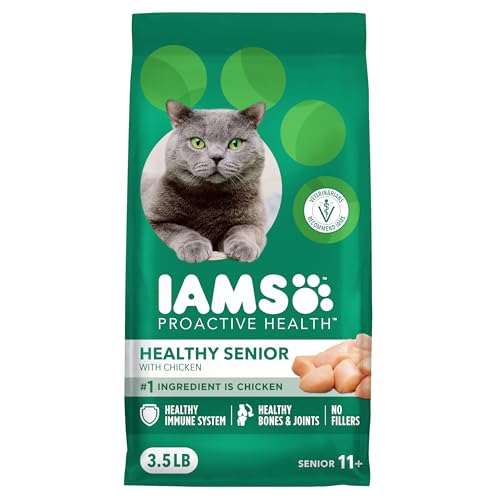
Complete and Balanced for Adult Cats: 100% nutrition, 0% fillers, this IAMS dry cat food supports whole-body health with essential nutrients and is enriched with antioxidants for a strong immune system
Behavioral and Environmental Factors Affecting Grooming

Although behavioral and environmental factors may seem less tangible than medical issues, they greatly impact a cat’s grooming habits and overall well-being. Changes in the household, such as introducing new pets or people, can trigger significant environmental stressors that lead to decreased grooming. During times of grief or emotional distress, we might observe behavioral changes like increased sleeping or altered litter habits, indicating our cat’s mental state. In addition, age-related factors, particularly in elderly cats, may limit their flexibility and energy, which hinders effective grooming. Additionally, behavioral issues like territorial stress may redirect a cat’s focus away from grooming, suggesting underlying emotional or social distress that could require our attention and intervention to restore their grooming habits. For senior cats experiencing mobility challenges, providing low entry litter boxes can help reduce stress and encourage proper litter box behaviors, which may indirectly support their overall comfort and grooming routine.
Recommended Products

Low Entry Litter Box : 17.3"×13.3"×8.2"(LxWxH), the high sided, plastic lid high enough to prevent litter from flying out during wild digging efforts while the 4in lower platform lets a small cat/kittens easily climb in to do their business

Thoughtful 3.15in Low Entry Design – Each litter box features a 3.15" low front entry, making it easy for kittens, senior cats, or injured pets to step in and out with confidence. High sides still provide excellent splash protection, combining care and practicality

【Ideal for All Pets】: Our 2 pack low entry stainless steel litter box is perfect for senior arthritic cats, sick pets, and kittens, providing easy access compared to traditional 6-inch high options, making it the best low entry litter box for your furry friends.
Why Senior Cats May Stop Grooming

As our feline companions age, they can face various physical and mental challenges that may greatly impact their grooming habits. Senior cats often suffer from decreased flexibility and mobility, particularly due to conditions like arthritis, making grooming physically difficult. Additionally, a lack of energy and motivation frequently arises, causing cats to groom less often. Cognitive dysfunction can contribute to forgetfulness about grooming and overall self-care decline. Moreover, dental disease may cause substantial oral pain, discouraging our senior cats from engaging in grooming behaviors. For cats experiencing joint discomfort, joint health supplements containing glucosamine and chondroitin may help support mobility and reduce pain associated with arthritis. Regular veterinary check-ups are crucial for identifying these medical issues early on, as they notably affect our cat’s grooming habits and overall health, helping us guarantee our beloved companions maintain their well-being into their senior years.
The Impact of Pain on Grooming Habits
Pain can greatly disrupt a cat’s grooming habits, leading to a range of behavioral and physical changes that we should be vigilant about. Conditions like arthritis or dental disease may cause our cats to feel uncomfortable, resulting in noticeable declines in their grooming. As cats age, they might groom less due to increased pain, finding it difficult to reach areas like their back or paws. This reduction not only signals pain but can indicate underlying health issues as well. We’re advised to look for warning signs, such as aggression during handling or reluctance to be touched, which may suggest pain’s impact on grooming routines. Supplements containing glucosamine and chondroitin can support joint health and may help alleviate the discomfort that interferes with normal grooming behavior. Regular veterinary check-ups are essential for managing these issues and ensuring our cats maintain their health.
Recommended Products

Joint Health Supplement for Cats - Cosequin is the #1 veterinarian recommended retail joint health supplement brand▼.

Joint Health Supplement for Cats - Cosequin is the #1 veterinarian recommended retail joint health supplement brand▼.

SUPPORTS CAT HIP AND JOINT HEALTH: Liquid Health's USA Made Joint Purr-Fection utilizes Glucosamine, Chondroitin, Hyaluronic Acid, and other essential nutrients to give your cat healthy hips and joints to increase flexibility, maintain an active lifestyle and feel like a young cat again!
The Role of Obesity in Grooming Difficulties
Obesity plays a significant role in obstructing a cat’s grooming efforts, primarily due to the physical limitations that extra weight imposes on their mobility. Approximately 56% of cats in the U.S. are affected by obesity, which restricts their movement and reduces flexibility. This diminished range of motion often leads to neglected grooming habits, as overweight cats may struggle to reach certain areas of their bodies. Moreover, many cats that are overweight suffer from chronic pain or other health issues, additionally discouraging self-grooming behaviors. Joint supplements containing glucosamine and chondroitin can help support mobility in overweight cats experiencing joint discomfort that interferes with grooming. To combat these challenges, it’s essential to maintain an ideal diet and schedule regular veterinary check-ups, as monitoring a cat’s weight is vital in addressing potential obesity-related grooming difficulties.
Recommended Products

POUNCE ON + ON: Help your senior cat stay playful, agile, and active at any stage of life. Our advanced cat hip + joint support formula targets felines experiencing joint relief issues. These crunchy and creamy daily supplements help your aging feline family member leap onto counters, climb cat trees, and play with ease, allowing them to move comfortably and escape daily joint stiffness.

Hip & Joint Mobility Support: Our senior cat pain relief treats helps maintain flexibility, and support daily comfort with glucosamine, chondroitin, and natural joint-supporting ingredients.

POWERFUL CAT GLUCOSAMINE SUPPLEMENT: Wonder Paws liquid glucosamine supplement for cats helps support hip and joint health, flexibility, mobility, strength and healthy bones. Our joint health supplement for cats is loaded with glucosamine, collagen, MSM, chondroitin and vitamins to help support overall hip & joint health. Our easy to use cat glucosamine dropper mixes into any type of food, kibble or water. Try our delicious chicken flavored cat joint support supplement today to support your cat’s overall hip and joint health.
How Stress and Environmental Changes Influence Grooming
Stress and environmental changes can greatly impact a cat’s grooming habits, leading to either reduced grooming or compulsive behaviors that may harm their skin. It’s vital to help your cat by identifying environmental factors contributing to stress-induced grooming issues. For instance, introducing new pets or people in the household can cause emotional distress and changes in their grooming routine. Maintaining a stable living environment is fundamental, as it promotes frequent grooming and healthier skin. Additionally, adjusting potential stressors, such as loud noises or changes in routine, can help ease your cat’s anxiety. Excessive grooming from stress can sometimes result in skin wounds that may require wound care products specifically formulated for cats. By recognizing these factors, we can guarantee our feline companions feel secure and maintain their self-care behaviors effectively.
Strategies to Support Your Cat’s Grooming Habits
Supporting our cats in maintaining healthy grooming habits is essential for their overall well-being, and implementing a structured approach can greatly benefit their physical and emotional health. We should schedule regular veterinary check-ups to identify any underlying medical issues, like arthritis or dental diseases, that may make grooming uncomfortable or painful. Establishing a routine with daily brushing helps prevent matting, promotes a shinier coat, and encourages our cat’s grooming habits. Environmental modifications, such as providing accessible elevated spots, can support our cat, particularly those with limited mobility, in maintaining a healthy weight. Additionally, monitoring behavioral changes, like increased hiding, enables us to address any stressors that may hinder grooming, facilitating a return to normal grooming behaviors. Regular ear cleaning as part of grooming maintenance can prevent infections and discomfort while enhancing your cat’s overall hygiene and well-being.
Recommended Products
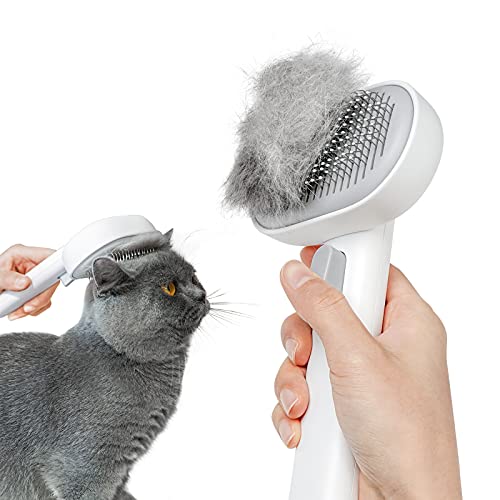
【Professional Cat Hair Brush】Perfect gift for pet owners, vets, and pet groomers. Using this cat brush for long haired cats on a regular basis can gently and effectively remove loose hair, tangles, knots, dander and trapped dirt. Suitable for short, medium or long, thick, thin or curly haired dogs/cats/rabbits, making your pets shiny and healthy.

Cat brushes for long haired cats and short haired cats

【Professional Pet Grooming Kit 】3 Pet grooming tools selected by pet lovers, which can meet daily all the grooming needs of pets. Let you, as the groomer, personally give your furry friend a shiny and healthy coat. This is a must-have beauty product set for pet lovers! The Best Dog Gifts - Merry Christmas
Frequently Asked Questions
Do Cats Stop Grooming Themselves When They’re Sick?
Yes, cats can stop grooming themselves when they’re sick. We must consider stress factors, age-related decline, and environmental influences too. If we notice changes in grooming behavior or appetite, seeking veterinary advice is essential.
Why Is My Cat Not Grooming Herself Anymore?
Our cat’s not grooming anymore could indicate several issues, including stress factors, environmental changes, or age-related issues. Observing her grooming habits and anxiety symptoms can help us understand her feline health and nutrition impact.
How Do You Tell if a Cat Is Nearing the End of Its Life?
We often see old age signs in our cats, like appetite decline and weight loss, alongside behavioral changes and shifting body language. Caregiver awareness of these factors can guide us in understanding their chronic pain and needs.
Why Isn’t My Cat Licking Himself?
If our cat isn’t licking himself, we should consider potential cat behavior changes, like feline arthritis impact or signs of stress. Exploring grooming alternatives can help maintain hygiene while addressing possible environmental stressors or skin condition effects.