As an Amazon Associate, we earn from qualifying purchases. Some links on this site are affiliate links at no extra cost to you. Our recommendations are based on thorough research and editorial judgment.


What to Do If You Cut Your Cat’s Nail Too Short

If we cut our cat’s nail too short and it starts bleeding, we should first stay calm and assess the situation. We must apply gentle pressure at the claw tip for several minutes, avoiding excessive force on the entire paw. If bleeding persists, we can use styptic powder or cornstarch to promote clotting. After stabilizing the wound, we should monitor for signs of infection, such as swelling or discharge, and explore further techniques for safer nail trimming.
Key Takeaways
- Stay calm and assess the injury, checking for bleeding and the condition of the quick.
- Apply gentle pressure to the claw tip for several minutes to stop any bleeding.
- Use styptic powder, cornstarch, or flour on the bleeding nail to promote clotting.
- Monitor the paw for swelling, pain, or signs of infection after the incident.
- Provide comfort to your cat with treats, praise, and extra affection to alleviate anxiety.
Stay Calm and Assess the Situation
When we accidentally cut our cat’s nail too short, the situation can be concerning; however, it is essential to stay calm and assess the injury accurately. First, we should check for any bleeding and examine the quick, as this will help us determine if immediate attention is necessary. If we notice bleeding, we can apply gentle pressure to the tip of the claw to minimize blood flow and prevent excess bleeding. Should bleeding persist, we can use styptic powder, cornstarch, or flour—applying it directly to the bleeding area promotes clotting. Afterward, we must monitor our cat closely for any behavioral changes, such as hiding or decreased activity, which may indicate pain or discomfort following the incident. Once the bleeding has stopped, we can apply an antimicrobial wound spray to help prevent infection and promote healing of the exposed quick.
Immediate First Aid for the Bleeding Nail
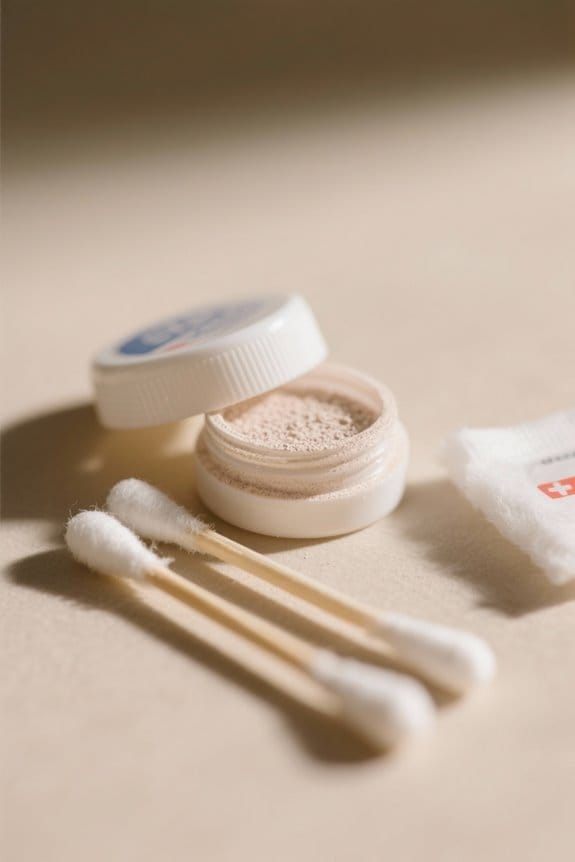
If you’ve noticed that your cat’s nail is bleeding due to a cut that was too short, immediate action is vital to manage the situation effectively. First, apply gentle pressure directly to the claw tip for several minutes to help stop the bleeding. Next, utilizing styptic powder directly on the bleeding nail can promote quick blood vessel contraction, or we can use cornstarch as an alternative if necessary. It’s critical to avoid pressing on the entire paw, as this can prevent increasing blood flow. After initial care, monitor the paw for any signs of swelling, pain, or infection, and guarantee we keep the wound clean. If the bleeding persists or our cat shows signs of severe distress, we should consult a veterinarian promptly. To prevent future nail injuries, consider providing corner cat scratchers that allow your cat to naturally maintain their claws at a healthy length.
Recommended Products

Fast-Acting Styptic Powder: Gimborn Kwik Stop Styptic Powder is a reliable solution for quickly stopping bleeding in dogs, cats, and birds caused by nail trimming accidents or minor cuts.

ALL-IN-ONE DOG NAIL BLEEDING SOLUTION: This complete business starter kit includes 3 STYPSTIX applicators and 3, 40 assorted-size nail cap kits. Perfect for dog groomers and owners who want a professional, easy-to-use solution to stop nail bleeds

Includes one 6 oz tub of Miracle Care Kwik Stop Styptic Powder; the Original styptic powder with Benzocaine for Pain Relief
Reassuring Your Cat After the Incident
Reassuring your cat after a nail-cutting incident is essential for restoring their sense of safety and trust in the grooming process. Immediately, we should offer treats and gentle praise to comfort our cat, reinforcing positive associations with grooming activities. Maintaining a calm demeanor is important, as our own anxiety can amplify their stress and distress. Allowing our cat the autonomy to explore the affected paw can help rebuild their confidence in us and their surroundings. Additionally, providing extra affection and quiet time can alleviate feelings of anxiety and distress they may experience post-incident. We must closely monitor their behavior for a few days, observing any signs of discomfort or changes that might indicate the need for further attention. If we notice persistent licking or irritation of the paw area, it’s important to consult a veterinarian, as some cats may experience skin irritation that requires professional attention.
Observing for Signs of Infection
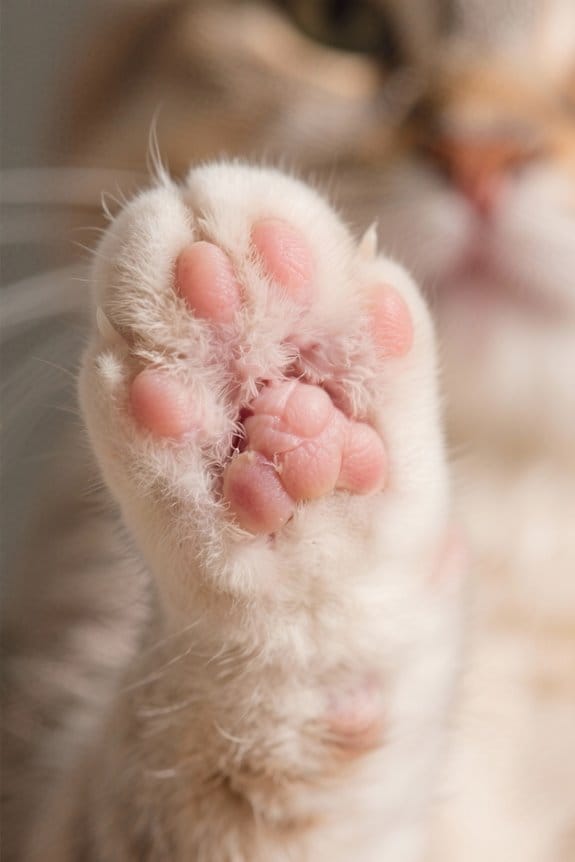
Following an incident where a cat’s nail has been cut too short, careful monitoring of the affected area is necessary to prevent complications such as infection. We should observe for any signs of swelling, redness, or discharge around the trimmed nail, as these can indicate potential infection development. It’s essential to regularly check the paw for excessive bleeding that won’t stop with pressure or styptic powder. Keeping the area clean and dry reduces infection risk, so we must discourage licking. During recovery, cat bathing wipes with hypoallergenic formulas can be useful for gently cleaning around the affected paw without causing additional stress or irritation. If our cat displays symptoms like lethargy, loss of appetite, or signs of discomfort, we must consult a veterinarian. Persistent or worsening symptoms require immediate veterinary evaluation to guarantee appropriate treatment is administered as soon as possible.
Recommended Products
EFFECTIVE FLEA TREATMENT FOR CATS – Our natural, fast-acting Pyrethrin Flea Shampoo provides a strong resistance to insects for both dogs and cats. An effective tick remover for dogs when diluted

5:1 CONCENTRATED SHAMPOO – Our Protein Lanolin Dog Shampoo is a tear-free, sulfate-free, baby-mild & coconut oil-based pet shampoo. The absorbable soy protein strengthens hair from tip to roots

QUALITY & DESIGN – 925 Sterling Silver; White Diamond Color: I-J; Clarity: I2-I3; Creation: Natural; Treatment: Not-treated; Round White Diamond(s) Weight: 0.20 Carat; Product Height: 23.80mm (0.94 inch); Model Number: K8240-925
Learning From the Experience
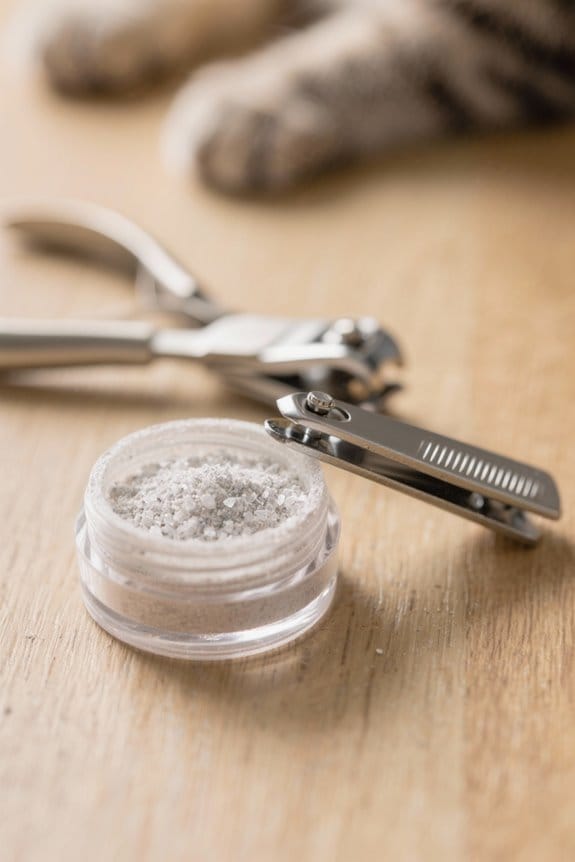
When we encounter the distressing scenario of cutting a cat’s nail too short, it is crucial to analyze the situation thoroughly to prevent recurrence. Learning from this experience involves identifying what went wrong, such as improper positioning or excessive pressure during trimming. Researching proper nail care techniques and understanding the anatomy of the cat’s nail can enhance our confidence and minimize the risk of overcutting in future sessions. Engaging with other cat owners, sharing experiences, and learning from their insights can further reinforce our knowledge. Additionally, tracking nail length and observing cat behavior can establish a regular trimming routine, reducing the likelihood of cutting the quick. Using positive reinforcement during grooming can improve cooperation and diminish anxiety for both our cats and ourselves. Investing in specialized tools like paw trimmers with LED lights can provide enhanced visibility in delicate areas, making it easier to identify the quick and avoid accidental cuts during future grooming sessions.
Future Nail Trimming Tips and Techniques
How can we guarantee a safer and more effective nail trimming experience for our cats in the future? First, we should regularly practice nail trimming every 1-2 weeks, focusing on the sharp tips and avoiding the quick, which is identifiable by its pink section within the nail. During the nail trimming process, we must keep an eye on our cats, observing their behavior to make sure they remain comfortable. When we trim one nail at a time, we can further reduce stress for our cats. Additionally, using educational resources, such as instructional videos, can enhance our techniques, building our confidence. It’s essential to prioritize these measures to maintain a consistent and safe approach to cutting their nails. After trimming sessions, consider switching to a low dust compostable cat litter to minimize respiratory irritation while your cat’s paws are more sensitive.
Recommended Products


Engineered Model-Specific Spare for your Chevrolet Malibu. Conveniently Fits Inside Trunk Tire Well With All Necessary Mounting Hardware Included

Complete Grooming: The furMe kit includes a Grooming Brush, Electric Clippers, De-Shedding Tool, and two specialized cleaning tools, providing a well-rounded grooming experience.
Frequently Asked Questions
What to Do if You Cut Your Cat’s Nail Too Short and It Bleeds?
If we accidentally cut our cat’s nail too short and see bleeding, let’s apply gentle pressure, use styptic powder or home remedies, and offer calming techniques. If bleeding persists, a vet visit is essential for our pet’s well-being.
How Long Does a Cat’s Nail Take to Heal?
A cat’s nail typically takes 1 to 3 weeks to heal. During this time, we should monitor nail care closely, watch for pain indicators, and practice proper trimming techniques for better grooming and nail maintenance.
What to Put on a Bleeding Cat’s Nail?
For cat nail bleeding, we should apply clotting powder or styptic gel from our emergency kit. Natural remedies can help too. Remember, using proper nail trimming techniques and preventive measures is essential for a smoother healing process.
What Happens if You Cut Your Cat’s Nails Wrong?
Cutting our cat’s nails wrong can feel like breaking a trust. We’ll notice discomfort and behavioral changes, so using proper tools, calming techniques, and frequent trims can prevent risk factors and guarantee a smoother grooming experience.