As an Amazon Associate, we earn from qualifying purchases. Some links on this site are affiliate links at no extra cost to you. Our recommendations are based on thorough research and editorial judgment.

Understanding and Fixing Litter Box Odor Problems

To effectively manage litter box odor, we must maintain cleanliness by scooping at least twice daily and changing litter every 1-2 weeks. Utilizing clumping litter and a depth of 3-4 inches enhances odor control. Consider odor-neutralizing products, such as baking soda or specific deodorizers, and scrub the box regularly with unscented soap to eliminate residue. Place the litter box in well-ventilated, quiet areas, ensuring it’s away from food. If issues persist, professional guidance can provide additional solutions.
Key Takeaways
- Scoop the litter box daily, ideally twice, to minimize odors and maintain cleanliness.
- Change the litter completely every 1-2 weeks to inhibit bacteria growth and reduce odors.
- Use unscented, clumping litter for optimal waste management while avoiding strong fragrances that deter cats.
- Ensure proper litter box placement in well-ventilated, quiet areas away from food and water bowls.
- Incorporate deodorizing agents like baking soda or commercial cat litter deodorizers to enhance odor control.
The Importance of a Clean Litter Box
You may be interested

10 Best Baking Soda Cat Litters to Keep Your Home Fresh and Clean
December 27, 2025

10 Best Bentonite Cat Litters for a Fresh and Odor-Free Home
December 27, 2025

Maintaining a clean litter box is essential not only for minimizing unpleasant odors but also for ensuring the overall health and hygiene of our feline companions. To effectively reduce litter box odors, we recommend regular scooping at least twice daily; this minimizes waste exposure, which greatly decreases odor buildup. Complete litter changes should occur every one to two weeks to keep your cat’s litter fresh and inhibit bacteria growth that causes foul smells. Additionally, placing the litter box in a well-ventilated area fosters air circulation and creates a more inviting space for our cats. For households seeking additional odor control, litter box deodorizers can help maintain freshness and extend the time between complete litter changes. Ultimately, keeping the litter box clean enhances living conditions for both us and our pets, encouraging consistent use and supporting their well-being.
Daily Maintenance for Odor Control
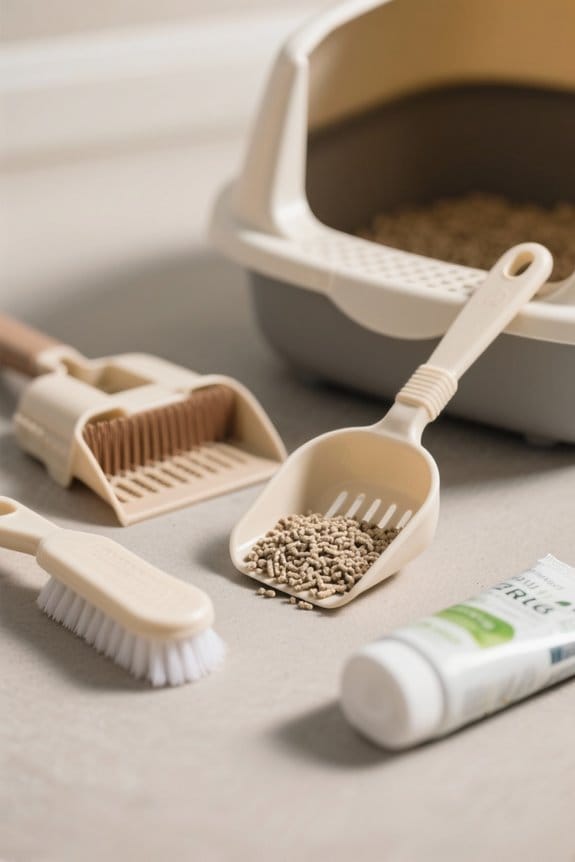
Daily upkeep of the litter box requires diligence and consistency to effectively manage odors and maintain a hygienic environment for both cats and their owners. We should scoop the cat litter box at least once each day, ideally twice, to minimize odors and prevent waste exposure. It’s vital to regularly monitor the litter condition between changes, ensuring it remains clean and odor-free, which encourages our cats to use it consistently. Completely changing the litter every 1-2 weeks is essential; during this process, we must wash the box using mild, unscented detergent to eliminate waste residue and prevent bacteria buildup. Between deep cleanings, consider using waterless cat shampoos to keep your feline fresh and reduce dander that can contribute to household odors. By integrating these daily maintenance practices, we effectively reduce odors and promote a healthier living space for both our cats and ourselves.
Choosing the Right Products

How can we guarantee our cats enjoy a comfortable and odor-free litter box experience? One key aspect is choosing the right litter. We should prioritize clumping litter, which excels at waste management, allowing us to maintain effective litter box maintenance by removing waste easily. Additionally, opting for litters specifically formulated for odor control enhances our ability to combat litter box smells. It’s vital to avoid scented varieties, as most cats prefer unscented options that prevent overwhelming odors. We should also experiment with different types of litter to find the best match for our cats’ preferences, ensuring they continue to use the litter box consistently, while optimizing odor control and maintaining a fresher environment long-term. For best results, maintain a recommended litter depth of 3-4 inches in the box, which allows for proper clumping and effective odor management.
Recommended Products

LONG-LASTING ODOR CONTROL. ARM & HAMMER Ultra Last Unscented Clumping Cat Litter includes Baking Soda granules with odor eliminators provide long-lasting odor control even when you can't scoop the kitty litter box daily

PREMIUM QUALITY: A combination of premium texture and granule size made with 100% bentonite clay for maximum clumping creates litter particles that are just the right size.
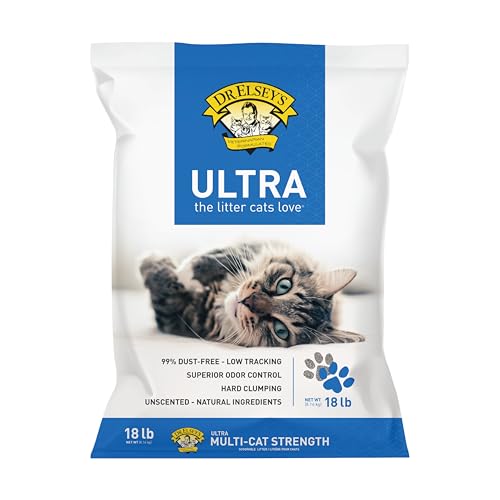
PREMIUM QUALITY: A combination of premium texture and granule size made with 100% bentonite clay for maximum clumping creates litter particles that are just the right size.
Does the Type of Litter Matter?
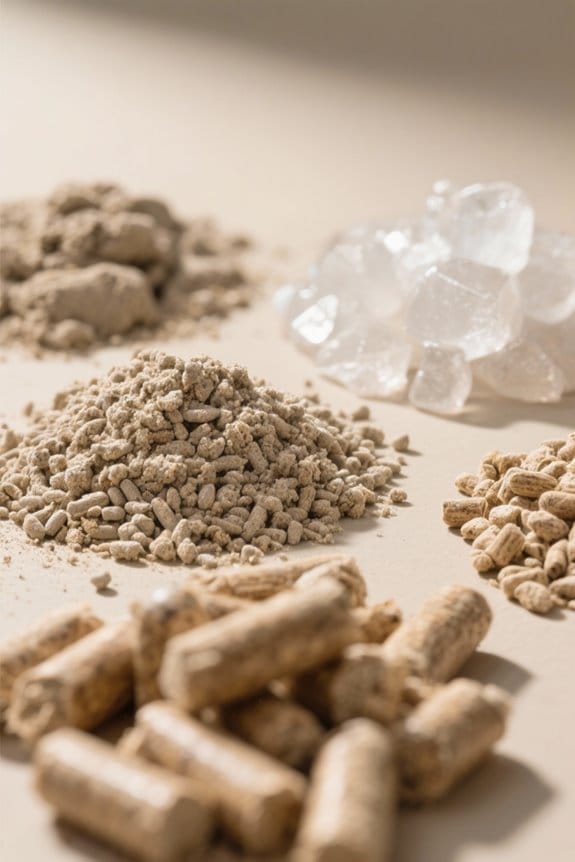
The type of litter we select greatly influences our cat’s overall comfort and the effectiveness of odor control in the litter box. Clumping litter tends to perform better, encapsulating waste and minimizing moisture exposure, reducing strong odors. In contrast, non-clumping litter usually necessitates more frequent cleanups, as it lacks this moisture containment, possibly leading to stronger odors if not maintained diligently. While some may opt for scented litters, it’s essential to recognize that many cats may be deterred by these fragrances, which can overwhelm their sensitive noses. Consequently, experimenting with different litter brands, focusing on reputable clay-based options, helps us identify which type of litter best meets our cat’s preferences while effectively controlling odors. For those with sensitivities, hypoallergenic formulations that are 99.9% dust-free can help reduce respiratory issues for both cats and their owners.
Recommended Products
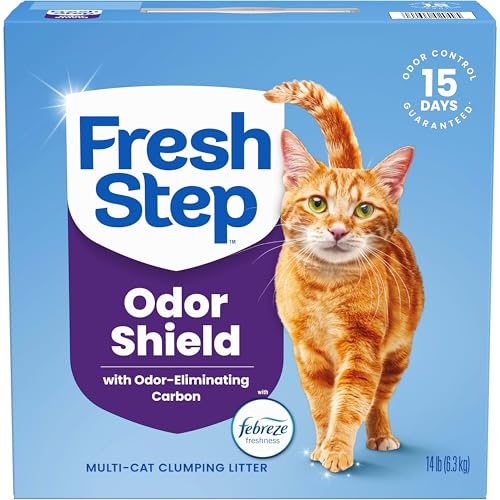
FRESH STEP CLUMPING CAT LITTER: One 14 lb. box of Fresh Step Multi Cat Clumping Litter, Extra Strength Formula With Febreze Freshness, designed for multi cat homes.

EASY CLEAN-UP LITTER: ARM & HAMMER Slide Platinum Clumping Kitty Litter forms rock-hard, scoopable clumps that slide right out to prevent sticking; no scrubbing, no scraping, so litter box duty is fast and simple

ONLINE EXCLUSIVE! Fill your cat litter box with the refreshing scent of fresh lavender fields with ARM & HAMMER Forever Fresh Lavender Clumping Cat Litter. This 18 lb. clumping cat litter odor control is only available online
Does the Type of Box Matter?
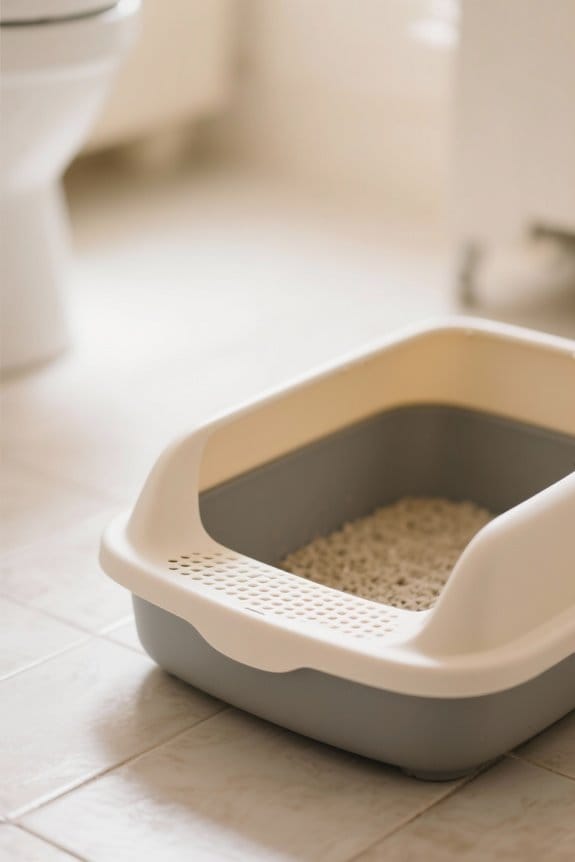
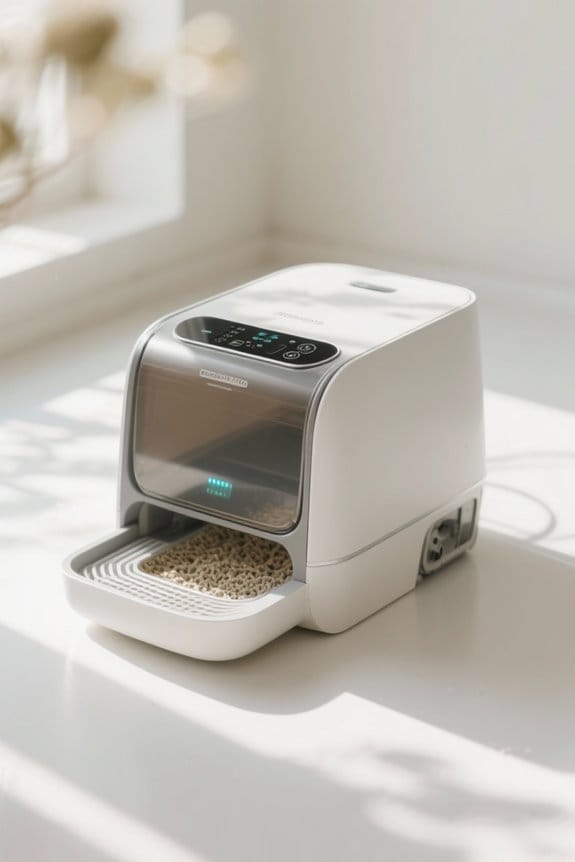
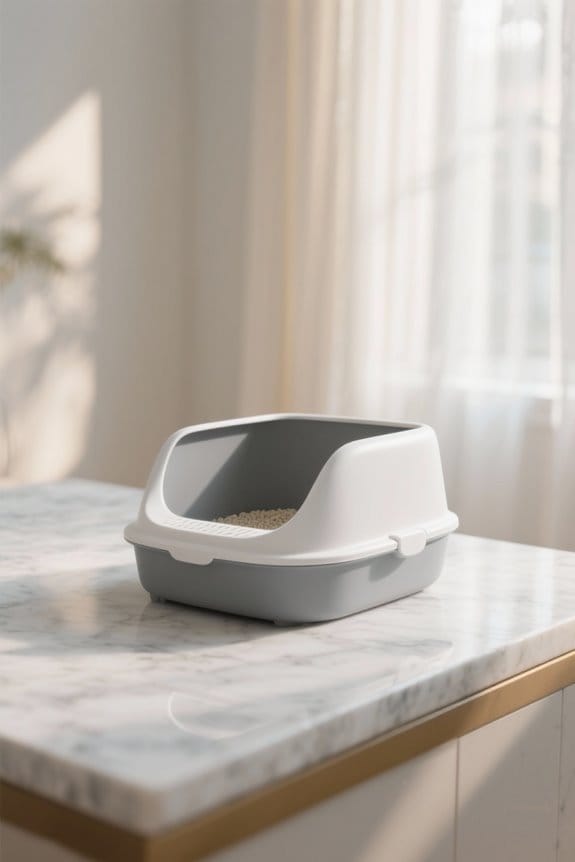
Selecting the right type of litter box is essential, particularly as it directly impacts our cat’s comfort and, ultimately, odor management. For optimum functionality, the box should be at least twice the length of your adult cat. Many of us may overlook covered litter boxes; however, they often trap odors and reduce ventilation, contributing to unpleasant smells. It’s vital to avoid plastic liners too, as they can snag your cat’s claws, allowing urine to accumulate underneath, which exacerbates odor problems. While self-cleaning litter boxes offer convenience, they may not align with all cats’ preferences. Alternatively, we can repurpose large plastic storage tubs, which can be modified into effective litter boxes that provide ample space, helping to manage odors more effectively and requiring less frequent litter replacement. If you do choose a covered design, look for models with built-in charcoal filters that actively absorb odors rather than simply trapping them inside the enclosure.
Recommended Products

STRONG COMPATIBILITY: Our activated carbon filter comes in three sizes—4.5'' x 6.5'' , 3.6'' x 10'', 2.5"D x 10.39"W x 0.2"H—designed to be compatible with various covered and dome-style cat litter boxes. If your litter box is not perfectly compatible, you can adjust the filter using DIY methods like cutting or taping to fit your needs. This ensures a flexible and versatile solution for multiple litter box systems.

HOODED ENCLOSURE: Provides privacy and helps prevent litter scatter and leaks from spraying.

Litter Box Filters: These cat little box filters are compatible with the hooded cat litter boxes and pans. The size is 6*6.5 inches. With a simple DIY, it fits most hooded litter boxes.
Location, Location, Location
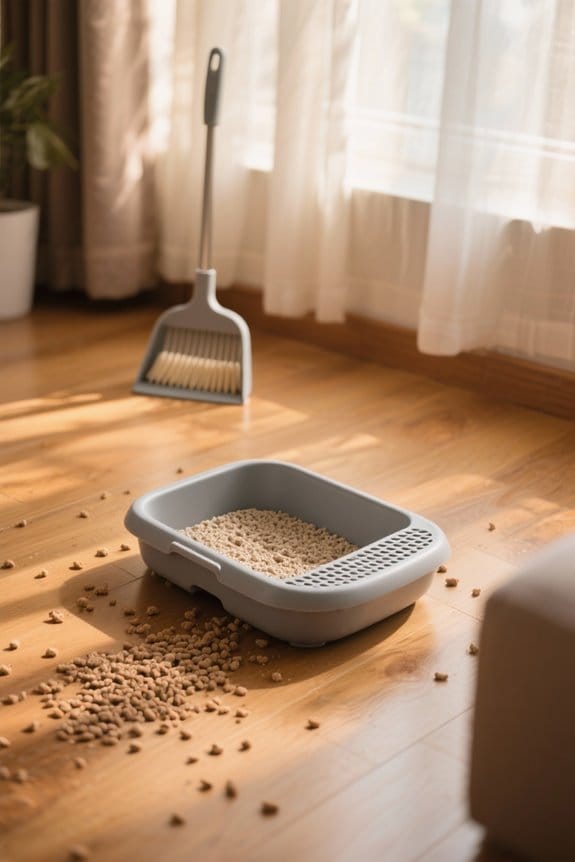
Choosing the right litter box is one part of the equation; considering its location is equally important for odor management and overall cat comfort. We should place litter boxes in well-ventilated areas to help dissipate odors, avoiding humid spaces like bathrooms that may exacerbate moisture and odor issues. Additionally, placing litter boxes in high-traffic areas can hinder our cats’ willingness to use them, so we must minimize disturbances by selecting quiet locations. This can also reduce stress and accidents outside the box. Furthermore, positioning litter boxes away from food and water bowls ensures better litter box hygiene and prevents contamination, further promoting our cats’ overall health. For households seeking additional odor control solutions, cat litter disposal systems with features like self-sealing bags and activated charcoal can effectively manage odors for up to 14 days. Each of these factors notably contributes to optimizing litter box functionality.
Number of Litter Boxes
In any household with cats, at least one litter box per cat, plus one additional box, is vital for promoting good hygiene and encouraging consistent use. For instance, if we have three cats, we should provide four litter boxes. This arrangement helps reduce competition among our cats, making them more likely to maintain healthy litter box habits. It’s important to place multiple boxes in separate, well-ventilated areas throughout the home, as this strategy minimizes odor concentration by distributing waste evenly. Additionally, regularly evaluating the number of litter boxes in relation to our number of cats allows us to adapt to their needs, ensuring that territorial disputes are less likely and hygienic conditions are maintained efficiently. For multi-cat households, self-cleaning litter boxes can significantly reduce the need for manual cleanup while maintaining hygiene between uses.
Regular Maintenance Tips
Maintaining a clean litter box is essential for odor control and the overall health of our cats. We should regularly scoop the litter box at least twice a day, which minimizes odors by reducing waste exposure. It’s vital to change the litter completely every 1-2 weeks, and during each change, we must clean the box using mild soap and water to maintain freshness. To further absorb odors, consider adding a thin layer of baking soda to the bottom before adding new litter, ensuring it’s used in moderation to avoid deterring our cats. Placing the litter box in a well-ventilated area also aids in odor dissipation, so avoid humid locations that affect litter’s moisture absorption. Using litter box liners with drawstring closures can simplify the cleanup process while providing an extra layer of protection against leaks and helping to contain odors more effectively. Regular maintenance is key.
Addressing Odor Issues
To effectively address odor issues associated with litter boxes, we must first evaluate our cleaning routines and make necessary adjustments based on the level of odor present. Regularly replacing litter is essential; ideally, we should replace it once a month, or more frequently if we have multiple cats contributing to the odors. When persistent odors remain even after cleaning, we’re advised to immediately replace the litter box itself, as surface scratches can harbor bacteria and amplify odors. Additionally, using products like Fresh Wave’s odor-removing gel, which needs replacement every 15 to 30 days, can further neutralize unpleasant scents. For enhanced odor control between litter changes, consider incorporating cat litter deodorizers that contain baking soda formulas or essential oils to effectively neutralize persistent smells. Monitoring odor levels helps us adjust our cleaning schedules and techniques, ensuring a fresher environment conducive to consistent litter box usage.
Recommended Products

REVOLUTIONARY CAT LITTER DEODORIZER: Advanced formula neutralizes tough litter box odors instantly while using plant-based, natural ingredients that keep your cat’s environment fresh and extend the life of any litter type.

ODOR CONTROL SUPPORT: These cat litter deodorizer crystals are designed to help absorb and neutralize common litter box odors, supporting a fresher smelling home environment while fitting easily into daily litter box maintenance routines

#1 CAT LITTER DEODORIZER BRAND*: Formulated with ARM & HAMMER Baking Soda Crystals to eliminate tough odors on contact and keep your litter box fresh longer (*Based on units sold)
Strategic Litter Box Placement
Choosing the proper location for a litter box is essential, as it directly influences a cat’s willingness to use it and the effectiveness of odor control. We should place litter boxes in a well-ventilated area to help dissipate odors. It’s crucial to avoid small enclosed spaces, which can concentrate smells and discourage usage. Litter boxes must also be located away from food and water bowls, minimizing contamination. A good rule of thumb for cat parents is to have one litter box per cat plus one extra, ensuring they’re strategically located in different areas of the home. Additionally, avoid humid areas like bathrooms, and choose quiet spots, free from heavy foot traffic, to provide security while ensuring easy access for the cat. Consider supporting your cat’s overall wellbeing with urinary health supplements, especially if they show signs of stress or discomfort related to litter box use.
Seeking Help and Sharing Information
As we navigate the complexities of litter box maintenance, seeking help and sharing information becomes paramount in ensuring our cats’ comfort and cleanliness. If our cat is avoiding the litter box, it’s essential to consult with a veterinarian or a feline behavior specialist, as this could signify underlying health or behavioral issues. Additionally, we should share our experiences and tips on effective litter box maintenance in online cat owner communities to build an extensive knowledge base. Utilizing social media platforms to discuss best practices for hygiene can greatly benefit our fellow pet owners. Participating in virtual training sessions with professional cat trainers allows us to receive tailored advice for specific litter box issues, and leveraging online resources enhances our understanding and upkeep practices.
Convenience and Cost-Effectiveness
When evaluating litter box options, we must consider both convenience and cost-effectiveness to guarantee ideal hygiene for our cats. Products like the ScoopFree® Fresh Crystal disposable trays streamline litter management by offering pre-portioned options, which minimize odor control issues and reduce cleaning time. Priced around $139.99 for six trays, they also decrease frequent litter purchases, making them economically viable for busy pet owners. In addition, self-cleaning litter boxes enhance odor control without manual maintenance. Incorporating cost-effective strategies, such as using baking soda to absorb odors or selecting litters with built-in deodorizers, greatly reduces both time and expenses related to litter maintenance, ultimately contributing to a cleaner environment for our pets and improving overall hygiene.
Recommended Products

📲 APP CONTROL: Manage and monitor your automatic litter box remotely through an intuitive app, providing real-time updates and control over the cleaning schedule. (Only 2.4G WIFI)
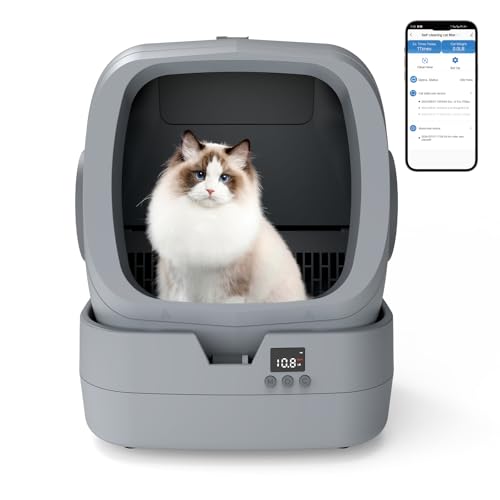
😸Perfect for medium-sized cats and kittens: This automatic cat litter box is ideal for medium-sized cats and kittens, making it a great choice for households with one or more cats. Product size: 19.84*18.23*22.44inch
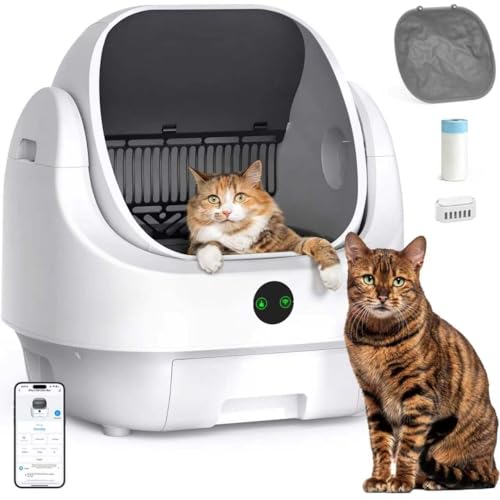
Self-Cleaning & Zero Scooping: Eliminates the need for daily scooping! After your cat exits, the self-cleaning litter box automatically cycles to separate waste and seal it into a sealed waste compartment. The generous 9L waste bin holds up to 10 days of waste(1 cat), allowing you to enjoy a fresher home—with no scooping required
Long-Term Litter Box Management
To maintain a hygienic environment for our cats, we should prioritize long-term litter box management strategies that effectively control odors. First, we need to establish a cleaning schedule, which includes daily scooping and complete litter changes every 1-2 weeks, ensuring the litter remains fresh. It’s important to experiment with different types of clumping litter, as each brand has varying effectiveness in reducing odor. We should also use odor elimination products, like baking soda or enzymatic cleaners, to tackle persistent smells. Additionally, the litter box should be placed in well-ventilated areas away from food and high-traffic zones to promote airflow. Finally, regularly assess our litter boxes and replace them every 1-2 years to prevent bacteria buildup and surface scratches.
Frequently Asked Questions
How Do I Get My Litter Box to Stop Smelling?
To stop our litter box from smelling, we should use high-quality litter and odor neutralizers, guarantee frequent cleaning, choose the right litter box materials, and place it in a well-ventilated area for best results.
What Is the Golden Rule for Litter Boxes?
The golden rule for litter boxes? It’s one box per cat plus one extra! With proper litter box maintenance, ideal litter choice, and cleaning frequency, we can keep odors at bay and our feline friends happy.
Why Does My Cat’s Litter Box Smell Even After Cleaning?
Our cat’s litter box smells even after cleaning due to improper maintenance and cleaning frequency. By exploring litter types comparison and implementing odor control tips, we can improve cat health and minimize unpleasant odors together.
How to Stop a House From Smelling Like a Litter Tray?
To stop our homes from smelling like a litter tray, let’s commit to daily litter box maintenance, utilize odor neutralizers, choose the right litter types, and adjust our cleaning frequency to match our cat’s behavior.