As an Amazon Associate, we earn from qualifying purchases. Some links on this site are affiliate links at no extra cost to you. Our recommendations are based on thorough research and editorial judgment.


Understanding the Quick in Cat Nails: Anatomy and Safety

Understanding the quick in cat nails is essential for safe grooming. The quick, a sensitive pink tissue containing nerves and blood vessels, is located within each claw. We should only trim the transparent, curved tip of light-colored nails, while dark nails require cautious assessment. Regular trims every 2-4 weeks minimize pain and bleeding risks associated with accidental cuts. We must equip ourselves with proper tools, like precision clippers, and consider additional care techniques for maintaining ideal claw health. Further guidance awaits our exploration.
Key Takeaways
- The quick is the sensitive pink tissue in a cat’s claw, containing blood vessels and nerves critical for claw health.
- Light-colored claws show a visible quick, while dark claws require careful trimming to avoid cutting the quick.
- Regular nail trimming every 2-4 weeks helps prevent misalignment and discomfort while keeping claws at a manageable length.
- Use specific cat nail clippers and focus on trimming only the transparent, curved tip of the claw to avoid injury.
- Keep styptic powder handy to quickly address any accidental cuts to the quick, ensuring your cat’s safety during trimming.
The Importance of Understanding the Nail Quick
Understanding the nail quick is vital for any cat guardian, as ignoring its role can lead to significant discomfort for both the cat and the handler. The quick, which is the sensitive pink tissue at the center of a cat’s claw, contains blood vessels and nerves essential for claw health. During trimming, spotting the quick is imperative; cutting this sensitive tissue can cause immediate pain and bleeding. Light-colored cat nails generally reveal a visible quick, while dark nails require vigilance to prevent accidental cutting. We must practice responsible trimming techniques, always prioritizing safety. By regularly identifying the quick’s location, we guarantee our cats remain comfortable during nail trims, minimizing the risk of injury for both parties involved. Using baby oil to highlight the quick before trimming can help make it more visible and reduce the risk of cutting too close.
Recommended Products

Vet-Designed for Low-Stress Handling – Created by a veterinarian to help cats feel secure during routine care without scruffing or force.

Includes one 6 oz tub of Miracle Care Kwik Stop Styptic Powder; the Original styptic powder with Benzocaine for Pain Relief

SQUEEZE UP TREATS WITH HEALTH BENEFITS - Easy-to-feed cat treats with fiber-rich seaweed for digestive gut health and flaxseed for healthy skin and coat
Anatomy of Cat Claws
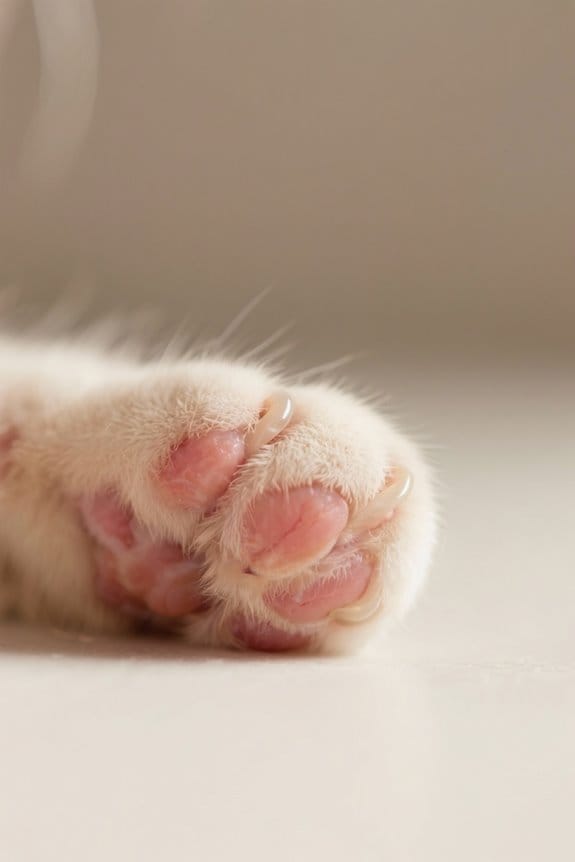
The anatomy of cat claws is a fascinating blend of structure and function, essential to a cat’s survival and agility. Each cat possesses 18 claws—five on each front paw and four on the back. These claws, composed of keratin, provide the necessary strength for climbing and hunting. A retractable mechanism, supported by the third phalanx bone, protects the claws when not in use. Within each claw lies the quick, which contains critical blood vessels and nerves, making it imperative for claw health. Regular trimming is important, as long claws can misalign, leading to discomfort or mobility issues. Prioritizing safety during trimming will help avoid injury to both the cat and the person performing the task. Just as regular grooming sessions promote healthier coats and help identify potential health issues early, consistent claw maintenance contributes to overall feline wellbeing. Consequently, understanding this anatomy benefits everyone involved.
Identifying the Quick: A Visual Guide
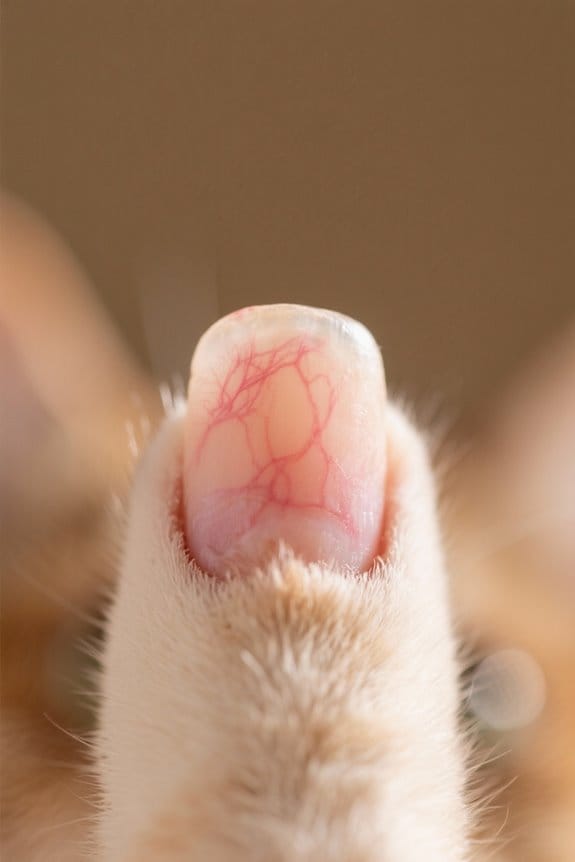
Identifying the quick is a necessary skill for any cat owner involved in nail trimming. The quick, a pink and sensitive tissue found at the center of each claw, contains crucial blood vessels and nerves. For owners of cats with light-colored claws, the quick is often a visible triangular pink stripe that serves as a reliable guide during trimming. Conversely, with dark-colored claws, the quick is more challenging to see, making it essential to avoid cutting too close. Cutting into the quick can cause pain and bleeding, highlighting the importance of trimming only the transparent, curved tip of the claw, while ensuring that the cat’s claws remain healthy and well-maintained. Using trimmers with built-in safety guards can help prevent accidentally cutting too deep and injuring the quick. Safe practices protect both you and your cat.
Recommended Products

About Runtime: Provides approx. 15–20 mins runtime at recommended Level 1–2, enough for a full pet grooming session. The rear ring light turns red at low battery but remains usable before auto stop. The ring light pulses white while charging and stays solid white when fully charged.

ULTRA QUIET OPERATION. Producing only 30–37 dB, this electric grooming tool works so silently it’s barely noticeable, helping to keep your pet calm and reduce grooming-related anxiety.

EASY TO USE, NAIL GROOMING KIT SOLUTION: This pet nail grinder for dogs provides a safe and gentle alternative to pet nail clippers or a dog nail file. It includes everything novice and experienced groomers need to trim their pet's claws at home
Techniques for Safe Nail Trimming
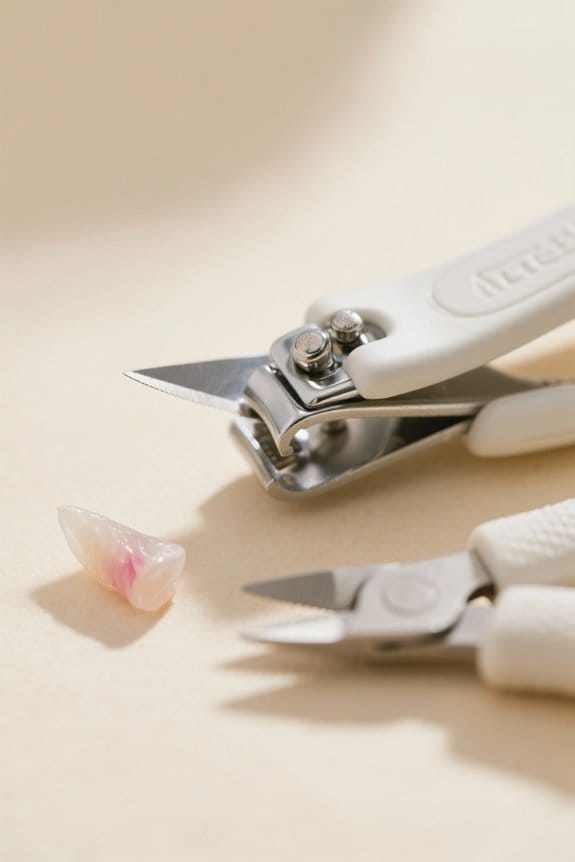
Before we begin the nail trimming process, it’s indispensable that we gather the correct tools and prepare our environment to guarantee safety and efficacy. We should use cat nail clippers designed specifically for our feline friends to ensure a clean cut, minimizing the risk of splintering. When we trim cat nails, we need to focus on the transparent, curved tip while being cautious to avoid cutting the quick, the pink tissue containing blood vessels and nerves. It’s advisable to conduct regular nail trimming every 2-4 weeks, depending on our cat’s activity level. Additionally, keeping styptic powder nearby can mitigate bleeding if we accidentally clip into the quick while trimming your cat’s claws. Safe nail trimming practices are vital for our cat’s well-being. After trimming sessions, rewarding your cat with high-quality canned food can create positive associations with the grooming process and support their overall health.
Recommended Products

Contains Six 0.5 oz bottles of the Original Kwik Stop Styptic Powder; The top choice on the market for swiftly and efficiently managing minor bleeding resulting from nail and claw clipping, wing trimming, tail docking, as well as minor superficial cuts

Our Medistyp Styptic Powder stops the pain and bleeding caused by minor nicks and cuts

COMPLETE NAIL GROOMING KIT: Includes our USA-made guillotine nail trimmer, a replacement cutting blade, fast-acting styptic powder to quickly stop minor bleeding, and a finishing file to smooth rough edges.
Tips for Maintaining Healthy Cat Claws
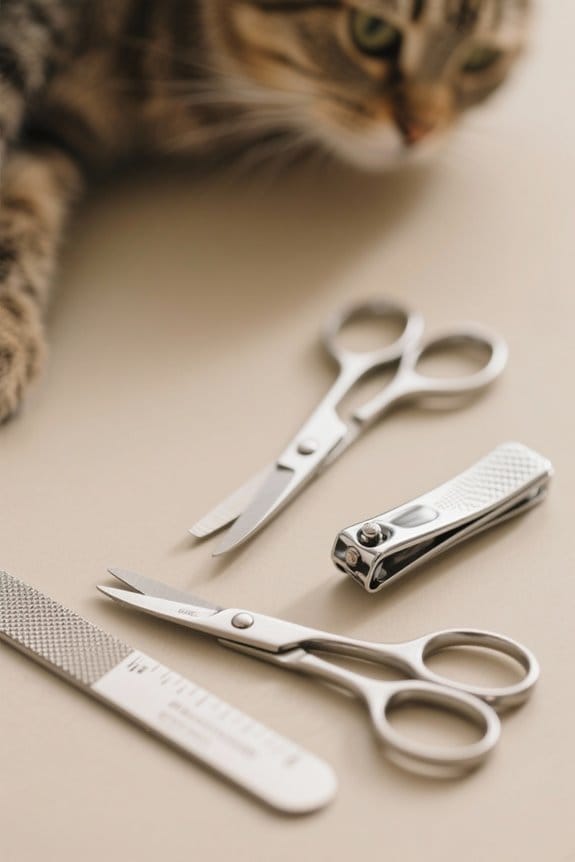
Maintaining healthy cat claws is essential for preventing discomfort and promoting overall paw health, especially since overgrown nails can lead to injury or infection. Regular nail trimming every 2-4 weeks is vital to achieve this goal, as it helps keep the nails at a manageable length and reduces the risk of cutting into the quick, where blood vessels are located. We should also provide multiple scratching posts of varying materials; this encourages natural claw maintenance, allowing our cats to trim their nails naturally. Additionally, ensuring a clean environment can prevent dirt accumulation around the claws, which promotes hygiene. For cats with longer fur around their paws, using precision-cut blades designed for delicate areas can help safely trim excess hair that may interfere with claw health. Finally, regular maintenance involves monitoring for signs of infection or injury around the claws, allowing us to address issues promptly and maintain healthy claws.
Tools Essential for Nail Trimming
When it comes to successfully trimming a cat’s nails, having the right tools is crucial for a safe and effective process. A high-quality cat nail trimmer, whether scissors-style or guillotine-style, guarantees clean cuts, helping us avoid cutting too close to the quick. Styptic powder should be readily available during the nail trimming process, as it quickly stops any bleeding from accidental cuts. Additionally, an electric nail grinder can smooth claw edges after clipping, potentially reducing stress for some cats. To create a positive association with this activity, we can reward our feline friends with wet food or high-value treats. Finally, use a towel for the “Kitty Burrito” method to comfortably secure and restrain anxious cats during the trim. Just as selecting the right cat litter scoop involves considering ergonomic features to reduce wrist strain, choosing nail trimmers with comfortable handles can help prevent hand fatigue during grooming sessions.
Recommended Products

PROFESSIONAL GRADE GROOMING: Engineered to glide through thick coats effortlessly. The tapered pins feature rounded, smooth tips to prevent skin irritation, making grooming a comfortable, painless experience for your pet.

pet nail trimmer

For cutting nails of breeds above 5 kg
What to Do in Case of Accidental Quick Cuts
Accidentally cutting the quick of a cat’s nail can be distressing, but swift and appropriate action can effectively mitigate the situation. First, if we notice that the quick is the pink and starts to bleed, we must apply styptic powder or cornstarch directly to the area in order to stop the bleeding. We should maintain a calm demeanor, as our anxiety can further distress the cat. Gently holding the paw elevated will help minimize blood flow until the bleeding ceases, which typically takes a few minutes. It’s essential to observe for any signs of excessive pain or prolonged bleeding. If bleeding continues for more than a few minutes, we should consult a veterinarian to assess potential damage to blood vessels and nerves. After addressing the immediate bleeding, we should keep the affected paw clean and dry for at least 24 hours, similar to how waterproof flea treatments require time to properly set before exposure to moisture.
Frequently Asked Questions
How to Identify the Quick in a Cat’s Nail?
Did you know that 70% of cat owners struggle with nail trimming? To identify the quick, we should observe nail length and color, using safe tools and incorporating gentle techniques to guarantee our cats’ comfort and health.
What Happens if I Accidentally Cut My Cat’s Quick?
If we accidentally cut our cat’s quick, we might see quick bleeding and signs of pain. We should use calm cat techniques, apply first aid, and consider safe nail clippers for future maintenance and stress management.
Do Cat Nails Have Quicks?
Yes, cat nails have quicks, essential for their nail health. By following safe trimming practices and understanding cat behavior, we can guarantee proper nail care and avoid common nail issues while exploring cat claws effectively.
Do Vets Recommend Cat Claw Caps?
Yes, vets recommend cat claw caps as a humane alternative, balancing pros and cons. While effective in minimizing damage, they don’t replace nail trimming. Safety precautions are key to guarantee comfort and maintain healthy cat behavior.