As an Amazon Associate, we earn from qualifying purchases. Some links on this site are affiliate links at no extra cost to you. Our recommendations are based on thorough research and editorial judgment.


Understanding Cat Body Language During Grooming Sessions

Understanding cat body language during grooming sessions is vital for both the cat’s comfort and the effectiveness of grooming techniques. We must observe signs of comfort, like a relaxed posture and slow blinking, alongside indicators of distress, such as flattened ears and tensed bodies. Employing slow, gentle handling, along with positive reinforcement strategies, including treats and praise, can help us create a stress-free experience. Additionally, recognizing signs of anxiety allows us to adjust our approach effectively. Continue with us to explore further techniques that enhance this process.
Key Takeaways
- Recognize relaxed body posture and slow blinking as signs of comfort during grooming sessions.
- Monitor tail position: high wagging tail indicates happiness, while low or flicking tail suggests agitation.
- Flattened ears and dilated pupils signal distress, requiring immediate adjustments to grooming techniques.
- Utilize gradual desensitization to grooming tools for increased comfort and reduced anxiety.
- Implement positive reinforcement, such as treats and praise, to encourage calm behavior during grooming.
Importance of Understanding Cat Body Language
You may be interested


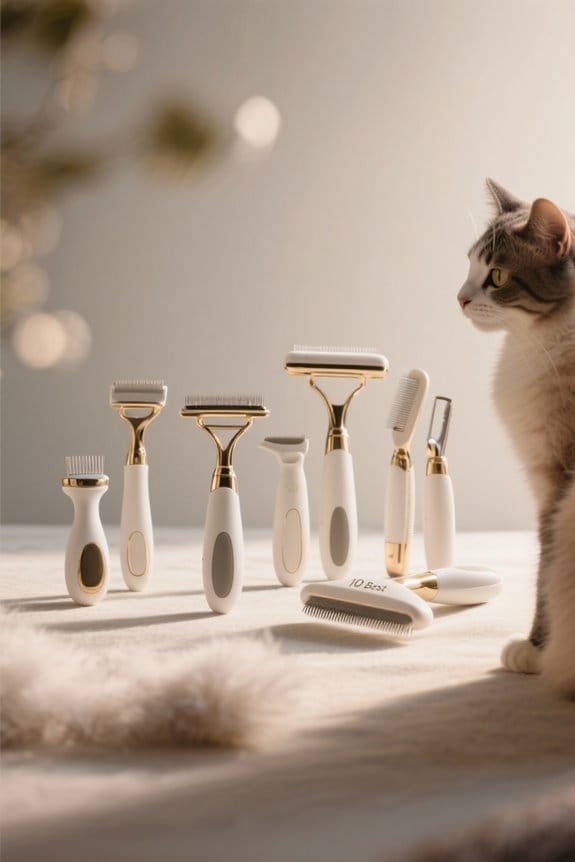
Understanding cat body language is essential for ensuring both the cat’s comfort and the effectiveness of grooming sessions. For successful grooming, we must recognize signs of stress, such as flattened ears and a tensed body, as well as signs of relaxation, like a relaxed posture and slow blinking. By identifying these signals, we can adjust our techniques to accommodate our feline companions’ emotional states. This awareness not only enhances the grooming experience but also strengthens our bond, building trust over time. Additionally, recognizing micro-cues, including whisker position and tail movement, allows us to interpret our cat’s emotional state more accurately. Observing your pet for signs of discomfort during grooming allows you to adjust techniques as necessary, ensuring a positive experience with appropriate grooming tool selection for your cat’s specific needs. Ultimately, a consistent approach informed by understanding cat body language leads to a stress-free experience for both parties.
Signs of Comfort and Discomfort
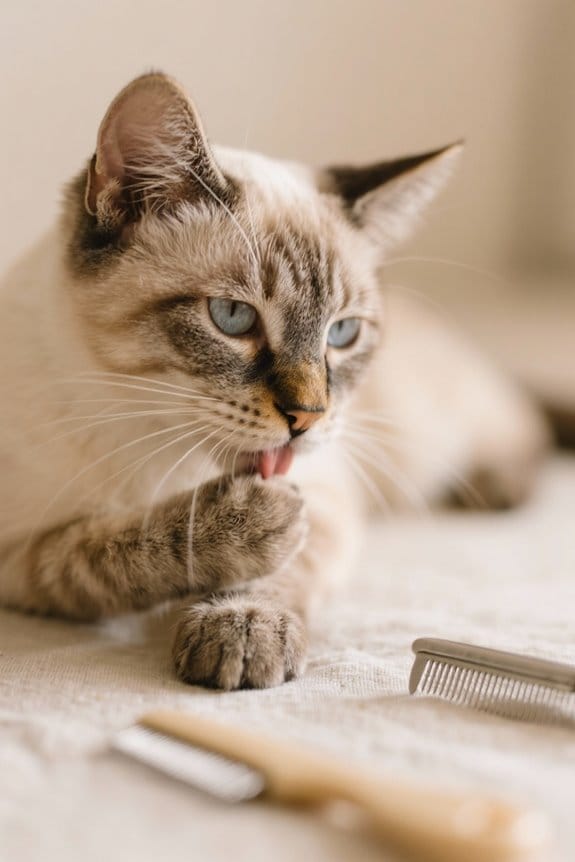
When examining signs of comfort and discomfort in cats during grooming sessions, it’s vital to pay attention to their body language. A relaxed body posture, with a loose stance, typically indicates that a cat feels at ease. Conversely, tail movements provide significant insights; a tail held high and wagging signifies happiness, while a low or flicking tail points to agitation. Flattened ears against the head clearly suggest unease, necessitating adjustments in our grooming techniques. Additionally, slow blinking can indicate trust, fostering a positive association. However, dilated pupils and tense body posture serve as stress signals, prompting immediate breaks to guarantee the cat remains comfortable. Recognizing and interpreting these behaviors are fundamental for a successful grooming experience. If you need to transport your cat to a professional groomer, consider using a carrier with mesh panels to ensure proper airflow and reduce anxiety during travel.
Recommended Products

Pet Backpack Dimensions: 12.6" L x 11.4" W x 16.5" H. Perfect for dogs up to 15-pounds, or cats up to 18-pounds. Easily fits cats, small dogs, and most other small/medium-sized pets! Please make sure your pet sits within 14.5 inches overall height and 12 inches wide
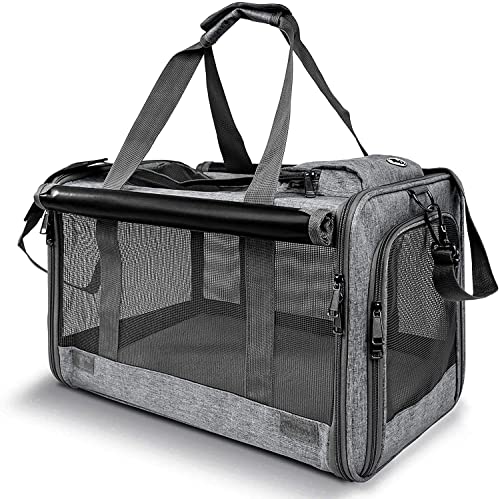
【Dimensions】LARGE SIZE pet carrier for medium, large cats or small dogs, HIGHER AND WIDER than other carriers on market, Recommended max load of 20 lbs (9 kg). Measures: 18.1"L x 11.8"W x 11.8”H. Please don't choose the carrier only based on weight but also reference your pet's length and height.
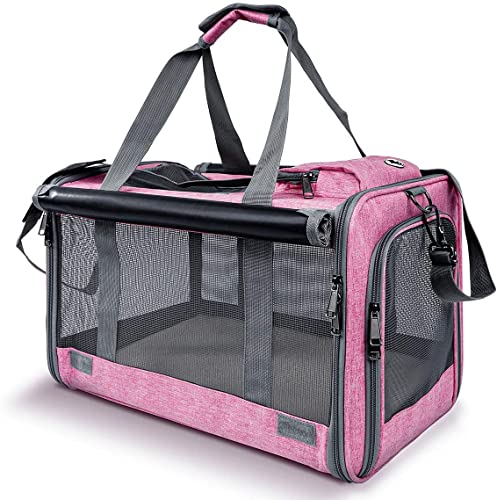
【Dimensions】LARGE SIZE pet carrier for medium, large cats or small dogs, HIGHER AND WIDER than other carriers on market, Recommended max load of 20 lbs (9 kg). Measures: 18.1"L x 11.8"W x 11.8”H. Please don't choose the carrier only based on weight but also reference your pet's length and height.
Handling Techniques for Stress-Free Grooming

Effective handling techniques for stress-free grooming are essential to guarantee our cats receive the care they need without escalating anxiety. When we approach grooming, we should adopt a slow and gentle approach which allows our cats to acclimate efficiently. Incorporating gradual desensitization to grooming tools fosters a sense of safety, making it easier for our cats to cooperate. During grooming sessions, we’ll utilize consent micro-pauses—brief breaks—to assess our cat’s comfort level, which will help maintain a calm environment. We must observe signs of discomfort through cat body language, responding appropriately to their physical cues. Consistent handling techniques, paired with gentle petting and reassurance, will help build trust, ultimately creating a more successful grooming routine for both us and our cats. Using tools with ergonomic handles can prevent hand strain during longer grooming sessions, allowing us to maintain the patient, calm demeanor our cats need.
Recommended Products

【Easy Desheding】: Swihauk self cleaning dog brush for long haired dogs with release bottom helps effortlessly reduce shedding. A must have dog brush for short haired dogs, cat brush for indoor cats, cat brush for shedding, slicker brush for dogs.
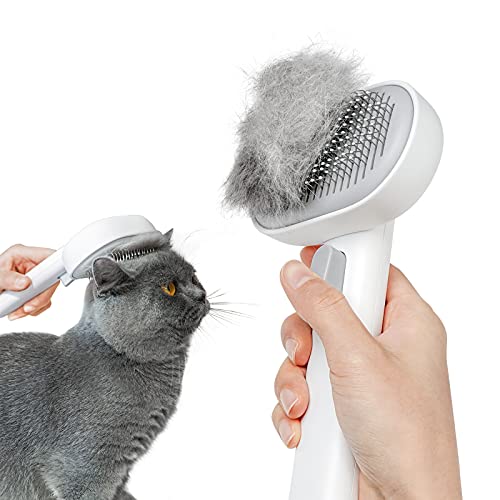
【Professional Cat Hair Brush】Perfect gift for pet owners, vets, and pet groomers. Using this cat brush for long haired cats on a regular basis can gently and effectively remove loose hair, tangles, knots, dander and trapped dirt. Suitable for short, medium or long, thick, thin or curly haired dogs/cats/rabbits, making your pets shiny and healthy.

Cat brushes for long haired cats and short haired cats
Positive Reinforcement Strategies
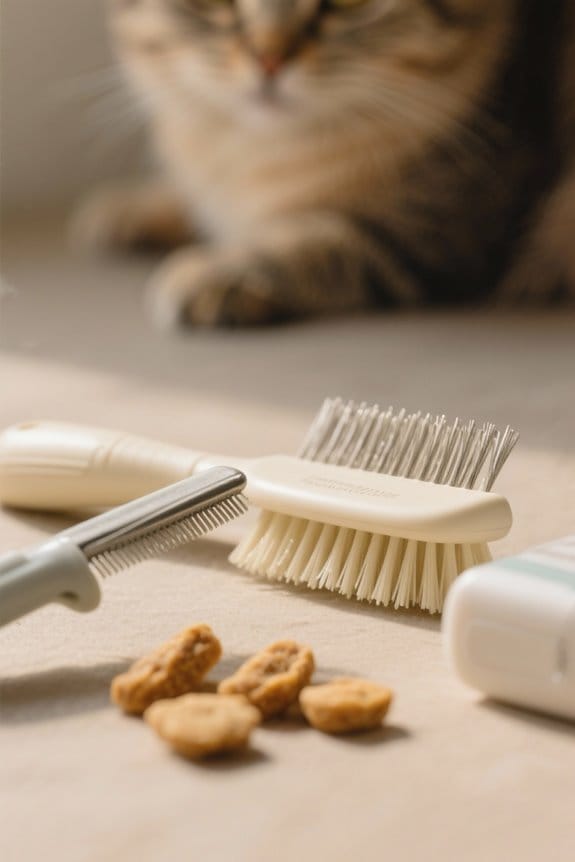
To promote a positive grooming experience for our cats, we can implement positive reinforcement strategies that create a calm and cooperative atmosphere during sessions. First, we should begin with short grooming sessions lasting just a few minutes, gradually extending this time as our cat feels more comfortable. During these sessions, it’s essential to incorporate clicker training; this method reinforces calm behavior and builds positive associations. As we notice signs that our cat is relaxed, such as a relaxed body posture or a still cat’s tail, we must immediately reward this behavior with treats, praise, or gentle petting. Using a calm, soothing voice throughout the process helps reduce anxiety, fostering a positive environment that encourages cooperation and confidence while preventing excessive grooming behavior. Additionally, selecting grooming tools with low noise levels can significantly minimize stress for cats during these sessions, making the experience more pleasant for both pet and owner.
Recommended Products

IRRESISTIBLE FLAVOR FOR PICKY CATS: Even the choosiest cats will crave the delicious combo of real tuna and pumpkin in every bite; With a rich, satisfying crunch and mouthwatering flavor, these treats keep picky eaters excited for treat time

【Train Like a Pro】Heouvo dog treat pouch and clicker kit are designed to help you train your dog like professionals. With easy access to your pet's favorite treats and a training clicker to supercharge your training sessions, you'll see better results in no time

EASY TO USE - Simple push button with distinct clicking sound.
Recognizing and Addressing Anxiety and Fear
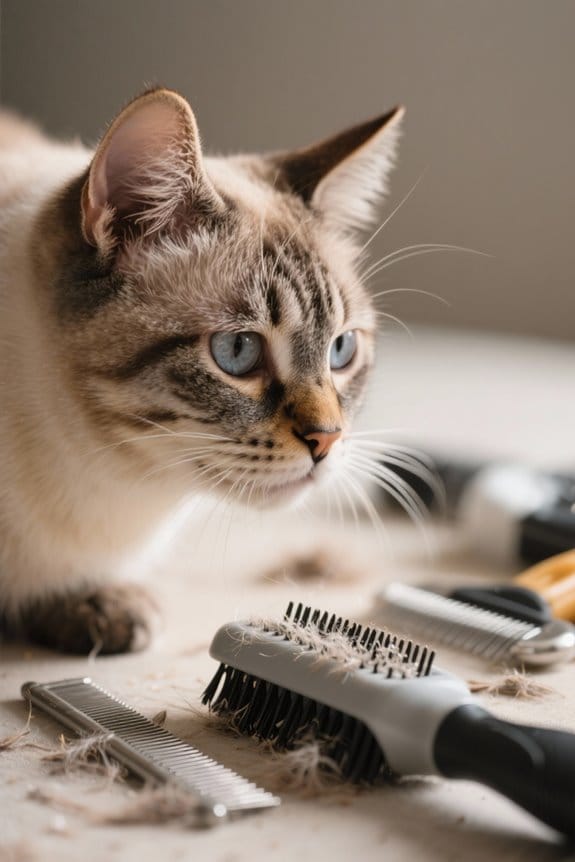
Recognizing signs of anxiety and fear in our cats during grooming sessions is essential for fostering a safe and cooperative environment. We should be attentive to body language signs, such as flattened ears, dilated pupils, and a low tail, which indicate a cat is feeling threatened. When a cat exhibits stress, we may notice tensed muscles or attempts to escape, prompting us to provide breaks to alleviate this anxiety. Gradually introducing grooming tools can desensitize our cats and reduce vulnerability. Furthermore, focusing on the cat’s whisker position can give insights into their mood. Finally, utilizing positive reinforcement—treats and praise for calm behavior—can considerably decrease anxiety, encouraging a more cooperative grooming experience overall. Just as voice recording features in automatic feeders can comfort cats during mealtimes by providing familiar sounds, speaking to your cat in a calm, reassuring voice during grooming can help reduce anxiety and create positive associations with the experience.
Frequently Asked Questions
What Is the 3-3-3 Rule of Cats?
The 3-3-3 rule describes cat behavior during adjustment: three days of stress signals, three weeks of exploring, and up to three months for confident interactions. We’ll notice changes in grooming habits and feline communication throughout this journey.
How to Tell Which Cat Is Dominant in Grooming?
To tell which cat’s dominant during grooming, we should watch for dominance signals like body posture, playful interactions, and grooming preferences. Confident postures indicate authority, while flattened ears may suggest submission in territorial disputes.
How Do I Read My Cat’s Body Language?
To read our cat’s body language, we should observe their tail movements, ear positions, and whisker orientation. Purring habits, kneading signs, and eye contact also reveal valuable feline signals about their comfort and mood.
Do Cats Interpret Petting as Grooming?
Did you know 75% of cat owners say their feline friends enjoy petting as a form of grooming? Understanding our cats’ petting preferences helps us build trust and strengthen social bonds while avoiding grooming anxiety and stress indicators.