As an Amazon Associate, we earn from qualifying purchases. Some links on this site are affiliate links at no extra cost to you. Our recommendations are based on thorough research and editorial judgment.

Understanding the Link Between Hairballs and Digestive Health

Understanding the link between hairballs and digestive health in cats is essential for preventing complications. Hairballs, or trichobezoars, form when ingested fur accumulates in the gastrointestinal tract, often due to excessive grooming or poor gut motility. This can signal underlying digestive issues, such as blockages or imbalances in gut bacteria. Veterinary advice should be sought if a cat frequently regurgitates hairballs or exhibits lethargy. To further address these concerns and improve your cat’s health, acquiring knowledge on effective grooming and diet strategies can be beneficial.
Key Takeaways
- Ingested hair can accumulate, leading to hairballs, indicating potential digestive health issues such as impaired gut motility or blockages.
- A balanced gut microbiome is essential for digestion; disruptions may result in hairball formation and digestive problems.
- A fiber-rich diet and hairball control foods help move hair through the gastrointestinal tract, promoting digestive health and reducing hairball risk.
- Regular grooming reduces loose fur ingestion, thus lowering hairball occurrence and contributing to better overall digestive health.
- Signs like frequent regurgitation, lethargy, and appetite changes indicate digestive issues, requiring veterinary attention for potential blockages or health concerns.
What Are Hairballs?
You may be interested
10 Best Cat Flea Treatments of 2026 - Keep Your Feline Friend Pest-Free
September 16, 2025
10 Best Ear Mite Treatments to Keep Your Pet Comfortable and Healthy
September 16, 2025
Hairballs, or trichobezoars, are a common phenomenon we encounter in our feline companions. These clumps of hair form in a cat’s gut when ingested fur accumulates and mixes with digestive juices. Cats groom themselves frequently, using their backward-slanted tongue to remove loose hair. This hair typically passes through the digestive system, but when it doesn’t, it can lead to hairballs, which may vary in size from one to five inches. While the occasional hairball is normal, frequent regurgitation of hairballs may indicate underlying digestive health issues. Persistent gastrointestinal problems can lead to difficulty in eliminating hairballs, necessitating veterinary evaluation to avoid complications, such as blockages, which can be harmful if not addressed promptly. Hairball incidence is particularly common in long-haired cats due to their grooming habits and the amount of fur they ingest during regular grooming sessions.
How Hairballs Form in Cats

Understanding how hairballs form in cats involves recognizing the grooming habits and physiological characteristics unique to our feline companions. Cats, particularly those with long hair, groom themselves frequently, using their tongues, which contain tiny hook-like structures called papillae, that effectively grip and ingest loose fur. While most hair passes through the digestive system without issue, some can accumulate over time, clumping together to form hairballs. These hairballs may eventually be regurgitated, especially when excessive grooming occurs due to anxiety or allergies. If not addressed, large hairballs can lead to serious health risks, including gastrointestinal blockages, requiring surgical intervention. Maintaining our cats’ digestive health is essential for reducing the formation of hairballs and preventing potential complications. Providing moisture-rich cat food can support proper hydration and help facilitate the passage of ingested hair through the digestive tract more effectively.
Causes and Risk Factors for Hairballs

Several factors contribute to the formation of hairballs in cats, making it essential for us to understand these causes and risks to maintain their digestive health. Primarily, hairballs form when cats groom themselves, ingesting loose fur that gets trapped in the stomach. Longhaired breeds, like Persians and Maine Coons, face higher risks due to their abundant fur. Excessive grooming, often triggered by stress, boredom, or underlying medical conditions, increases hair ingestion, elevating hairball risks. Additionally, aging cats may develop more refined grooming techniques, which can inadvertently lead to more hairball occurrences. Health conditions, such as inflammatory bowel disease or food allergies, can diminish digestive health, further complicating a cat’s ability to expel hairballs effectively, making proactive care crucial. Since poor oral health can also contribute to digestive issues, maintaining regular dental care routines helps support overall digestive wellness and may reduce hairball-related complications.
Recommended Products

A HACK FOR THE HACKING: Stop dealing with messy regurgitated furballs on your carpets! These dual texture cat hairball treats provide fast acting relief for indoor cats. Our advanced furball treatment for cats actively promotes the natural passage and removal of swallowed fur while minimizing future hairball formation. Featuring a crunchy outer shell and creamy savory center, it delivers essential cat health support in a delicious bite - they’ll think it's a tasty cat treat, but you know better,
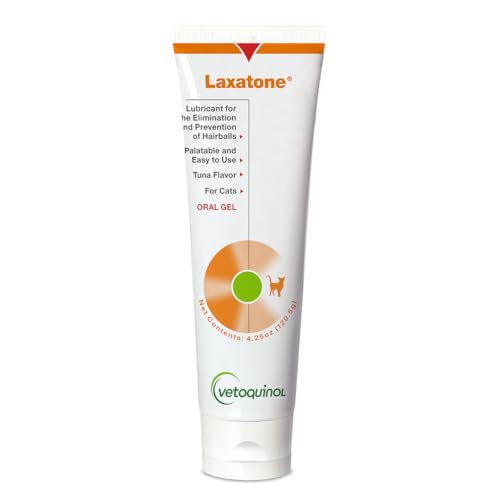
Gentle and easy-to-use digestive lubricant for helping prevent and eliminate hairballs in cats

MADE WITH WHOLESOME INGREDIENTS YOU CAN TRUST: Every Inaba product is made with yummy high-quality ingredients including real chicken and/or natural wild-caught tuna
The Role of Gut Health in Hairball Formation

Maintaining a cat’s digestive health is essential not only to minimize hairball formation but also to guarantee overall well-being. Gut health greatly influences hairball issues, as impaired gut motility can disrupt digestion and hinder the clearance of waste. An imbalanced cat’s gut microbiome may lead to digestive issues, such as chronic diarrhea or constipation, further correlating with hairball occurrences. Beneficial gut bacteria play a important role; they produce short-chain fatty acids that promote proper intestinal motility, thereby reducing the likelihood of hairballs. Regular gut health assessments can identify bacterial imbalances, enabling us to make informed dietary adjustments that support our cat’s digestive function. Supplementing with probiotics and essential nutrients can improve digestive health and nutrient absorption, helping to address underlying gut issues that may contribute to hairball formation. Prioritizing gut health is imperative to alleviate and prevent hairball formation effectively.
Recognizing Symptoms of Hairballs

How can we effectively recognize the symptoms of hairballs in our cats? Common indicators include hairball regurgitation, which often manifests as hacking, coughing, or gagging. These actions may precede vomiting, typically leading to the expulsion of the hairball. Disturbances in behavior, such as crying or howling, signal potential discomfort and should not be ignored. If we observe frequent hairball regurgitation, it’s important to reflect on underlying health issues, like gastrointestinal blockages, which can escalate into severe complications. Other concerning symptoms include decreased appetite, lethargy, or constipation. Additionally, persistent hairball issues may lead to skin irritations from excessive grooming, which can develop into hot spots requiring veterinary treatment. Should these symptoms persist, seeking veterinary attention is essential, as timely evaluation can address serious issues promptly, ensuring our cats maintain ideal health and well-being while minimizing potential complications.
Complications Associated With Hairballs
Despite our best efforts to care for our feline companions, hairballs can lead to serious health complications that warrant our attention and prompt action. Cat hairballs can cause gastrointestinal blockages, which may obstruct the esophagus or intestinal tract, potentially requiring surgical intervention if they become lodged. Symptoms like lethargy, refusal to eat, vomiting, and decreased appetite may indicate these dangerous blockages or other digestive system’s issues. Additionally, chronic regurgitation of hairballs often signals underlying health issues, such as inflammatory bowel disease or excessive grooming due to anxiety or allergies. It’s vital for us to seek veterinary intervention for diagnosing and treating complications related to hairballs, as conservative treatments like laxatives should only be utilized under professional guidance. Maintaining a clean and stress-free environment with features like proper ventilation can help reduce anxiety-related grooming behaviors that contribute to excessive hairball formation.
Recommended Products

Lubricates ingested hair, allowing it to move through the digestive tract and pass in the cat’s stool
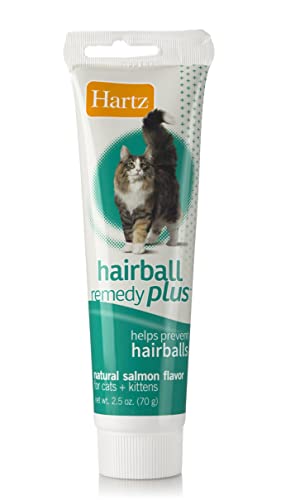
Aids hairballs in passing through the gastrointestinal tract and helps prevent future formation through regular use

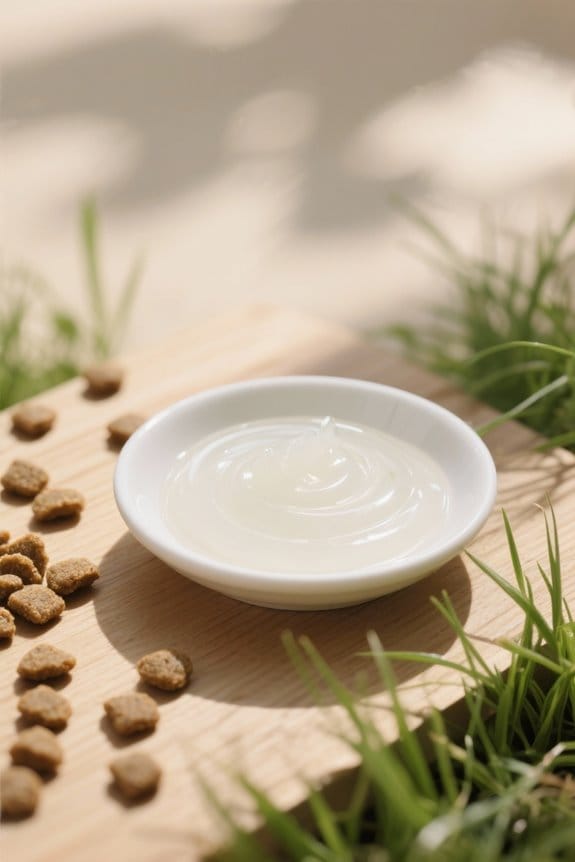
HAIRBALL GEL FOR CATS: Our paw gel helps prevent and eliminate hairballs by lubricating the intestinal tract; Made with natural oils, this cat hairball remedy supports digestion, reduces shedding, and promotes hairball control for cats of all ages
The Importance of a Balanced Gut Microbiome
A balanced gut microbiome plays a fundamental role in sustaining our cats’ health and well-being, greatly impacting their digestive processes. This complex ecosystem of gut bacteria is essential for ideal nutrient absorption and overall immune function. When imbalances occur, conditions like inflammatory bowel disease (IBD) can emerge, compromising digestive health and potentially causing increased hairball formation due to impaired gut motility. To maintain a healthy gut microbiome, we should incorporate prebiotic fibers into our cats’ diets, as they promote beneficial bacteria growth. Regular monitoring through tests like the KittyBiome Gut Health Test can help us identify bacterial imbalances. In doing so, we can enhance nutrient absorption, support better digestive health, and ultimately reduce the risk of hairballs in our feline companions. Additionally, selecting cat foods with added fiber can support digestive health and provide effective hairball control.
Tips for Preventing Hairballs
To effectively prevent hairballs in our cats, we should prioritize several key strategies that support their digestive health and overall well-being. Regular grooming, ideally daily for longhaired breeds, considerably reduces the amount of loose fur ingested, thereby minimizing hairball formation. We must feed a high-quality diet rich in fiber, which assists in moving ingested hair through the gastrointestinal tract. Utilizing hairball control diets containing added lubricants can also facilitate the passage of hair and prevent blockages. Additionally, ensuring our cats have increased hydration through constant access to fresh water is critical for digestion, while incorporating probiotics into their diet helps maintain a balanced gut microbiome that reduces the risk of hairballs, promoting overall digestive health. Using specialized deshedding tools can reduce shedding by up to 95%, significantly decreasing the amount of loose fur available for cats to ingest during self-grooming.
Recommended Products

Contains one (1) 6.3-pound bag of Meow Mix Hairball Control Dry Cat Food

Natural adult dry cat food for hairball control features a natural fiber-rich blend with added vitamins, minerals and nutrients to help support her overall health

Natural adult dry cat food for hairball control features a natural fiber-rich blend with added vitamins, minerals and nutrients to help support her overall health
Grooming Strategies to Reduce Hairballs
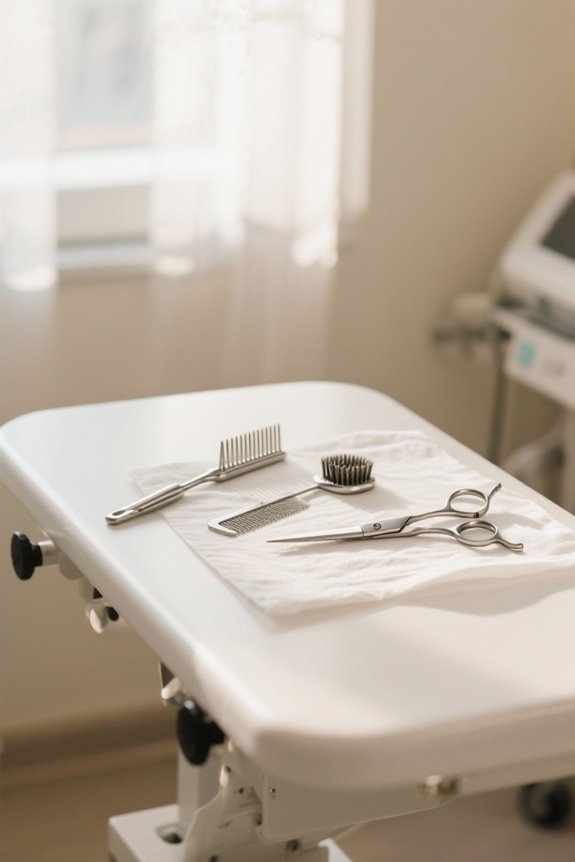
Effective grooming strategies play an important role in minimizing hairballs in our cats, particularly as we have discussed the importance of preventative measures. Regular grooming sessions, ideally several times a week, can greatly reduce the amount of loose hair that our cats ingest. For long-haired breeds, such as Persians and Maine Coons, more frequent grooming is essential to prevent excessive hair intake. We should use grooming tools specifically designed for their coat types to effectively remove the undercoat and loose fur. Additionally, incorporating high-fiber supplements can aid in moving any hair through the digestive system. It’s vital to observe our cats’ grooming habits, as excessive grooming may indicate underlying issues that could exacerbate hairball formation and should be addressed with a veterinarian. Alongside grooming efforts, providing dental chew toys like silvervine sticks can engage cats in natural chewing behavior that supports their overall oral health while keeping them entertained.
Recommended Products
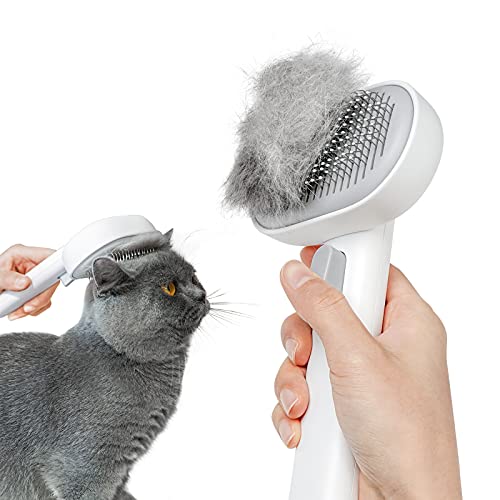
【Professional Cat Hair Brush】Perfect gift for pet owners, vets, and pet groomers. Using this cat brush for long haired cats on a regular basis can gently and effectively remove loose hair, tangles, knots, dander and trapped dirt. Suitable for short, medium or long, thick, thin or curly haired dogs/cats/rabbits, making your pets shiny and healthy.

Product Size (W x D x H): 2.8 x 1.3 x 4.4 inches (7 x 3.3 x 11.1 cm)

WORLD’S #1 CAT HAIR BRUSH: Our cat grooming brush / cat shedding brush is the world's best patented pet grooming brush for cats, small dogs, and rabbits. It is the perfect cat deshedding brush, short hair cat brush, & cat brush for long haired cats.
Dietary Adjustments for Digestive Health
When considering dietary adjustments for our cats’ digestive health, it’s essential to understand how nutrition can greatly impact hairball formation. A diet rich in fiber can help line the digestive tract, facilitating movement and reducing hairballs. We should opt for specialized cat food designed for hairball control, containing higher fiber content that promotes regular bowel movements. Incorporating prebiotic fibers into our cats’ meals can enhance beneficial gut bacteria, further aiding digestion and supporting feline health. Additionally, protein-rich diets are beneficial, as they increase levels of gut bacteria that support overall health. Adding Ganeden BC30 probiotics to your cat’s diet can further enhance healthy digestion and strengthen gut health. Finally, encouraging regular hydration will help maintain a healthy digestive tract, preventing hairball complications. Making these dietary adjustments plays a significant role in promoting our cats’ thorough digestive health.
Recommended Products

Complete and Balanced for Adult Cats: 100% nutrition, 0% fillers, this IAMS indoor cat food dry recipe supports whole-body health with essential nutrients and is enriched with antioxidants for a strong immune system

High-protein nutrition helps maintain lean muscle and a healthy weight

Nutrition with natural fibers to help avoid hairball formation in cats
When to Seek Veterinary Advice
How do we determine when it’s time to seek veterinary advice for our cats regarding hairballs? While hairballs are normal, frequent regurgitation, occurring more than once every few weeks, can point to underlying health issues. If our cat shows signs of lethargy, refuses to eat, or vomits persistently, we should seek veterinary advice, as these symptoms could indicate gastrointestinal blockages caused by hairballs. Additionally, monitoring any changes in our cat’s bowel habits is essential; constipation or diarrhea may suggest hairballs are affecting gut motility. Regular check-ups are important for cats prone to hairballs, enabling us to address potential bowel disease and adjust diets accordingly, ensuring our pets maintain peak digestive health.
Understanding Your Cat’s Grooming Behavior
Understanding our cat’s grooming behavior is essential for monitoring their overall health and managing hairball formation. When a cat grooms, it uses its tongue, which contains tiny barbs that effectively remove loose fur. However, when this hair accumulates in their digestive system, it can lead to significant digestive health issues. For older cats particularly, excessive grooming may indicate an underlying health problem, such as anxiety or allergies. We should regularly engage in grooming sessions to help minimize loose fur intake, which can reduce hairball occurrences. Observing changes, like an increase in grooming frequency, can serve as an early warning sign of potential digestive problems. In such cases, consulting a veterinarian promptly is vital for our cat’s health.
Frequently Asked Questions
Are Hairballs a Digestive Issue?
Absolutely, hairballs can indicate digestive issues. We should consider hairball prevention tips, cat grooming techniques, and dietary fiber impact. Watch for signs of discomfort—don’t be swayed by common misconceptions, and consult a vet if necessary.
What Is the Best Thing to Give Cats for Hairballs?
For effective hairball remedies, we suggest using dietary fibers, natural treatments, and enhancing hydration. Regular grooming techniques also help. Remember, consulting a veterinarian offers personalized advice for addressing hairball issues and maintaining your cat’s health.
Do Probiotics Help With Hairballs in Cats?
Yes, probiotics can help with hairball prevention in cats. By promoting digestive balance and supporting the feline gut, they improve nutrient absorption. Many vets recommend them for their nutrition impact, enhancing your cat’s overall health.
How Often Is Too Often for a Cat to Have Hairballs?
We’d say hairball frequency exceeding once a week can indicate underlying conditions. If we notice signs of distress, it’s essential to reflect on grooming habits, diet influence, and age factors, addressing any concerns with a vet.