As an Amazon Associate, we earn from qualifying purchases. Some links on this site are affiliate links at no extra cost to you. Our recommendations are based on thorough research and editorial judgment.

The Proper Technique for Brushing Cat Teeth

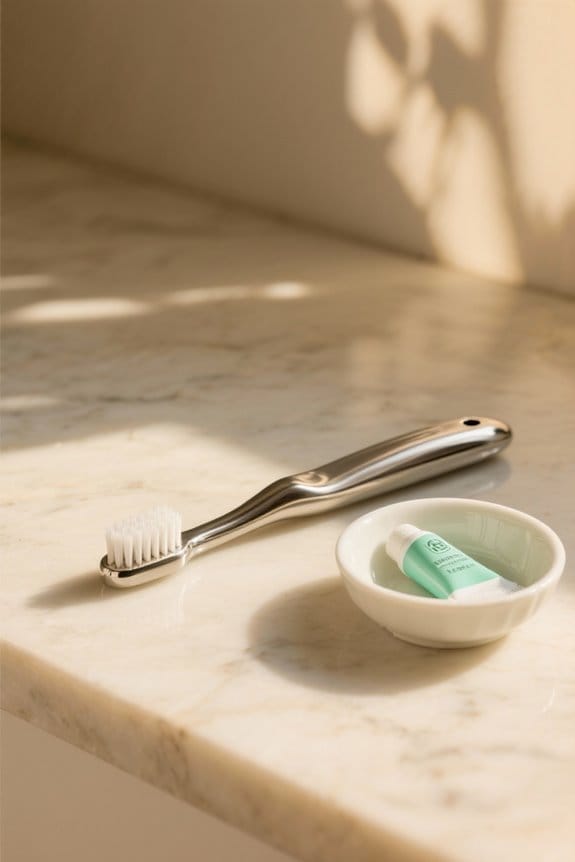
To brush our cat’s teeth effectively, we should use a cat toothbrush with soft bristles and non-toxic, cat-safe toothpaste. We begin by creating a calm environment, allowing our cat to explore the toothbrush and taste the toothpaste. Commence brushing gently for about 30 seconds, focusing primarily on the outer surfaces of the teeth, and aim for daily sessions. If our cat resists, we can shorten the duration and employ rewards to enhance comfort. More techniques are available for peak dental health management.
Key Takeaways
- Use a cat toothbrush with soft bristles and cat-safe toothpaste to prevent gum damage and ensure safety.
- Introduce brushing gradually, starting with letting your cat lick toothpaste from your finger.
- Aim for daily brushing sessions, brushing for about 30 seconds to one minute, focusing on the outer surfaces of the teeth.
- Monitor your cat’s comfort during brushing and shorten sessions if signs of stress appear.
- Reward your cat after brushing to build positive associations with the process and improve tolerance.
Importance of Dental Hygiene for Cats
You may be interested


Dental hygiene is essential for cats, with studies showing that periodontal disease impacts 50-90% of our feline companions over the age of four. Regular dental care is crucial, as untreated plaque can quickly harden into tartar within just 48-72 hours. This hardened substance contributes to gingivitis, painful dental issues, and tooth loss, hampering our cats’ quality of life. By prioritizing regular brushing, we can greatly improve their oral hygiene, ultimately benefiting their overall health. Healthy teeth and gums can help prevent bad breath and reduce complications affecting indispensable organs like the heart and kidneys. Establishing good dental care habits early on fosters long-lasting benefits, ensuring our cats maintain peak health as they age. In addition to brushing, cat multivitamin supplements containing essential nutrients can support overall oral health and strengthen your cat’s immune system.
Equipment Needed for Effective Brushing

When selecting the right equipment for brushing our cats’ teeth, we must make sure we choose tools that are both effective and safe. Start with a cat toothbrush specifically designed for feline dental care; these usually feature angled designs or small heads that reach the gumline effectively. It is crucial to use a soft toothbrush to prevent gum damage. Additionally, we should opt for pet toothpaste formulated for cats since human toothpaste can be harmful and unpalatable. Choose cat toothpaste flavors like poultry or fish to enhance our cats’ acceptance during brushing sessions. Look for enzymatic toothpastes that contain natural enzymes to effectively break down plaque and tartar without requiring extensive scrubbing. This combination guarantees we can effectively remove plaque and prevent tartar buildup while brushing a cat’s teeth, thereby promoting overall cat dental health.
Recommended Products

Gentle & Effective Ingredients: Made with mild, pet-safe ingredients that are gentle on teeth and gums. Safe if licked or swallowed, this cat toothpaste gently removes plaque and tartar, protects enamel, and maintains healthy gums

FOR DOGS AND CATS: Enzymatic toothpaste specifically formulated using an enzyme system for dogs and cats to reduce plaque, freshen breath, and ensure a clean mouth. Poultry flavor pets love
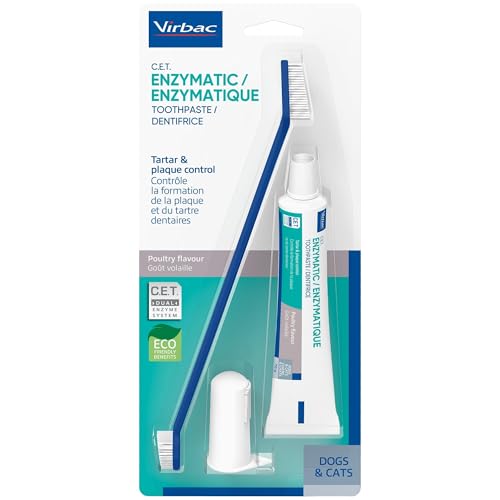
#1 BRAND CHOSEN BY VETERINARIANS: Proven effective and trusted for over 30 years, C.E.T. is the top recommended dental brand by veterinary professionals to reduce plaque & tartar buildup
Preparing Your Cat for Brushing

To effectively prepare our cats for brushing, it’s essential that we approach the process gradually and with consistency, as this will facilitate acclimatization. Start by creating a calm environment, allowing our cat to feel comfortable. We can begin by gently touching their mouth and teeth, using short interactions and positive reinforcement with treats. Next, introduce cat-safe toothpaste on our finger, encouraging them to lick it, thereby creating a favorable association. Allow time for our cat to sniff and explore the toothbrush, reducing intimidation. Over several days, we should gradually increase the duration of touching their teeth and lifting their lips, ensuring that our cat becomes accustomed to the process before we proceed to actual brushing. Consider selecting toothpaste in flavors like tuna or salmon, as cats generally prefer seafood flavors which can motivate them for regular dental care routines.
Recommended Products

ALL INCLUSIVE CAT DENTAL KIT: Everything you need in one easy to use kit.

Ultra-Mini Brush Head for Precision Cleaning: The 0.31-inch soft bristle head targets tiny teeth and hard-to-reach areas, making it perfect for kittens and small-mouthed cats, ensuring gentle yet thorough cleaning

Complete Dog Tooth Brushing Kit: Includes enzymatic dog toothpaste, dual-head dog toothbrushes, and silicone finger toothbrushes for an easy and effective dog teeth cleaning routine
Understanding Your Cat’s Comfort Levels

Understanding a cat’s comfort levels is crucial for a successful tooth brushing experience. Before we begin brushing, we should gently handle our cat’s mouth and lips to assess their comfort. This initial contact increases gradually in duration, which helps prevent overwhelming them. It’s important to carefully observe their body language; signs of stress or discomfort indicate that we need to pause and allow our cat to acclimate at their own pace. Employing positive reinforcement, such as treats or praise after each step, reinforces a favorable association with the experience. Start with short brushing sessions of about 30 seconds, and be patient, gradually increasing the time as they adjust. If agitation arises, we must stop and revisit earlier steps to maintain ongoing comfort. Just as with other grooming activities, maintaining low noise levels during the process helps minimize stress and creates a calmer environment for our feline friends.
Step-by-Step Guide to Brush Cat Teeth

After evaluating your cat’s comfort levels, it’s time to start the process of brushing their teeth. First, we should gently lift their lips and touch their teeth to familiarize them with our hands. Next, we’ll apply a tiny amount of cat-safe toothpaste to a toothbrush designed for cats, encouraging exploration. For the brushing session, we’ll focus on the outer surfaces of the front teeth, using gentle strokes for about 30 seconds while gradually including the back teeth, extending brushing time as our cat becomes more comfortable. It’s essential to emphasize brushing along the gumline, where plaque accumulation occurs, preventing dental issues. Choose a toothbrush with ultra-soft bristles to ensure gentle cleaning without causing harm to your cat’s sensitive gums. Conclude each session with positive reinforcement, such as treats, to foster future cooperation among cats and their parents.
Frequency of Brushing: How Often Is Enough?
How often should we brush our cats’ teeth to maintain their ideal dental health? Daily brushing is ideal for effectively managing plaque and tartar buildup, but we recognize that our schedules may not allow for this. Consequently, brushing every other day is a practical alternative if daily care isn’t feasible, with a minimum frequency of at least three times a week recommended. This frequency of brushing is essential because plaque can harden into tartar within 24 to 72 hours, which can lead to more severe dental issues. Additionally, we should schedule regular veterinary dental checks to guarantee maintaining your cat’s dental health is achieved effectively, ideally at least once a year, ensuring our cats have a comfortable experience during each appointment. Using enzymatic toothpaste formulas can enhance cleaning power between brushing sessions by actively working to remove plaque and combat bad breath.
Duration of Brushing Sessions
When it comes to brushing our cats’ teeth, the duration of each session plays a critical role in ensuring effective cleaning while minimizing stress for our feline companions. We should aim for short brushing sessions, ideally starting at about 30 seconds and gradually increasing to a maximum of one minute. Focusing mainly on the outer surfaces of the teeth is essential, as tartar buildup occurs primarily in these areas. By practicing consistency in our brushing routine, we can help maintain our cats’ oral health, as plaque can harden into tartar within 24 to 72 hours. Daily brushing is best, while at least three times a week is the minimum recommendation to support both dental and pelvic health. For cats that resist brushing, dental treats with crunchy textures can serve as a complementary approach to help reduce tartar between brushing sessions.
Rewards and Positive Reinforcement Techniques
Creating a positive experience around brushing our cats’ teeth can substantially enhance their willingness to cooperate, making the process smoother and more effective. We should begin by gradually introducing brushing, rewarding our cats with treats each time they allow us to touch their teeth or lick toothpaste. Using positive reinforcement techniques, such as a clicker, can mark desired behaviors, prompting our cats to open their mouths willingly. After successful brushing sessions, we can reward our cats with treats and praise, reinforcing the association between dental care and positive outcomes. Over time, consistently rewarding our cats helps build their tolerance, considerably improving our dental care routine, leading to less stress and more cooperative behavior during each brushing session. Just as daily scooping is essential for maintaining a fresh litter box environment, establishing a consistent daily routine for dental care reinforces positive habits and helps our cats anticipate and accept the brushing process.
Troubleshooting Common Issues
While we may wish for seamless dental care, it’s common to encounter challenges when brushing our cats’ teeth. If your cat resists the toothbrush, we recommend trying a finger brush with softer bristles, which may feel less intimidating. In cases where our cats reject specific toothpaste flavors, it’s essential to guarantee we’re using cat-specific toothpaste, avoiding human versions that can upset their stomachs. If brushing sessions become stressful, we should shorten them and gradually increase duration, closely monitoring our cats’ body language for any signs of discomfort. Should persistent difficulties arise, consulting a veterinarian can provide tailored advice. They can also demonstrate effective brushing techniques to prevent dental diseases and promote overall health in our feline companions. For accidents that occur during stressful dental care sessions, consider using pet-safe odor removers that are certified free of harmful chemicals to clean any messes while keeping your cat’s environment safe.
Recommended Products
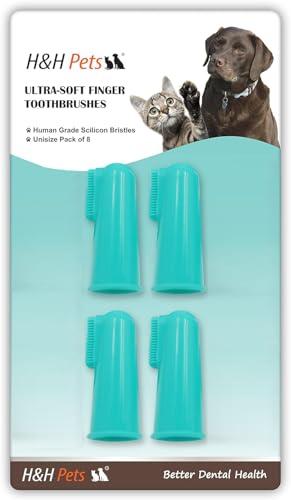
✿【SMALL (FINGER) SIZE SILICONE BRISTLES - 4 COUNT】– Our finger toothbrushes (pet supplies) are made from non-toxic silicone and soft and dense bristles on the brush ensure effective cleaning but are soft enough so that your pet's teeth are cleaned with no harm. Optimize the effect of brushing off the grime and tartar.

360º DOG TEETH CLEANING THAT REMOVES 3× MORE PLAQUE – Patented all-around silicone bristles clean every surface at once for superior dog teeth cleaning. Outperforms standard dog tooth brush designs; owners see visibly whiter teeth and dramatically fresher breath in 7–10 days. Works well with dog toothpaste enzymatic.

Christmas Gifts for Dog Lovers Maintain Your Pet's Dental Hygiene for Better Oral Health: An essential toolkit for maintaining your pet's dental hygiene! With four high-quality toothbrushes in every pack, you can keep your furry friend's teeth sparkling clean. Each toothbrush features soft bristles that are gentle on your pet's gums, making the brushing experience more comfortable and enjoyable for your pet
Alternatives to Brushing for Cat Dental Care
Although brushing is a fundamental component of dental care for cats, several alternatives can effectively maintain oral health when brushing proves challenging. Dental chews specifically designed for cats can reduce plaque and tartar buildup while satisfying their chewing instincts. Water additives formulated for dental health can easily be added to your cat’s drinking water, assisting in plaque reduction and breath freshening. For those interested in natural methods, raw, meaty bones can act as teeth cleaners, but it’s vital to consult with your veterinarian before introducing them. Dental wipes offer a convenient way to remove plaque when a toothbrush isn’t feasible. Additionally, multivitamins containing Omega-3 fatty acids can support overall oral health by promoting healthy gums and reducing inflammation. Finally, regular veterinary check-ups are essential to monitor dental health, ensuring that issues are addressed and any necessary professional cleaning is performed.
Recommended Products

#1 Veterinarian-Recommended Treat for Cat Dental Care: Feline Greenies Dental Treats for cats are the #1 veterinarian-recommended dental cat snacks that clean teeth and freshen breath

DentaLife Daily Dental Treats for Cats feature a porous texture to reduce tartar buildup

Guaranteed 100% Natural: Our silvervine sticks are made from 100% natural silvervine sticks, raffia, sisal rope and gall fruit (fruit of silvervine). Please rest assured when giving it to cats because they are absolutely safe for cats to chew and bite
Signs Your Cat May Need Professional Dental Care
What signs should we be vigilant for when considering whether our cat may need professional dental care? Persistent bad breath, even with regular tooth brushing, often suggests underlying periodontal disease. When we notice inflamed or bleeding gums during brushing, this is a strong indication for a veterinary exam. Additionally, loose teeth, visible excessive tartar buildup, or changes in eating habits—especially if our cat shows signs of dental pain—mean it’s time to consult a veterinarian. Moreover, if our cat frequently paws at their mouth or drools excessively, these behaviors may signal significant dental issues. Recognizing these symptoms early can lead to timely dental care, potentially preventing further dental disease and maintaining our cat’s overall health.
Recommended Products

FRESH PET BREATH – Finally say good-bye to dog and cat bad breath with our fast-acting pet bad breath treatment for dogs and cats. It’s the best, quick & easy cat & dog breath freshener.
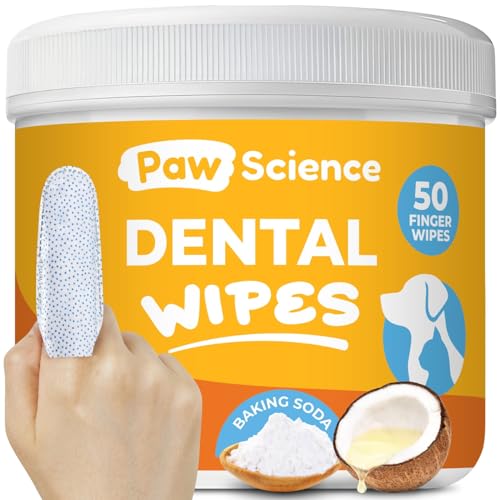
Patent-Pending Design: Paw Science's dental finger wipes are hypoallergenic and pH balanced for your pet's oral cavity.

CLEANS TEETH & GUMS: Keep your pet's teeth and gums clean and healthy with these cat and dog dental wipes, these wipes are great for keeping your pet's mouth clean and fresh, promote good oral hygiene and help prevent tartar and plaque build up.
Maintaining Your Cat’s Overall Oral Health
Regularly maintaining your cat’s overall oral health is crucial, as studies indicate that 50-90% of cats over four years of age suffer from periodontal disease. To start, we should brush our cat’s teeth daily, which greatly reduces plaque buildup and prevents it from hardening into tartar. Focus on the outer surfaces of the cat teeth, especially along the gumline, where plaque accumulates the most. Implementing positive reinforcement during brushing sessions, like treats or praise, helps our cats associate dental care with rewarding experiences. Additionally, scheduling regular dental cleaning with a veterinarian at least once a year is essential for identifying gum disease or potential tooth loss. Keeping up with our cat’s dental health allows for a happier, healthier life.
Frequently Asked Questions
How Are You Supposed to Brush Cats’ Teeth?
To brush our cats’ teeth, we need to focus on cat dental care by using cat toothpaste and a soft toothbrush, ensuring regular brushing frequency while monitoring for signs of dental issues to maintain ideal feline dental health.
What Is the 333 Rule for Brushing Teeth?
When we think of our cats’ smiles, we can’t ignore the 333 rule! By selecting the right toothbrush and tasty toothpaste, we can help reduce plaque buildup and guarantee gum health—promoting long-term dental benefits with routine scheduling.
How to Brush an Unwilling Cat’s Teeth?
To brush an unwilling cat’s teeth, we’ll use gradual introduction, reward techniques, and positive reinforcement. Incorporating dental treats and vet recommendations can ease cat dental anxiety, while brushing tools help us establish a calm brushing routine.
How to Clean a Cat’s Teeth at Home?
Cleaning our cat’s teeth at home? Let’s mix homemade toothpaste and dental treats, snag some cat dental toys, and create a routine! Regular brushing and positive reinforcement keep dental disease at bay, just as our vet recommends.