As an Amazon Associate, we earn from qualifying purchases. Some links on this site are affiliate links at no extra cost to you. Our recommendations are based on thorough research and editorial judgment.

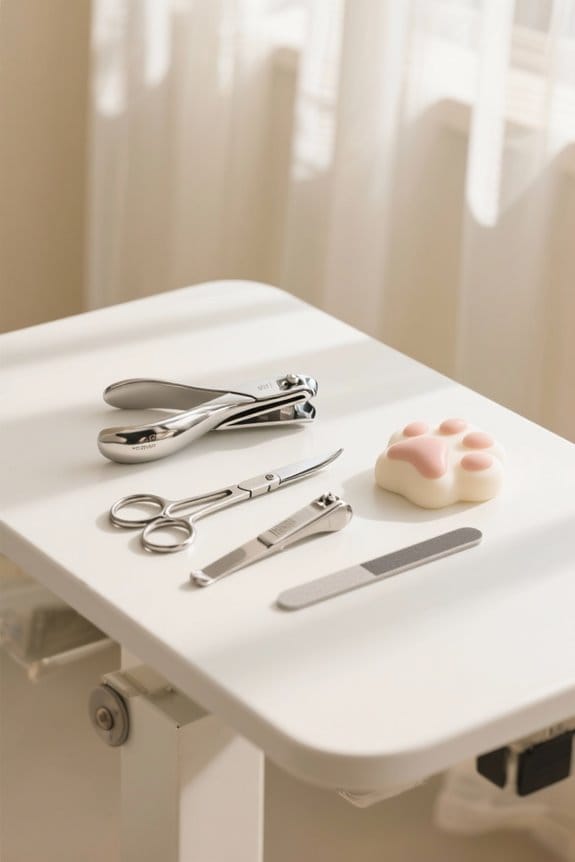
The Connection Between Nail Length and Cat Mobility

Nail length greatly influences a cat’s mobility, as overgrown claws can lead to pain, altered posture, and joint strain. Regular trimming, ideally every 10 days to 2 weeks for indoor cats, prevents nails from curling into paw pads, which can cause discomfort. We should perform trims carefully, cutting small amounts to avoid the quick, which is sensitive tissue. Monitoring nail length and maintaining a trimming routine guarantees better movement and overall joint health. Further insights on effective trimming methods await.
Key Takeaways
- Overgrown nails can change a cat’s posture and gait, negatively impacting their overall mobility.
- Long nails may lead to uneven weight distribution, resulting in joint strain and potential arthritis risk.
- Nails piercing into paw pads cause pain, which discourages movement and can significantly hinder mobility.
- Regular nail trimming encourages healthy movement and proper limb alignment, supporting optimal joint function.
- Maintaining appropriate nail length through grooming enhances comfort and reduces muscle strain during movement.
Understanding the Importance of Nail Trimming for Cats
You may be interested



10 Best Bentonite Cat Litters for a Fresh and Odor-Free Home
November 16, 2025
While we may enjoy the companionship of our feline friends, understanding the necessity of regular nail trimming is essential for their overall well-being. Indoor cats typically lack natural wear on their nails from outdoor activities, which can lead to overgrown nails that not only curl into paw pads but also cause pain and discomfort. We need to monitor their nail length closely, as excessively long nails may result in snagging and painful injuries. Regular nail trimming can prevent these issues, thereby ensuring comfortable movement. Additionally, maintaining appropriate nail length supports healthy posture and cat mobility, greatly reducing the risk of joint problems, particularly in older cats. Regular trims also help mitigate behavioral changes linked to discomfort stemming from overgrown nails. Using proper tools with safety guards can minimize cutting risks and make the grooming process less stressful for both you and your cat.
How Overgrown Nails Affect Cat Mobility
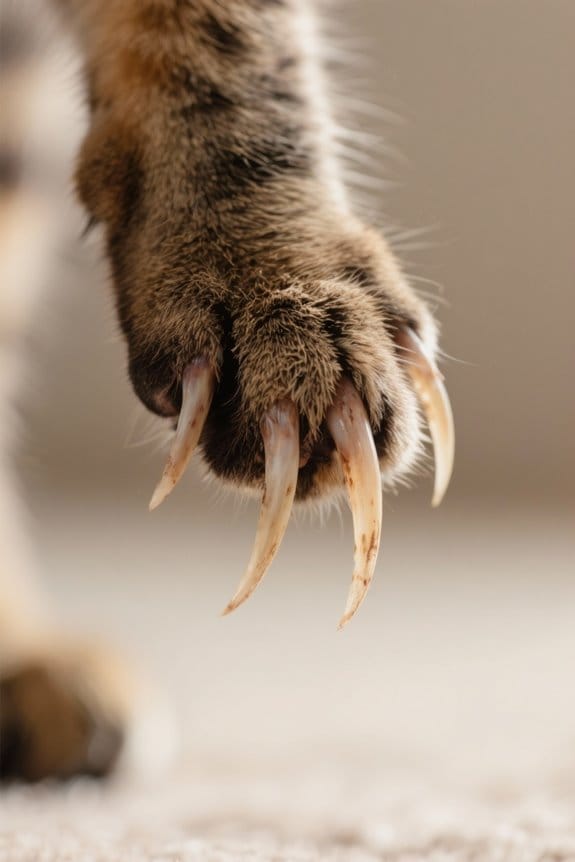
Neglecting to trim a cat’s nails can lead to significant mobility issues that negatively impact their quality of life. Overgrown nails can alter a cat’s posture and gait, resulting in uneven weight distribution and potential joint strain. Long nails push back into the paw pads, causing pain that discourages walking or jumping. Additionally, excessively long nails are prone to breaking or splitting, which hinders mobility and makes normal activities undesirable. Ingrown or curled nails create further discomfort, limiting a cat’s abilities to run, climb, and play freely. To mitigate these mobility problems, regular nail trimming is essential, promoting healthy movement and preventing long-term issues. Using quality trimmers with sharp stainless steel blades ensures clean cuts that minimize discomfort during the grooming process. Scheduling nail trims every 2 to 4 weeks is advisable to maintain ideal nail length and cat comfort.
Recommended Products

🐶【PERFECT DESIGN】High Quality Stainless Steal blade Cat & Kitten and easy for cut which is Small, lightweight claw clippers ideal for cats, kittens and other small animals.

Easy to Use & Precise: Candure cat claw clippers are designed for effortless trimming. Our user-friendly cat clippers features precise edges, ensuring a comfortable & accurate trimming experience for your beloved companion.
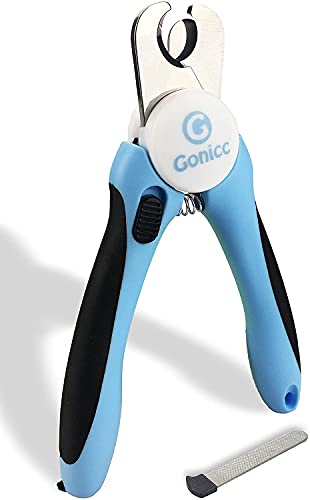
Vet & Groomer Recommended Professional Design: Preferred by veterinarians, trainers and groomers, these clippers deliver fast, safe and precise trimming for medium and large dogs, ideal for at-home daily grooming.
The Role of Nail Length in Joint Health
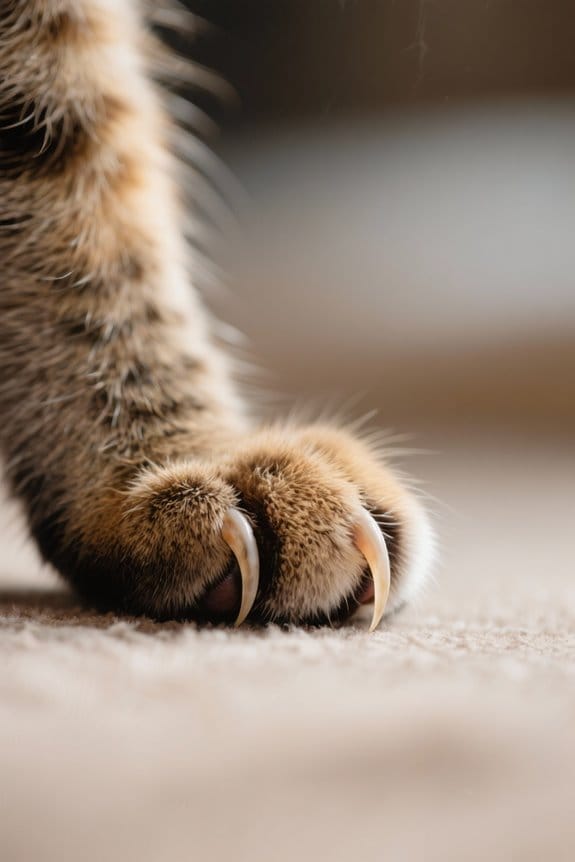
Cat owners should recognize that the length of a cat’s nails plays an essential role in their overall joint health and mobility. Overgrown nails can lead to altered posture, which may strain a cat’s joints and muscles, contributing to arthritis and other joint problems. As nails grow excessively long, cats often shift their weight, resulting in additional stress on their hips and spine. This compensatory behavior can create long-term mobility issues. Thus, regular nail trimming, ideally every 2-4 weeks, is vital for maintaining proper limb alignment. By ensuring nails remain an appropriate length—typically 1/8 inch from the paw pad—we can promote healthier joint function, reduce chronic pain risks, and support our cats’ active and comfortable lifestyles. Regular filing helps maintain smooth claws and prevents jagged edges that can cause injury, ensuring a pain-free grooming experience for your feline companion.
Signs That Your Cat’s Nails Are Too Long
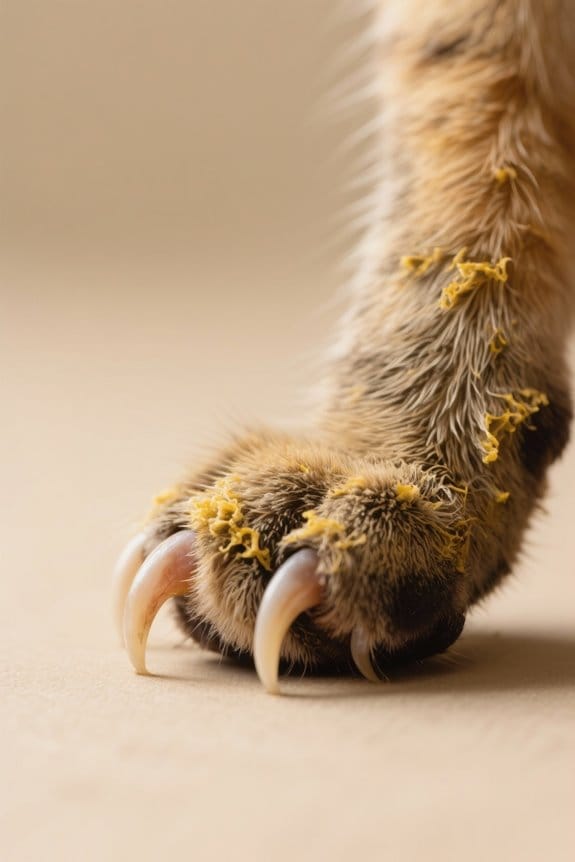
Recognizing the signs that a cat’s nails are too long is essential for preventing additional health complications. If we see that our cat’s nails extend beyond their paw pads while standing, we need to trim them quickly. A clicking sound on hard surfaces indicates overgrown nails, which should prompt immediate attention. Moreover, we may notice signs of discomfort in our cats, such as reluctance to walk or behavioral changes, both of which suggest nail care is necessary. If our cat’s nails snag on fabrics or surfaces during handling, it’s a clear signal that they require maintenance. Ultimately, we must be aware that excessively long nails can curl back into the paw pads, causing pain and possible infection, highlighting the importance of regular nail trims. Following nail trimming procedures, cats may benefit from wearing protective gear to prevent them from scratching at any sensitive areas, much like how Elizabethan collars prevent licking and biting of wounds during post-surgical recovery.
The Frequency of Cat Nail Trims
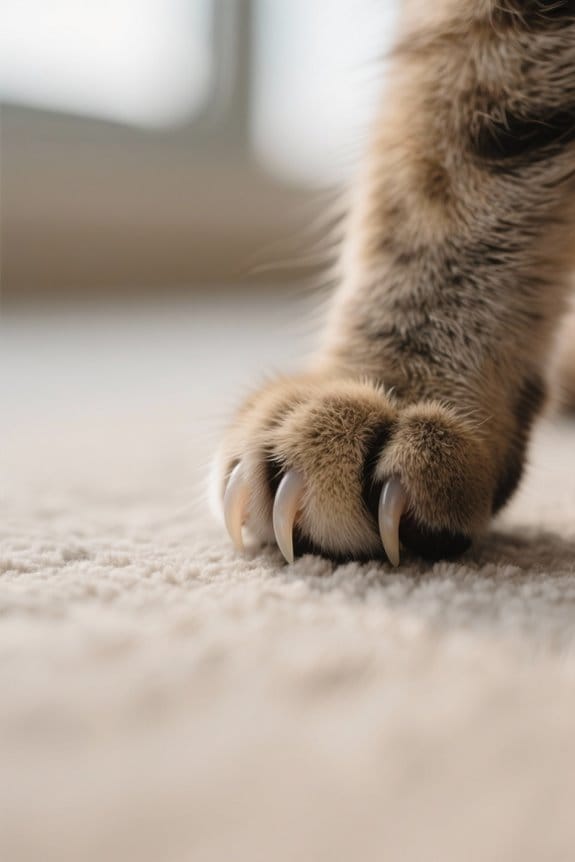
Typically, we find that indoor cats require nail trimming every 10 days to 2 weeks to maintain ideal nail health and prevent overgrown nails. Factors influencing this frequency include breed, age, and lifestyle. For instance, senior cats often have thicker, brittle nails that necessitate more frequent trimming due to decreased activity. It’s important to focus on the front paw nails, which usually require more attention than the back, although back nails should be trimmed if they excessively poke or dig into surfaces. To enhance mobility and reduce the risk of painful ingrown nails, regular grooming is vital. Consistent monitoring of your cat’s nail health is necessary to determine the best trimming schedule that best supports their individual needs. When traveling with your cat, maintaining proper nail length becomes even more critical, as portable litter boxes with high sides require cats to move comfortably without the risk of nails catching on fabric or surfaces.
The Nail Trimming Process: Step-by-Step Guide
Having established the importance of regular nail trimming for maintaining cat mobility and preventing discomfort, it’s now time to focus on the nail trimming process itself. First, we need to gather our supplies: sharp cat nail clippers, a towel, and styptic powder for emergencies. Let’s start by gradually acclimating our cat to paw handling by gently massaging and holding their paws, ensuring they feel secure. When trimming, we’ll focus on the transparent area of the nail, taking care to avoid the quick, or stopping when a light oval appears in dark nails. Using treats and positive reinforcement throughout the nail trims helps form better associations, ensuring comfort and reducing health issues related to untrimmed nails. For those seeking a comprehensive approach to cat care, consider investing in a grooming kit that includes specialized nail clippers alongside other essential tools like flea combs and shedding brushes to address various grooming needs.
Recommended Products

PREMIUM QUALITY – Made with thick, durable stainless steel blades that stay sharp for years. Each clipper undergoes strict quality control to ensure durability—no loose parts or breakage, making it one of the most reliable professional cat nail clippers available.

Includes one 0.5 oz tub of Miracle Care Kwik Stop Styptic Powder; the Original styptic powder with Benzocaine for Pain Relief
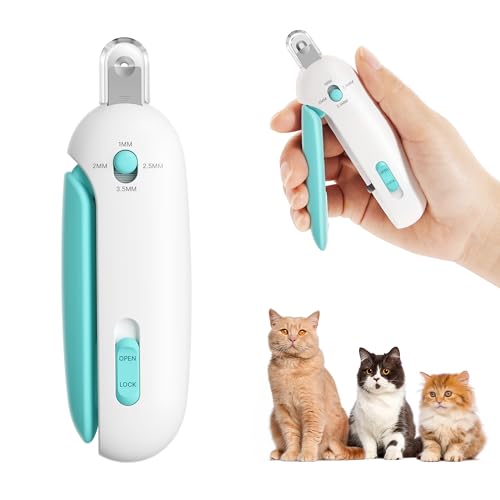
Adjustable Trimmer for All Cat Sizes: This cat nail clipper features a single round trimming hole with 3 adjustable sizes (1–3.5mm diameter), allowing precise control for trimming claws. Whether you’re caring for small kittens or larger indoor cats, the flexible design ensures safe and easy claw care without changing blades. Perfect for cat grooming at home.
Risks Associated With Ignoring Nail Care
Ignoring nail care can lead to severe consequences for our cats, as neglecting proper trimming not only increases the risk of pain but also adversely affects their overall mobility. Overgrown nails can curl into a cat’s paw pads, resulting in significant discomfort and potential injuries like cracking or splitting that may necessitate veterinary intervention. These nail issues can ultimately alter a cat’s posture and gait, contributing to chronic joint pain and increasing the risk of arthritis over time. Additionally, cats with overgrown nails often become reluctant to walk or engage in play, leading to decreased mobility and overall well-being. Furthermore, the accumulation of dirt and debris beneath long nails poses a heightened threat of infections, further complicating our cats’ health if ignored. Regular grooming depends on coat type and length, but maintaining a consistent schedule for nail care is equally important to prevent these mobility-related complications and ensure our cats remain comfortable in delicate areas like their paws.
Recommended Products
![[PETHROOM] Cat Nail Clipper Trimmer for Indoor Cats with Circular Cut Hole (2mm) | Premium Sturdy Stainless Steel Blade Cat Claw | Safe, Easy, Accurate, Quiet & Fast | Avoid Overcutting](https://m.media-amazon.com/images/I/41ptRncoGdL._SL500_.jpg)
EASY AND SAFE TRIMMING FOR INDOOR CATS OF ALL SIZES: The circular cut-hole design provides a clear visual guide, ensuring precise, safe cuts for kittens and adult cats alike. Say goodbye to overcutting and stressful grooming sessions!

【Powerful 2-Speed Grinding up to 8000 RPM】Adjustable low and high speeds with a 7000–8000 RPM motor deliver precised, strong grinding. Start gentle for puppies or delicate nails, then switch to high speed for thicker nails. This Casfuy dog nail grinder is powerful enough to grind every nail efficiently.

Precise Pet Nail Trimming: Candure dog nail clipper is designed to help trim pet claws with better control. Suitable for routine grooming at home, this pet nail cutter helps keep nails neat and comfortable for dogs, cats, and similar pets.
Professional vs. At-Home Nail Trimming
When considering how best to trim our cats’ nails, we find that both professional services and at-home techniques present unique advantages and challenges. Professional trimming minimizes stress, as trained veterinary professionals efficiently handle the procedure, often using specialized equipment for precise trims. This expertise can also help identify early signs of nail issues, ensuring our pets’ overall health. In contrast, at-home trimming offers convenience for pet owners and allows for bonding time with our cats, but it poses risks, such as accidentally cutting the quick, leading to pain and bleeding. While training and patience can enable successful at-home trimming, some cats may benefit more from the calm environment and skillful touch found in professional grooming settings. If minor cuts or injuries occur during trimming, applying antibiotic ointment can help prevent infection and promote faster healing.
Recommended Products

🐶【PERFECT DESIGN】High Quality Stainless Steal blade Cat & Kitten and easy for cut which is Small, lightweight claw clippers ideal for cats, kittens and other small animals.

Dual-Function Grooming Tool for All Pets: This 2-in-1 nail clippers combines a powerful dog nail clippers trimmer and precision grinder — perfect for small, medium, and large dogs, as well as cats. Designed for multi-pet households, it works great as a cat nail clipper and dog nail grinder, ensuring fast, safe, and accurate trimming with one professional tool. Ideal dog nail trimmers for grooming comfort.
Tips for Safe Nail Trimming at Home
To achieve safe nail trimming at home, we must first ascertain our cat is accustomed to having their paws handled regularly; desensitization can greatly reduce stress during the trimming process. We should guarantee proper lighting to effectively identify the quick, especially on lighter nails, while relying on the appearance of a light oval for darker ones. When we trim, it’s essential to cut small amounts gradually, as this minimizes the risk of nicking the quick and causing bleeding. Utilizing treats and praise throughout the session can foster a positive relationship with nail care. Additionally, we must have styptic powder ready to address any accidental cuts, while closely monitoring the area for signs of infection to guarantee our cat’s safety following trimming sessions. Regular grooming sessions between trimmings can help strengthen the owner-pet bond and make our cats more comfortable with routine grooming techniques that involve paw handling.
Recommended Products

Fast Acting Blood Clotting – Quickly stops bleeding from minor cuts, scrapes, and nail trimming accidents in pets.

A Must for Animal Lovers: Whether you are a pet owner, professional vet, rescue volunteer, or just a animal lover, the Evo Dyne bleed stop powder (2oz) is something you need to keep on hand for restoring & stopping bleeding for your pet’s comfort!

INSTANT BLEEDING CONTROL - Fast-acting styptic powder immediately stops bleeding from nail trimming, minor cuts, tail docking, and wing clipping in dogs, cats, and birds
Addressing Common Concerns About Nail Trimming
While maintaining our cat’s overall well-being, it is crucial to address common concerns about nail trimming, as improper nail length can considerably impact their mobility. Overgrown nails can alter a cat’s posture, leading to discomfort and decreased agility. By engaging in regular care, we can prevent nails from curling into paw pads, which is both painful and limiting for walking or climbing. Cats with excessively long nails may show reluctance to play or engage in activities, affecting their overall quality of life. To promote healthy nail length, we recommend trimming every 10 days to 2 weeks for indoor cats. Additionally, consulting a veterinarian can help establish the proper nail length for our cat, ensuring ideal mobility and comfort. Regular grooming sessions not only help maintain proper nail length but also provide opportunities to identify skin issues or parasites early through close examination of your cat’s paws and overall condition.
Ensuring Your Cat’s Overall Comfort and Well-Being
Ensuring our cat’s overall comfort and well-being involves a multifaceted approach that extends beyond nail trimming to include various aspects of their daily care. Regular trimming helps maintain proper nail length, preventing long nails from curling into paw pads, which can lead to pain and mobility issues. By reducing nail length, we also improve posture and lessen strain on joints and muscles, contributing considerably to our cat’s overall health and well-being. Additionally, consistent nail care minimizes the risk of sharp claws causing accidental scratches during interaction. To establish a proper trimming routine, we should trim nails every two to three weeks, utilizing specialized clippers to achieve a clean cut, while being mindful to avoid the quick to prevent pain and bleeding.
Frequently Asked Questions
Can Long Nails Cause a Cat to Limp?
Yes, long nails can cause a cat to limp. We should recognize signs of discomfort, use proper nail trimming techniques, and implement injury prevention methods to guarantee our furry friends stay healthy and mobile.
Do Cats Feel Better With Short Nails?
Yes, we believe cats feel better with short nails. Proper nail health is essential, and regular grooming practices enhance feline comfort, ensuring they move freely and confidently without the pain that overgrown nails can cause.
Are Cats Bothered by Long Nails?
Yes, cats can be bothered by long nails. We should look for cat discomfort signs and follow grooming frequency suggestions. Nail trimming tips can help keep our furry friends comfortable and agile, enhancing their overall wellbeing.
Why Does Nail Length Matter?
Did you know that 60% of cats suffer mobility issues related to long nails? Nail maintenance tips like regular grooming frequency can prevent health implications, ensuring our furry friends stay active and playful without discomfort.