As an Amazon Associate, we earn from qualifying purchases. Some links on this site are affiliate links at no extra cost to you. Our recommendations are based on thorough research and editorial judgment.


How to Safely Trim Your Cat’s Nails at Home: Step-by-Step

To safely trim our cat’s nails at home, we should begin by gathering supplies such as cat nail clippers, styptic powder, and treats. Next, let’s choose a quiet area and gently position our cat for comfort. When cutting, we hold the paw, apply light pressure to extend the claw, and trim at a 45-degree angle, avoiding the quick to prevent bleeding. After trimming, we reward our cat with treats to create a positive association. More detailed tips await us here.
Key Takeaways
- Gather necessary tools like specialized cat nail clippers, treats, and styptic powder in a calm, familiar space for trimming.
- Hold the cat’s paw gently, applying light pressure to extend the claw for clear visibility.
- Trim nails at a 45-degree angle while avoiding cutting the quick to prevent bleeding.
- Monitor your cat’s body language and offer treats for positive reinforcement during the process.
- Keep the environment quiet and soothing, utilizing calming aids like feline pheromones if needed.
How Often Should You Cut Your Cat’s Nails?
You may be interested

10 Best Moisturizing Cat Shampoos for a Soft and Shiny Coat
November 23, 2025

How Deep Should Cat Litter Be in the Box?
November 23, 2025
When should we cut our cat’s nails? It’s important to understand how often you should cut your cat’s nails to maintain their health. For indoor cats, nail trimming typically needs to occur every couple of weeks due to their lack of natural wear. Kittens may require weekly trims since their nails grow quickly. Conversely, older cats often need a trim about once a month, as their nail growth slows down considerably. We must prioritize monitoring your cat’s nail length by regularly evaluating for signs like the inability to fully retract claws or overly curved nails, as neglecting this can lead to injuries, changes in gait, and other complications arising from overgrown nails. Between clipping sessions, regular nail filing helps maintain smooth claws and prevents jagged edges that can cause injury or damage to furniture.
When Are a Cat’s Nails Too Long?
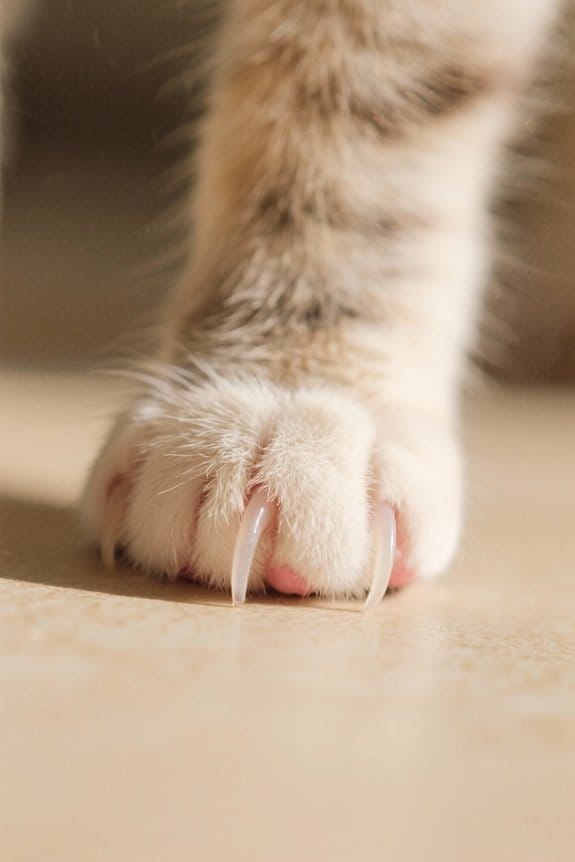
Recognizing that a cat’s nails can become too long is essential for preventing potential health issues. We should look for signs indicating that our cat’s nails need a trim. If a cat’s nails do not fully retract, remaining extended even at rest, that’s a clear indication they’re too long. Additionally, if we observe pronounced curvature or sharpness, those nails are overdue for a trim. Noticeable tapping sounds while the cat walks on hard surfaces also signify excessive growth. Moreover, if their claws catch on fabrics or furnishings, immediate action is required. Long nails may cause pain or injury to the paw pads, and we must avoid cutting the quick, which can lead to bleeding and discomfort. Using clippers with safety guards can help prevent overcutting and ensure a more controlled trimming experience.
Recommended Products
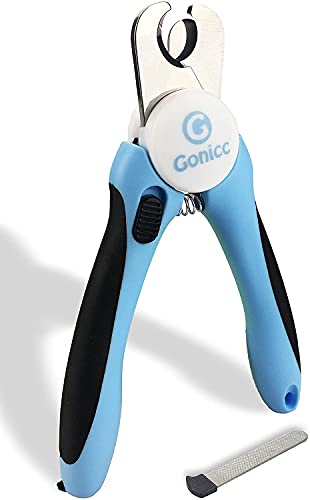
Vet & Groomer Recommended Professional Design: Preferred by veterinarians, trainers and groomers, these clippers deliver fast, safe and precise trimming for medium and large dogs, ideal for at-home daily grooming.

🐶【PERFECT DESIGN】High Quality Stainless Steal blade Cat & Kitten and easy for cut which is Small, lightweight claw clippers ideal for cats, kittens and other small animals.
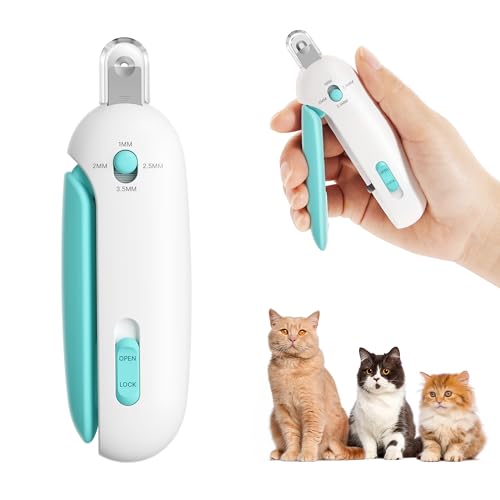
Adjustable Trimmer for All Cat Sizes: This cat nail clipper features a single round trimming hole with 3 adjustable sizes (1–3.5mm diameter), allowing precise control for trimming claws. Whether you’re caring for small kittens or larger indoor cats, the flexible design ensures safe and easy claw care without changing blades. Perfect for cat grooming at home.
What Happens If My Cat’s Nails Get Too Long?
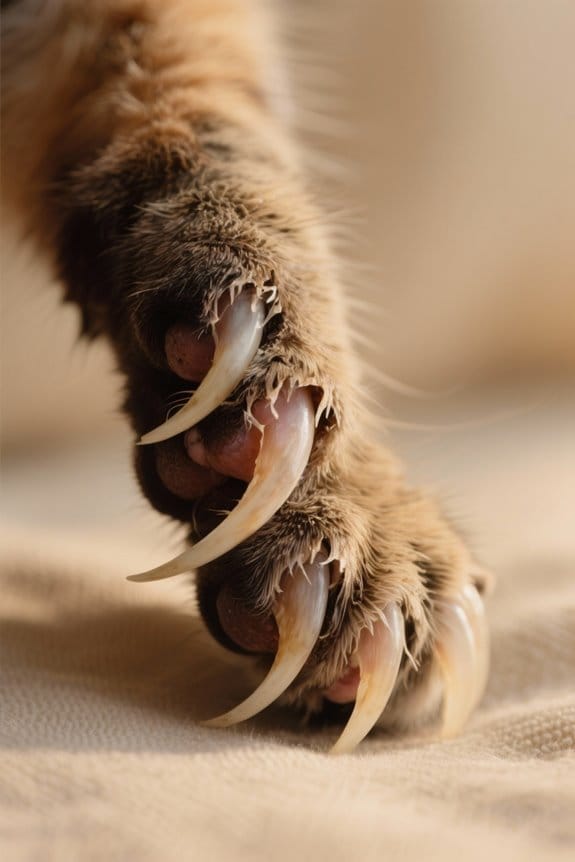
Overgrown nails can lead to several significant health issues for our cats. When nails become excessively long, they may curl and injure the paw pads, causing discomfort and increasing the risk of infection. Additionally, lengthy claws can alter a cat’s natural gait, potentially resulting in joint pain or even long-term mobility issues. Long nails are also more susceptible to getting caught on fabrics or collars, which can lead to painful injuries or accidents. Moreover, cats with overly long nails might unintentionally scratch themselves or others, leading to injuries. Regularly checking and trimming our cats’ nails not only mitigates these risks but also prevents damage to our furniture and discourages the development of problematic claw habits through proper maintenance. Using quality trimmers with built-in safety guards helps prevent over-cutting and ensures a stress-free grooming experience for both pet and owner.
Recommended Products
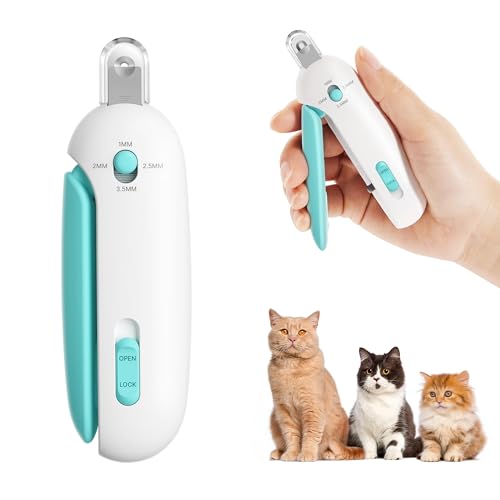
🐾 3-Level Adjustable Precision Equipped with a single round trimming hole and 3 adjustable levels (1mm–3.5mm), this cat nail trimmer allows you to safely groom kittens, adult cats, and small pets. It offers precise, injury-free clipping tailored to all paw sizes without the need for multiple blades.
![[PETHROOM] Cat Nail Clipper Trimmer for Indoor Cats with Circular Cut Hole (2mm) | Premium Sturdy Stainless Steel Blade Cat Claw | Safe, Easy, Accurate, Quiet & Fast | Avoid Overcutting](https://m.media-amazon.com/images/I/41ptRncoGdL._SL500_.jpg)
EASY AND SAFE TRIMMING FOR INDOOR CATS OF ALL SIZES: The circular cut-hole design provides a clear visual guide, ensuring precise, safe cuts for kittens and adult cats alike. Say goodbye to overcutting and stressful grooming sessions!

Vet & Groomer Recommended Professional Design: Preferred by veterinarians, trainers and groomers, these clippers deliver fast, safe and precise trimming for medium and large dogs, ideal for at-home daily grooming.
Gather Your Supplies

To effectively trim your cat’s nails at home, we need to gather several essential supplies that will facilitate a safe and efficient process. First, we should gather specialized cat nail clippers, which come in various types, including scissors, guillotine, and pliers styles, ensuring we choose the one most comfortable for us and effective for our cat. Next, it’s imperative to have styptic powder on hand to swiftly stop any bleeding in case we accidentally cut the quick. We should also have treats available to reward our cat after the trimming session, fostering a positive experience. Additionally, preparing a calm environment by removing distractions and using feline pheromones can help soothe our cat before we begin the trimming process. For those looking for a comprehensive solution, a grooming kit that includes nail clippers along with other essential tools can address various grooming needs beyond just nail care.
Recommended Products

Includes one 0.5 oz tub of Miracle Care Kwik Stop Styptic Powder; the Original styptic powder with Benzocaine for Pain Relief

A Must for Animal Lovers: Whether you are a pet owner, professional vet, rescue volunteer, or just a animal lover, the Evo Dyne bleed stop powder (2oz) is something you need to keep on hand for restoring & stopping bleeding for your pet’s comfort!

Fast Acting Blood Clotting – Quickly stops bleeding from minor cuts, scrapes, and nail trimming accidents in pets.
Find a Quiet Spot and a Comfortable Position

Once we’ve gathered our supplies, the next step involves locating a quiet spot and establishing a comfortable position for both us and our cat. We should choose an area that’s calm and well-lit, which helps minimize distractions, allowing us to concentrate on the task at hand. Position ourselves comfortably—sitting with our cat in our lap or on a flat surface works well for securely holding our cat. If our cat tends to squirm, we can gently wrap them in a towel, giving them a sense of security while keeping access to their paws. This approach guarantees we remain relaxed, enabling us to trim the nails precisely without adding stress for either party involved in the process. Just as we create a calm environment for nail trimming, establishing a consistent feeding schedule can also help reduce our cat’s overall stress levels during daily care routines.
Isolate the Nail to Cut
As we prepare to trim our cat’s nails, it’s essential to isolate the nail we intend to cut, ensuring both visibility and access. To do this, we gently hold the cat’s paw, applying light pressure on the pad to extend the claw outward. This method enhances our view of the nail while allowing us to maintain a secure grip. It’s important to keep our pet comfortable to prevent any sudden movements that might disrupt the process. As we visualize the quick, the pink area in clear or white nails, we should avoid cutting this sensitive part of the nail to prevent pain or bleeding. If anxiety arises, we can pause and re-engage our cat with treats or gentle petting. For cats with particularly sensitive reactions, maintaining a low noise environment during grooming can help reduce their stress and make the entire process smoother.
Cut at a 45-Degree Angle
Achieving an ideal trim involves cutting your cat’s nails at a precise 45-degree angle, which can greatly enhance the nail’s health and appearance. As we prepare to trim, we should focus on the sharp tip of the claw and avoid the quick, identifiable by its pink hue. Cutting at this angle helps maintain proper nail positioning, minimizes the risk of splitting, and reduces discomfort for our feline friend. This technique provides us with greater accuracy, allowing a smooth and effective trim, thereby ensuring both efficiency and safety. When we cut the nail at the correct angle, we not only achieve an aesthetically pleasing shape but also support the overall health of the cat’s nails and paws. After trimming, consider providing your cat with a scratching post to help naturally maintain their claws between grooming sessions.
What Happens If I Cut The Quick?
When we accidentally cut the quick of our cat’s nail, the consequences can be both painful and distressing for our pet. The quick contains blood vessels and nerves, so cutting it can lead to significant pain and bleeding. If this occurs, it’s vital to remain calm, as our anxiety can amplify our cat’s stress. We should apply styptic powder, like Miracle Care Kwik-Stop, to help stop the bleeding and provide some pain relief. Alternatives like cornstarch or flour can be used, but they won’t ease the pain. After addressing the immediate bleeding, we may need to administer pain medication, and using a pill dispenser designed specifically for cats can make this process less stressful for both pet and owner. If we’re uncertain about nail trimming or cutting the quick, consulting a veterinary professional or a professional groomer is highly recommended to guarantee the well-being of our cat.
Recommended Products
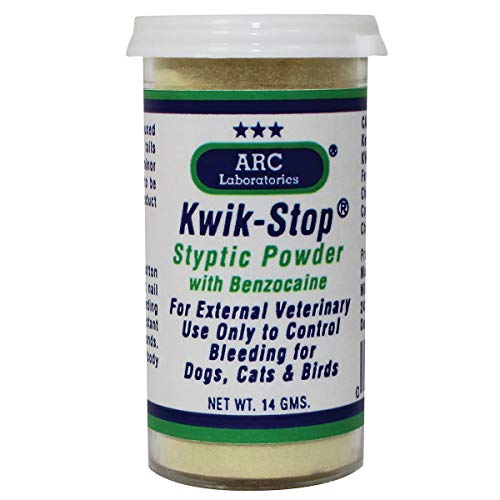

INSTANT BLEEDING CONTROL - Fast-acting styptic powder immediately stops bleeding from nail trimming, minor cuts, tail docking, and wing clipping in dogs, cats, and birds

INSTANTLY STOPS BLEEDING for a stress-free grooming experience.
Reward Your Cat
After an incident where we might have cut the quick, it becomes imperative to foster a more positive experience during subsequent nail trimming sessions. To effectively reward your cat, we should immediately offer treats post-trim. This practice helps establish a positive reinforcement loop, linking nail cutting with enjoyable rewards. Additionally, incorporating cuddles or playtime as incentives reinforces good behavior, making future trimming sessions more cooperative. Consistently rewarding your cat in this manner contributes to them becoming more tolerant and relaxed with the process over time. Consider using moisture-rich treats like lickable hairball control options, which serve the dual purpose of rewarding good behavior while supporting your cat’s digestive health. This approach creates a genuinely stress-free environment, decreasing anxiety or resistance during subsequent trims, consequently promoting a smoother experience for both the cat and us as their caregivers.
Nail Trimming Tips From the Pros
Nail trimming can be a straightforward process with the right techniques and preparations in place. To help our cats acclimate to having their paws handled, we should practice extending their claws during playtime. Using the right tools, like a quality cat nail trimmer, is essential for a clean cut. As we trim, we must stay relaxed, as our body language greatly impacts our cat’s comfort and anxiety levels. Playing soothing music can create a calming atmosphere, while utilizing feline pheromones like Feliway can further reduce stress. It’s imperative to limit restraint to what’s absolutely necessary, allowing us to trim their nails effectively while ensuring we maintain comfort throughout the process, ultimately making it easier for both us and our cat. For cats who are particularly anxious during grooming sessions, consider using tools with low noise operation to minimize stress and keep them calm throughout the process.
Recommended Products

【Powerful 2-Speed Grinding up to 8000 RPM】Adjustable low and high speeds with a 7000–8000 RPM motor deliver precised, strong grinding. Start gentle for puppies or delicate nails, then switch to high speed for thicker nails. This Casfuy dog nail grinder is powerful enough to grind every nail efficiently.

Stress-Free Nail Care: Struggling with stressful nail trimming for dogs or cats at home? Many pet owners find traditional dog nail trimmers noisy, uncomfortable, and difficult to control—especially for puppies, anxious pets, or black nails where the bloodline is hard to see. CATPICK dog nail grinder is designed for calm home grooming, helping reduce fear, mess, and resistance during routine nail care

𝐖𝐡𝐢𝐬𝐩𝐞𝐫 𝐐𝐮𝐢𝐞𝐭 & 𝐒𝐭𝐫𝐞𝐬𝐬-𝐅𝐫𝐞𝐞 𝐆𝐫𝐨𝐨𝐦𝐢𝐧𝐠: Ultra-quiet and low-vibration design keeps sensitive dogs Cats calm. No more fear, shaking, or struggling during nail care
Frequently Asked Questions
What Is the Safest Way to Trim Cat Nails?
Isn’t it important to keep our cats healthy? We can guarantee cat nail safety by using proper nail trimming tools, applying feline comfort techniques, and employing positive reinforcement in a regular grooming schedule.
How to Cut a Cat’s Nails at Home?
To cut a cat’s nails at home, we should use cat nail clippers, establish a nail trimming schedule, apply calming techniques, and provide post-trim rewards for our cats while following best nail trimming practices.
How to Immobilize a Cat for Nail Trimming?
To immobilize our cat for nail trimming, we can use calming sprays, consider cat sedation techniques, and employ effective cat restraint methods. After, let’s reward them with treats to create positive associations and reduce stress.
How to Cut a Cat’s Nails When They Won’t Let You?
When our cats resist nail cutting, we can use calm techniques and distraction methods, providing treat rewards. Gradual exposure to the process in a safe positioning often helps our furry friends feel more comfortable.