As an Amazon Associate, we earn from qualifying purchases. Some links on this site are affiliate links at no extra cost to you. Our recommendations are based on thorough research and editorial judgment.

How to Introduce Grooming to a Rescue Cat

To introduce grooming to a rescue cat, we must first understand their behavior and past experiences, which affect their response. We should create a calm environment with low noise, using familiar spaces. Next, allow the cat to explore grooming tools positively, offering treats for quiet behavior. Start with short sessions of 5-10 minutes focusing on basic tasks like gentle combing, gradually increasing complexity. We must monitor their body language closely, adjusting techniques to guarantee comfort. Further insights will enhance our approach.
Key Takeaways
- Start by creating a calming environment for grooming, ensuring it’s a quiet, familiar space free from distractions.
- Gradually introduce grooming tools at chin level, allowing the cat to sniff and explore them first.
- Utilize positive reinforcement with treats during initial grooming sessions to build trust and comfort.
- Establish a consistent grooming routine, beginning with short sessions of 5-10 minutes to avoid overwhelming the cat.
- Monitor the cat’s body language throughout the grooming process, adapting your approach based on signs of comfort or distress.
Understanding Your Rescue Cat’s Behavior
Understanding a rescue cat’s behavior is essential for successful grooming, especially since their past experiences can greatly influence their reactions. During grooming sessions, we must observe our cat’s body language, noting signs of comfort or distress. For timid cats, approaching these sessions with patience is vital. Gradual exposure, such as short, positive experiences, will help your cat relax. If a cat is visibly stressed, we should respect their limits, as pushing them can lead to increased anxiety. Outgoing cats may adapt quickly, while more reserved ones may need extra reassurance. Over time, consistent positive interactions will enhance trust and cooperation, establishing a solid foundation for future grooming endeavors and reinforcing our bond with the rescue cat. Regular grooming sessions also allow for early detection of skin issues or parasites that may have gone unnoticed in rescue cats.
Creating a Calm Grooming Environment

Creating a calm grooming environment is fundamental for ensuring that our rescue cats feel safe and secure during each session. We should select a quiet, familiar space, free from loud noises and sudden movements that may induce anxiety. Beginning each grooming session with gentle playtime allows us to relax the cat and create a positive mindset before we start. It’s ideal to use a comfortable surface, such as a soft blanket or even the cat on your lap, which provides a sense of security. Scheduling grooming sessions after feeding or playtime, when the cat is typically calm rather than energetic, proves advantageous. When selecting grooming tools, prioritize those with low noise levels, ideally operating below 55 decibels, to minimize stress for nervous or timid cats. Finally, incorporating treats and praise throughout the session reinforces positive associations with the entire grooming experience, thereby enhancing compliance.
Familiarizing Your Cat With Grooming Tools

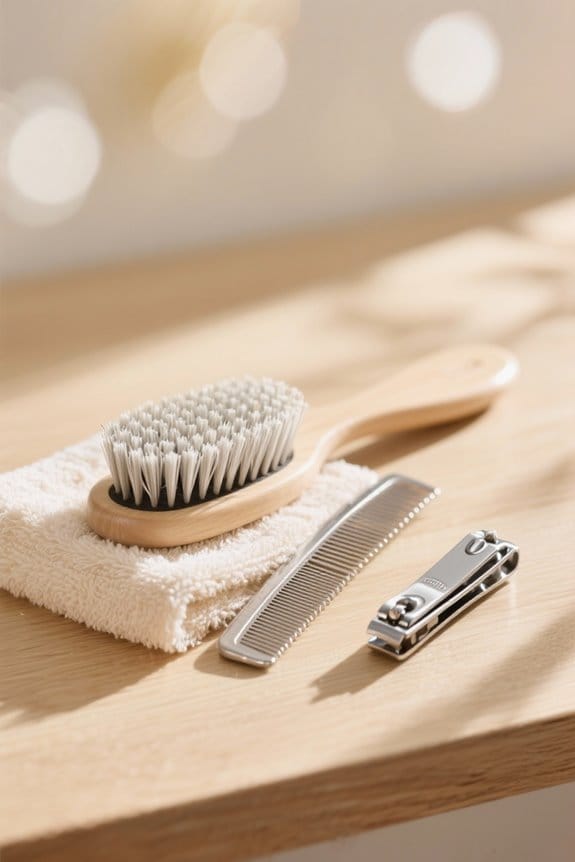
To effectively introduce grooming tools to our rescue cat, we should begin by allowing it to explore these items in a non-threatening manner, as this promotes comfort and familiarity. We can place the grooming tools, such as brushes and combs, at our cat’s chin level, encouraging sniffing and investigation. This approach helps create a positive association with the grooming tools before commencing actual cat grooming. Once our cat shows interest, we can gently brush the tool against its fur in brief, non-intrusive sessions, providing treats for any calm behavior. Initially, we should limit grooming to a few minutes, gradually increasing the duration as our cat becomes more comfortable, while monitoring its body language for any signs of distress. When selecting a brush, consider options with fine, coated bristles that ensure gentleness on sensitive skin, which is particularly important for rescue cats who may be more anxious during grooming.
Recommended Products

✄Easy to trim:oneisall cat grooming clippers is easy to trim matted long hair.It uses a safe ceramic blade that is gentle enough on the skin when trimming your cat's long hair,won't irritate your cat's skin.

"🐾Specially Designed for Pets - Our automatic pet dryer comes with two drying modes, silent drying and fast drying, specifically created to cater to your pet's requirements. You can also personalize the drying time, temperature, and air volume, ensuring a quick and consistent drying experience that saves you time and allows you to have your hands free. Bid farewell to the challenges of drying your pet after a bath."

DENTAL DISEASE AFFECTS 30% OF DOGS — START BRUSHING EARLY: Dental disease causes daily pain and discomfort, and pets are pros at hiding it. Starting a brushing habit with puppies using this training kit reduces plaque and tartar from a young age.
Signs of Comfort and Discomfort

Recognizing signs of comfort and discomfort during grooming is essential for ensuring a positive experience for our rescue cat. Signs of comfort may include behaviors like purring, a relaxed body posture, or gentle kneading with their paws, indicating that our feline friend is at ease with the grooming process. Conversely, we need to be vigilant for signs of discomfort, such as hissing, tail swishing, or flattened ears. If our cat attempts to escape, it’s a clear signal to stop. Observe closely: a cat leaning into the brush demonstrates trust, while sudden tension or excessive vocalization suggests stress. Monitoring their body language throughout the grooming session helps us respond appropriately and maintain a comfortable environment for our feline companion. Additionally, ensuring your cat wears a properly fitted collar with a breakaway clasp for safety can help prevent accidents if they become startled and try to pull away during grooming sessions.
Starting With Short Grooming Sessions

Starting with short grooming sessions is essential for building trust and familiarity with our rescue cat, as prolonged grooming can lead to stress and resistance. We should begin with sessions lasting only 5 to 10 minutes, focusing on gentle tasks like light brushing or combing. This familiarizes our cat with the grooming tools and helps create a positive association. While grooming, we must pay close attention to the cat’s body language, noting any signs of discomfort such as a swishing tail or hissing, prompting us to stop immediately. As our cat becomes more comfortable, we can gradually increase the session length, eventually introducing more complex tasks, like nail trimming, ensuring our cat’s comfort and safety throughout the process. Using tools with soft bristles designed for gentle grooming can help prevent discomfort during these initial sessions.
Using Treats to Create Positive Associations
By incorporating treats during grooming sessions, we can effectively create a positive association in our rescue cat, which is vital for fostering a calm and cooperative mindset. Initially, we should offer treats frequently, rewarding our cat for simply being present in the grooming area, which helps them associate it with enjoyable experiences. As we introduce grooming tools, like brushes, we can allow them to sniff and explore these items while giving treats for calm behavior, enhancing their trust in the process. After each session, providing treats reinforces that grooming is rewarding. Consistency in the type and timing of treats, using high-value options like chicken or fish-flavored morsels, is essential to guarantee our cat enthusiastically anticipates future grooming sessions involving their cat’s fur. Using brushes with protective bristle coating helps prevent skin irritation during these early grooming sessions, making the experience more comfortable for sensitive rescue cats.
Recommended Products

POWERFUL AND QUIET: Bagged canister vacuum optimal for smooth floors and low-medium pile carpet with a Turbobrush for carpets and Parquet floorhead for smooth flooring

The best cleaning performance of any upright de-tangling vacuum.¹

COMPLETE DOG DENTAL KIT 3 ITEMS INCLUDED: Each kit includes a 2.5 oz tube of banana mint toothpaste, a double-sided toothbrush, and a finger brush — all 3 tools for establishing and maintaining a complete at-home dog dental routine.
Gradually Introducing the Brush
After establishing a positive association with grooming through the use of treats, we can begin to introduce the grooming brush to our rescue cat. First, we should allow the cat to sniff and explore the brush while it’s stationary, which helps familiarize them with this new tool. Position the brush at chin level to encourage curiosity, fostering a non-threatening atmosphere. Next, we can gently stroke our cat’s chin and cheeks for short intervals, ensuring these initial grooming sessions remain brief to avoid overwhelming them. It’s crucial to monitor for signs of discomfort, such as tail swishing or tense body language, and to cease immediately if observed. Reinforce these interactions with treats to promote a positive association with being groomed. Selecting a tool with soft edges ensures that early grooming experiences remain comfortable and irritation-free for your rescue cat.
Recommended Products

Strongest suction of any vacuum;¹ Extra tools for a total cleaning solution
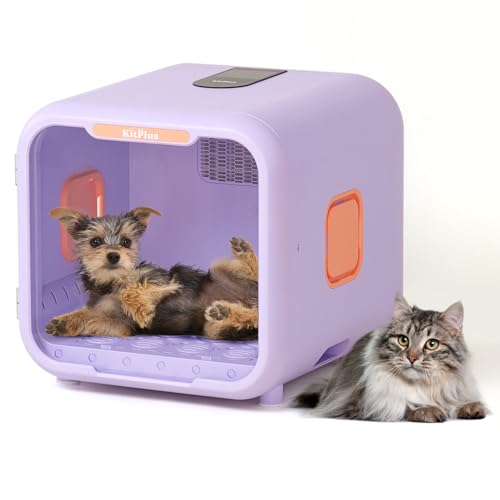
Save Hundreds on Grooming Costs – Skip expensive salon visits (up to 100 persession). This pet dryer box of fersa one−time investment (under400) for lifetime use. Features adjustable temperature, timed drying, and hands-free operation—perfect for daily pet care

Powerful Performance: With a robust 4.0 HP motor, this dryer offers superior drying capability, significantly reducing drying time compared to traditional towels and other pet dryers.
Establishing a Routine
Establishing a consistent grooming routine is essential for fostering comfort and reducing anxiety in our rescue cat, as familiarity with the process can greatly ease their apprehension over time. We recommend setting a grooming schedule, ideally once a week, to help your cat adjust. Begin with very short grooming sessions of 5-10 minutes, carefully avoiding anything overwhelming. As our cat becomes more comfortable, we can gradually increase the duration of these sessions. Utilizing positive reinforcement, such as treats and praise immediately after grooming, will help create beneficial associations with the experience. Additionally, we should incorporate grooming into our daily routines, pairing it with playtime or feeding, enriching the experience, and promoting cooperation as the cat becomes comfortable with the process. For cats who find traditional bathing particularly stressful, cat bathing wipes offer a convenient alternative that can be integrated into the grooming routine for quick cleanups between more intensive sessions.
Monitoring Your Cat’s Response
Monitoring your cat’s response during grooming sessions is essential for ensuring both their comfort and the effectiveness of the process. We should pay close attention to body language, noting signs of discomfort such as tail swishing, tense posture, or hissing, which indicate a need to stop or take a break. Begin with quick, gentle brushing sessions, gradually increasing duration as we observe our cat’s response. Incorporating treats as positive reinforcement helps create a favorable association; if our cat purrs or leans into the brush, we should acknowledge and reward this behavior. It’s also beneficial to track preferences for specific grooming areas, starting there before moving to sensitive zones, documenting reactions over time to identify progress or setbacks in comfort levels. Creating a comfortable, private space for grooming—similar to how enclosed litter box furniture provides cats with privacy—can help reduce stress and make the experience more positive for rescue cats adjusting to new routines.
Building Trust Through Gentle Handling
Building trust with a rescue cat requires a methodical approach to gentle handling, which helps them acclimate to grooming routines and develops a bond with their owner. We should begin by introducing grooming tools gradually. Using a soft voice, slow movements, and a calming touch, we can support our cat’s comfort level as they explore the tools. Positive interactions are vital; rewarding our cat with treats when they sniff the tools or engage in brief handling reinforces trust. It’s essential to pay attention to their body language, respecting limits, and stopping if discomfort arises. Establishing a routine of gentle handling in a familiar environment with our presence can effectively reduce anxiety and foster a deeper connection with our rescue cat. During grooming sessions, maintaining a quiet environment similar to the peaceful 25-28 dB operating levels found in quality pet fountains can help keep your cat calm and receptive to handling.
Encouraging Calmness During Grooming
Creating a calm atmosphere during grooming sessions is essential for both the well-being of the rescue cat and the effectiveness of the grooming process. We should begin in a familiar environment, where the rescue cat feels safe, which considerably reduces anxiety and fosters calmness. Scheduling grooming after meals or playtime can also enhance the cat’s tranquility. Using positive reinforcement techniques, like giving treats or gentle praise, helps establish pleasant associations with grooming experiences. It’s important to keep initial grooming sessions short, ideally around five minutes, gradually increasing duration as they become more comfortable. Employ slow, gentle movements while grooming, and consistently monitor the cat’s body language to adapt our approach according to their comfort levels.
Dealing With Fear or Resistance
How can we effectively address a rescue cat’s fear or resistance during grooming? We should introduce grooming tools very gradually, allowing the cat to explore items like brushes or combs without applying them immediately, to help build trust and decrease fear. Using treats can greatly create positive associations; offer them as rewards for calm behavior during these introductory sessions. It’s crucial to keep initial grooming sessions very brief, focusing on gentle strokes rather than extensive grooming, to guarantee the cat doesn’t feel overwhelmed. We must carefully observe the cat’s body language for any signs of discomfort, such as tail swishing or hissing, and pause immediately to prevent escalating their fear and reinforcing negative experiences.
Recommended Products

ELECTRIC HEIGHT ADJUSTMENT: Features a 9" to 40" electric lift range for effortless height changes. Adjust to your ideal working position with simple controls, eliminating back strain and making grooming comfortable for dogs of all sizes - from small puppies to large breeds

3-PIECE DOG DENTAL KIT — TOOTHPASTE, TOOTHBRUSH, AND FINGER BRUSH: This fresh breath kit includes 2.5 oz vanilla ginger-flavored toothpaste, one toothbrush, and one finger brush — a complete starter kit for building a dog dental care routine.

Self-Grooming, Reduces Up to 90% of Loose Fur & Hairballs:Patented tongue-mimicking soft rollers gently remove loose fur as your cat walks through. Hair is automatically stored in a sealed chamber—drastically reducing shedding and hairball risks without daily brushing.
Progressing to More Complex Grooming Tasks
Once a rescue cat demonstrates comfort during initial grooming sessions, we can gradually progress to more complex tasks that contribute to overall health and hygiene. We should start with basic tasks like gentle combing of the cat’s fur and nail trims, as these help build trust. As the cat adjusts, we can extend the duration and complexity of sessions while closely monitoring their body language for signs of discomfort. Positive reinforcement techniques, such as offering treats and praise, will encourage cooperation. Once simple grooming tasks are mastered, we can slowly introduce additional elements like baths or ear cleaning. Always prioritize the cat’s safety and trust, ensuring they associate grooming positively throughout this process.
Recommended Products

【Effortless Electric Height Adjustment】 With a smooth hydraulic system, this grooming table easily adjusts from 10" to 40" using a simple button. A quiet remote allows height changes without disturbing your pet. The 6 USB ports keep clippers, trimmers, and other tools charged so grooming can continue uninterrupted. Designed for comfortable use with dogs and cats, it supports proper posture during grooming sessions.

【7-in-1 Grooming Kit】All-in-one solution includes vacuum, electric clipper, 4 guard combs, massage comb, and static brush. Perfect for deshedding, trimming, and cleaning upholstery in one compact system. No more buying separate tools!

【UPGRADED BRUSHLESS MOTOR】Designed with advanced noise-canceling technology, the brushless motor delivers exceptional performance while maintaining a remarkably quiet operation. When encountering thicker hair, the motor's cutting force becomes stronger, effectively increasing trimming efficiency significantly.
Celebrating Successes and Milestones
Celebrating successes and milestones in the grooming process not only reinforces positive behavior but also fosters a deeper bond between us and our rescue cats. For instance, when our cat allows gentle brushing for even a few minutes, we should recognize this achievement, providing praise or a small treat. Keeping a journal to document each positive interaction, such as the first nail trim or bath, helps us track progress over time and maintain a consistent routine. Setting specific, achievable goals, like grooming one section of the cat’s body during each session, marks distinct milestones. Acknowledging and celebrating our cat’s gradual acceptance of handling, regardless of the pace, is vital to establishing a trusting and successful grooming relationship.
Frequently Asked Questions
What Is the 3 3 3 Rule of Cats?
The 3-3-3 Rule outlines a cat’s adaptation process: three days of stress management, three weeks of cautiously exploring, and three months to fully settle. It helps us understand our new feline friend’s behavior and needs.
How Do You Groom an Unwilling Cat?
When it comes to grooming an unwilling cat, we’ve got to take it slow and steady. Using gentle grooming tools, we should observe cat behaviors, rewarding patience with treats, slowly building their trust and comfort.
How to Groom a Cat That Does Not Want to Be Groomed?
To groom a cat that doesn’t want it, we should start slow, using grooming tools gently. We can observe cat behavior, rewarding calm moments with treats, ensuring a positive experience throughout the grooming process.
How to Introduce a Cat to Grooming?
To introduce our cat to grooming, we can start by letting them explore grooming tools and monitor their behavior. Gradually, we should incorporate gentle petting and grooming, rewarding them to create a positive experience.