As an Amazon Associate, we earn from qualifying purchases. Some links on this site are affiliate links at no extra cost to you. Our recommendations are based on thorough research and editorial judgment.

How to Clean Your Cat’s Ears Safely

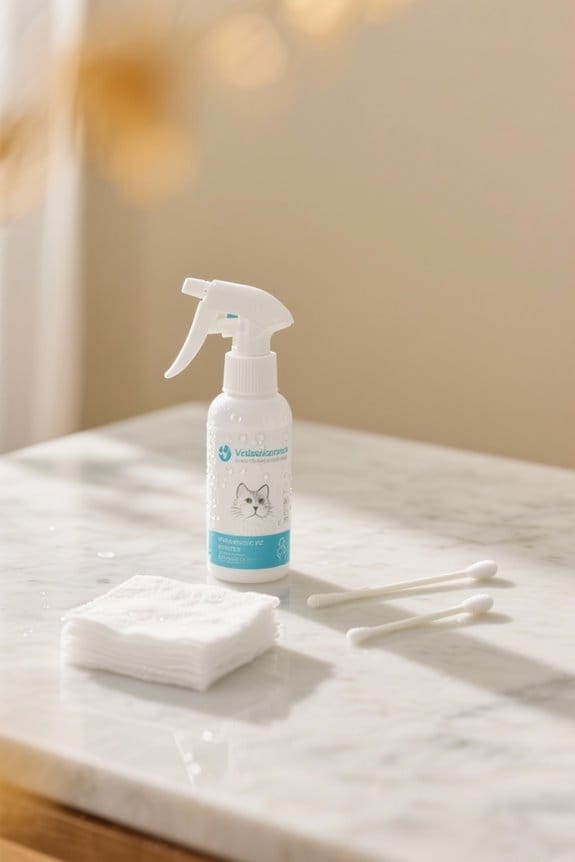
To clean our cat’s ears safely, we should use a vet-approved ear cleaning solution and clean cotton balls. First, we inspect the ears for excessive wax or signs of infection. Then, we gently pull back the ear flap, administer the solution while massaging the base for 20-30 seconds, and remove debris with a cotton ball. If our cat shows distress, we consult a veterinarian. This routine aids in preventing ear issues, and more detailed guidance follows.
Key Takeaways
- Use a vet-approved ear cleaning solution and clean cotton balls for safe cleaning.
- Gently pull back the ear flap to access the ear canal without causing stress.
- Administer the cleaning solution and massage the base of the ear for 20-30 seconds.
- Always remove debris with a clean cotton ball and allow your cat to shake its head.
- Avoid using cotton swabs and hydrogen peroxide to prevent irritation and injury.
Importance of Regular Ear Inspections
You may be interested


While we might think that our cats are independent creatures who can manage their grooming, establishing a routine practice of inspecting their ears weekly is essential for identifying possible health issues. Regular visual checks allow us to identify potential issues such as excessive wax buildup, ear mites, or inflammation. By detecting these conditions early, we can guarantee timely veterinary intervention. Additionally, we must also be mindful of any foul odors or unusual discharges, as these can indicate underlying problems requiring attention. Incorporating routine ear inspections into our grooming routine not only promotes our cat’s well-being but also reduces the risk of complications arising from neglected ear health. When problems are identified, using veterinarian-recommended solutions can effectively maintain healthy, odor-free ears between professional visits. Prioritizing these inspections can greatly enhance our understanding of our cat’s overall health.
Cleaning Methodology for Cat’s Ears

Inspecting our cats’ ears is only part of the ear health routine; cleaning their ears properly is equally important to prevent potential issues. To begin, we need a vet-approved ear cleaning solution, clean cotton balls, and a towel to securely hold our cat. Next, we gently pull back the inner ear flap to access the ear canal. Administer the cleaning solution without forcing it, then gently massage the base of the ear for 20-30 seconds to help break up debris. Afterward, use a clean cotton ball to remove any debris from the inner ear flap. When the cat shakes their head, it aids further debris removal. Finally, reward our cat with treats and praise to avoid irritation and make future cleaning easier. If we notice any eye discharge or irritation during our examination, we can also apply cat eye drops specifically formulated for pets to address these concerns.
Recommended Products

Developed in Collaboration with Veterinary Dermatologists: Recommended for the routine cleansing of sensitive ears in dogs, cats, puppies, and kittens of any age.

HELPS ALLEVIATE – This dog and cat ear cleaner was formulated with properties to help promote healthy ear canals. Rinse pet's ears daily with solution and massage area

Cat and dog ear cleaner – quickly and effectively clean non-infected ears in pets of all ages
When to Clean Cat’s Ears and Signs for Concern

Knowing when to clean our cat’s ears is essential for maintaining their overall health, as improper timing can lead to unnecessary stress and potential harm. We typically need to look for signs of infection, such as discharge, foul odor, or aggressive wax buildup, which may indicate ear infections. Certain breeds, like Scottish Folds or Sphynx, have unique ear structures that make them more prone to issues, so we may need to clean their ears more frequently. Incorporating regular inspections into our weekly routine allows us to catch potential health issues early. If our cat shows signs of distress, pain, or resistance during cleaning attempts, it’s prudent to consult a veterinarian instead of forcing the process. Having a cat first aid kit on hand can help us address minor ear irritations with antiseptic wipes and other essential supplies before they develop into more serious conditions.
Recommended Products

VET-DEVELOPED EAR WIPES: Formulated in consultation with a US-licensed veterinarian to gently remove dirt, wax, and debris from your pet's ears. Safe for routine at-home care and daily upkeep to help manage pets prone to ear infections

EXTRA-LARGE & EXTRA-THICK: Bigger, thicker finger wipes that won't tear mid-clean — one wipe covers more. Slip it over your finger to clean your dog's ears with full control, lifting wax, dirt and debris with no mess.

Convenient finger wipe design: Pre-moistened wipes slip onto your finger for easy, controlled cleaning deep within your pet's ear canals without fuss
Ear Mite Concerns and Veterinary Care

Ear mites are a common concern that can lead to significant discomfort for our cats. These parasitic infestations typically produce symptoms such as excessive scratching, head shaking, and visible inflammation in the ear canal. We may notice dark discharge resembling coffee grounds, indicating the presence of ear mites. The diagnosis often requires veterinary care, including an ear swab examination to confirm the infestation and to rule out other issues like yeast infections. Depending on the severity, treatment may involve professional ear cleaning and topical medications such as ivermectin or milbemycin oxime. When treating ear mites at home, alcohol-free treatments with soothing ingredients like aloe vera can help minimize irritation while effectively eliminating mites over a 7 to 10 day period. It’s essential to follow our veterinarian’s guidance closely and treat all pets in the household simultaneously to prevent reinfestations and guarantee effective ear cleaning and management.
Recommended Products

【Clean for Dogs 】Clean up ear instantly, . This Aloe the soothing formula is designed to support a clean ear environment and provide comfort, making it a reliable part of your pet's hygiene routine.. Formulated for regular ear care, our gentle drops help cleanse and refresh your pet's ears.
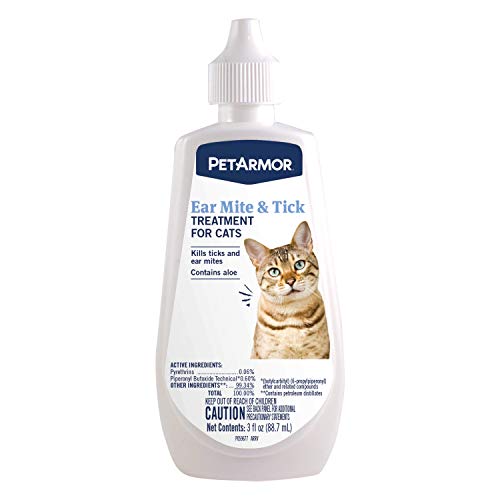
Kills Ear Mites and Ticks: PetArmor Ear Mite & Tick Treatment contains active ingredients that kill ear mites and ticks.

KILLS EAR MITES: Kills ear mites on contact and is suitable for dogs and cats 12 weeks and older.
Common Mistakes and Difficulties in Ear Cleaning

Cleaning a cat’s ears can be a nuanced process that presents several common pitfalls and challenges. One of the frequent mistakes is using hydrogen peroxide, which can cause irritation and dryness in the ear canal, potentially leading to infections. It’s crucial to ascertain the ear cleaning solution bottle’s tip is clean to avoid transferring bacteria. We must also avoid inserting cotton swabs directly into the ear canal, as this can push debris further inside, risking damage. Rushing the process raises our indoor cats’ stress levels, making future cleanings more challenging; therefore, maintaining calmness is necessary. Finally, we need to remember to reward our cats throughout the cleaning process, as this helps foster a positive association with ear care. Just as with dental care routines, flavor acceptance plays a crucial role in determining whether your cat will cooperate during ear cleaning sessions, so consider pairing the experience with treats they genuinely enjoy.
Recommended Products
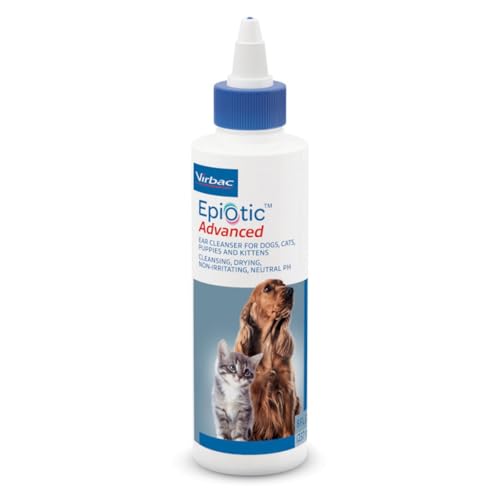
Developed in Collaboration with Veterinary Dermatologists: Recommended for the routine cleansing of sensitive ears in dogs, cats, puppies, and kittens of any age.

GENTLE CLEANING & EXCELLENT DESIGN: The soft and convenient finger wiping design fits your fingers, is not easy to slip off, and fits the structure of cats and dogs' ears better. The wet wipes are made of high-quality non-woven fabric and are designed with exquisite pearl patterns on both sides, which increases friction, provides deep cleaning and is more comfortable. It is quick and convenient to use and can safely and effectively remove wax accumulation and other debris from the sensitive ears

Ear care for dogs and cats - soothes ear infections, redness and inflammation for pets of all ages
Characteristics of Healthy Cat Ears
Maintaining the health of our cats’ ears is as important as ensuring their overall well-being, especially since these areas can be sensitive to various issues. Healthy cat ears should appear light pink and be free of debris, which indicates no presence of infections or infestations. Ideal conditions include minimal to no ear wax; a small amount of light brown wax is considered normal. The inner ear must be odorless, as any foul smells suggest an underlying issue requiring our attention. Additionally, we should remain vigilant for signs of inflammation, such as redness or swelling, which may indicate irritation or infection. Regular checks allow us to identify changes in ear health early, helping us prevent larger issues from developing. Routine cleaning can prevent infections and discomfort while enhancing overall ear hygiene and feline well-being.
Frequently Asked Questions
What Can I Use to Clean My Cat’s Ears?
We can use veterinarian-approved ear cleaning solutions and gentle supplies for cat ear care. Regular inspections help spot common ear issues early, and we should avoid DIY cleaning solutions. Professional vet cleaning guarantees safe, effective results for our cats.
Are You Supposed to Clean the Inside of Your Cat’s Ears?
We shouldn’t routinely clean our cat’s ears unless we notice signs of ear infection or excessive wax. Understanding ear anatomy basics and using safe cleaning products can help us maintain proper ear hygiene when necessary.
Is It Normal for Cats to Have Gunk in Their Ears?
It’s normal for cats to have some ear wax, but we should be mindful of excessive gunk, which could signal infections. Regular checks, vet recommendations, and proper cleaning frequency guarantee ideal ear health and hygiene.
Can I Use Baby Wipes to Clean My Cat’s Ears?
No, we shouldn’t use baby wipes for our cat’s ears. Instead, let’s rely on vet recommendations for safe products and effective cleaning techniques that prioritize ear health and our kitty’s comfort during grooming.