As an Amazon Associate, we earn from qualifying purchases. Some links on this site are affiliate links at no extra cost to you. Our recommendations are based on thorough research and editorial judgment.


How to Check Your Cat’s Skin Health During Grooming

To check our cat’s skin health during grooming, we should start by examining the coat for a shiny, smooth appearance, indicating proper nourishment. Next, we can run our fingers over the skin to feel for lumps, redness, or irritation. While grooming, we’re looking for excessive shedding or signs of flinching that suggest discomfort. Remember to inspect the paws and ears for any abnormalities as well. Continuing our process will reveal more essential insights into maintaining our cat’s skin health.
Key Takeaways
- Inspect for any lesions, rashes, or red spots while grooming, as these can signal skin issues or irritations.
- Check the coat for excess shedding, dullness, or greasiness, indicating possible health or nutritional problems.
- Ensure the skin is supple and clear; dry, flaky patches can be a sign of underlying health issues.
- Look for signs of discomfort during grooming, such as flinching or excessive grooming, which may indicate skin irritation.
- Examine your cat’s ears and paw pads regularly for wax buildup, cuts, or signs of infection that could affect overall skin health.
Importance of Regular Grooming
You may be interested


While we may often overlook our cat’s grooming needs, regular grooming is vital for maintaining skin health and overall well-being. Through frequent grooming sessions, we can effectively remove loose hair, dirt, and dead skin cells, which contribute to a clean, healthy coat. Additionally, regular inspections allow us to detect skin issues early, such as lesions, rashes, or excessive scratching that may indicate underlying health problems. Furthermore, grooming helps distribute natural oils throughout our cat’s coat, promoting a shiny appearance and supporting supple skin texture. By incorporating grooming into our routine, we not only strengthen the bond with our feline companions but also guarantee timely vet checks when abnormalities, like redness or bald patches, are identified during inspections. If we notice signs of excessive scratching during grooming, providing a durable scratching board can help redirect this natural behavior while supporting proper claw maintenance.
Signs of Healthy Skin and Coat

Understanding the signs of healthy skin and coat in our cats is paramount for ensuring their overall well-being and early identification of potential issues. A healthy coat appears shiny and smooth, indicating proper nourishment and care. During grooming, we should check that the skin is supple, clear, and free from greasiness or lumps, which suggests good health. We must also monitor for excessive scratching, as this could signal irritation. A normal amount of shedding is expected, while a clear skin tone reflects our cat’s well-being. Regular grooming helps distribute natural oils, enhancing the coat’s luster and promoting skin health. Ultimately, a balanced diet rich in proteins, carbohydrates, and fats considerably contributes to maintaining ideal skin and coat condition. Many cat owners have reported improvements in their cats’ coat condition and overall health when feeding high-quality wet food with real meat proteins and essential vitamins.
Common Skin Conditions in Cats
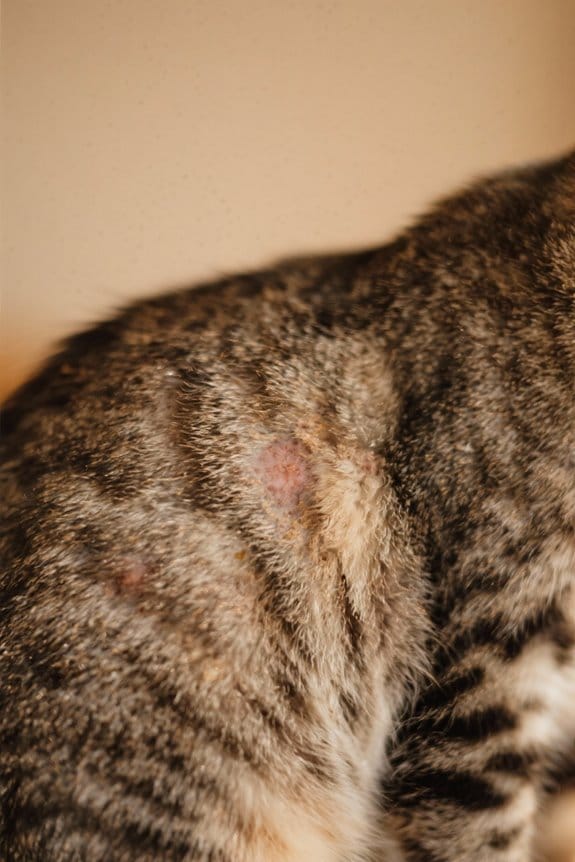
Identifying common skin conditions in our cats is crucial for timely intervention and treatment. Feline acne, which appears as blackheads on the chin, often results from stress or poor grooming habits. Another common sign is allergic dermatitis, triggered by environmental allergens, leading to significant itching and inflammation. We should be attentive to parasitic infestations like fleas or ear mites; these can cause excessive scratching and potentially result in hair loss. Additionally, the eosinophilic granuloma complex may manifest as lesions requiring veterinary care. Persistent dry, flaky skin may indicate underlying health issues that can improve with a proper diet and specialized shampoos. For flea-related skin problems, topical flea treatments can kill adult fleas, larvae, and eggs within 12-24 hours while providing up to 30 days of protection. Therefore, monitoring skin health during grooming sessions is essential for early detection and management of any concerns.
Recommended Products
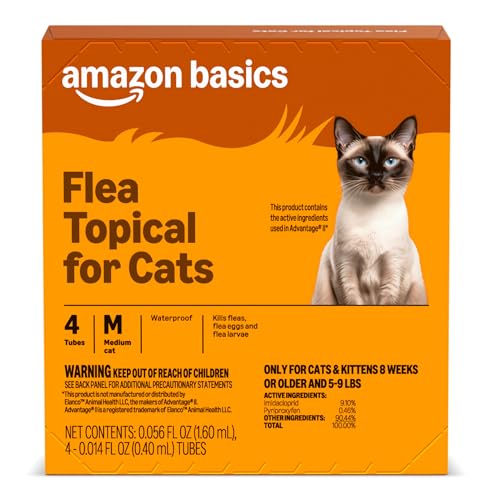
SHIPMENT CONTAINS: One 4-dose pack of topical flea treatment for Medium Cats (5-9 pounds)
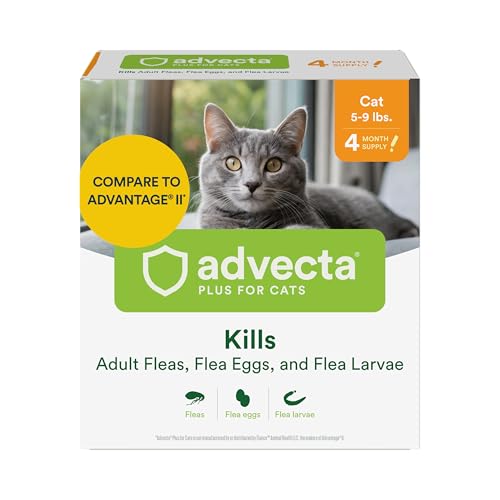
Active Ingredients That Work: This Advecta Plus Cat Flea Treatment contains the same active ingredients as used in Advantage II for Cats* (imidacloprid & pyriproxyfen)

Active Ingredients That Work: This Advecta Plus Cat Flea Treatment contains the same active ingredients as used in Advantage II for Cats* (imidacloprid & pyriproxyfen)
Techniques for Effective Grooming

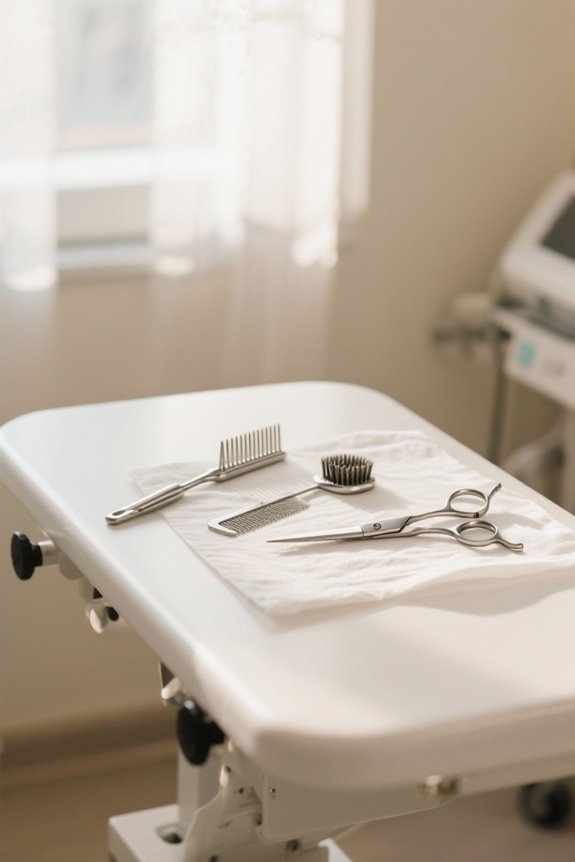
Grooming our cats effectively requires several important techniques that promote both cleanliness and skin health. We should begin by using a metal comb for short-haired cats or a long-toothed comb for medium to long-haired cats, working from head to tail. This approach helps detangle fur while distributing natural oils. Regularly checking for tangles or mats is crucial; we can use our fingers to gently separate small knots, avoiding scissors. During grooming, we must part the fur for thorough skin inspection, looking for redness, irritation, or abnormalities that may signal underlying issues. Additionally, incorporating ear checks and paw checks allows us to monitor for wax buildup or injuries. A slicker brush can be particularly effective for removing loose hair and dander while stimulating natural oils, which contributes to maintaining optimal skin health during our grooming sessions. Finally, evaluating our cat’s coat condition guarantees a shiny coat indicative of good skin health.
Recommended Products

Clean Pets, Clean House: Depets cat & dog brush for shedding can easily remove loose hair, shedding mats, dander and dirt of your pet, which not only keep your pet clean, but also provide you with a clean and hygienic home environment

【Easy Desheding】: Swihauk self cleaning dog brush for long haired dogs with release bottom helps effortlessly reduce shedding. A must have dog brush for short haired dogs, cat brush for indoor cats, cat brush for shedding, slicker brush for dogs.

【Easy Desheding Brush】: THe self cleaning dog brush for long haired dogs and short haired dogs with release bottom helps effortlessly reduce shedding. It's the one cat brush for indoor cats you must have, cat brush for shedding, slicker brush for dogs and horses.
Inspecting Your Cat’s Coat

Inspecting your cat’s coat is essential for maintaining overall skin health, as regular examinations can reveal potential issues before they escalate into serious problems. During grooming sessions, we should carefully part the fur to check for smoothness, lumps, or discoloration. Observing signs like excessive scratching, licking, or visible lesions may indicate allergies or infections that require attention. We need to monitor the coat’s shine and texture, as a dull or brittle coat can signal underlying health problems or nutritional deficiencies. Additionally, it’s vital to inspect for parasites or irritations, especially around areas like the tail and abdomen, where redness or bald patches may be present. Healthy skin appears supple; any flakiness or greasiness might necessitate veterinary consultation. Using a slicker brush with fine, coated bristles can help you thoroughly examine the skin while gently removing loose fur and debris that might obscure underlying issues.
Observing Behavior During Grooming
While we might think of grooming as merely a routine activity, observing our cat’s behavior during these sessions can be vital for identifying potential skin health issues. We should watch for signs of discomfort, such as flinching, vocalizing, or trying to escape, which could indicate pain or existing skin issues. Additionally, noting the areas our cat avoids during grooming is important, as reluctance to touch specific spots may signal irritation or ongoing problems. Be vigilant regarding excessive grooming behaviors, like persistent licking, which can lead to bald patches and may suggest stress or skin conditions. Finally, monitor any changes in grooming habits, as sudden declines might highlight pain, obesity, or other significant health concerns that could affect mobility. If stress or anxiety appears to be contributing to excessive grooming behaviors, consider using calming treats that contain ingredients like L-theanine or melatonin to help reduce anxiety-related grooming issues.
Identifying Red Flags in Skin Health
To maintain our cat’s skin health, recognizing the red flags indicating potential issues is essential. We should be aware that excessive scratching, licking, or biting can signify skin irritation caused by underlying health issues such as allergies or parasites. While grooming, we must inspect for visible lesions, sores, or bumps; these abnormalities require immediate veterinary evaluation. Additionally, a dull, flaky, or greasy coat may point to nutritional deficiencies that necessitate dietary adjustments or further veterinary care. Signs of redness, swelling, or infection around the ears or paws can indicate conditions like ear mites or bacterial infections, demanding prompt attention. Finally, changes in grooming behavior, such as our cat avoiding certain areas, might indicate pain or discomfort related to skin conditions. If we notice persistent itching or digestive disturbances, consulting a veterinarian for personalized dietary recommendations can help identify potential food allergies affecting skin health.
Understanding Shedding Patterns
Managing our cat’s skin health involves not only recognizing potential issues but also understanding normal biological processes like shedding. Shedding is natural, yet excessive shedding can signal underlying health problems, such as allergies or infections. We should routinely check our cats during regular grooming sessions, observing their shedding patterns, especially during seasonal changes in late spring and late fall. For indoor cats, lower shedding may occur year-round, but any sudden increase warrants a vet consultation. Knowledge of your cat’s coat type, whether short or long-haired, is essential in determining the appropriate management and frequency of grooming needed to control shedding effectively. Addressing loose hairs promptly prevents mats, which can lead to discomfort and potential skin problems. During grooming, we can also inspect the skin for any signs of wear or irritation that may require immediate attention.
The Role of Nutrition in Skin Health
How can we ascertain our cats maintain ideal skin health through their diet? A balanced diet rich in high-quality proteins, essential fatty acids, and antioxidants is vital for optimal skin health. Foods containing Omega-3 and Omega-6 fatty acids, such as fish oil, enhance hydration and reduce inflammation, leading to healthier skin. We should also consider commercial cat foods specifically designed for skin and coat health, which often include additional nutrients like Zinc and Biotin. Inadequate nutrition can result in excessive shedding and increase the risk of various skin conditions, including allergies. Some pet owners also supplement their cat’s diet with taurine for cardiovascular and overall health benefits, which can indirectly support skin vitality. Consequently, consulting with a veterinarian about our cat’s dietary needs based on their age, weight, and lifestyle guarantees proper nutrition for good skin health and overall well-being.
Recommended Products

Salmon Oil for Dogs and Cats You Can Trust: HEAPETS fish oil for dogs and cats are manufactured in FDA-registered facilities that are GMP-certified. Each salmon oil is tested by third-party to ensure it meets standards for quality and safety.

SHIPMENT CONTAINS: 8 fl oz bottle of Wild Alaskan Salmon Oil supplement for dogs and cats of all ages

Joint & Coat Dual Support: VICSOM Collagen for Cats Drops offer dual support for joint health and coat vitality. This premium formula helps nourish and maintain joint flexibility, while promoting a shiny, healthy coat. Ideal for cats experiencing joint stiffness or dull fur, these cat collagen drops support long-term health and comfort.
Grooming Tips for Long-Haired Cats
Caring for the skin and coat of long-haired cats necessitates a meticulous grooming routine that not only enhances their appearance but also supports overall skin health. We should groom daily to prevent tangling and matting, as their fine fur easily clumps. Begin with a long-toothed metal comb for gentle detangling, working from the fur tips to the roots to minimize discomfort. Always check for skin abnormalities such as redness, scabs, or lumps during grooming, as these can indicate issues requiring a veterinarian’s attention. Incorporating a slicker brush can also aid in removing loose hair and dander, promoting a healthier coat. A specialized dematting rake proves particularly useful for removing dead hair and preventing severe matting in medium and long-haired cats. Proper grooming guarantees our long-haired cats maintain their beauty and well-being while making sure their skin stays healthy.
Recommended Products
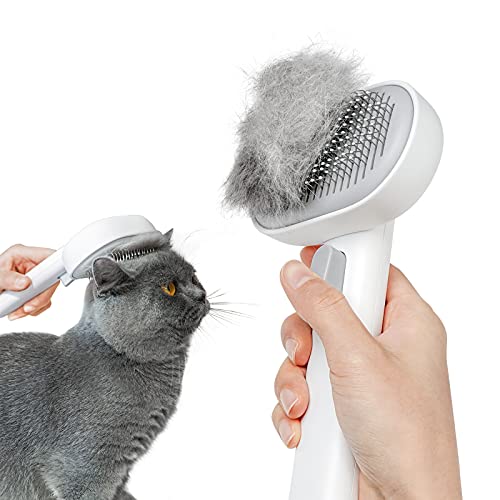
【Professional Cat Hair Brush】Perfect gift for pet owners, vets, and pet groomers. Using this cat brush for long haired cats on a regular basis can gently and effectively remove loose hair, tangles, knots, dander and trapped dirt. Suitable for short, medium or long, thick, thin or curly haired dogs/cats/rabbits, making your pets shiny and healthy.

【CAT GROOMING BRUSH】Cat brush with release button can gently and effectively remove loose hair, tangles, knots, dander and trapped dirt. Suitable for short, medium or long, thick, thin or curly haired dogs/cats/rabbits, making your pets shiny and healthy.

𝙉𝙊 𝙈𝙊𝙍𝙀 𝙎𝘾𝙍𝘼𝙏𝘾𝙃𝙀𝙎 - 𝙎𝙆𝙄𝙉 𝙎𝘼𝙁𝙀 𝙁𝙊𝙍 𝙎𝙀𝙉𝙎𝙄𝙏𝙄𝙑𝙀 𝘾𝘼𝙏𝙎:Engineered with rounded outer teeth that gently massage the skin without irritation. The sharp inner edges safely slice through the toughest mats without pulling or tugging, turning a stressful grooming chore into a soothing bonding massage.
Ear and Paw Inspections
Regular inspections of a cat’s ears and paws are essential components of maintaining overall skin health. During grooming, we should perform weekly ear checks for wax buildup or debris, with attention to the healthy, hair-covered outer ear flap and light pink inner surface. If we notice any redness, swelling, or unusual discharge, it may indicate inflammation or infection. For paws, we must inspect for cuts, sores, or foreign objects that can lead to infections; ensuring daily cleaning is vital for paw health. Additionally, we should pay close attention to paw pad condition, checking for cracks and sensitivity, particularly during extreme weather. Monitoring our cat’s behavior can also reveal discomfort, such as excessive scratching or limping, signaling a need for veterinary attention.
Responding to Skin Issues
Identifying and addressing skin issues in our cats requires vigilance and a systematic approach. During grooming sessions, we should be alert for excessive scratching or licking, behaviors often signaling underlying problems such as allergies or infections. We need to inspect for visible symptoms like redness, sores, or bumps, as these indicators help us catch issues early. Additionally, we must check for parasites, including fleas and mites, which can irritate the skin and lead to infections. We should also examine for dry, flaky, or cracked skin, as this can point to nutritional deficiencies. If we notice persistent abnormalities in coat texture or lesions, thoroughly concluding that veterinary attention is necessary for accurate diagnosis and suitable treatment is essential.
Recommended Products

Made with functional, scientifically tested ingredients, our formula includes L-lysine for cats for the immune system, colostrum for seasonal allergy support, fish oil for healthy skin & glossy coat, & Sporevia to support the gut & digestive system

BEST IN PET SKIN CARE: Our cat allergy relief for cats is anti itch moisturizing lotion for DRY ITCHY SKIN fits all cat first aid needs! SOOTHES & HYDRATES as a healing ointment for pets –Cat Dermatitis Treatment for Cat Scabies or Cat Mange Treatment, Nose + Paw Butter for cats, a Burn Gel, Cat Acne Treatment, plus Hotspot, Rashes, Minor Cuts, Bites, Wounds + More. Made in a USA, GMP certified, lab tested facility for standards you can trust.

Unparalleled Support: Our delicious chicken-flavored crunchy chews help soothe your cat’s skin-related issues like seasonal allergy itch relief for cats; immune function is correlated with gut health, we included ingredients to support from within
When to Seek Veterinary Care
When noticing signs that could indicate skin problems, it’s essential to understand when to seek veterinary care for our cats. If we observe excessive scratching, licking, or biting leading to visible lesions or sores, a veterinary consultation is necessary. Additionally, any unusual discharge from ears or eyes, or sudden changes in the color of the nose, warrant assessment for underlying conditions. We should also pay attention to sudden changes in coat texture, like excessive dullness or shedding, which indicate potential health concerns. If our cat displays persistent dry skin, compulsively grooms, or shows signs of distress, such as irritability or reluctance to be touched, these may also signal the need for recruitment intervention and veterinary evaluation.
Frequently Asked Questions
How Do I Tell if My Cat Has a Healthy Coat?
To tell if our cat has a healthy coat, we should check the fur texture, coat shine, and shedding frequency during our grooming routine, ensuring proper oils distribution, skin hydration, and looking for parasites with our grooming tools.
When to Be Concerned About Cat Grooming?
We should be concerned about cat grooming signs like excessive licking, fur loss reasons, or behavioral changes. Noticing unhealthy coat indicators or skin irritation triggers means it’s time to seek professional grooming advice and evaluate for parasites or allergies.
How Do I Know if My Cat Has a Skin Disease?
We should watch for symptoms of skin disease like excessive scratching behavior, red inflamed areas, flaky dry skin, abnormal hair loss, crusty skin patches, and signs of infection like flea infestation symptoms or ear skin issues.
Can My Cat Get Scabs From Over Grooming?
Yes, our cats can get scabs from over grooming. We should watch for skin irritation signs, allergy symptoms, and stress factors. Using proper grooming tools and seeking veterinary advice can help prevent skin infections and maintain coat health.