As an Amazon Associate, we earn from qualifying purchases. Some links on this site are affiliate links at no extra cost to you. Our recommendations are based on thorough research and editorial judgment.


Understanding Over-Grooming: When to Be Concerned

Over-grooming in cats occurs when grooming exceeds 2-5 hours daily, leading to significant health issues such as fur loss, skin infections, or gastrointestinal blockages. Understand common signs, including hair loss in symmetrical patches, skin irritation, and behavioral changes like irritability or withdrawal. It’s vital to identify potential underlying causes, such as stress, allergies, or medical conditions, by consulting your veterinarian. Timely intervention can prevent serious complications; next, we’ll explore treatment options and preventive measures.
Key Takeaways
- Over-grooming leads to symptoms like visible hair loss, particularly in patches on the abdomen and inner thighs.
- A sudden increase in grooming, accompanied by skin redness or irritation, requires immediate veterinary evaluation.
- Behavioral changes, such as withdrawal or irritability, may signal distress related to stress or underlying health issues.
- Regular veterinary check-ups are essential to rule out medical conditions causing excessive grooming activities.
- Environmental enrichment and a consistent routine can help reduce boredom and stress, mitigating grooming problems.
What Is Over-Grooming in Cats?
Over-grooming in cats is a serious behavior that can greatly impact their health and well-being. This phenomenon, often referred to as psychogenic alopecia, is characterized by excessive grooming that extends beyond the typical 2-5 hours a day, leading to noticeable fur loss and bald patches. These patches primarily appear on the abdomen, inner thighs, and flanks. The implications of over-grooming can be significant, resulting in skin infections, open wounds, and even intestinal blockages from ingested hair. Understanding the underlying cause is essential; excessive grooming can stem from stress, allergies, pain, or boredom. Recognizing these behavioral issues allows us to address not only the physical but also the psychological aspects affecting our cats, ensuring their overall health and comfort. Having a cat first aid kit on hand can help you manage minor wounds and skin irritations that may result from over-grooming episodes.
Common Signs of Over-Grooming
Recognizing the common signs of excessive grooming is vital for identifying potential health concerns in our cats. Over-grooming in cats manifests as visible hair loss, often in symmetrical patches on the belly, inner thighs, and flanks. We should observe any sudden increase in grooming activity, as excessive licking can indicate stress or underlying skin issues. Skin irritation, redness, or broken hair shafts often accompany these behaviors, emphasizing the need for vigilance. Additionally, we must monitor for behavioral changes, such as withdrawal or irritability, which may indicate distress. If our cat displays open wounds or sores, it’s important to seek veterinary care immediately. When hot spots develop from over-grooming, non-toxic wound care sprays can provide safe and effective relief while addressing the underlying skin irritation. These signs of over-grooming warrant prompt attention to prevent further complications and guarantee our cat’s well-being.
Recommended Products

Helps Clean & Reduce Risk of Infection – Formulated to gently cleanse cuts, abrasions, and areas of irritation while supporting a healthy environment for recovery.

Gentle Caring Formula: Formulated with water, silver chloride, aloe vera extract, vitamin E, and tea extracts, this blend offers gentle support commonly needed in cat wound care and hot spot treatment for cats. Ideal for soothing discomfort after minor scratches or bites, it naturally fits into regular pet wound care for cats routines without causing stress to sensitive skin

HEALING AID AND SKIN REPAIR: Use a few times daily to flush and decontaminate your cat's wounds, cuts, abrasions, sores, and irritations.
Causes of Over-Grooming in Cats
While many pet owners may not realize it, a variety of factors can contribute to excessive grooming behaviors in cats, necessitating our attention and understanding. Medical conditions like skin allergies, infections, and pain from arthritis or urinary tract infections can trigger over-grooming. Environmental factors, including boredom or lack of stimulation, often lead to compulsive grooming habits. Stress and anxiety, usually arising from changes in the household or the introduction of new pets, greatly contribute to this behavior. Additionally, certain cat breeds, such as Siamese and Burmese, exhibit heightened sensitivity to stressors. Finally, parasites like fleas and mites cause itching, prompting cats to excessively groom affected areas. Maintaining a clean litter box environment is essential, as poor hygiene can contribute to stress and urinary tract issues that may lead to over-grooming behaviors. Understanding these causes allows us to implement effective behavioral modification strategies for our feline friends.
Recommended Products
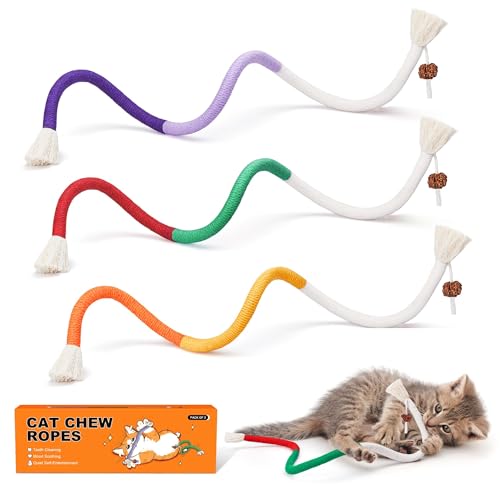
Teething Fun: Ideal for kittens and cats alike, these chew toys are an essential addition to your kitty’s dental care. With natural gall fruit and rope design, the toys are perfect for teething and teeth cleaning, they combat tartar and freshen breath, making dental hygiene a fun activity for your little one!

Interactive Level 2 Cat Puzzle Toy: 13" x 9.5" cat puzzle feeder that triggers natural hunting and foraging instincts. Level 2 adjustable difficulty for beginner to advanced cats.

Comforting Warmth & Security – Buckwheat-filled pouch gently warms, providing cozy comfort for cats who crave a safe, snuggly spot.
When to Contact Your Veterinary Team
When should we reach out to our veterinary team about our cat’s grooming habits? If we notice signs of over-grooming, such as open wounds, severe skin irritation, or apparent infection, we must contact our veterinary team without delay. Additionally, a sudden increase in grooming behavior, especially if paired with changes in appetite, drinking, or litter box usage, warrants prompt attention. Routine check-ups become important if our cat shows persistent hair loss or while exhibiting any concerning changes in behavior, like becoming unusually clingy or withdrawn. Trusting our instincts is vital; if we perceive a significant alteration in our cat’s grooming behavior that raises concern, reaching out for professional advice is imperative for addressing potential medical issues effectively. Just as professional consultation is recommended for managing urinary health conditions and understanding supplement interactions with medications, seeking veterinary guidance ensures we receive customized advice based on our cat’s specific health needs.
Recommended Products

HEALING AID & PROTECTION: Spray a few times daily to help protect, moisturize and provide healing relief to cat wounds and topical skin issues.

HEALING AID & SKIN REPAIR: Use a few times daily to flush dog cuts, abrasions, sores, and skin irritations

BEST IN PET SKIN CARE: Our cat allergy relief for cats is anti itch moisturizing lotion for DRY ITCHY SKIN fits all cat first aid needs! SOOTHES & HYDRATES as a healing ointment for pets –Cat Dermatitis Treatment for Cat Scabies or Cat Mange Treatment, Nose + Paw Butter for cats, a Burn Gel, Cat Acne Treatment, plus Hotspot, Rashes, Minor Cuts, Bites, Wounds + More. Made in a USA, GMP certified, lab tested facility for standards you can trust.
How Your Vet Will Diagnose Over-Grooming
Diagnosing over-grooming in cats requires a systematic approach, beginning with a thorough assessment of your pet’s grooming behavior. Our veterinarian will gather detailed information regarding the duration, frequency, and specific areas your cat is overgrooming. Next, a physical examination will be performed to evaluate the skin’s condition while checking for potential underlying medical issues such as parasites or infections. To further investigate, diagnostic tests, including skin scrapings, allergy tests, or blood work, may be necessary. The vet will also discuss any recent environmental changes or stressors that could be affecting your cat’s behavior. Based on these findings, the veterinarian will create a treatment plan, which might involve medical interventions or behavioral modifications tailored to address the cause of the overgrooming behavior. In some cases, your vet may recommend cat-specific supplements to support skin and coat health during the recovery process.
Treatment Options for Over-Grooming
Treatment options for over-grooming in cats can vary widely, depending on the underlying cause and severity of the behavior. We should first consult a veterinarian to identify any underlying medical conditions, such as allergies or infections, which may require medications like antibiotics or anti-inflammatories. In addition to medical treatment, seeking a veterinary behaviorist‘s help can assist us in implementing behavioral modifications that target specific stressors or anxiety triggers. Incorporating environmental enrichment, like interactive toys and climbing structures, is crucial for providing mental stimulation. Establishing a consistent routine for feeding and playtime helps minimize stress-related grooming behaviors. Regular grooming sessions are essential for monitoring the cat’s skin condition to detect early signs of over-grooming. When grooming your cat, use tools with soft edges designed for pet safety to prevent any additional skin irritation during the recovery process.
Recommended Products
![Qraxond Interactive Cat Toys for Indoor Cats,[Newly Upgraded] Rechargeable Touch Activated Hide and Seek Kitten Toys for Bored Indoor Adult Cats with Fluttering (Blue)](https://m.media-amazon.com/images/I/51qR4cw+OyL._SL500_.jpg)
【Top-Tier Dual Interactive Fun】Qraxond's new indoor cat toy has dual motors, controlling random rotation of butterfly and plush tail swing rod accessories, bringing fun, exciting play for kittens and adult cats. 🎁Hide-and-Seek: The animal tail-shaped plush hides under the cover cloth, rotating irregularly to appear/disappear, creating a hide-and-seek game. It mimics real prey, bringing unpredictable chases to stimulate the cat’s brain and senses. 🦋Irregular Rotating Butterfly: The top has an auto-rotating butterfly that rotates, pauses or swings to simulate real flight, keeping the cat engaged. Various interactions ensure the cat gets enough exercise to avoid obesity.

[3 in 1, Most Versatile Cat Toy Ever] – shooting feather from random holes, flying butterfly and balls in the track. The fluffy feather keeps hiding and popping out from random holes, unpredictable movement stimulates cats to swat and play. Lifelike butterfly that flaps around in the air like real easily prompts cats to pounce and bat. The balls which you can put in the track add extra fun when cats stick their claws into the track and bat the balls

【The First Real Random Trajectory Automatic Cat Laser Toy】The built-in dual motor moves the laser point trajectory randomly, stimulating your pet's hunting instincts and keeping them engaged.For a better play experience, it is recommended to place the toy on a table at a height of 8-35 inches. Avoid positioning it near corners.
Prevention Strategies for Over-Grooming
To effectively prevent over-grooming in our cats, we must implement a multifaceted approach that addresses both environmental and behavioral factors. Regular grooming, at least once a week, helps us monitor grooming habits, making it easier to detect early signs of compulsive grooming. Environmental enrichment, including toys, scratching posts, and climbing structures, alleviates boredom, which can trigger over-grooming. Establishing a consistent daily routine for feeding and playtime fosters security, reducing stress. Incorporating synthetic feline pheromones in our homes can create a calming atmosphere, lessening anxiety-related grooming behaviors. Regular vet visits allow us to discuss grooming habits, enabling timely intervention if needed. For cats that experience travel-related anxiety, investing in a carrier with ergonomic design features can help reduce stress during vet visits and transportation. By taking these proactive measures, we can considerably reduce the risk of over-grooming in our feline companions.
Recommended Products

Valua Pack – This cat pheromone diffuser set making it easier to provide a calming environment in multiple rooms or for multiple cats.

Valua Pack – This cat pheromone diffuser set making it easier to provide a calming environment in multiple rooms or for multiple cats.

[Cat Pheromone Diffuser]The tcllka cat pheromone diffuser set includes 2 charging plugs and 4 bottles of replacement liquid (48ml each). The cat calming diffuser can keep the cat calm and not attack suddenly. Pheromone diffuser to calm cats is a sedative product for cats, cat diffuser calming can play a role in soothing and relaxing cat nerves, providing comfortable sleep for cats and pets. Cat diffuser calming comes in two packs together in a beautiful box, very easy to use use and storage
The Importance of Professional Care
Recognizing the signs of over-grooming in our cats is only the beginning; taking prompt action through professional care is essential. When we notice bald patches or skin irritation, it’s vital to seek veterinary care to rule out underlying medical conditions. Regular check-ups not only aid in early detection of skin infections or allergies, but can also prevent health complications that arise from excessive grooming. A veterinarian can perform professional assessments, helping to distinguish between behavioral over-grooming and those caused by medical issues. They can develop tailored treatment plans that may incorporate medication, allergy testing, or referrals for stress-related behavioral assessments. Addressing over-grooming early greatly reduces the risk of severe skin conditions and other related health complications. Beyond addressing the immediate grooming concerns, maintaining your cat’s overall health benefits through proper dental hygiene can contribute to their well-being and reduce stress-related behaviors.
Frequently Asked Questions
What Is Considered Excessive Grooming?
Excessive grooming’s often marked by significant fur loss and can be triggered by stress signals, habitual behaviors, or environmental influences. We should watch for anxiety symptoms, skin conditions, and health implications related to our pets’ grooming.
What Does Excessive Grooming Look Like?
We’ve seen excessive grooming manifest as fur loss and skin irritation, with noticeable patterns of licking. Often, anxious behaviors accompany this—like changes in behavior, compulsive habits, and time spent licking due to grooming triggers.
Is Over Grooming Behavioral or Medical?
Over-grooming can be both behavioral and medical. We should consider stress factors or environmental influences while evaluating for medical conditions like skin irritations or allergic reactions. Each situation requires different coping mechanisms and responses.
What Does Dominance Grooming Look Like?
We’ve all witnessed the intricate dance of dominance grooming, where subtle grooming signals reveal animal hierarchy. Through these controlling actions, one cat displays submission signs, while strengthening social interactions—an emotional pack mentality amidst feline rivalry, fascinating yet complex.


