As an Amazon Associate, we earn from qualifying purchases. Some links on this site are affiliate links at no extra cost to you. Our recommendations are based on thorough research and editorial judgment.


Why Do Cats Groom Themselves? Natural Grooming Behavior

Cats groom themselves primarily for health maintenance, social bonding, and temperature regulation. Their unique anatomical features, such as their ultra-flexible bodies and barbed tongues, allow effective cleaning and removal of dirt, parasites, and loose fur. Grooming stimulates oil production essential for skin health and provides cooling through saliva evaporation. Additionally, mutual grooming reinforces social bonds among cats. By understanding these behaviors, you can identify when grooming becomes excessive and learn how to manage it effectively for overall well-being.
Key Takeaways
- Cats groom themselves to maintain coat health by removing dirt, parasites, and loose fur, and this behavior occupies a significant portion of their daily activities.
- The backward-facing barbs on their tongues help dislodge loose hair and dirt, aiding in effective cleaning.
- Grooming stimulates sebum release, ensuring proper fur maintenance and contributing to scent-marking behaviors.
- Self-grooming acts as a self-soothing mechanism during stress, providing comfort and relaxation through rhythmic patterns.
- Additionally, grooming promotes social bonds among cats, especially through mutual grooming, which reinforces group scent recognition.
All the Right Parts
When we consider the grooming behavior of cats, we must recognize the unique anatomical features that facilitate this essential activity. Cats possess flexible bodies and sharp, comb-like paws that efficiently remove dirt and debris, ensuring a clean coat. Their tongues, covered in backward-facing barbs, enhance grooming capabilities by effectively dislodging loose hair, parasites, and dirt. This behavior is vital for maintaining healthy skin, as grooming stimulates the release of sebum from sebaceous glands, which lubricates and waterproofs the fur. In addition, the use of front paws during grooming stimulates oil glands, aiding scent-marking behaviors. In regulating body temperature, the evaporation of saliva from their finely groomed fur serves as a cooling mechanism, especially in warmer conditions, highlighting the importance of grooming. Increased grooming may also indicate discomfort or underlying health issues that require veterinary attention.
Reasons for Grooming Behavior
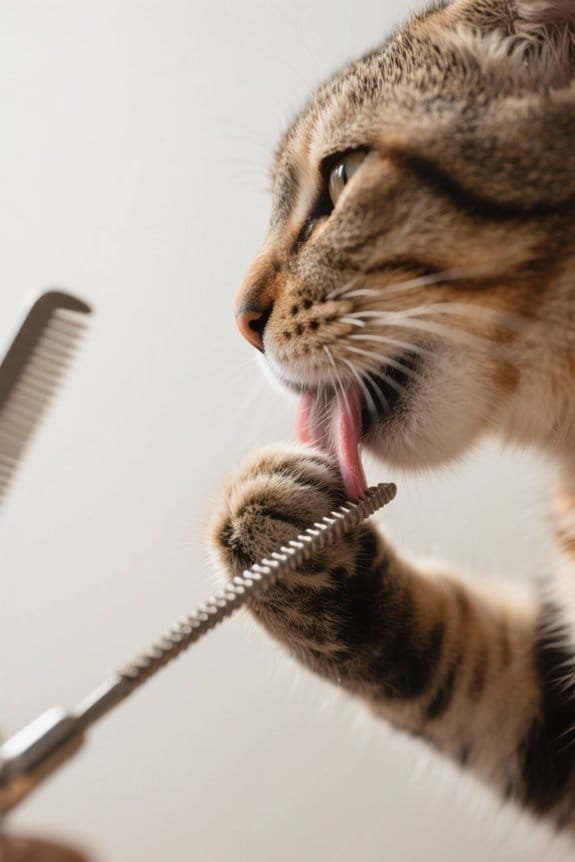
Grooming behavior in cats is driven by various factors that extend beyond mere cleanliness. Primarily, it helps maintain coat health by removing dirt, parasites, and loose fur, while redistributing natural oils essential for skin well-being. Notably, grooming occupies 30-50% of a cat’s daily activity, demonstrating its significance. However, excessive grooming can indicate potential issues such as stress and anxiety. When faced with challenging situations, cats often engage in this instinctual behavior as a self-soothing mechanism, allowing them to cope with discomfort or emotional turmoil. Their unique tongues, designed with backward-facing barbs, effectively assist in this process. Understanding these elements is fundamental for recognizing healthy grooming patterns versus behaviors needing intervention or veterinary attention, ensuring our feline companions remain well-balanced. While cats naturally groom themselves, supplementing with regular brushing sessions 3-4 times per week helps further reduce shedding and supports early detection of skin issues or parasites.
Recommended Products
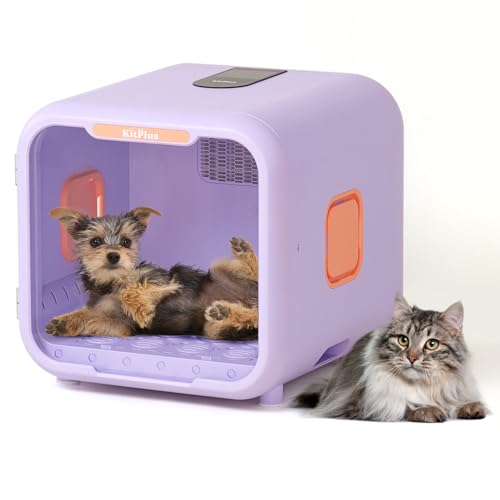
Save Hundreds on Grooming Costs – Skip expensive salon visits (up to 100 persession). This pet dryer box of fersa one−time investment (under400) for lifetime use. Features adjustable temperature, timed drying, and hands-free operation—perfect for daily pet care

◆【55L for Various Pets】This 55L automatic pet dryer can accommodate different types of pets,such as cats, puppies,chinchillas,rabbits,squirrels,or other small furry animals.pet dryer box helps alleviate pets' anxiety and fear, providing them with ample activity space.

🐱【A Game Changer for Pet Grooming】Flying and messy cat hair drives you crazy everyday? Our cat hair vacuum will help you out. It not only groom hair but also vacuums the 99% hair. No extra cleaning of the hair by hand, really keep your room tidy and make pet de-shedding easy and cozy.
Grooming as a Social Activity
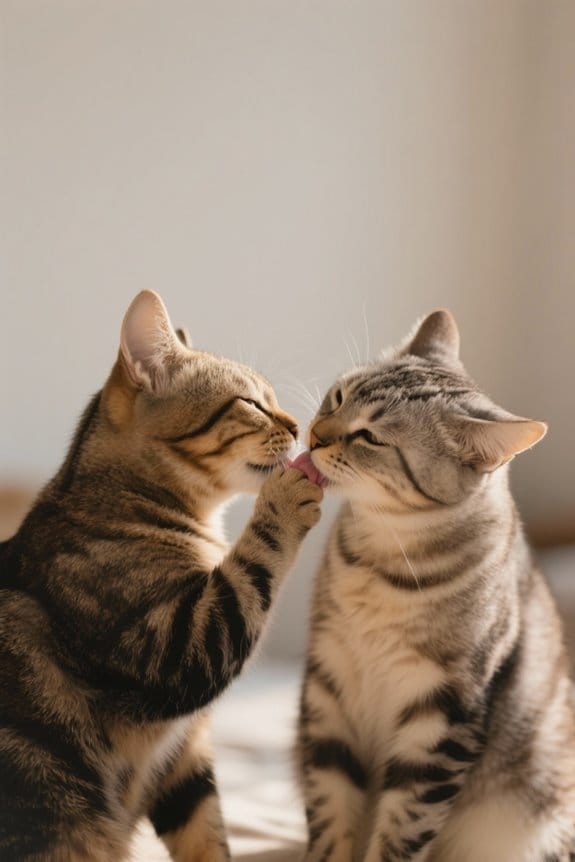
Although many may think of grooming solely as a hygienic behavior, it serves vital social functions among cats that reflect their complex interactions. Cats groom each other, known as allogrooming, which helps strengthen social bonds and express affection. This behavior that helps create a shared group scent aids in recognition within their social structure, particularly important in wild species. In social hierarchies, dominant cats often initiate grooming, while submissive cats are more frequently groomed. Additionally, when cats groom humans, it signifies trust and comfort, reinforcing their relationships. Some cats are naturally more social and inclined towards allogrooming, while others may prefer to groom themselves. Regular grooming sessions can further strengthen these owner-pet bonds while helping to manage shedding and reduce allergens in the home. Understanding these dynamics is essential for fostering healthy environments for our feline companions.
Signs of Over-Grooming
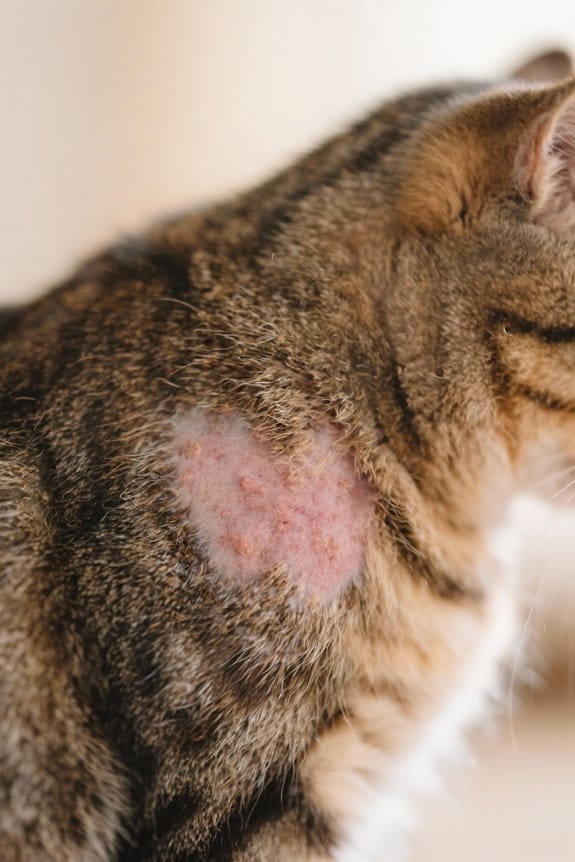
Noticing changes in a cat’s grooming behavior is important, as these alterations can indicate over-grooming, which may lead to significant health issues. We should look for signs like bald spots, often referred to as psychogenic alopecia, which may suggest stress or behavioral problems. Additionally, excessive licking can cause skin lesions, redness, or scabs, indicating that your cat is damaging its skin.
Another common sign of over-grooming is “barbered” fur, where the hair appears shorter and uneven compared to bald patches. If we observe a sudden or significant change in grooming habits, it may signal underlying health issues that require veterinary attention. Monitoring these signs can help prevent further complications, including potential secondary infections. In cases where over-grooming leads to skin irritation or secondary infections, topical treatments may be necessary to address both the symptoms and any parasitic causes that could be contributing to the excessive grooming behavior.
Recommended Products

Made in the USA.

The next step in our Hypoallergenic lineup, the all-important conditioner! Our lightweight formula is free of harsh chemicals and dyes, making it the perfect conditioner for daily use!

Soothe Dry, Irritated Skin Fast: EQyss Micro-Tek Pet Shampoo is fast-acting to help your dog, cat, puppy, or kitten stop scratching, itching, biting, or licking hot spots in as little as 1 bath! It provides a healthy environment for healing and is more effective than Oatmeal, Coal Tar, or Tea Tree shampoos.
Managing Grooming Behavior
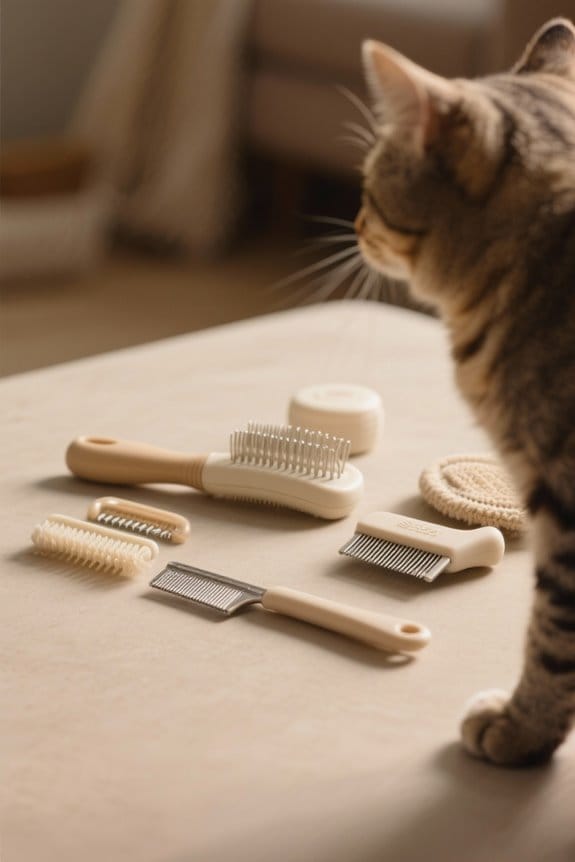
When managing grooming behavior in cats, it is essential to implement several strategies that address both physical and emotional needs. First, engaging in interactive play for at least 30 minutes daily fosters emotional well-being and reduces anxiety-induced obsessive grooming. Additionally, we should provide puzzle feeders to alleviate boredom, which also helps mitigate the urge to over-groom. Regular daily brushing promotes coat health, effectively stimulating grooming instincts while addressing under-grooming in ill or uncomfortable cats. Observing environmental stressors such as changes in routine is essential, as we can identify triggers that lead to compulsive grooming behaviors. Finally, utilizing calming products like Feliway may further alleviate stress, thereby encouraging healthier grooming habits in susceptible cats. Puzzle feeders not only reduce anxiety and stress through mental stimulation, but they also take focus away from environmental stressors that may contribute to excessive grooming.
Recommended Products

𝐌𝐞𝐧𝐭𝐚𝐥𝐥𝐲 𝐒𝐭𝐢𝐦𝐮𝐥𝐚𝐭𝐢𝐧𝐠 𝐃𝐨𝐠 𝐏𝐮𝐳𝐳𝐥𝐞 - The Kruuse BUSTER ActivityMat Starter Set offers interactive, treat-based activities that encourage focus, patience, and cognitive development.

Designed by a French veterinarian in 2007, the PIPOLINO allows your pet to search for food just like in the wild. Through daily physical and mental activity, as well as slow ingestion, it provides satiety, well-being, health and longevity.

Multiple Challenge Levels for Varied Play: This cat puzzle toy offers multiple challenge levels, catering to both novice and experienced feline As your cat masters each level, they are presented with various modules, continually pushing their cognitive abilities and keeping them intrigued. The adjustable difficulty settings also allow you to customize the experience based on your cat’s skill level, ensuring that the toy grows with them and remains a valuable part of their playtime routine
Health Considerations
Grooming behavior reflects not just our cats’ hygiene but also their overall health status. Regular grooming is essential for maintaining health, as it removes dirt, loose hairs, and parasites that can impede skin health. Typically, cats spend 30-50% of their active time grooming, a behavior indicative of their well-being. It’s important to monitor changes in grooming habits; for instance, under-grooming may result in greasy fur, while over-grooming can lead to bald patches. These alterations can suggest underlying health issues, such as skin infections, allergies, or hyperthyroidism, necessitating veterinary attention. Supporting your cat’s overall health with high protein cat foods that contain omega fatty acids can also promote better skin and coat condition, which may positively influence their grooming behavior. By diligently observing our cats’ grooming behavior, we can gain crucial insights into their emotional and physical health, ensuring that they receive appropriate care when needed.
Clean From the Start
In the early stages of life, it’s essential for kittens to receive proper grooming from their mother, as this instinctual behavior lays the foundation for their lifelong hygiene. Mother cats initiate grooming immediately after birth, licking their kittens to remove the amniotic sac, which also stimulates their breathing. This grooming is vital during the first weeks, facilitating urination and defecation, prompting kittens to start grooming themselves around two weeks of age. As they observe their mother cats and littermates, kittens learn essential grooming techniques, establishing a strong sense of cleanliness early on. This bonding experience further enhances social connections within feline families, emphasizing that an established grooming routine is integral for health and cleanliness as kittens shift into independent adults. Just as grooming supports physical cleanliness, maintaining healthy gut flora through proper nutrition is equally important for a kitten’s overall well-being as they develop.
To Cleanse Injuries
Cats naturally engage in licking to cleanse their injuries, a behavior that not only removes dirt and debris but also helps to promote healing. By instinctively licking their wounds, cats utilize their rough tongues to aid in the initial cleaning process, effectively removing blood and foreign matter. This licking also stimulates local blood flow, helping to accelerate healing due to the antimicrobial properties found in saliva. However, we must be vigilant; while initial licking is beneficial, excessive grooming can lead to delayed recovery and potential infections due to continuous irritation. Consequently, monitoring our cats’ licking behavior is essential, as persistent licking may indicate underlying health issues requiring veterinary intervention to guarantee their well-being and proper healing of injuries. For minor wounds that require additional care, applying a veterinary-tested ointment with natural ingredients can help create a protective barrier that promotes an ideal healing environment while preventing infection.
To Hide Scent From Predators
While we may think of grooming as merely a part of a cat’s daily routine, it serves essential functions beyond aesthetics; particularly, it plays an important role in survival by helping to conceal scent from potential predators. Cats, endowed with a superior sense of smell, utilize grooming to eliminate scent trails that could reveal their location to threats. For example, mother cats instinctively clean their kittens post-nursing not just for hygiene but to mask their scent from lurking dangers. Additionally, when they bury uneaten prey, they often groom afterward to further diminish lingering odors. Scratching behavior following meals mimics this instinct, as it also helps conceal evidence of their presence, enhancing their ability to remain undetected by predators in their environment. Regular grooming also helps maintain eye health by removing irritants and debris that could compromise their vision and awareness of surrounding threats.
To Groom and Lubricate the Coat and Skin
Engaging in regular grooming is essential for maintaining the health of a cat’s coat and skin. Grooming stimulates sebaceous glands, which distribute sebum that lubricates and waterproofs the fur, ensuring shiny, healthy skin. This process effectively removes dirt, loose hair, and parasites like fleas, thereby promoting overall hygiene. As cats groom, they also cool their bodies through saliva evaporation, compensating for their lack of sweat glands. It’s important to note that cats’ tongues feature backward-facing barbs, which act as efficient grooming tools, allowing them to comb through their fur thoroughly. Regular grooming not only enhances the coat’s appearance but also fluffs up the hair, improving air circulation against the skin and aiding in thermal regulation. While cats are natural groomers, supplementing their efforts with deshedding tools can further reduce excess fur and help maintain optimal coat health.
For Pleasure
Grooming serves as an instinctive behavior that provides not only physical maintenance but also significant pleasure for felines; it can generate a sense of well-being akin to that experienced by humans during activities like meditation or exercise. When we observe our cats engaging in grooming, we notice a consistent, rhythmic pattern that delivers a pleasurable sensation, reinforcing their comfort and security. This behavior can stimulate the release of endorphins, promoting relaxation and happiness, much as humans feel after physical activity. Additionally, grooming helps cats self-soothe during stressful moments, functioning similarly to habits such as nail-biting. Allogrooming, or mutual grooming, fosters social bonds, enhancing connections within group dynamics, further contributing to their emotional wellness and overall comfort.
When Cat Grooming Becomes Obsessive
When a cat begins to exhibit obsessive grooming behaviors, it can signal underlying issues that warrant our attention. This excessive grooming, characterized by frequent licking or biting, may lead to bald patches and skin sores known as psychogenic alopecia. Often, we must consider environmental stressors, like changes in routine or new pets, that could trigger these compulsive behaviors. It’s vital to rule out physical causes such as flea infestations, allergies, or other medical conditions that might contribute. Additionally, cats may adopt obsessive grooming as a coping mechanism for anxiety, much like humans engage in stress relief behaviors. Early separation from their mothers can further predispose cats to such abnormal grooming patterns, making timely intervention essential for their well-being.
Recommended Products


FELIWAY Optimum is a patented* pheromone discovery developed by the #1 vet recommended brand to help reduce common signs of stress in cats such as: scratching, urine spraying, conflicts between cats, and excessive hiding.
Common Causes of Overgrooming
Several factors can contribute to a cat’s tendency to overgroom, and identifying these causes is essential for effective intervention. Allergic reactions to environmental allergens, such as dust or pollen, or fleas can lead to skin irritation. This irritation may trigger overgrooming as our cats seek relief. Additionally, parasites like fleas or skin mites induce intense itching, prompting further grooming behavior. Medical conditions, including skin infections from bacteria, yeast, or ringworm, can result in painful areas that cats try to soothe through grooming. Behavioral changes, particularly stress, anxiety, or boredom related to environmental shifts, can also manifest as excessive grooming. Recognizing these underlying issues is critical to providing proper treatment and alleviating our cats’ discomfort.
Recommended Products

FLUFFY & FRESH - Bio-Groom Econo-Groom 30 to 1 Super Concentrated Shampoo is an extra mild, hypo-allergenic concentrated shampoo that won't strip protective oils, leaving a soft, fresh coat
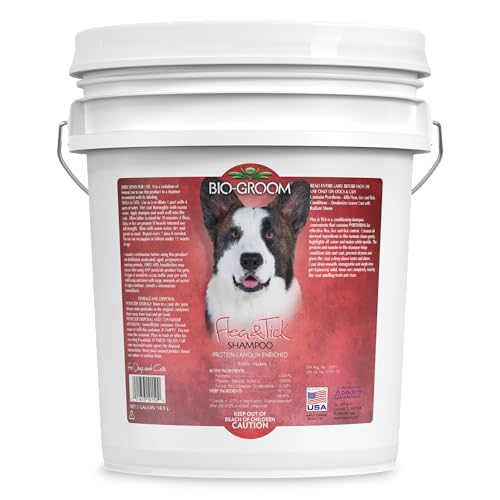
EFFECTIVE FLEA TREATMENT FOR CATS – Our natural, fast-acting Pyrethrin Flea Shampoo provides a strong resistance to insects for both dogs and cats. An effective tick remover for dogs when diluted

5:1 CONCENTRATED SHAMPOO – Our Protein Lanolin Dog Shampoo is a tear-free, sulfate-free, baby-mild & coconut oil-based pet shampoo. The absorbable soy protein strengthens hair from tip to roots
Frequently Asked Questions
What Is the 3-3-3 Rule for Cats?
The 3-3-3 rule for cats helps us understand their adjustment process: three days of hiding, three weeks of exploration, and three months to fully adapt, often enhancing their grooming habits and overall feline self-care for better health.
Why Do Cats Groom Themselves so Much?
Cats groom themselves a lot due to their self-cleaning instincts. It not only keeps them healthy by removing dirt and parasites, but also provides stress relief, making grooming a crucial part of their daily routine.
Is Cat Overgrooming a Behavioral Problem?
Yes, cat overgrooming is often a behavioral problem. It can reveal underlying causes linked to stress triggers. We should observe our cats for behavioral signs and consult a vet if we notice excessive grooming.
Why Is My Indoor Cat Overgrooming?
When it rains, it pours. Our indoor cat’s overgrooming could stem from environmental factors, stress signs, or even allergies. Let’s observe their behavior closely and consider consulting a vet for potential underlying causes.