As an Amazon Associate, we earn from qualifying purchases. Some links on this site are affiliate links at no extra cost to you. Our recommendations are based on thorough research and editorial judgment.


How to Handle a Cat That Bites During Grooming

To handle a cat that bites during grooming, we should recognize signs of distress, such as tail swishing or flattened ears. It’s essential to prepare a calm environment and gather tools within reach. We can introduce grooming tools gradually, using soft brushes and low-noise equipment to reduce fear. Employ gentle restraint if needed, ensuring to take breaks. After a bite, clean the wound to avoid infection and consider seeking professional help if aggressive behavior persists. Learning the nuances of grooming will enhance our approach.
Key Takeaways
- Identify signs of distress, such as tail swishing and flattened ears, to intervene before biting occurs.
- Implement gentle restraint techniques and take short breaks to allow the cat to decompress during grooming.
- Use soothing grooming tools like soft bristle brushes and low noise trimmers to minimize discomfort and anxiety.
- Apply positive reinforcement, like treats or praise, to create a positive association with grooming sessions.
- If biting persists, consult with a veterinarian or animal behaviorist for professional guidance and safety measures.
Understanding Cat Aggression During Grooming
You may be interested


When we approach the task of grooming our cats, it’s important to recognize that aggression can arise from various factors, including fear, discomfort, or previous negative experiences. We must pay close attention to the signs of impending aggression, such as tail swishing, flattened ears, and dilated pupils. These indicators should signal us to pause grooming immediately to prevent escalation. It’s also significant to address vocalizations like growling or hissing, as these sounds often indicate discomfort. To establish a positive grooming environment, we can gradually introduce grooming tools, rewarding our cats with treats, and employing gentle handling techniques. Keeping grooming sessions short and monitoring our cat’s body language is crucial for reducing the chances of aggressive reactions and ensuring a safer experience. Using grooming tools with low noise levels can significantly minimize stress for nervous or skittish cats during these sessions.
Causes of Biting Behavior
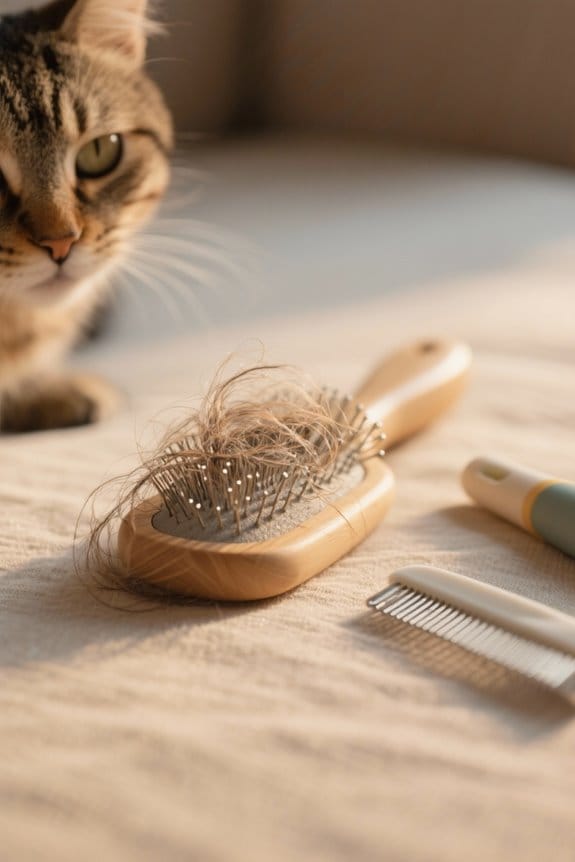
Many factors contribute to biting behavior in cats, particularly during grooming sessions, which can often be traced back to instinctual responses or previous negative encounters. Fear is a primary cause; when cats feel threatened, they may bite as a defense mechanism. Signs of distress, such as dilated pupils or flat ears, can indicate discomfort. Pain from sensitive areas can also provoke a bite, especially if we’re grooming an area that causes irritation. Additionally, overstimulation is a common trigger, as many cats have limited tolerance for grooming, usually around 45 minutes. Finally, any past negative experiences related to grooming can create associations with stress, leading to defensive biting behavior in future sessions. To help your cat feel more secure during grooming, consider gradually acclimating them to the process, similar to how pets need time to adjust to 4-way locking systems on new cat doors. Understanding these causes of biting behavior is essential for effective management.
Recognizing Signs of Distress
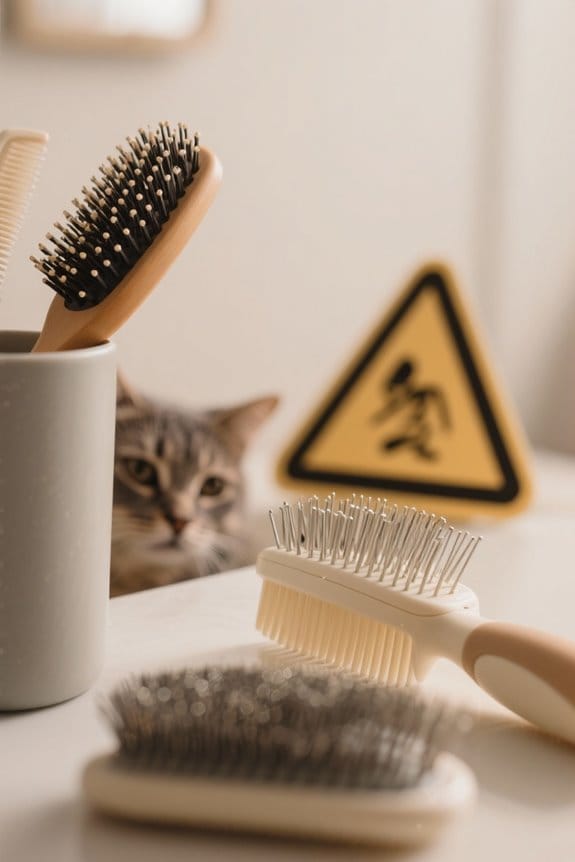
Recognizing signs of distress in cats during grooming is essential for preventing aggressive behavior and ensuring a positive experience for both the pet and the caregiver. We should look for specific indicators, such as tail swishing, which often signals irritation or displeasure that can precede aggression. Flattened ears against the head are also a warning sign, indicating that the cat feels threatened or unhappy. Skin twitching along the back reveals that the cat may be reaching its tolerance limit. Additionally, dilated pupils and tense body posture suggest significant stress that could lead to aggression if grooming continues. Low growling or attempts to walk away clearly indicate a desire to end the session, necessitating immediate cessation to prevent further escalation of distress. Using grooming tools with soft edges can help minimize skin irritation and reduce the likelihood of distress-related behaviors during grooming sessions.
Preparing for Grooming Sessions
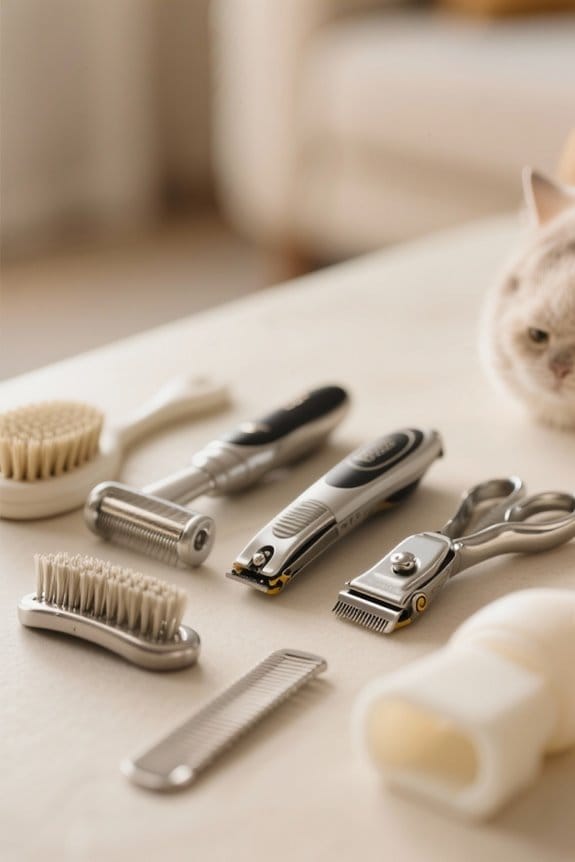
Preparation is key to a successful grooming session for our cats, as it minimizes stress and enhances the overall experience. First, we should gather all necessary grooming tools within arm’s reach, reducing any time spent searching during the session. Next, letting our cat explore and sniff the tools beforehand can greatly decrease their anxiety, making them more receptive to grooming. Selecting a calm and familiar environment helps our cats feel secure during the process. We should also be ready to implement gentle restraint techniques, like the towel wrap, if our cat becomes agitated. Finally, using positive reinforcement, such as treats and verbal praise, will create a positive association with grooming sessions, ultimately reducing the likelihood of biting. Additionally, we can consider offering calming treats before grooming to help reduce anxiety and promote relaxation during the session.
Recommended Products

Cat Wrap for Grooming: No complicated wearing steps are needed; our cat grooming wrap simply wraps your cat to effectively prevent them from escaping and scratching. This allows you to enjoy an unprecedented convenient experience when trimming nails, grooming, or administering medication. Even pet beginners can easily handle the tricky tasks of cat care

Fits cats weight:8 lbs - 12 lbs cats.Neck circumference: 11''/30cm, waist circumference 22.8''/58cm, 9.06''/23cm between the two front paws, 17.3''/44cm on the side. Before you buy, you can measure your baby to see if it matches the size.

Cat Wrap for Grooming: No complicated wearing steps are needed; our cat grooming wrap simply wraps your cat to effectively prevent them from escaping and scratching. This allows you to enjoy an unprecedented convenient experience when trimming nails, grooming, or administering medication. Even pet beginners can easily handle the tricky tasks of cat care
Tools for Safe Grooming
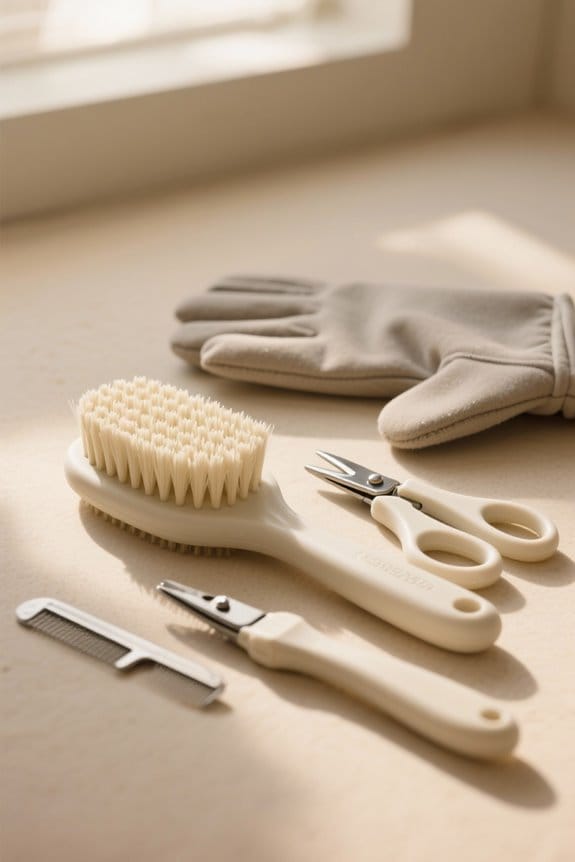
A well-stocked grooming kit is essential for ensuring both the cat’s comfort and our safety during grooming sessions. For aggressive cats, we should utilize protective gear, such as Kevlar sleeves, to prevent bites. Consider employing an Air Muzzle; this device secures the cat’s mouth while maintaining comfort, reducing the risk of injury. Use grooming tools specifically designed for safety, like soft bristle and rubber brushes, minimizing discomfort. Additionally, preparing large towels can aid in safe handling techniques, such as burrito wrapping, which secures the cat and prevents sudden movements. Incorporating calming tools like a water spray can soothe an agitated cat, potentially deterring biting behavior. For trimming sensitive areas like paws, selecting a low noise trimmer operating around 35 dB can significantly reduce anxiety and minimize defensive biting during grooming sessions. Each of these tools plays an important role in promoting safe grooming practices.
Creating Positive Associations With Grooming
To cultivate a more positive grooming experience for our cats, we should start by introducing grooming tools gradually, which not only helps the cat get accustomed to the items but also reduces apprehension. During this acclimatization phase, let’s allow our cat to sniff and explore the tools without immediate use. When grooming sessions begin, pairing the experience with treats or verbal praise is essential for creating positive associations with grooming. We should focus on areas our cat finds pleasurable to touch, making the process less stressful. Additionally, implementing play breaks can introduce enjoyable moments during grooming, mitigating any aggressive tendencies. By regularly practicing these strategies, we’ll foster a calmer environment that promotes a more positive grooming experience.
Shortening Grooming Sessions to Reduce Anxiety
Understanding our cat’s comfort level during grooming is key, especially when addressing biting behaviors. To minimize the risk of becoming grooming aggressive, we should aim for grooming sessions lasting around 15-20 minutes. This duration helps prevent overstimulation, a common trigger for anxiety. During these sessions, we can implement frequent breaks, allowing our cat to decompress and feel more at ease with the grooming process. We should gradually increase session lengths over time, starting from just a few minutes, which aids in acclimating them without overwhelm. Additionally, it’s crucial to observe their body language; indicators such as dilated pupils or a swishing tail signal when it’s time to stop, safeguarding against escalating aggression and promoting a better grooming relationship. Using the right grooming tools, such as ergonomic brushes with textured grips, can also enhance comfort and reduce stress during these shorter sessions.
Effective Techniques for Holding Your Cat
While it’s essential to hold our cat securely during grooming, employing effective techniques can greatly reduce the likelihood of bites and promote a more cooperative experience. One effective strategy is the towel wrap method, where we gently wrap the cat in a towel, leaving only its head exposed, thereby minimizing sudden movements. We should maintain a calm demeanor and position the cat securely on our lap or a stable surface. Keeping the cat’s limbs relaxed is vital; this prevents unnecessary stretching that can induce discomfort. Additionally, using a grooming table with comfortable restraints can enhance safety, while allowing the cat to gradually familiarize itself with grooming tools promotes less fear and aversion overall, further supporting a successful grooming experience. If we notice signs of stress such as increased grooming, stiffness, or reluctance to be handled, we should consider incorporating anti-inflammatory foods into their diet to help ease any underlying discomfort that may contribute to defensive behavior during grooming sessions.
Recommended Products

Fits most cats ≤25 lb, 6″–9″ leg span) in a secure cat grooming hammock Doubles as a stable cat restraint for nail clipping, holding your pet gently for nail trims,...
Establishing a Calm Environment
Creating a calm environment for grooming sessions is essential, as it considerably impacts a cat’s behavior and overall cooperation. To establish this calming atmosphere, we should minimize noise and distractions, as chaotic settings can escalate aggressive behavior. We must execute grooming movements gently and slowly, preventing sudden actions that could trigger fear responses. Preparing the grooming area with familiar scents and comforting items, like bedding or toys, helps create security. Incorporating short breaks during the grooming process allows the cat to decompress, reducing stress. Additionally, establishing a predictable routine fosters familiarity, ultimately lowering the anxiety associated with grooming. Consider using low dust formulations in nearby litter boxes, as excessive dust can irritate cats and contribute to stress during grooming sessions. Together, these steps help guarantee a tranquil grooming experience, minimizing the likelihood of biting behavior.
Responding to Biting: What to Do
When a cat bites during grooming, immediate action is crucial to mitigate potential health risks and understand the underlying issues. First, we should wash the bite area thoroughly with soap and water to reduce the risk of infection, as cat bites can harbor harmful bacteria. If swelling or pain escalates, it’s imperative to seek medical attention promptly, as severe cases may require treatment or even surgery. Understanding that cats face fear or discomfort can help us recognize their body language, facilitating earlier intervention during grooming. Additionally, we can utilize protective measures such as Kevlar sleeves and hard-sided muzzles to safeguard against bites. Finally, evaluating our handling capabilities guarantees we don’t take on aggressive cats that exceed our comfort level. To maintain a cleaner grooming environment and reduce stress triggers, consider using low-dust litter options that minimize respiratory irritants for both you and your cat.
Recommended Products

Arm Guards for Biting Autism. Made with Kevlar. Cut Resistant Sleeves. Burn Sleeves for Arms. Cooking Sleeves. Welding Sleeves. Heat Resistant Sleeves. Animal Handling Sleeves. Arm Guard. Protective Sleeves.

Superior Bite & Puncture Resistance – True Bite Proof Gloves: Crafted from thick, premium cowhide with reinforced double-layer palms, fingers, and backs, these bite proof gloves deliver reliable protection against dogs, cats, birds, and reptiles. Whether you need cat gloves bite proof or dog bite gloves, the heavy-duty construction withstands scratches, punctures, and severe bites.

Material and Design: Content: 100% Kevlar (Para Aramid). Our arm sleeves, inspired by security armors, ensure your arms stay dry and cool during tough jobs. The unique finger opening design facilitates glove use, protecting against cuts and scratches in industrial work. Marrying fashion with safety, these sleeves are essential for those in hazardous environments, offering a stylish yet protective solution. Ideal for industrial workers prioritizing both safety and style.
The Role of Patience in Grooming
Handling a cat that bites during grooming often requires a shift in our approach, emphasizing the importance of patience throughout the process. We must recognize that aggressive reactions can escalate if grooming is rushed, so we should respect each cat’s comfort level. Observing body language for signs of discomfort, such as tail swishing or flattened ears, will allow us to pause and give the cat space, fostering a more relaxed atmosphere. Gradually introducing grooming tools over multiple sessions reduces fear and builds trust. Incorporating breaks and rewarding the cat with treats during grooming emphasizes a positive experience. Using dental care finger wipes during grooming sessions can help maintain oral hygiene for cats who resist traditional brushing techniques, making the experience less stressful. Finally, we should limit grooming sessions to a maximum of 45 minutes to avoid overstimulation and aggression, ensuring a patient approach.
When to Seek Professional Help
How can we recognize the right moment to involve professionals in the grooming process of our biting cats? If our cats consistently show aggression, such as biting, during grooming sessions despite our efforts to acclimatize them, it’s essential to take into account professional assistance. Should we notice severe signs of aggression, including growling, hissing, or frantic behavior, it’s advisable to seek help immediately. If injuries from bites occur, leading to potential infections, we must consult medical professionals promptly. Additionally, if reward-based training and behavioral strategies fail, collaboration with a veterinarian or an animal behaviorist can provide tailored guidance. Ultimately, proactive measures guarantee the safety of both our cats and ourselves during grooming, creating a more effective and secure process.
Recommended Products

Breathable Nose Opening for Comfort & Whisker-Friendly Design: Our soft cat head cover features an opening at the nose to ensure smooth airflow, reduce stuffiness, and keep your cat comfortable during nail trims, grooming, or vet visits. Since whiskers are essential to your cat’s senses, simply gently pull them through the opening so they aren’t pressed or bent. This thoughtful design helps lower your cat’s fear and stress, making each session calmer for both of you.

【Breathe freely】This is a breathable cat helmet that prevents you from being bitten by cats when grooming your cats. Cat helmet includes 24 vents to ensure that cats could breathe freely when wearing it.

Perfect Fit: This cat mask for grooming cover features an adjustable opening, allowing you to customize a comfortable size based on your cat's face shape. No matter how playful your furball gets, they won't be able to shake it off
Building Trust Through Routine
Building a consistent grooming routine is essential for fostering trust between us and our cats, as this predictability allows them to anticipate the grooming process, thereby considerably reducing their anxiety levels. We should start with short sessions, ideally under 15 minutes, to prevent overstimulation. Gradually increasing the duration helps our cats acclimate comfortably. Incorporating positive reinforcement—such as treats and praise—after each session fosters positive associations, contributing to building trust through routine. While grooming, we need to be vigilant about our cat’s body language; if we observe dilated pupils or signs of discomfort, we should pause and adjust our approach accordingly. Maintaining a calm demeanor throughout the process also positively influences our cat’s response, encouraging relaxation and cooperation.
Frequently Asked Questions
How to Keep a Cat From Biting During Grooming?
We’ve all felt like we’re wrestling a lion during grooming! To keep our cat from biting, we should use gentle grooming techniques, read body language, and reward with treats to create a stress-free experience.
What Is the 3-3-3 Rule for Cats?
The 3-3-3 rule for cats refers to the adjustment phases of new cat behavior: three days of hiding, three weeks of settling, and three months for fully embracing their new home. We should be patient and observant.
How Do Groomers Handle Aggressive Cats?
We handle aggressive cats by observing their behavior, using calming techniques, and establishing routines. By recognizing body language, we create a safe environment, employing gentle tools and positive reinforcement to ease their anxiety during grooming sessions.
Why Does My Cat Bite While Grooming?
We’ve seen a cat, Max, suddenly bite during grooming, his tail twitching—classic biting triggers. Discomfort or fear often leads our feline friends to react that way; understanding this helps us approach grooming more thoughtfully and gently.