As an Amazon Associate, we earn from qualifying purchases. Some links on this site are affiliate links at no extra cost to you. Our recommendations are based on thorough research and editorial judgment.

Solutions for Cats That Refuse to Use the Litter Box

To address litter box refusal in cats, we should first rule out any health problems by scheduling a veterinary visit, particularly if your cat shows symptoms like straining to urinate or blood in urine. Next, make sure you have one litter box per cat plus an additional one, with larger, uncovered boxes filled with unscented clumping litter. It’s essential to maintain cleanliness, scooping daily and cleaning thoroughly weekly. Finally, consider positive reinforcement strategies for consistent litter box usage. Further solutions exist for enhancing the litter box experience based on behavior patterns.
Key Takeaways
- Schedule a veterinary visit to rule out medical issues if your cat refuses the litter box, as many cats face elimination problems due to health concerns.
- Provide an adequate number of clean, uncovered litter boxes in quiet locations, using unscented clumping litter to enhance comfort.
- Create a calm environment with routine feeding and playtime, and use pheromone sprays to reduce anxiety affecting litter box usage.
- Monitor elimination habits and reinforce positive behavior with treats or praise after using the litter box to encourage good habits.
- If issues persist, consult a veterinarian or certified cat behaviorist for specialized advice and retraining strategies to improve litter box habits.
Ruling Out Cat Health Problems
You may be interested

How Deep Should Cat Litter Be in the Box?
October 17, 2025
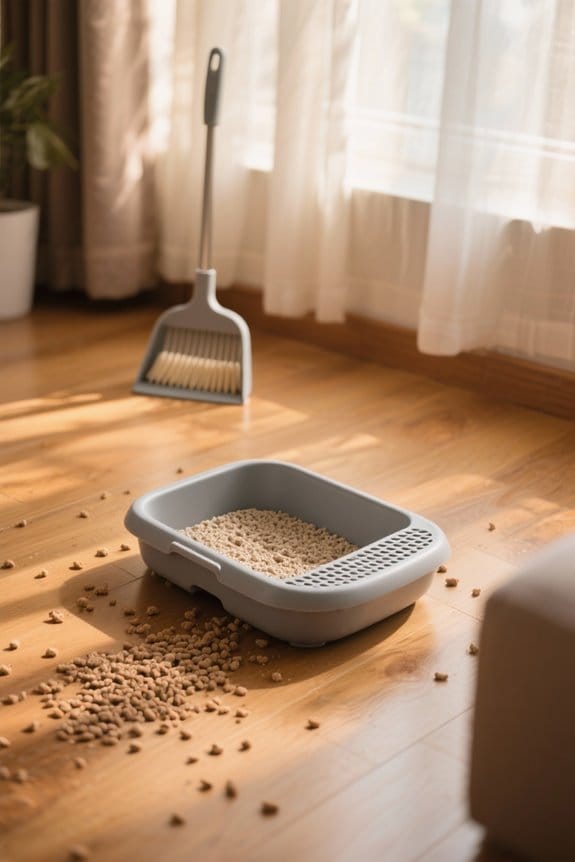
How to Address Litter Scatter Around the House
October 17, 2025
When it comes to addressing litter box issues in our cats, it’s essential to first rule out potential health problems that may be influencing this behavior. We should schedule a veterinary visit promptly, especially if we notice signs like straining to urinate, excessive genital licking, or blood in the urine, as these may indicate serious health issues like urinary tract infections or Feline Interstitial Cystitis. Up to 10% of cats can face elimination problems due to underlying medical conditions. Early detection through a physical exam can prevent complications and promote better litter box habits. Additionally, spaying or neutering our cats can reduce the risk of marking behaviors and other health issues that negatively impact their litter box usage. In some cases, skin irritation from topical flea treatments may cause discomfort that affects your cat’s litter box behavior, so it’s important to monitor for any adverse reactions after applying these products.
Understanding Litter Box Preferences
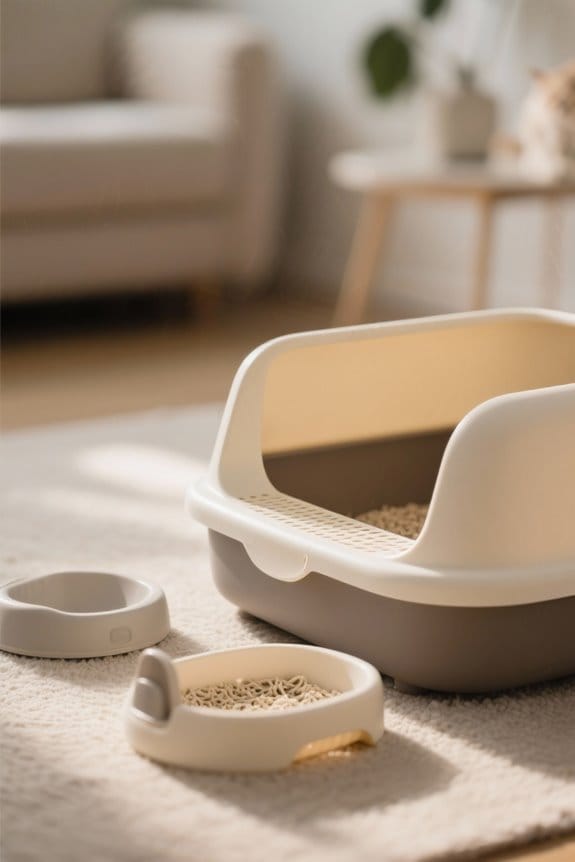
Understanding our cats’ litter box preferences is essential for ensuring their comfort and encouraging consistent usage. To meet their needs, we should provide one box per cat plus an additional one to minimize territorial disputes. It’s advisable to choose larger, uncovered boxes without liners, which many cats prefer. Using unscented clumping litter can greatly enhance their experience, and experimenting with different types may lead to ideal satisfaction. Proper litter box placement in a quiet location, away from food and high traffic areas, also impacts usage. Additionally, regular maintenance, including daily scooping and weekly thorough cleaning, is critical to maintaining a welcoming litter box area that encourages our cats to use it consistently. Investing in a quality litter disposal system can make the daily scooping routine more convenient while effectively controlling odors between cleanings.
The Importance of Cleanliness
Maintaining a clean litter box is vital for encouraging our cats to use it consistently, as dirty environments can lead to avoidance behaviors that disrupt their routine. We should engage in regular scooping of the litter box at least twice daily, ensuring no clumps or odors remain. A thorough cleaning weekly with mild, unscented soap will help eliminate residue and odors, creating an ideal environment. For accidents, enzyme-based cleaners effectively neutralize odors, preventing repeated aversions to specific areas. Additionally, considering larger litter boxes with a depth of three to four inches of litter provides a comfortable space. Regularly replacing scratched or old litter boxes is important for maintaining a hygienic elimination area that promotes consistent usage by our cats. Choosing a litter with low dust formula can also contribute to cleaner air quality and a more pleasant environment for both you and your cat.
Ideal Litter Box Location

Placing the litter box in an ideal location is essential for promoting consistent usage among our cats. We should choose private locations, ideally quiet corners away from high-traffic areas where distractions from children or dogs can occur. It’s important to have one litter box for each cat plus one extra to mitigate territorial conflicts, especially in multi-cat households. Additionally, we must avoid positioning litter boxes near food and water bowls, as cats prefer to eliminate away from their eating areas for hygiene reasons. In multi-story homes, we should provide an accessible litter box on each floor, ensuring security and comfort, since cats are creatures of habit and thrive with a consistent location for their litter box. Consider selecting a litter box with enclosed designs that provide privacy and security, which can encourage reluctant cats to use the box more consistently.
Recommended Products

More Privacy and Less Odor: This cat restroom provides your cat with a hidden and relaxing toilet space without the odor and litter, and you can reduce the unpleasant mess
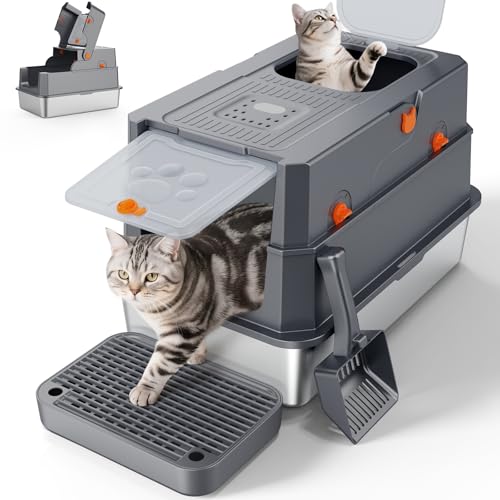
【Innovative Flip-Top Design】The stainless steel covered cat litter box features a flip door design, making cleaning simple and effortless. Easily open the lid to clean without removing the entire cover. With an easy-to-assemble 3-layer detachable shell, it offers both fully enclosed and semi-enclosed configurations.

ODOR CONTROL: The easy access flap door seals in odors and keeps particles from spilling onto the floor, ensuring they don't infiltrate your home and keeping the area neat and clean.
Sizing Up the Litter Box
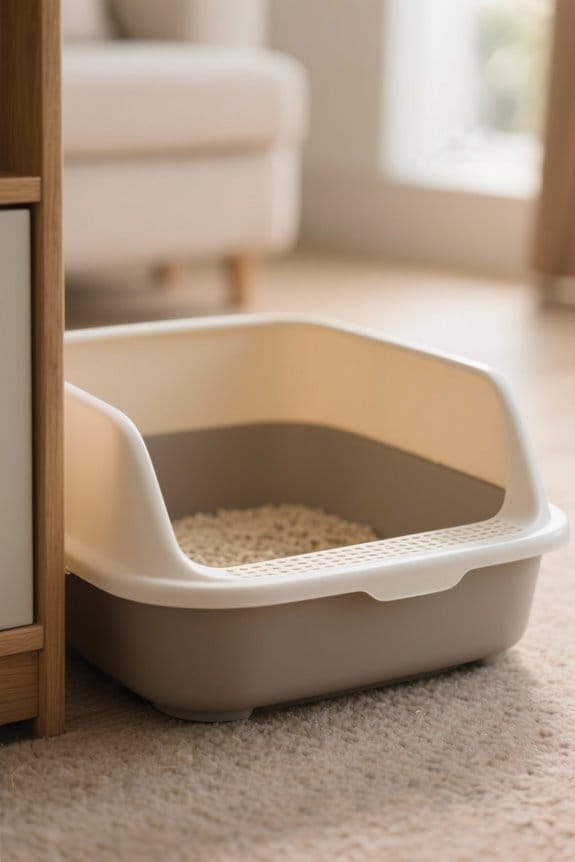
When we consider the needs of our cats, the size of the litter box becomes a critical factor in promoting consistent usage. Ideally, we should opt for larger litter boxes, which should measure at least 1.5 times our cat’s body length, allowing for comfortable movement and sufficient space. A general guideline recommends having one litter box per cat, plus one additional box to reduce territorial disputes. Open, uncovered types are often favored over covered options, as they offer easier access and a sense of safety. Additionally, maintaining a litter depth of 2-4 inches guarantees our cats can dig and bury effectively. Regularly replacing boxes is vital, and introducing new boxes gradually helps prevent confusion among our pets. For households with multiple cats, high-sided designs can effectively contain litter and minimize mess while reducing the frequency of cleaning required.
Recommended Products

Stainless Steel Material and Open Top: Kirecoo cat litter box is made from high-quality stainless steel. Unlike plastic litter box, this litter pan delivers good performance and sturdy. Stainless steel litter box is proof against scratches and dents during use and do not absorb or retain stinky smell. The open-top design of the top entry litter box is ideal for cats that may feel too anxious to enter an enclosed litter box, as well as for those who prefer open air of an unenclosed space.
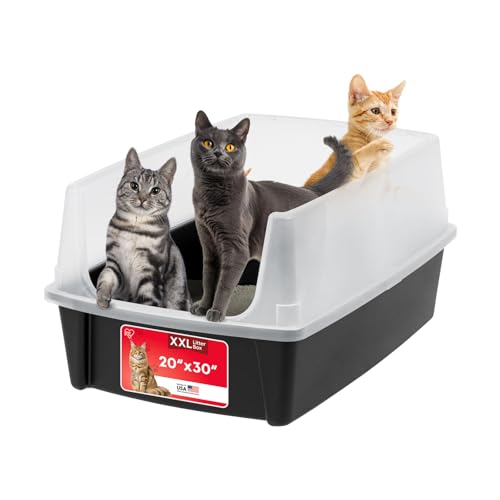
GREAT SIZE FOR LARGE CATS: Dimensions: 30"L x 20"W x 14"H (76cm x 51cm x 36cm)
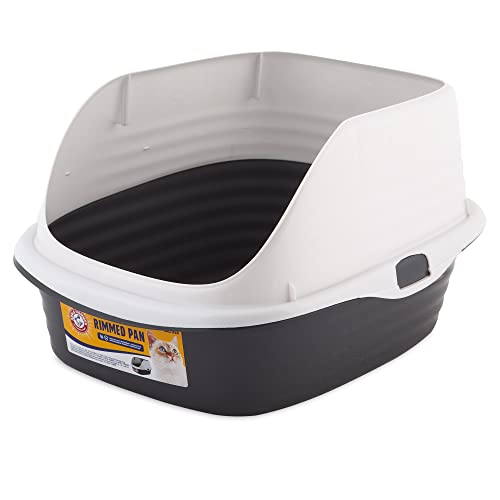
LESS MESS, CLEANER AREA: The high sided litter box design helps secure liners and reduces spills, keeping the area around your litter box cleaner and more organized
Experimenting With Litter Types
To effectively encourage our cats to use the litter box, experimenting with different litter types presents a valuable opportunity for finding a suitable texture and scent that aligns with their preferences. We can start by testing various litter types, including clumping litter, unscented litter, and natural options, since some cats may prefer fine granules while others favor larger pellets. It’s essential to examine changing the depth of litter, ideally maintaining it at 1-2 inches for ideal access. A gradual introduction of the new litter type, by mixing it with the old, can lessen stress and ease the shift. Observing elimination behavior after each change provides critical insights into their preferred texture and informs our ongoing efforts to reduce litter box avoidance. Additionally, selecting easy-to-clean components like removable mats can simplify the maintenance process and encourage more consistent litter box use.
Recommended Products

PREMIUM QUALITY: A combination of premium texture and granule size made with 100% bentonite clay for maximum clumping creates litter particles that are just the right size.
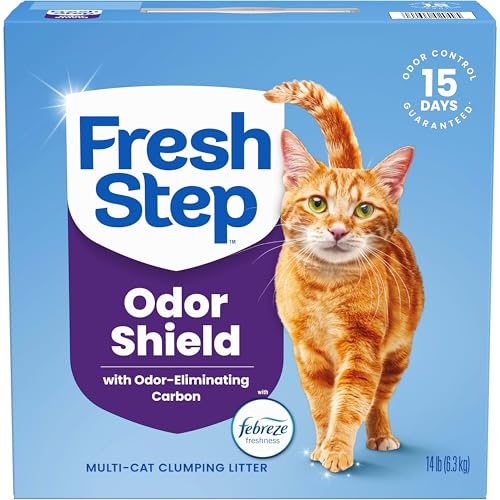
FRESH STEP CLUMPING CAT LITTER: One 14 lb. box of Fresh Step Multi Cat Clumping Litter, Extra Strength Formula With Febreze Freshness, designed for multi cat homes.

OPEN-TOP KITTY LITTER BOX: This small cat litter pan provides ample space on all sides for cats to do their business comfortably, and is great for small cats or kittens to access
Addressing Environmental Stressors
Addressing environmental stressors is essential for promoting consistent litter box use in our cats, as various changes—such as a new family member, relocation, or the arrival of another pet—can heighten their anxiety levels. To reduce stress, we should create a calm environment by establishing a consistent routine for feeding and playtime. We can employ pheromone sprays, like Feliway, in areas where our cats spend time, as these can alleviate anxiety. Additionally, placing the litter box in a quiet area, away from food and water bowls, will guarantee our cats feel comfortable. Finally, we must ensure each cat has personal space and adequate resources, which helps mitigate territorial disputes and encourages appropriate litter box use, ultimately decreasing the likelihood of litter box avoidance. For multi-cat households experiencing stress-related litter box issues, calming spray kits designed specifically for multiple cats can help create harmony and reduce competition among felines.
Managing Multi-Cat Households
In a multi-cat household, managing the litter box situation requires careful planning and attention to guarantee each cat has access to appropriate facilities while minimizing potential conflicts. We should provide one litter box for each cat, plus one extra, to alleviate territorial disputes. Placing these litter boxes in quiet areas reduces stress-related avoidance, as dominant cats may intimidate others. Regular monitoring of each cat’s elimination habits is essential; this practice helps identify any behavioral issues, such as avoiding certain boxes. Additionally, we must eliminate odors from areas where cats eliminate outside using enzymatic cleaners, ensuring all boxes remain clean. Finally, creating separate resting and play areas for multiple cats promotes comfort and decreases anxiety, supporting better litter box use. Consider selecting boxes with high walls that effectively contain litter mess while providing adequate space for larger breeds.
Recommended Products

ANTI-LEAK HIGH SIDES—5.7" tall ABS wall is specially designed for messy diggers. Featuring an internal overlap and external buckles for a tight seal, the splash guard effectively stops urine leakage and keeps floors clean—perfect for high sprayers.

GREAT SIZE FOR LARGE CATS: Dimensions: 30"L x 20"W x 14"H

LONG-LASTING STAINLESS STEEL LITTER BOX: Crafted from premium stainless steel, this kitty litter box is scratch-proof, rust-resistant, and designed to last up to 5 years. Unlike plastic, it won't crack, absorb odors, or stain over time, making your cat always have a clean and safe space. With this long-lasting durability, you won't have to worry about constant replacements, saving you time and money.
Creating a Calm Environment
Creating a calm environment for our cats is essential not only for their well-being but also for encouraging them to use the litter box consistently. Start by designating a low-traffic, quiet area for the litter box, ideally at least three feet away from food and water sources. To reduce anxiety, consider employing calming pheromone sprays in this space, promoting a stress-free atmosphere. We should block visual stimuli, such as outdoor movements, by securing curtains or using frosted window films, thereby creating a secure environment. Additionally, providing vertical spaces, like shelves or cat trees, helps our cats establish territory, further enhancing their comfort. Regular routines for feeding and playtime also structure their environment, allowing for greater tranquility and assurance. If your cat needs private access to outdoor spaces while maintaining their sense of security, installing a 4-way locking flap on a cat door allows you to control when they can enter or exit, reducing stress triggers.
Eliminating Odor Triggers
To effectively combat litter box aversion caused by unpleasant odors, we must prioritize thorough cleaning practices and the appropriate choice of products. Regularly, we should clean the litter box at least once a day, using enzymatic cleaners that break down scent markers to prevent repeat behavior. Once a week, it’s essential to perform a deep clean with hot water and mild, unscented soap. If we’re using scented litters, shifting to unscented options can help, as some cats are sensitive to fragrances. Additionally, maintaining the litter at a depth of three to four inches enhances comfort while reducing odor from clumping. For extended odor control, consider using products with dual-layer odor-blocking technology that can maintain freshness between cleanings. Finally, we should promptly address any spills outside the box to maintain a fresh and odor-free environment.
Recommended Products

LITTER BOX SCRUBBING WIPES: Cleans litter box messes & breaks down odors on contact

FOR CAT URINE MESSES: Begins to break down and remove stains immediately on contact.

TOUGH ON URINE & FECES ODORS: Nature’s Miracle Litter Box Foam destroys tough urine and feces odors, so pet parents can enjoy their pets without the mess they leave behind.
Implementing Positive Reinforcement
While cats may exhibit avoidance behaviors regarding the litter box, implementing positive reinforcement strategies can markedly improve this situation. We should reward our cat with treats or praise immediately after they use the litter box, thereby creating a strong association between this desired behavior and positive outcomes. Consistency is crucial; all family members must use the same reinforcement method to prevent mixed signals. Gradually introducing the litter box as a safe space by rewarding the cat for simply exploring it can enhance their comfort and confidence. We might also utilize clicker training to signal upcoming rewards, increasing motivation. It’s essential to closely monitor our cat’s progress, ensuring the rewards remain enticing to encourage habitual litter box use.
Consulting With a Professional
When litter box issues persist, seeking guidance from a veterinarian or a certified cat behaviorist becomes essential, particularly since unresolved avoidance behaviors may indicate underlying medical or behavioral concerns. Consulting with a veterinarian allows for professional assessments, which can identify any underlying medical issues contributing to litter box avoidance. A certified cat behaviorist can develop behavior modification strategies tailored to your cat’s specific needs, incorporating environmental enrichment and calming products to alleviate stress. These professionals may also recommend a customized retraining program to encourage positive litter box habits. By addressing these factors, we can markedly enhance our cat’s overall feline well-being, ensuring a healthier, more comfortable living environment for both our pets and ourselves.
Additional Resources for Cat Behavior
Understanding the complexities of cat behavior can greatly improve our approach to resolving issues such as litter box avoidance. For those facing persistent litter box issues, we recommend consulting a veterinarian first to rule out any underlying medical concerns. Once health issues are addressed, seeking out professional behaviorists can be beneficial; these certified behaviorists often offer personalized retraining programs tailored to the unique needs of our cats. Additionally, we should explore resources for cat care, such as recommended reading, including “Starting from Scratch” by Pam Johnson-Bennett. Moreover, engaging with online forums and community support groups can provide us with shared experiences and practical strategies to tackle litter box challenges, enhancing our understanding of cat behavior and improving our cat’s well-being.
Frequently Asked Questions
What to Do When a Cat Refuses to Use a Litter Box?
When our cat refuses the litter box, we should reassess litter preferences, box location, and size considerations. Let’s maintain cleanliness, explore material types, and identify behavioral triggers, including stress factors and environmental changes that might be affecting them.
How to Fix Litter Box Avoidance?
To fix litter box avoidance, we should evaluate environmental factors and substrate choices, manage stress, troubleshoot locations, implement effective cleaning techniques, offer multiple boxes, and consider age and scent sensitivities to encourage proper usage.
Is There a Health Problem if a Cat Avoids a Litter Box?
If our cat avoids the litter box, it could signal health issues like urinary infections or behavioral problems. Anxiety disorders, environmental factors, and even diet changes might contribute, so let’s investigate possible stress triggers and design adjustments together.
How to Discipline a Cat for Not Using a Litter Box?
We can’t effectively discipline our cats for litter box issues; instead, let’s focus on understanding their behavior. By using positive reinforcement, exploring scent attraction, and addressing litter preferences, we can improve their acceptance and comfort.