As an Amazon Associate, we earn from qualifying purchases. Some links on this site are affiliate links at no extra cost to you. Our recommendations are based on thorough research and editorial judgment.

How to Set up a Litter Box for Senior Cats With Mobility Issues

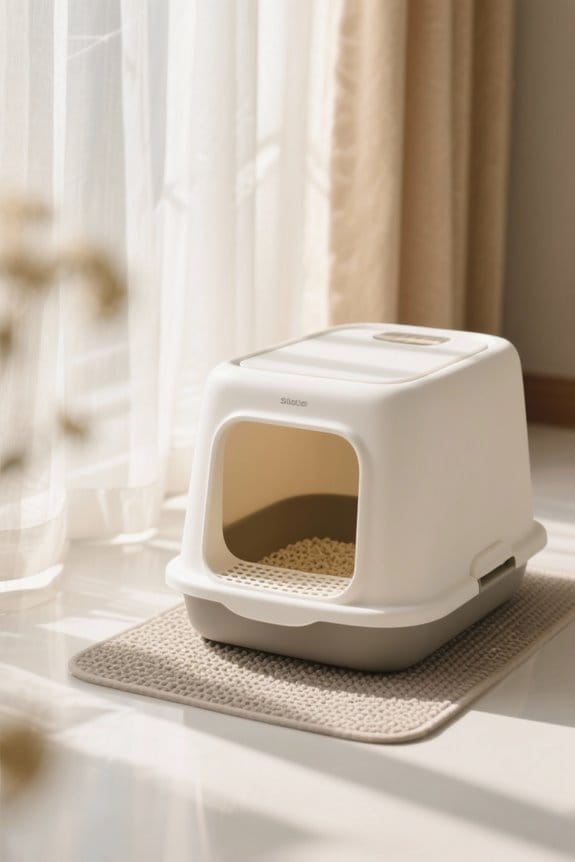
To set up a litter box for senior cats with mobility issues, we should select a box with low entry height, ideally under 10 cm (4 inches), making access easier. Opt for a spacious design with a non-slip surface to enhance stability. Place the box in a quiet, low-traffic area on the main living floor, and consider using fine, unscented, and clumping litter that’s 99% dust-free. Monitoring our cat’s behavior during litter box use can indicate their comfort level and needs.
Key Takeaways
- Use a low-entry litter box under 10 cm (4 inches) to accommodate joint strain and ease access for mobility-impaired cats.
- Choose a spacious, non-slip design to allow comfortable movement and prevent slips while using the box.
- Place multiple litter boxes on each floor of your home in quiet, low-traffic areas to ensure easy accessibility.
- Opt for soft, unscented, clumping litter that is 99% dust-free to support sensitive paws and respiratory health.
- Regularly clean the litter box, scooping daily and deep cleaning weekly to maintain hygiene and encourage usage.
Understanding the Needs of Senior Cats
You may be interested


10 Best High-Sided Litter Boxes for Mess-Free Cat Care
November 4, 2025
Understanding the needs of senior cats is vital for guaranteeing their comfort and dignity as they navigate the challenges of aging. Many senior cats, especially those over the age of twelve, often suffer from conditions like arthritis, which may severely limit their mobility. This can complicate their litter box habits, as traditional boxes might be too high or narrow for cats with weakened hind legs or difficulty squatting. Consequently, it’s important to monitor behavioral changes, including increased reluctance to use the litter box, and adapt their environment to help them maintain their dignity and independence. Selecting a low-dust or hypoallergenic litter is also essential to prevent respiratory issues that may further compromise their health and comfort. By recognizing these mobility challenges, we can establish an effective litter box setup that prioritizes their unique needs and provides a less stressful bathroom experience.
Key Features of an Accessible Litter Box
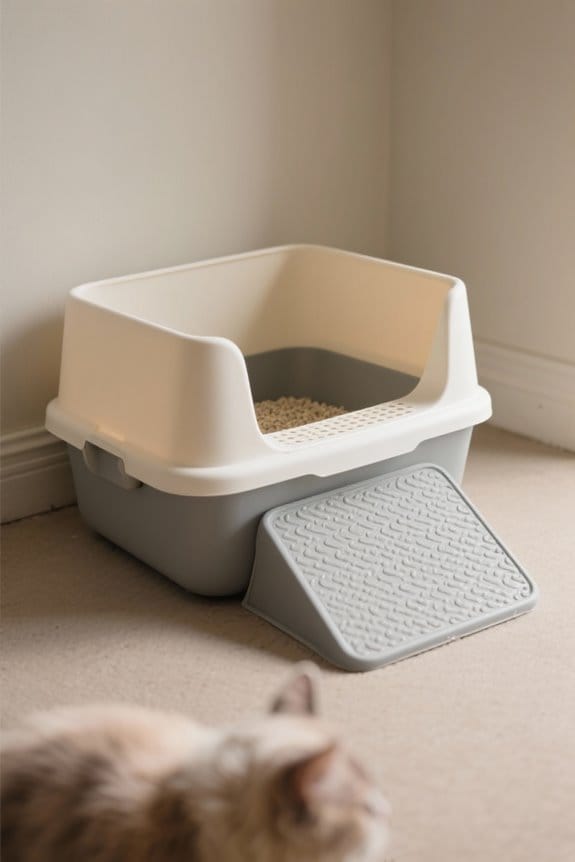
When setting up an accessible litter box for senior cats, several key features should be prioritized to guarantee their comfort and safety. To begin with, the box should have a low entry height, ideally under 10 cm (about 4 inches), reducing strain on their joints. A spacious design is essential, allowing senior cats the freedom to move and turn without feeling cramped. Additionally, a non-slip surface is vital for stability, minimizing the risk of accidents during entry and exit. The litter box must be easy to clean; smooth surfaces facilitate maintenance and help keep the environment hygienic. Consider options with stainless steel materials, which are not only durable but also odor-resistant and promote a more hygienic environment for senior cats. Finally, placing multiple litter boxes throughout the home enhances accessibility, ensuring senior cats don’t have to travel far when nature calls.
Recommended Products

Thoughtful 3.15in Low Entry Design – Each litter box features a 3.15" low front entry, making it easy for kittens, senior cats, or injured pets to step in and out with confidence. High sides still provide excellent splash protection, combining care and practicality

Low-Entry Design for Special Cats: Featuring an ultra-low 3.2 inch entrance ,this low entry litter box significantly reduces entry/exit difficulty. Kitty litter box makes it easy for kittens, senior cats, post-surgery cats, or those with joint discomfort to use the toilet without any stress. This design is also suitable for small pets like rabbits and ferrets.
Choosing the Right Location for the Litter Box
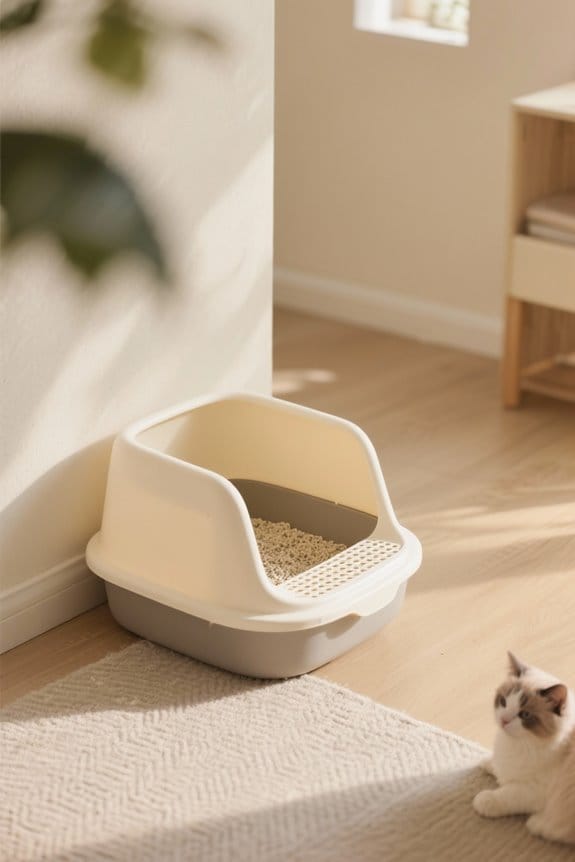
Where should we place the litter box to best accommodate our senior cats’ needs? We must choose a location on the main living floor, minimizing travel distance for our cats with mobility issues. If we have a multi-level home, it’s advisable to have a litter box on each floor, ensuring accessibility for cats with arthritis who may struggle with stairs. The area should be quiet and low-traffic, which will help reduce anxiety while they use it. We should also avoid proximity to loud appliances or unpleasant odors, as these factors can discourage our senior cats from using the box comfortably. Additionally, we should ensure the chosen spot provides adequate space for a larger litter box to allow our senior cats freedom of movement and reduce stress during use. Regularly check the area and keep the litter box clean to maintain a safe and inviting space for our pets.
Recommended Products

Designed for Cats with Special Health Conditions: The extra large cat litter box measures 24“ L x 16" W x 4" H, provides plenty of room for cats to move around. 4-inch tall shallow kitty litter box is easy to get in and out of for some special health conditions and is ideal for obese cats, older cats, kittens among others

GREAT SIZE FOR LARGE CATS: Dimensions: 30"L x 20"W x 14"H

【Ideal for All Pets】: Our 2 pack low entry stainless steel litter box is perfect for senior arthritic cats, sick pets, and kittens, providing easy access compared to traditional 6-inch high options, making it the best low entry litter box for your furry friends.
Recommended Types of Cat Litter
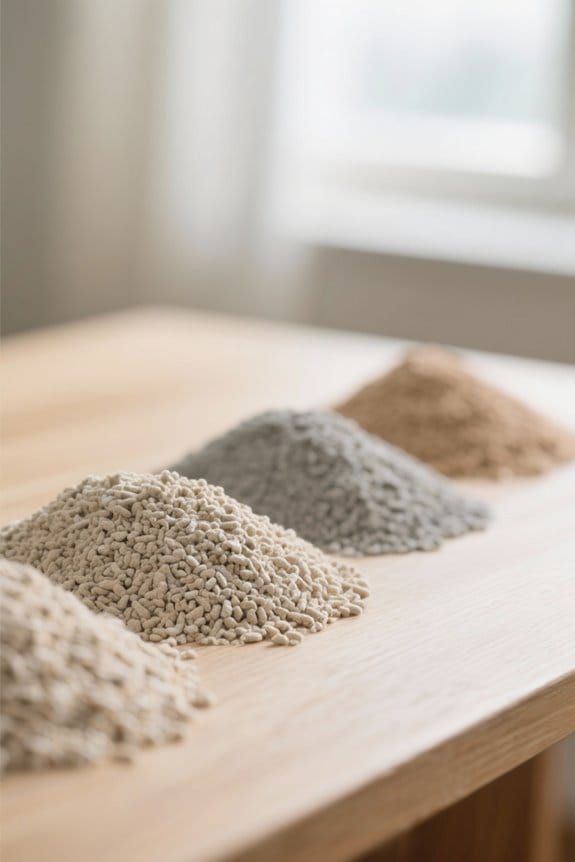
Selecting the right type of cat litter is essential for ensuring our senior cats remain comfortable and willing to use their litter box. We should opt for fine, soft litters that are gentle on sensitive paws, particularly for cats experiencing arthritis or joint discomfort. Unscented litters are advisable, as strong odors can deter older cats from using the box. Clumping litter can also aid in maintaining hygiene, as it allows for easy waste removal. When choosing a Senior-Friendly Litter, we must remember that each cat has individual preferences; some may prefer specific textures or types based on prior experiences. Hence, a little experimentation with various soft and unscented options can help us find the most suitable litter for our senior companions. Look for options that are 99% dust-free, which can be especially beneficial for senior cats with respiratory sensitivities or allergies.
Recommended Products

PREMIUM QUALITY: A combination of premium texture and granule size made with 100% bentonite clay for maximum clumping creates litter particles that are just the right size.

LONG-LASTING ODOR CONTROL: Unscented cat litter with activated charcoal and clay provides long-lasting litter box odor control

99.9% Dust-Free Cat Litter Formula – Keep your home and the air clean with virtually no dust during scooping and minimal litter tracking
Tips for Transitioning to a Senior-Friendly Litter Box
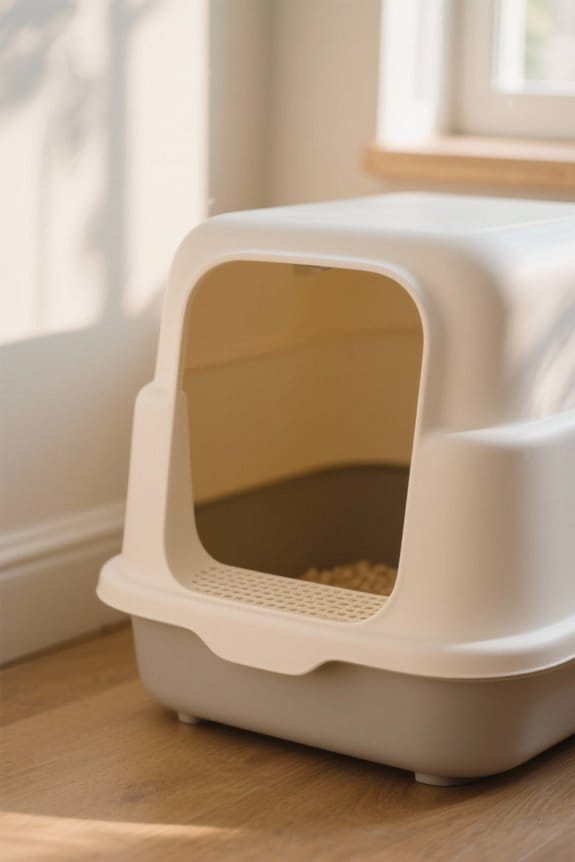
Shifting to a senior-friendly litter box requires careful planning and consideration to guarantee our older cats adapt smoothly to any changes. To begin, place the new Senior Cat Litter Box close to the old one, allowing them to explore at their own pace. Initially, use familiar litter from their previous box to create a sense of comfort. Ensuring the box has easy access is essential; a low entry point, ideally no more than 5 inches high, is important for accommodating mobility issues. During the change, closely monitor our cat’s behavior for signs of reluctance or discomfort, as this might indicate the need for adjustments. Consider models with built-in handles that enhance portability, making it easier to reposition the litter box as needed during the transition period. Finally, establish a consistent cleaning schedule to promote usage and maintain a clean environment.
Recommended Products

ULTRA-LOW 2.7" ENTRY FOR EFFORTLESS ACCESS:Designed with a 2.7” ultra-low front entry, our kitten litter box allows kittens, senior cats, and cats with limited mobility to step in and out comfortably. The high sides still provide reliable splash and scatter protection, blending gentle care with everyday practicality.

OPEN-TOP KITTY LITTER BOX: This small cat litter pan provides ample space on all sides for cats to do their business comfortably, and is great for small cats or kittens to access

【Ideal for All Pets】: Our 2 pack low entry stainless steel litter box is perfect for senior arthritic cats, sick pets, and kittens, providing easy access compared to traditional 6-inch high options, making it the best low entry litter box for your furry friends.
Maintaining Hygiene and Cleanliness
Maintaining hygiene and cleanliness in a litter box is essential for ensuring that senior cats feel comfortable and secure when using it. We should scoop the litter box daily to eliminate waste, promoting a hygienic environment. A deep clean with mild soap and warm water must occur at least once a week, preventing odors and bacteria buildup. We recommend replacing the litter every 2-3 weeks, disposing of any soiled litter promptly. Opt for odor-absorbing litter without overwhelming scents, as strong fragrances can be off-putting for our sensitive paws. Additionally, monitoring litter consistency and cleanliness regularly helps us adjust the cleaning routine based on increased urination that often accompanies aging, which may necessitate more frequent maintenance. Consider using heavy-duty litter box liners with drawstring closures to simplify cleanup and reduce the physical effort required when changing litter for senior cats with mobility challenges.
Additional Comfort Considerations for Senior Cats
When we consider the comfort needs of senior cats, it’s vital to implement various adjustments that cater to their health and mobility requirements. Providing multiple food and water bowls at reachable heights can substantially enhance accessibility, especially for cats with arthritis. Position litter boxes on each level of a multi-story home to guarantee easy access without stair navigation. Opt for wider, uncovered litter boxes with lower entryways; these facilitate easier access and decrease the likelihood of accidents. Additionally, create warm, draft-free resting spots with soft bedding to help senior cats maintain their body temperature. Finally, incorporating stable ramps and steps enables mobility-impaired cats to access their favorite perches, further increasing their overall comfort and independence. To maintain mental stimulation for senior cats with limited mobility, consider automatic cat toys that engage their natural instincts without requiring extensive physical activity.
Recommended Products

MULTI-SCENE USAGE - EHEYCIGA foam dog stair is designed to fit against the edge of a bed, sofa, or other furniture, allowing your pet to climb up and down comfortably. It's a portable dog step suitable for small and medium dogs.
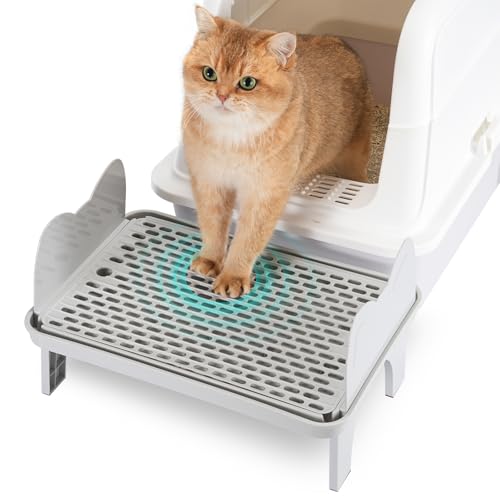
Cat Litter Catcher Step – Reduce Tracking: Double-layer litter mat traps loose litter from paws. Textured surface + groove edges improve trapping and keep floors cleaner.

PET STAIRS:The sturdy and stable stairs and ramps are designed so that your pet can walk steadily on them to the bed or couch for a close encounter with you. Perfect for small dogs, senior dogs or pets with limited mobility.We recommend it for pets weighing less than 50 pounds
Monitoring Your Cat’s Behavior and Needs
How can we effectively monitor our senior cat’s behavior to guarantee their litter box setup meets their needs? Regularly observing their actions regarding the litter box is essential, as reluctance may signal discomfort or mobility issues. Keeping a detailed journal of visits, including frequency and location, helps us identify any potential health problems necessitating veterinary evaluation. It’s vital to note signs of distress or anxiety when they approach the litter box, which could indicate an inadequate setup. We should also pay attention to their posture and movements during usage, ensuring that they’re not struggling due to pain. Finally, maintaining a clean and comfortable litter box environment encourages consistent use and can prevent behavioral issues from arising. Providing alternative elevated spaces, such as multi-level platforms, can help senior cats feel more secure and allow us to better observe their overall mobility and comfort levels throughout the day.
Frequently Asked Questions
What Litter Box Is Good for Cats With Mobility Issues?
For cats with mobility issues, we recommend litter box options that feature easy access with low sides. These designs help our furry friends comfortably enter and exit, ensuring they can maintain their independence with ease.
How Do Cats With Wheelchairs Use a Litter Box?
Cats with wheelchairs use adaptive litter solutions designed for wheelchair access. By incorporating feline comfort aids like low-entry boxes and non-slip surfaces, we can guarantee our furry friends have safe, manageable experiences during litter box visits.
What Is the Best Litter Box for Senior Cats?
Did you know that nearly 50% of senior cats struggle with mobility? For them, a litter box with a low entry height, spacious size, and suitable litter material is essential for ease and comfort during their bathroom visits.
How to Help a Senior Cat Use the Litter Box?
To help our senior cat use the litter box, we need to guarantee litter box accessibility, encourage bathroom habits with familiar placement, and maintain hygiene practices by regularly cleaning and checking for any discomfort or issues.