As an Amazon Associate, we earn from qualifying purchases. Some links on this site are affiliate links at no extra cost to you. Our recommendations are based on thorough research and editorial judgment.


How to Properly Disinfect Grooming Tools Between Cats

To properly disinfect grooming tools between cats, we should first wash them with hot, soapy water to remove organic material. Next, we must apply 70% Isopropyl Alcohol to all surfaces, including clipper blades and brushes, ensuring they are thoroughly saturated. Allow the alcohol to air dry for ideal germicidal action. Additionally, we can use animal-safe disinfectants and UV light sanitizers for enhanced efficacy. These steps are essential for maintaining a safe grooming environment, and further techniques can enhance our approach.
Key Takeaways
- Clean grooming tools with hot, soapy water to remove any debris and organic material before disinfection.
- Apply 70% Isopropyl Alcohol to all surfaces of tools to effectively eliminate pathogens.
- Allow the alcohol to air dry to ensure maximum germicidal effect on tools.
- Disinfect high-contact areas such as clipper blades and brushes to prevent cross-contamination.
- Maintain a routine cleaning schedule and disinfect workspace surfaces to protect all pets.
The Importance of Disinfecting Grooming Tools
You may be interested
10 Best Cat GPS Trackers of 2026 - Keep Your Feline Safe and Sound
December 26, 2025
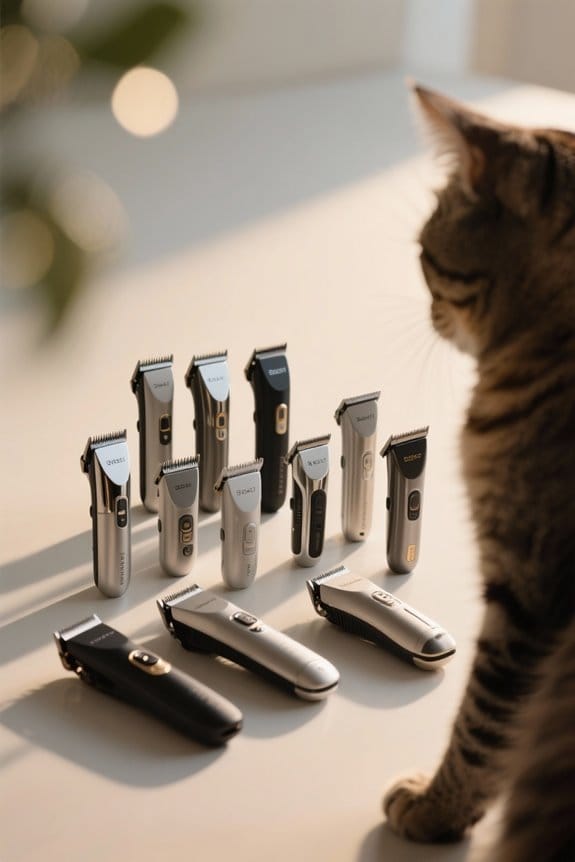
10 Best Cat Hair Clippers for a Stress-Free Grooming Experience
December 26, 2025

10 Best Cat Hair Trimmers for a Fuss-Free Grooming Experience
December 26, 2025
Disinfection is a fundamental practice in grooming feline companions, and it’s essential that we fully understand its importance. By properly disinfecting our grooming tools between sessions, we can effectively prevent the transmission of harmful bacteria and fungi that may lead to serious health issues for our pets and ourselves. Hidden infections often don’t show immediate symptoms, making thorough sanitation critical to avoid cross-contamination. Using effective disinfectants, such as 70% Isopropyl Alcohol, after cleaning greatly reduces the risk of remaining pathogens. Maintaining proper sanitation practices guarantees that visibly clean tools don’t compromise pet health by harboring unseen contaminants. Just as airtight seals protect pet food from moisture and pests, proper disinfection creates a protective barrier against pathogen transmission between grooming sessions. Adhering to these sanitization protocols is not just best practice; it’s a necessity for safe and hygienic grooming environments for all involved.
Recommended Products

EFFORTLESS MAT & KNOT REMOVAL: Say goodbye to stubborn tangles! Our precision steel blade effortlessly cuts through mats and knots, making grooming quick and painless for your furry friend
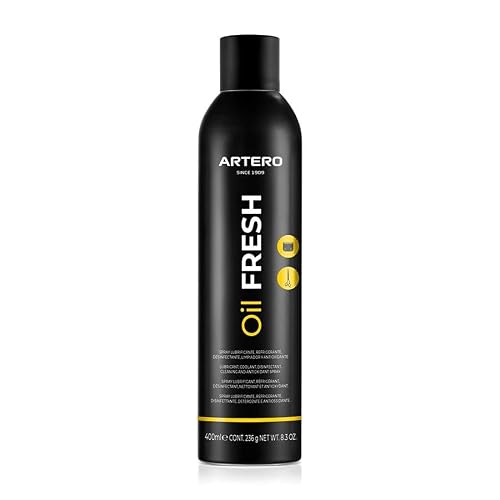
Instant Cooling Effect – Quickly cools clipper blades, preventing overheating and ensuring a smooth and comfortable grooming experience.

Steam-Powered Brush for Shedding & Shine - Loosens fur and freshens coats with a soft mist—great for reducing shedding and keeping indoor spaces clean.
Recommended Cleaning Procedures for Grooming Tools
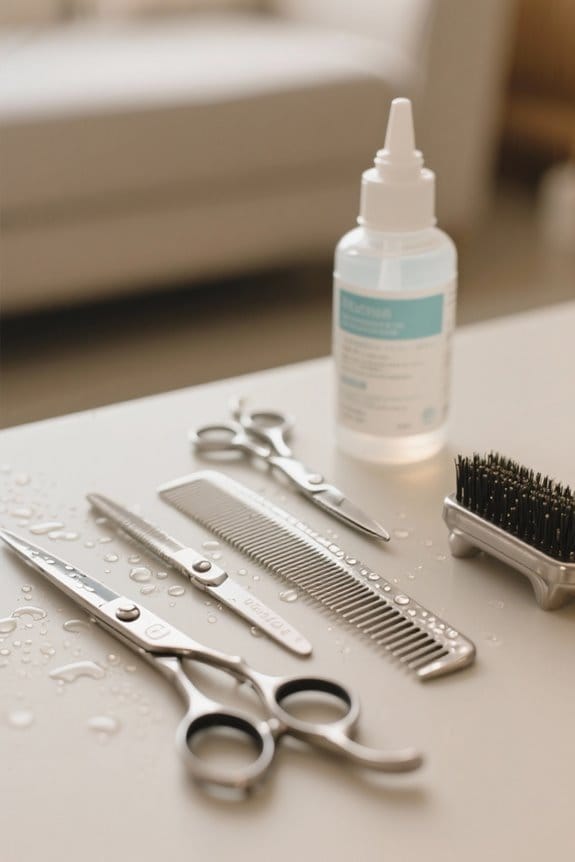
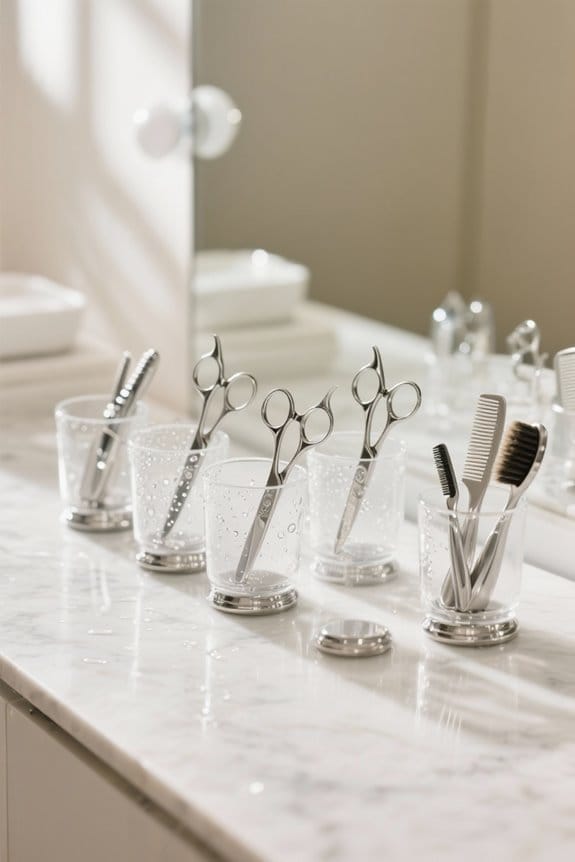
To guarantee effective cleaning of grooming tools, we recommend following a structured approach that combines thorough washing and proper disinfection techniques. Begin by cleaning the grooming tools with hot, soapy water to effectively remove grime, hair, and debris. Once cleaned, thoroughly apply 70% Isopropyl Alcohol, a powerful sanitizing agent, to all surfaces to ensure maximized effectiveness. Allow the alcohol to air dry on the tools, as this enhances its germicidal action, affirming that pathogens are eradicated. Pay close attention to high-contact areas, particularly clipper blades, brushes, and scissors, disinfecting them after each use on cats to prevent cross-contamination. Regularly maintain grooming tools through consistent cleaning, sanitizing, and oiling to uphold hygiene and prolong their lifespan. Consider using removable covers on grooming surfaces when possible, as they allow for easy cleaning and maintenance between appointments with different cats.
Recommended Products

CAT DETANGLER FOR MATTED HAIR – Help loosen knots, tangles, and light mats with a leave-in cat detangling spray made to support easier brushing and a smoother, softer-looking coat.

1.UNTANGLE CAT'S COAT - The Freshly Bailey cat detangler spray makes grooming a breeze by untangling knots in your pet's fur. No more struggling or tugging, just smooth and painless grooming sessions for both you and your furry friend.
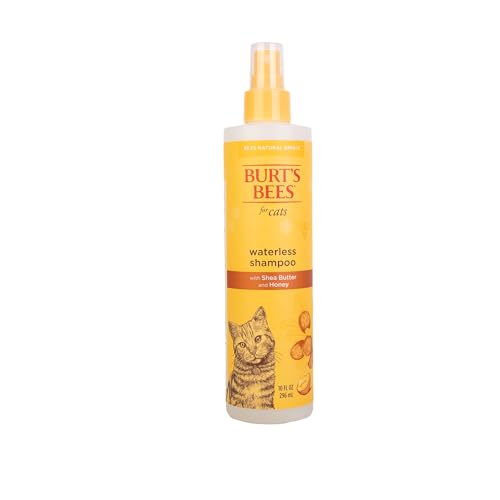
NO-RINSE FRESHENING CLEAN: Waterless cat shampoo spray helps lift light dirt and everyday odors without a full bath, making grooming easier for cats that dislike water, post-litterbox touch-ups, and quick refreshes between wash days.
Effective Disinfectants for Pet Grooming
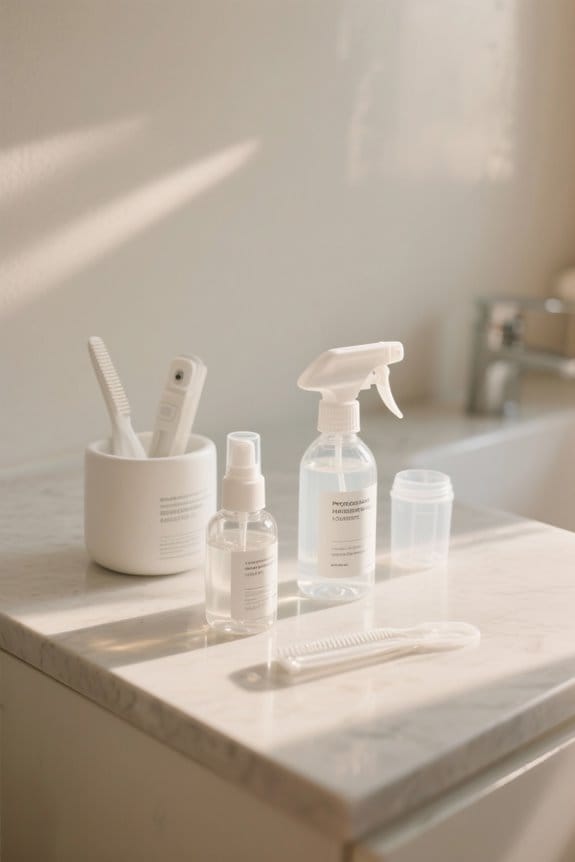
While maintaining a sterile environment is critical in pet grooming, the selection of effective disinfectants plays a pivotal role in ensuring the safety and health of our feline friends. 70% Isopropyl Alcohol stands out as the preferred disinfectant due to its ability to denature proteins in microorganisms, thereby efficiently eliminating harmful pathogens. We recommend using rubbing alcohol on cotton balls to sanitize shears and tools after cleaning with warm, soapy water. For surfaces, applying bleach solutions at a 10% concentration is effective for killing bacteria and fungi, provided it’s rinsed thoroughly afterwards. Additionally, utilizing animal-safe disinfectants like Barbicide can protect our pets. Regularly employing UV light sanitizers can enhance our disinfection practices, attaining over 99% efficacy. Just as automatic litter boxes incorporate infrared detectors and motion sensors to maintain hygiene between multiple cats, implementing consistent disinfection protocols between grooming sessions protects all felines in your care.
Recommended Products

TRUSTED BY PROFESSIONALS: From the makers of Barbicide, Clippercide is the industry-standard choice for professional barbers, stylists, and groomers. Trust the brand that has set the gold standard in salon hygiene to protect your tools and your clients

Convenient – Rescue Ready to Use Wipes offer quick and convenient disinfection for small and large surfaces.
Trusted by Professionals - From the makers of Barbicide, Clippercide is the industry-standard spray used by barbers, stylists, and groomers for safe and effective clipper maintenance.
Preventing Cross-Contamination Between Pets
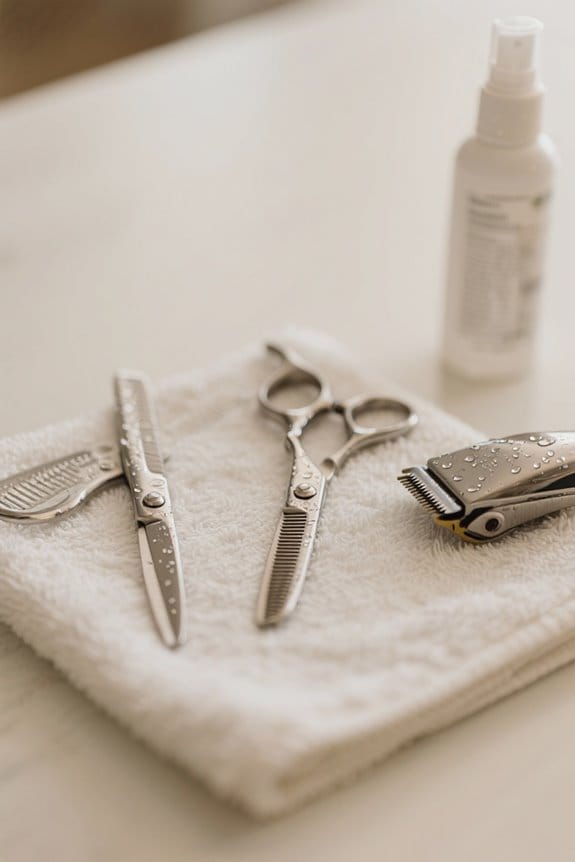
Preventing cross-contamination between pets is imperative for maintaining health and hygiene in any grooming environment. To effectively sanitize our tools, such as scissors and brushes, we must first wash them with hot, soapy water, ensuring all organic material is removed. After this initial cleaning, we should disinfect the tools using 70% Isopropyl Alcohol to eliminate potential pathogens that can cause bacterial and fungal infections. It’s also essential to regularly clean and disinfect our workspace, including grooming tables, as dirt and dander can harbor harmful bacteria. By adopting a meticulous cleaning routine, we safeguard the health of all pets and minimize the risk of cross-contamination, thereby ensuring a safe grooming experience for each animal in our care. Just as dental disease in cats is often asymptomatic, many infections spread through contaminated grooming tools can develop without visible signs, making proper disinfection protocols even more critical.
Recommended Products

One 32 fluid ounce bottle of first aid antiseptic

Six 32 fluid ounce bottles of first aid antiseptic

Product Type:Health Personal Care
Best Practices for Maintaining a Safe Grooming Environment
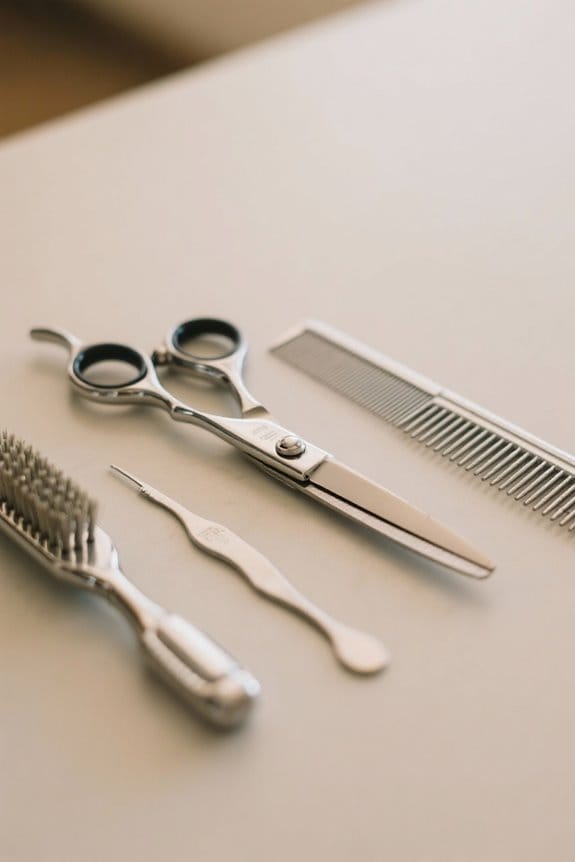
Maintaining a safe grooming environment requires diligence and adherence to best practices that mitigate the risk of infection. We must regularly sanitize grooming tools with 70% isopropyl alcohol, effectively eliminating microorganisms that could jeopardize our cats’ health. Before disinfecting, we should clean all grooming tools with hot, soapy water, removing grime to guarantee maximum sanitation efficacy. Additionally, we must disinfect all surfaces in the grooming area, including tables, bathtubs, and grooming posts, to prevent cross-contamination. Implementing a system that verifies tools used on infected pets are thoroughly sanitized before being used on healthy cats is essential. Utilizing UV light sanitizers, in combination with pet-safe disinfectants, can enhance our hygiene practices by effectively killing any remaining pathogens. For cats with flea infestations, consider using topical flea treatments like Advantage II or NEXTSTAR, which start working within 12-24 hours and provide waterproof protection for up to 30 days.
Recommended Products

✅ Professional Dog Station Includes: Pet station ( doggie waste bag dispenser, bin garbage with lid and dog house shaped sign ) + 600 roll bags + 50 large can liner refill + free 75 pets poop bags with dispenser for leash. Everything included, get it now!

348239 Venice Turpentine, 16 oz
Frequently Asked Questions
How to Clean Cat Grooming Tools?
“A stitch in time saves nine.” We should clean cat grooming tools regularly, focusing on different brush types, using allergy-friendly products, and remembering proper storage. For tough tasks, professional grooming services can help maintain our tools too.
How to Disinfect Grooming Tools?
To disinfect grooming tools, we should wash tools with soap, sanitize brushes, sterilize combs, and clean scissors regularly. By using effective methods and safe practices, we maintain hygiene and prevent infections during grooming schedules.
What Disinfectant Is Safe for Cats?
For our cats’ safety, we can use vinegar mixtures, pet-friendly wipes, or enzyme-based cleaners as disinfectant alternatives. Herbal solutions and alcohol solutions might work too, but let’s make certain all products are truly cat-safe before use.
How to Properly Disinfect Salon Tools?
When we think of our grooming tools as trusted companions, we must follow sanitation protocols. Let’s use the right disinfectant types, embrace routine cleaning, and guarantee proper tool maintenance for infection prevention and elevated grooming standards.